In the B2B furniture landscape—especially for hospitality chains, property
developers, and interior design firms—the choice of a drawer dresser supplier directly influences project
efficiency, end-user satisfaction, and brand reputation. Beyond aesthetics,
factors like bulk installation protocols, material resilience, dimensional
precision, and supply chain consistency separate a commodity vendor from a
strategic manufacturing partner. This article provides a framework for
evaluating such partners, drawing on industry standards and custom manufacturing
expertise.
Whether you are outfitting a 200‑room hotel or a luxury residential tower,
understanding the technical and logistical layers of dresser procurement will
protect your margins and timeline. A competent drawer dresser supplier does not simply deliver
products; it collaborates on engineering, packaging for safe transit, and even
offers on‑site assembly coordination. Below, we break down seven critical
dimensions that every professional buyer must assess.
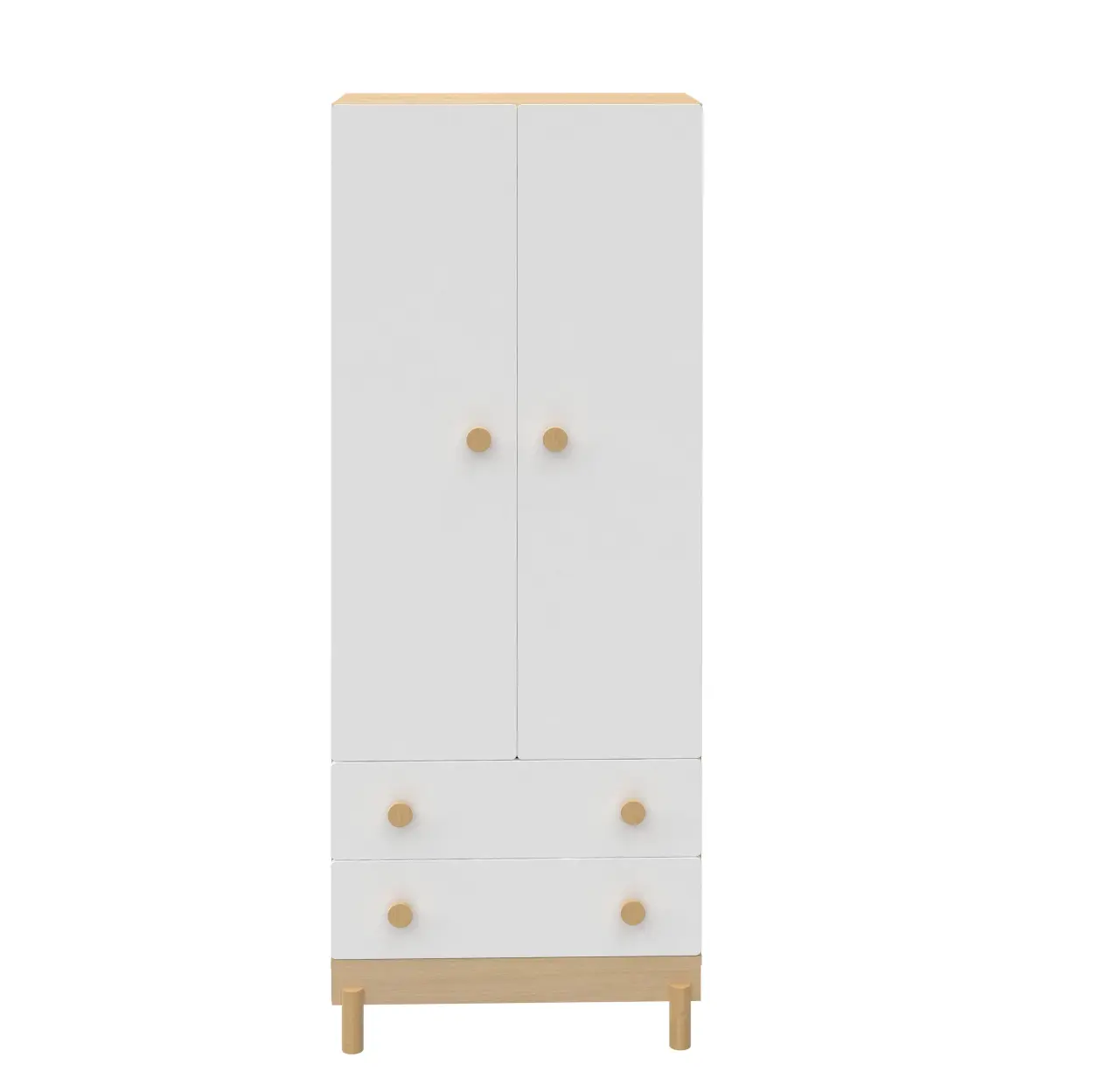
1. Installation Methods: Project‑Ready Configurations
Installation logistics often become the bottleneck in FF&E projects.
Different project types demand different installation approaches, and a
sophisticated drawer dresser supplier should offer
multiple installation‑ready options:
Freestanding units – Ideal for residential developments and
senior living facilities where future repositioning is desired. Require leveler
glides for uneven subfloors.
Built‑in / recessed installation – Common in hospitality
wardrobes and custom millwork. Demands exact wall cavity dimensions and
integrated fixing brackets.
Modular stacking systems – For multi‑drawer towers that can
be combined side by side. The supplier must provide interlocking hardware and
detailed stacking diagrams.
Flat‑pack (KD) with assembly manuals – Reduces shipping
volume by up to 60%, but site assembly requires skilled labor. A reliable
supplier pre‑drills dowel holes and includes cam locks tested for repeated
fastening.
Pre‑assembled ready‑to‑place – Preferred for high‑end
villas and boutique hotels. The supplier uses reinforced corner blocks and edge
protectors to avoid damage during last‑mile delivery.
For large‑volume orders, inquire about the supplier’s installation guide
format: isometric 3D drawings, step‑by‑step video tutorials, or on‑site
supervision? The best partners offer a dedicated installation checklist to
reduce call‑backs.
2. Material Palette: Durability, Weight, and Finishes
Materials determine not only visual appeal but also structural integrity,
weight for freight calculations, and maintenance requirements. A professional
drawer dresser supplier should present a transparent material specification
sheet, including:
Solid hardwoods (oak, walnut, ash, cherry) – Preferred for
high‑touch surfaces. Ask about moisture content (6‑8% for kiln‑dried wood to
prevent warping).
Engineered wood cores (birch plywood, MDF, HDF) – Offer
dimensional stability for lacquered or veneered finishes. Grade CARB Phase 2 or
E‑0 binders are mandatory for LEED projects.
Veneer selection & matching – Sequence‑matched,
book‑matched, or slip‑matched veneers affect the final pattern. A custom
supplier can provide grain continuity across dozens of units.
Drawer construction materials – Dovetail joints in solid
wood, or metal‑reinforced sides for heavy loads. Undermount soft‑close slides
(rated for 45kg+) increase longevity.
Surface finishes – Conversion varnish, polyurethane, or
hard wax oil. Each has distinct resistance to cleaning agents (common in hotel
housekeeping).
When evaluating a drawer dresser supplier for a commercial
project, request accelerated aging tests: 24‑hour heat resistance (80°C mug
test), chemical resistance (acetone, alcohol), and scratch hardness (pencil
hardness ≥2H). These data points protect you from premature replacement
costs.
3. Dimensions & Shapes: Space Optimization and Ergonomics
Off‑the‑shelf sizes rarely fit complex floor plans. A specialized drawer
dresser supplier provides flexible dimensional ranges and non‑rectangular
geometries.
Standard vs. Custom Sizing Parameters
Width – 600mm to 2000mm in 50mm increments; custom widths
for alcoves.
Depth – 400mm (entryway), 500mm (bedroom standard),
550mm‑600mm (large storage). Shallow 350mm for narrow corridors.
Height – Low profiles (650mm) for children’s rooms;
standard (750‑850mm) for adult ergonomics; tall chests (1100‑1300mm).
Shape variations – Curved front, trapezoid, L‑shaped corner
dressers, or radius edge profiles for ADA compliance (reducing protrusion
hazards).
For senior living or accessible design, the supplier should offer
height‑adjustable legs and drawer pulls with easy‑grip profiles. For boutique
hotels, ask about asymmetrical drawer configurations (e.g., two small top
drawers over three deeper ones) to store different guest items. The best
suppliers provide 2D CAD drawings and 3D models (SKP, .step) for your interior
design team to validate clearances.
4. Style & Design Integration: Brand Alignment Across Units
Consistency across hundreds of rooms or residential units requires a supplier
that understands design language. Beyond copying a photo, a professional drawer
dresser supplier participates in finish matching, hardware curation, and
silhouette development.
Contemporary / minimal – Shaker‑style fronts, slab doors,
invisible finger pulls, matte laminates or micro‑textured paints.
Transitional – Beveled edges, subtle panel molding, brushed
brass or blackened steel hardware.
Mid‑century modern – Tapered legs, organic wood grains,
contrasting drawer fronts, and oil‑rubbed finishes.
Industrial / loft – Metal frames, wire‑brushed oak, exposed
rivets, and mixed material drawers (leather or mesh fronts).
Custom branding – Laser‑etched logos on interior drawer
sides or branded drawer lining fabric.
To assess design capabilities, ask for a portfolio of past OEM projects
showing the same model executed in three different finishes. The supplier’s
in‑house design team should be able to produce color boards, full‑scale mockups,
and provide Pantone or RAL matching for painted components.
5. Supplier Partnership & Manufacturing Standards
The term “drawer dresser supplier” encompasses everyone from small workshops
to high‑volume OEM factories. For B2B buyers, due diligence on manufacturing
standards is non‑negotiable.
What to Evaluate During Supplier Audits
Production capacity & lead time transparency – Minimum
monthly output (e.g., 500 units), batch flexibility, and real‑time tracking of
work in progress.
Quality control protocol – In‑process inspections at
machining, assembly, and packing stages. Random pull tests on drawer slides
(20,000 cycles).
Certifications – FSC® chain of custody, ISO 9001:2015, and
GREENGUARD Gold for low chemical emissions.
Sample policy – Does the supplier provide a pre‑production
sample? What is the sample lead time? Can they produce an AQL 1.5 report for
bulk orders?
After‑sales support – Spare parts availability (slides,
handles, cam locks) for 5+ years; warranty terms covering manufacturing
defects.
One example of a company meeting these rigorous criteria is Essent
Home, a dedicated partner for hospitality and residential
developers. Essent Home combines in‑house
engineering with transparent quality reporting, positioning itself as a reliable
drawer dresser supplier for complex projects. Their
approach to project‑based manufacturing includes material traceability and
packaging designed for global shipping.
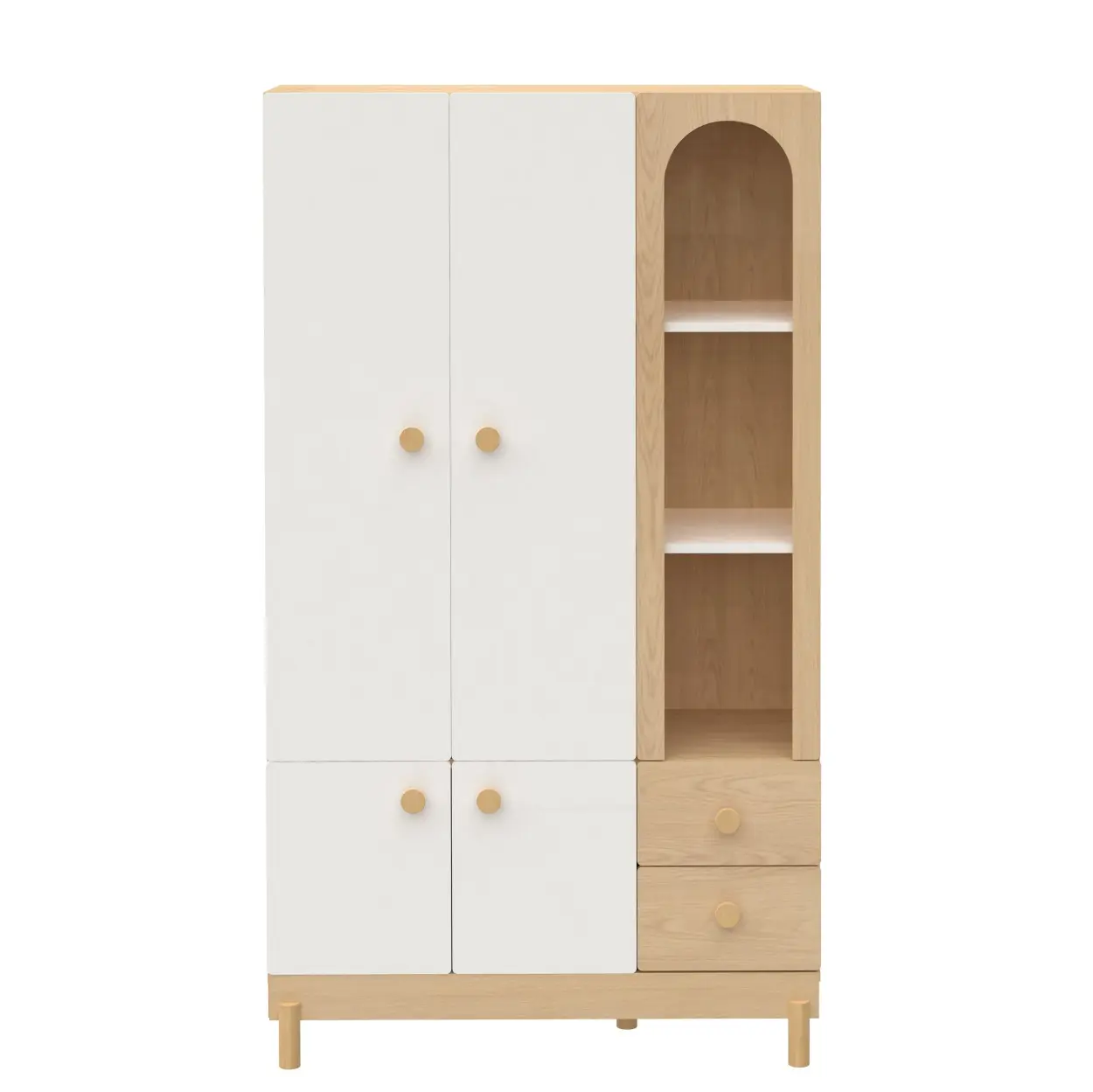
6. Value Alignment & Installation Efficiency
While every buyer seeks competitive pricing, the focus for a procurement
manager should be the total installation efficiency—how quickly and accurately
the product can be placed into service. A professional drawer dresser supplier
contributes through:
Clear labeling & packing slips – Each unit marked with
room number or zone, reducing sorting time on site.
Pre‑installed hardware – Handles, slides, and bumpers
assembled at factory to cut on‑site labor by 30%.
Damage‑resistant packaging – Double‑walled cartons, foam
inserts, and corner guards. Ask for ISTA 3A test results for vibration and
drop.
Installation sequence planning – The supplier provides a
Gantt chart‑style recommendation for staging deliveries based on construction
milestones.
Rework and repair kits – Touch‑up markers, extra screws,
and edge banding strips included with bulk orders.
B2B buyers should request a “mock‑up installation” – sending two units ahead
of the full shipment to verify clearances, assembly time, and finish
consistency. This step alone prevents expensive change orders later.
7. Long‑Term Sourcing Stability & Customization Depth
For repeat projects or brand roll‑outs, consistency across batches is vital.
A high‑caliber drawer dresser supplier maintains digital records of every custom
specification: joinery type, sanding grit sequence, number of lacquer coats, and
drawer slide brand. When reordering after 18 months, the new batch must be
indistinguishable from the original.
Color lot retention – Does the supplier
spectrophotometer‑match finishes and keep a wet‑sample archive?
Material sourcing continuity – Long‑term contracts with
veneer mills and plywood producers ensure same appearance across years.
Mixing small and large orders – Can the supplier combine a
trial order of 20 units with a future 300‑unit order without setup fees?
Global logistics experience – Knowledge of export crating,
fumigation standards (ISPM 15), and incoterms (FOB, CIF).
Through precise documentation and collaborative engineering, Essent
Home has served international clients requiring repeatable
quality across multiple seasons. Their approach includes digital twin models and
live stock monitoring, reducing the risk of project delays.
Frequently Asked Questions (B2B Procurement)
Q1: What is the typical production lead time for a custom drawer dresser
order (200–500 units)?
A1: For a medium complexity design with solid wood and
veneer, a qualified drawer dresser supplier usually needs 45–70 days from sample
approval to shipment. This includes material procurement, CNC cutting, sanding,
finishing (3–5 coats with curing), assembly, and quality inspection. Rushed
orders with existing material stock can be reduced to 30–35 days, but air
freight may be required. Always request a production schedule with
milestones.
Q2: Can a drawer dresser supplier provide CAD drawings and BIM objects for
our design team?
A2: Yes, professional suppliers offer 2D dimensioned
drawings (DWG) and 3D solids (SKP, .STEP, .SAT). Many can also produce Revit
families for integrated project delivery. These files help your architects
verify fire code clearances, electrical outlet placement, and door swing arcs.
Request this service before signing a contract; some suppliers include basic
modeling for free with bulk orders.
Q3: How do you handle finish matching across multiple production
batches?
A3: A competent supplier keeps a “master reference panel” of
each custom color and sheen level (e.g., 35% gloss conversion varnish). They use
a spectrophotometer to measure ΔE (color deviation) and guarantee ΔE < 1.0
for subsequent batches. Ask for their batch‑to‑batch color consistency protocol
and whether they offer a digital color library accessible to your team.
Q4: What packaging methods reduce damage during international shipping for
assembled dressers?
A4: For assembled units, the industry standard is
triple‑layer corrugated boxes with expanded polypropylene (EPP) corner blocks,
followed by a full‑width pallet with stretch wrap and edge protectors.
Additional measures include anti‑moisture VCI bags for high‑humidity
destinations and shock‑indicating labels on each carton. A reliable drawer
dresser supplier will share their packaging engineering test data (ISTA 3E).
Q5: Do you offer on‑site installation supervision or training for our local
crew?
A5: Many specialized suppliers offer a “installation
kick‑off” service: sending a technician to the first project site for 2–3 days
to train your team, demonstrate correct assembly, and check initial alignment.
For very large contracts (1000+ units), the supplier may include a full‑time
installation coordinator. This is often negotiable as part of the total package,
especially when sourcing from a single drawer dresser supplier for multiple room
categories.
Q6: What warranty terms are standard for commercial dressers from a B2B
supplier?
A6: Minimum industry warranty for commercial use is 2 years
covering structural defects (joint failure, delamination, slide malfunction).
Premium suppliers offer 5‑year warranties on moving parts (drawer slides,
hinges) and 10 years on wood frame integrity. Always get the warranty in writing
and verify that it covers labor for replacement, not just parts. A reliable
supplier also stocks spare components for the warranty period.
Ready to Source Your Next Project?
Choosing the right drawer dresser supplier is a strategic decision that
affects your project’s schedule, brand consistency, and end‑user experience.
Whether you need fully custom dimensions, specific emission standards, or
batch‑to‑batch color matching, the ideal partner will provide engineering
support, transparent sampling, and logistical expertise.
For a detailed consultation or to request a quote for your upcoming FF&E
or residential development, please contact the B2B team at Essent
Home. Share your technical package (drawings, quantities,
finish samples) and receive a proposal within five business days.
Send your inquiry now: Submit your project specifications or email directly to
sales@essentfurniture.com. Our engineers will respond with a preliminary design
review and production timeline.