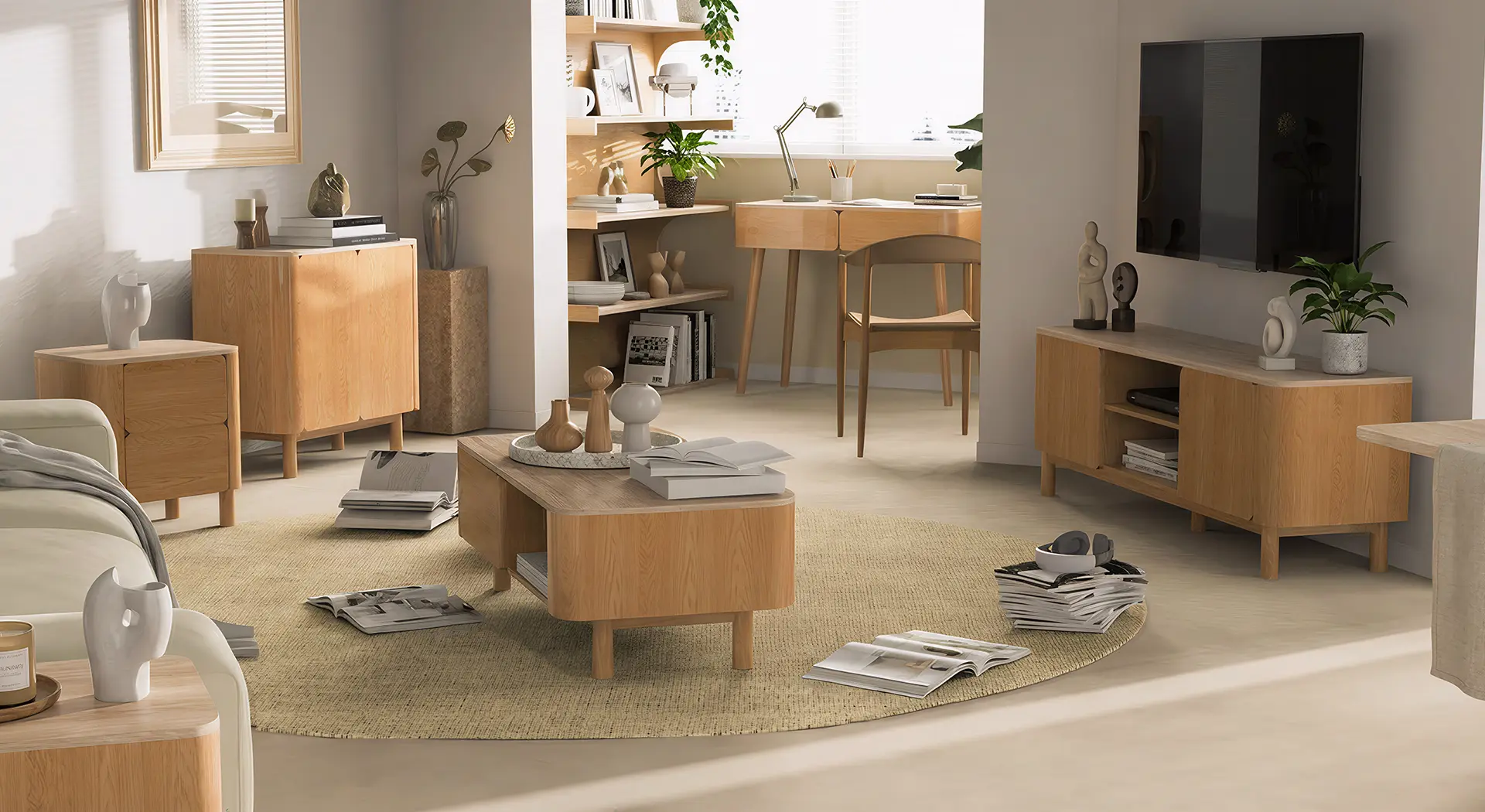
Modern interior design and high-end retail spaces place a premium on how objects are displayed. Architects, commercial procurement managers, and luxury hospitality designers require display systems that not only store but also enhance the visual value of curated collections, art pieces, and luxury merchandise. Finding a reliable partner in this space requires evaluating manufacturing precision, material engineering, and logistical capability. For procurement managers and interior designers, identifying an experienced curio furniture wholesaler is a fundamental step in ensuring product longevity and aesthetic alignment with prestigious projects.
As an established manufacturer, Essent Home specializes in producing precision-engineered storage solutions that meet the rigorous standards of global markets. This article analyzes the structural components, engineering challenges, and quality benchmarks that B2B buyers must prioritize when selecting a supply partner for high-end curio cabinets.

Structural Engineering and Material Standards in Premium Curio Manufacturing
A luxury curio cabinet is a complex structural assembly that must balance transparency with structural integrity. Unlike standard residential furniture, premium display cabinets are subject to strict safety and durability standards, especially when placed in high-traffic commercial environments.
Glass Engineering and Optical Clarity
The primary material of any curio cabinet is glass, which must meet precise structural and aesthetic requirements:
- Tempered Safety Glass: All glass panels, especially shelves and doors, must undergo thermal tempering processes compliant with international safety standards such as EN 12150 or ANSI Z97.1. This ensures that in the rare event of breakage, the glass fractures into small, blunt-edged fragments rather than sharp shards.
- Low-Iron Glass: Standard float glass contains microscopic iron impurities that create a distinct green tint, particularly visible along the polished edges of glass shelves. Premium manufacturers utilize low-iron glass (often referred to as ultra-clear glass), which reduces iron content to approximately 0.01%. This enhancement increases light transmission and ensures that displayed objects are seen in their true colors.
- Thickness Specifications: Structural side panels typically require a thickness of 5mm to 6mm, while load-bearing glass shelves must be 8mm to 10mm thick, depending on the span and weight requirements of the target application.
Metalwork and Framing Precision
The structural skeleton of modern curio cabinets often relies on slim metal profiles. These frames must support heavy glass panels without bending or warping over time. High-end production utilizes 304-grade stainless steel or anodized aluminum extrusions. For metallic finishes, such as brass, bronze, or titanium look, Physical Vapor Deposition (PVD) coating is preferred over traditional wet painting. PVD coating provides an extremely durable layer that resists scratching, corrosion, and fingerprint oils, which is a major operational requirement for hospitality and retail environments.
Wood Selection and Joinery
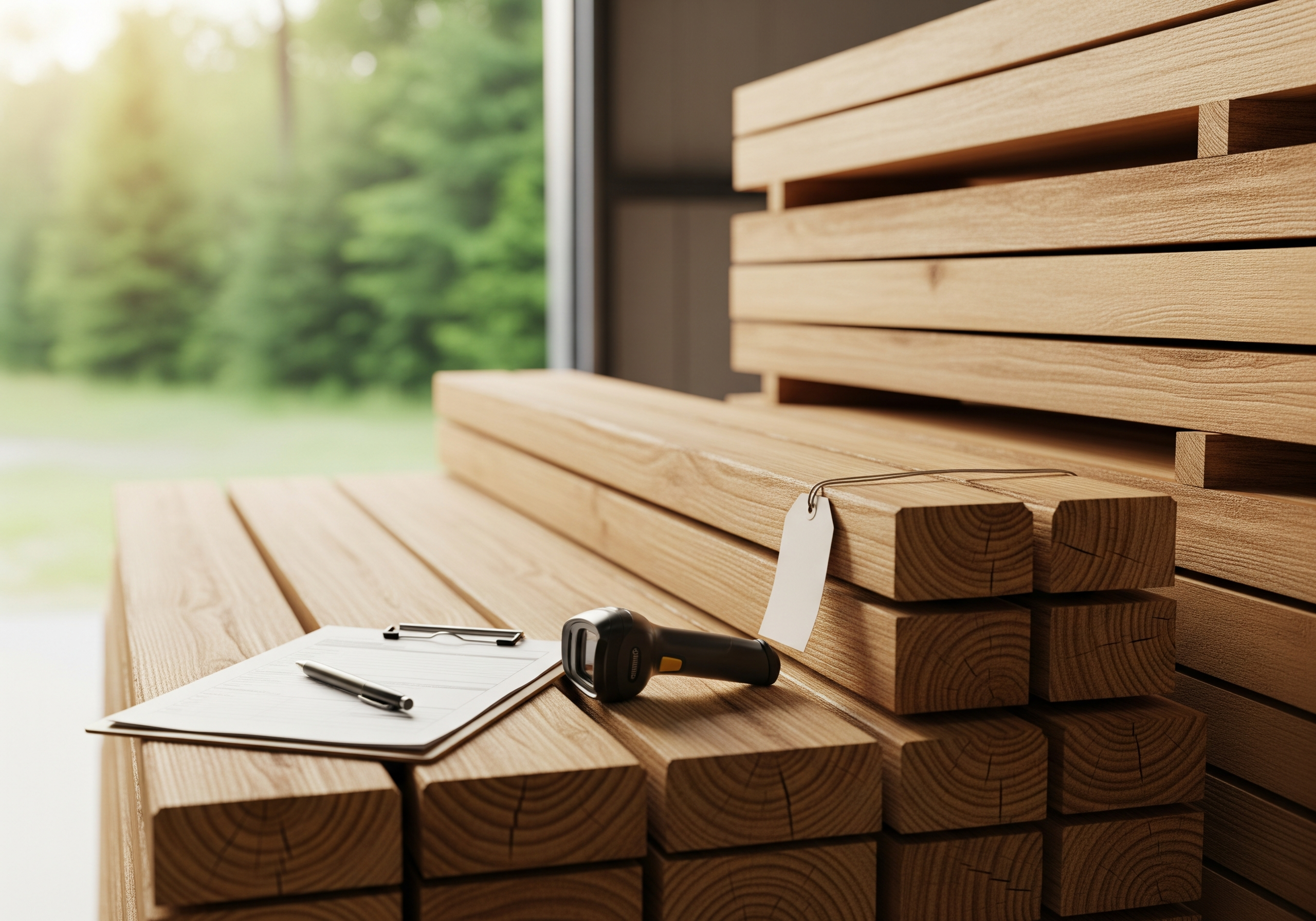
When wood elements are integrated into the base, back panels, or top crown of a curio cabinet, stability is paramount. Solid wood is susceptible to expansion and contraction caused by fluctuations in relative humidity. To prevent warping and splitting, premium manufacturers utilize high-density fiberboard (HDF) or multi-layer birch plywood cores finished with premium natural wood veneers (such as American walnut, oak, or reconstituted ebony). Precision joinery, including dowel construction and reinforced corner blocks, ensures the cabinet remains perfectly square during transit and long-term use.
Integrating Advanced Lighting and Hardware Systems
The difference between a standard storage unit and a museum-quality display cabinet lies in the integration of lighting and functional hardware. These elements are deeply embedded in the manufacturing phase to ensure seamless operation.
From an illumination perspective, traditional halogen bulbs have been replaced by low-voltage (12V or 24V) LED strip lighting. The integration of LED systems requires careful thermal management. High-power LEDs generate localized heat that can damage delicate veneers or adhesive backings. Premium cabinets feature custom-extruded aluminum heat-sink profiles recessed into the wooden or metal frames. This layout dissipates heat efficiently, extending the lifespan of the LED elements to over 50,000 hours.
Equally important is the Color Rendering Index (CRI) of the lighting source. High-end projects demand a CRI of 90 or higher, ensuring that fabrics, jewelry, and collectibles do not appear washed out or discolored. Recessed LED channels are placed at a 45-degree angle to direct light inward toward the display items while shielding the viewers eyes from direct glare.
Hardware selection also dictates the user experience. Heavy-duty pivot hinges, soft-close magnetic latches, and concealed drawer runners are standard requirements. Hinges must support heavy glass doors without sagging over years of operation. Furthermore, dust-proofing weatherstripping—usually clear, UV-resistant silicone profile seals—is integrated along the door gaps to protect valuable collections from dust accumulation and moisture ingress.
Key Challenges in B2B Sourcing for Display Cabinets
Importers, distributors, and contract sourcing agents face distinct operational hurdles when procuring glass-heavy furniture. Identifying these issues early in the sourcing phase is vital to preventing delays and supply chain friction.
Logistical damage is one of the most prominent issues faced by buyers working with a curio furniture wholesaler. Glass panels are highly vulnerable to impact and vibration during maritime transport and domestic distribution. Standard packaging methods often fail to withstand the dynamic forces of container transit. To address this, professional manufacturers design packaging systems that conform to ISTA (International Safe Transit Association) 3B or 3A standards, utilizing high-density polyethylene (HDPE) foam sheets, custom edge protectors, and robust wooden crates for glass components.
Another common sourcing challenge is the rigidness of standard manufacturing lines. Many high-volume factories are geared toward mass production and cannot accommodate dimensional modifications, custom wiring paths, or specific wood finishes requested by architects for hospitality projects. B2B buyers require a manufacturing partner capable of executing custom shop drawings and accommodating low-volume runs for specialized projects.
Finally, compliance with local regulations is an absolute necessity. Wood components must comply with formaldehyde emission limits, such as the California Air Resources Board (CARB) Phase 2 or EPA TSCA Title VI standards. Integrated electrical components, including LED drivers, wiring harness assemblies, and switches, must carry relevant regional safety marks such as UL, CE, or SAA to clear customs and pass local commercial building inspections.
When selecting a manufacturing partner for long-term supply, procurement teams should conduct a thorough evaluation of the facilitys production capabilities and quality control infrastructure:
- In-House Engineering Department: The manufacturer must possess a dedicated engineering team capable of translating conceptual sketches and CAD drawings into manufacturable shop drawings. This ensures that structural load calculations, glass thickness selections, and wire management paths are resolved prior to production.
- Quality Control Protocols: A structured quality assurance framework must be active at every stage of production. This includes incoming material inspections (verifying wood moisture levels and glass tempering certificates), in-process assembly checks (verifying cabinet squareness and door alignment), and final pre-shipment testing (verifying electrical continuity, shelf load limits, and cosmetic finishes under specialized lighting booths).
- Flexible Production Line Setup: The factory should utilize high-precision CNC machinery that can handle both high-volume standardized runs and custom, small-batch orders with equal dimensional accuracy. This flexibility allows buyers to purchase a mix of catalog designs and project-specific custom units.
Overcoming Sourcing Obstacles with Essent Home
To address the quality and delivery challenges inherent in international furniture procurement, Essent Home has developed a streamlined manufacturing and logistics system designed specifically for the needs of contract furniture buyers, importers, and design firms.
By implementing advanced CNC cutting, drilling, and routing systems, the manufacturing process achieves dimensional tolerances of less than 0.5mm. This degree of accuracy is necessary when dealing with minimalist, metal-framed glass cabinets where even minor misalignments prevent doors from sealing correctly or cause uneven weight distribution across the structural frame.
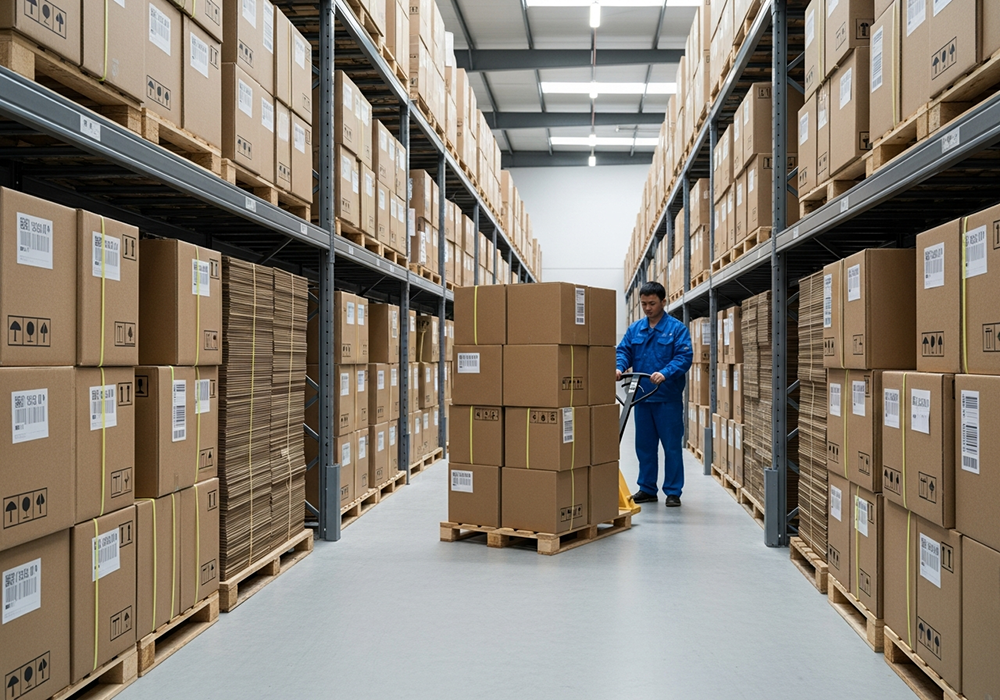
To eliminate logistical risks, our engineering team designs custom packaging layouts for every product model. Glass shelves are packed in separate drop-tested cartons featuring dense EPE foam corners and reinforced outer cartons. For full container load (FCL) and less than container load (LCL) shipments, we utilize heavy-duty wooden pallet crates to facilitate safe loading and unloading via forklifts, significantly reducing handling damage at distribution centers.
Furthermore, all integrated lighting systems provided are fully pre-wired and tested in the factory. LED drivers are matched to the voltage requirements of the destination country, and quick-connect wiring harnesses are integrated into the cabinet frames, reducing field assembly time for installation crews on site.
Functional Applications Across Diversified Sectors
High-end curio cabinets serve various functions across different commercial and residential projects. Understanding these applications helps buyers specify the appropriate material and structural requirements for their target market.
High-End Hospitality
In five-star hotels, luxury resorts, and executive lounges, curio cabinets are often deployed to showcase historical artifacts, local art, or high-value retail products such as fine wines and spirits. These environments require heavy-duty security locks, tamper-resistant glass panels, and continuous, heat-dissipating lighting systems that can run 24/7 without risking overheating or premature LED failure.
Bespoke Residential Developments
Modern luxury homes, penthouses, and private estates utilize contemporary glass-door display cabinets as architectural focal points in dining rooms, home libraries, and walk-in dressing suites. Residential buyers prioritize aesthetic details, such as matching natural wood grain patterns, ultra-slim metal framing, and warm, dimmable smart-lighting integration that can connect to home automation systems.
Premium Retail Showrooms
Boutiques, jewelry stores, and watch showrooms require highly secure, beautifully lit showcases to display high-value merchandise. The lighting must accurately reflect the sparkle of metals and gemstones, necessitating high-intensity, high-CRI spot-lighting. Security features, including heavy-duty lock assemblies and shatter-resistant glass configurations, are fundamental requirements for these installations.
Navigating the B2B Procurement and Customization Process
For buyers managing large-scale projects, the sourcing process follows a structured timeline to guarantee that the final products align with all engineering and design expectations.
The initial phase involves the exchange of project specifications, including dimensional footprints, weight capacity requirements, aesthetic finishes, and regulatory compliance standards. Following this, the manufacturers engineering team generates detailed shop drawings for approval. This stage is crucial for identifying potential structural conflicts, such as the placement of electrical outlets relative to the cabinets power supply output.
Once drawings are approved, the prototype phase begins. Producing a physical mock-up allows the design team to inspect the finishes, check the integration of metal-to-wood joints, and verify the performance of the lighting system. After the prototype passes inspection, mass production is initiated. Regular quality control checkpoints throughout production ensure that the final units match the approved mock-up in every detail. Finally, coordinates are arranged for shipping, utilizing optimized loading configurations to maximize container volume while protecting the fragile components.
Frequently Asked Questions
Q1: What are the standard glass specifications used by a professional curio furniture wholesaler?
A1: High-end manufacturers typically use 5mm to 6mm tempered glass for the side panels and doors, and 8mm to 10mm tempered glass for the internal shelves. For premium applications, ultra-clear low-iron glass is specified to eliminate the green hue common in standard float glass, providing maximum transparency and color accuracy.
Q2: How is dust accumulation managed in modern glass display cabinets?
A2: Dust mitigation is achieved by integrating precise tolerances during manufacturing and applying UV-stable silicone profile seals or magnetic weatherstripping along the door frames. This creates a pressurized-seal effect when the doors are closed, protecting delicate display items from dust and air pollutants.
Q3: Are the integrated electrical systems certified for international building codes?
A3: Yes, all integrated lighting, wiring, and drivers must comply with regional standards. For the North American market, UL or ETL certification is provided; for the European Union, CE and RoHS certificates are standard; and for Australia/New Zealand, SAA-compliant components are utilized.
Q4: How does a manufacturer protect fragile glass shipments during maritime transport?
A4: Protection involves a combination of custom-engineered packaging and structural reinforcement. Glass components are wrapped in protective polyethylene films, cushioned with high-density foam, and packed into heavy-duty corrugated cartons. These cartons are then loaded into specialized ISPM-15 compliant wooden crates or heat-treated pallets to prevent shifting and impact during transit.
Q5: Can wood veneers be matched to existing millwork on a contract project?
A5: Yes, established manufacturers can source specific wood species and apply custom stains to match pre-existing architectural millwork. Sourcing agents should provide physical wood samples or specify RAL/Pantone references to ensure precise color matching during the veneer finishing phase.
Initiate a Collaboration on Your Display Cabinet Requirements
Sourcing premium display furniture requires a manufacturer that understands the balance between structural stability, material purity, and reliable logistics. Partnering with an experienced curio furniture wholesaler ensures that your projects are delivered with the exact structural integrity and high-end aesthetics required by discerning clients.
The engineering and production teams at Essent Home are prepared to assist you in refining your project specifications, providing detailed shop drawings, and delivering high-quality custom curio cabinets that meet international quality standards. To discuss your project parameters, material requirements, or to request a detailed quotation for an upcoming development, please submit your inquiry and technical drawings to our B2B sales division.