Contemporary commercial architecture and premium office environments demand a refined balance between aesthetic minimalism and storage utility. As interior layouts transition toward space-saving configurations, the requirement for integrated storage within workspace furniture has grown. Specifiers, contract buyers, and commercial developers require highly durable, aesthetically cohesive furniture systems that withstand high-use environments over long lifespans. Partnering with a specialized manufacturing entity to develop these products ensures that functional requirements are met alongside strict design languages.
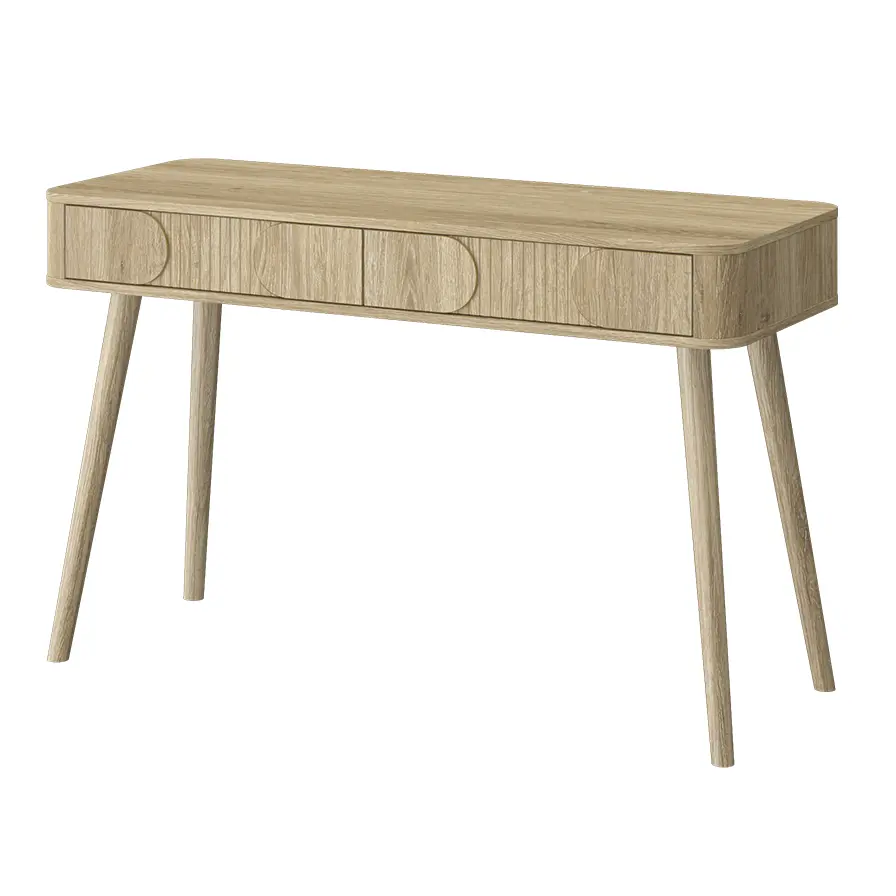
For international sourcing managers and commercial interior designers, procuring customized office furniture requires a reliable manufacturing partner. Utilizing a premium desk with drawers odm service allows brands to source pre-engineered, structurally verified furniture frames while maintaining the flexibility to customize finishes, dimensions, and hardware configurations. This collaborative approach streamlines the development pipeline, ensuring that the finished furniture performs reliably under commercial use while aligning with the aesthetic requirements of high-end corporate interiors.
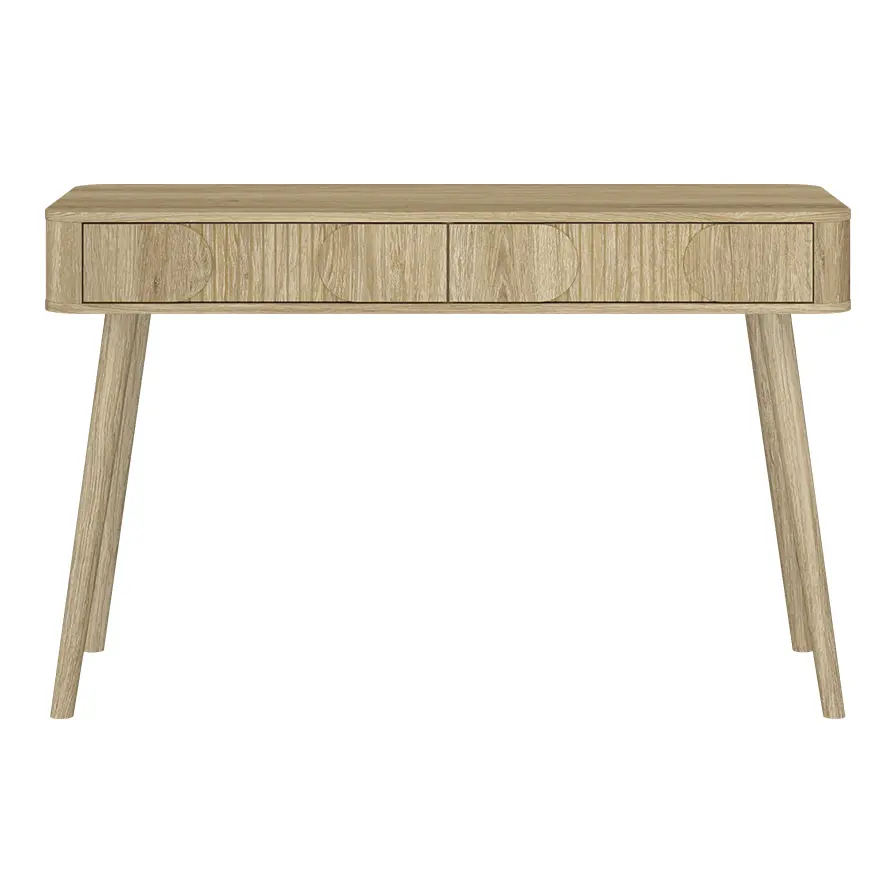
The Structural Architecture of Commercial Storage Desks
When engineering a premium desk with drawers odm, the core focus centers on the structural integrity of both the primary desktop frame and the integrated pedestal or drawer unit. Unlike residential furniture, commercial-grade desks undergo constant physical stress, requiring robust joinery and high-density substrates to prevent sagging, warping, or joint separation over time.
To establish a stable foundation, manufacturers construct the internal support carcass using high-grade materials. The choice of core substrate dictates the weight capacity, screw-holding strength, and humidity resistance of the completed piece:
- Multi-Layer Plywood: Often specified for premium applications, high-density plywood offers exceptional cross-directional strength and superior resistance to moisture-induced expansion.
- Medium-Density Fiberboard (MDF): Utilizing MDF with a density rating of 750 kg/m³ or higher provides an exceptionally flat, stable surface for fine wood veneering and precise Computer Numerical Control (CNC) routing of joinery components.
- Solid Hardwood Frameworks: For premium executive lines, select timber species such as American Walnut, White Oak, or European Ash are utilized for external framing, ensuring natural grain continuity and high impact resistance.
To guarantee that these materials maintain their structural shape throughout international shipping and varied climate exposure, raw lumber must undergo a precise kiln-drying process. Maintaining an equilibrium moisture content (EMC) of between 8% and 12% is vital to prevent subsequent timber shrinkage, checking, or warping once installed in climate-controlled office buildings.
Hardware Engineering and Kinetic Mechanisms
The mechanical performance of integrated drawers is a primary indicator of a desk’s overall quality. While a desk may possess an attractive exterior, the user experience is determined almost entirely by the drawer runner mechanisms and interior assembly. High-end contract environments require heavy-duty, cycle-tested drawer glides that operate quietly and smoothly under full load conditions.
Undermount synchronized runner systems are widely considered the benchmark for premium office furniture. These glides are concealed beneath the drawer box, preserving the clean visual profile of the wooden drawer sides. These systems feature integrated hydraulic dampening mechanisms that slow the drawer during closure, preventing impact damage to the drawer face and minimizing ambient noise in busy office environments. Dynamic load ratings for these slides typically range from 30 kg to 50 kg, accommodating heavy paper files, personal items, and electronic equipment without structural deflection.
To complement these mechanical runner systems, the physical construction of the drawer box itself must utilize robust joinery. English or French dovetail joints represent the industry standard for premium drawer box construction, providing exceptional mechanical interlocking that resists front-to-back pulling forces. Alternatively, precisely aligned dowel-and-glue construction utilizing industrial polyurethane adhesives provides a clean, modern alternative with comparable longevity when manufactured on high-precision CNC equipment. This is where manufacturers like Essent Home provide specialized woodworking capabilities, combining traditional craftsmanship with modern CNC precision to deliver highly durable cabinetry components.
Resolving Design Challenges in Integrated Office Furniture
Developing a high-performance workspace desk requires overcoming several design challenges, particularly regarding the integration of power and communication wiring. Modern professionals require immediate access to power, USB charging ports, and data connections. However, traditional drawer configurations often block the natural pathways of cabling, resulting in cluttered work surfaces or pinch points that damage wires.
To address this challenge, premium design models incorporate integrated cable management raceways situated behind the drawer housing. By creating a dedicated double-back panel cavity, wires can route vertically from floor-level power boxes up to desktop grommets without encroaching on the interior storage space of the drawers. Additionally, the inclusion of soft-brush cable passes allows charging cables to exit the back of a drawer containing active charging docks, permitting laptops and tablets to charge securely while stored out of sight.
Another common design challenge involves maintaining perfect drawer front alignment across multi-drawer pedestals. Wood is a dynamic material that reacts to ambient humidity, which can lead to minor structural shifts. To counter this, advanced drawer front mounting systems utilize three-way adjustable bracket fittings. These mechanisms allow installers to adjust the position of the drawer front along the X, Y, and Z axes post-installation. This level of adjustability ensures consistent, precise reveals—the narrow gaps between drawers—maintaining a clean, linear aesthetic across the entire furniture face.
The Benefits of Sourcing Through the ODM Model
For furniture brands, distributors, and contract specifiers, developing a custom furniture collection from initial concept can be resource-intensive. Opting for a pre-engineered desk with drawers odm program allows procurement teams to bypass the lengthy prototyping and structural testing phases associated with original equipment manufacturing (OEM).
By selecting a verified base design, buyers can leverage the manufacturer’s existing tooling, structural calculations, and supply chains. Customization is then concentrated on surface aesthetics and functional add-ons, which may include:
- Selecting custom wood veneer species and choosing between matte polyurethane, open-pore, or high-gloss lacquer finishes.
- Modifying the drawer configuration, such as substituting standard drawers for deep hanging file drawers equipped with adjustable metal hanging rails.
- Integrating secure locking mechanisms, ranging from traditional keyed-alike cylinder locks to modern, biometric fingerprint scanners or RFID access panels concealed within the wooden frame.
- Choosing bespoke metal leg frames, incorporating powder-coated steel, brushed brass, or polished chrome options to match broader interior design schemes.
This systematic approach dramatically reduces product development timelines, allowing contract distributors to introduce complete, certified furniture collections to the market in a fraction of the time required for fully bespoke developments.
Quality Assurance and Commercial Compliance Standards
To ensure suitability for high-traffic environments, each production batch of the desk with drawers odm undergoes rigorous testing to verify safety and longevity. Commercial contract furniture must comply with recognized international standards, such as those established by the American National Standards Institute (ANSI) and the Business and Institutional Furniture Manufacturers Association (BIFMA).
ANSI/BIFMA X5.5 tests evaluate the structural performance of desk and table products. These protocols include:
- Drawer Cycle Testing: The drawer mechanisms are subjected to 50,000 open-and-close cycles under full structural load capacity to verify that the runner systems do not suffer from mechanical wear or structural deformation.
- Concentrated Load Testing: Applying heavy downward forces to the center of the desktop to measure deflection limits, ensuring that the work surface remains flat and stable.
- Leg Strength and Drop Tests: Verifying that the desk frame can withstand lateral forces and minor drops without structural joint failure.
Beyond structural testing, compliance regarding chemical emissions is highly important for indoor air quality. Responsible manufacturing facilities utilize low-VOC (Volatile Organic Compound) adhesives and water-based finishes that meet CARB (California Air Resources Board) Phase 2 and EPA TSCA Title VI standards. These certifications ensure that the finished furniture does not off-gas harmful chemicals, supporting the well-being of building occupants and contributing to green building certifications such as LEED or WELL.
Collaborating with Premium Manufacturers for Project Success
Bringing a complex commercial project to completion requires clear communication, detailed engineering drawings, and reliable manufacturing capacity. With years of custom manufacturing experience, Essent Home has refined the production pipeline for high-end contract furniture, delivering tailored solutions that meet the requirements of international developers and workspace designers.
The sourcing process begins with a detailed review of spatial requirements, material selections, and performance goals. Engineering teams translate these concepts into comprehensive 2D and 3D CAD drawings, detailing joint configurations, hardware placements, and wire routing pathways. Once these shop drawings are approved, physical material samples—including finished veneer panels and hardware mockups—are provided for client review, ensuring absolute alignment before mass production begins.
Frequently Asked Questions
Q1: What is the typical Minimum Order Quantity (MOQ) for an ODM desk project?
A1: For custom ODM desk manufacturing, the minimum order quantity generally depends on the level of material customization. Standard designs utilizing stock veneers and standard hardware often require lower minimum runs, typically starting at 20 to 50 units. Fully customized dimensions or custom-tinted finishes may require larger batch runs to ensure manufacturing efficiency and consistency.
Q2: How are wood veneers protected against water damage and daily wear in commercial spaces?
A2: Commercial-grade desks utilize high-durability polyurethane or acid-catalyzed lacquer topcoats. These finishes are formulated to resist moisture ring marks from hot or cold beverages, mild chemical cleaners, and superficial scratching, preserving the natural beauty of the underlying wood veneer while maintaining a hard-wearing protective barrier.
Q3: Can a custom desk with drawers ODM design accommodate regional differences in power outlets?
A3: Yes, the cable management and power distribution channels within the desks are designed to be modular. This allows for the installation of regional power strips (such as US, UK, EU, or AU standards) and various USB charging configurations within the same base desk framework, simplifying global distribution.
Q4: How do undermount drawer slides compare to traditional side-mounted ball-bearing glides?
A4: Undermount slides are positioned beneath the drawer box, concealing the metal tracks from view and allowing for a wider, cleaner wooden drawer construction. They also offer smoother operation and integrated soft-close dampening. Side-mounted slides are visible when the drawer is open and are generally used for industrial utility applications rather than premium office furniture.
Q5: What measures are taken during packaging to prevent damage during ocean transit?
A5: To ensure products arrive in pristine condition, furniture pieces are packaged using high-density polyethylene corner protectors, expanded polystyrene padding, and heavy-duty double-wall corrugated shipping cartons. For high-end assembled casegoods, wooden crate framing or palletized shipment methods are utilized to prevent crushing and movement during international logistics.
Initiate Your Next Commercial Sourcing Project
Selecting the appropriate manufacturing partner is an important step in delivering durable, high-quality furniture solutions for commercial and residential developments. By collaborating with an experienced manufacturer, you gain access to refined engineering, stable supply chains, and reliable production capacity. To discuss your project specifications, request material sample kits, or obtain a comprehensive quote for your custom furniture program, please contact the contract division at Essent Home today.