For furniture distributors, hotel procurement managers, and interior design
firms, choosing a reliable kitchen table exporter directly impacts
product quality, supply chain consistency, and brand reputation. A single
shipment of warped tops, cracked legs, or mismatched finishes can damage
customer relationships. This article provides a technical framework to evaluate
exporters based on wood moisture management, joinery methods, finishing
chemistry, and packaging engineering. Essent Home operates as a
specialized kitchen table exporter with dedicated quality control laboratories
and container loading facilities. We examine the critical parameters that
separate professional exporters from commodity traders.
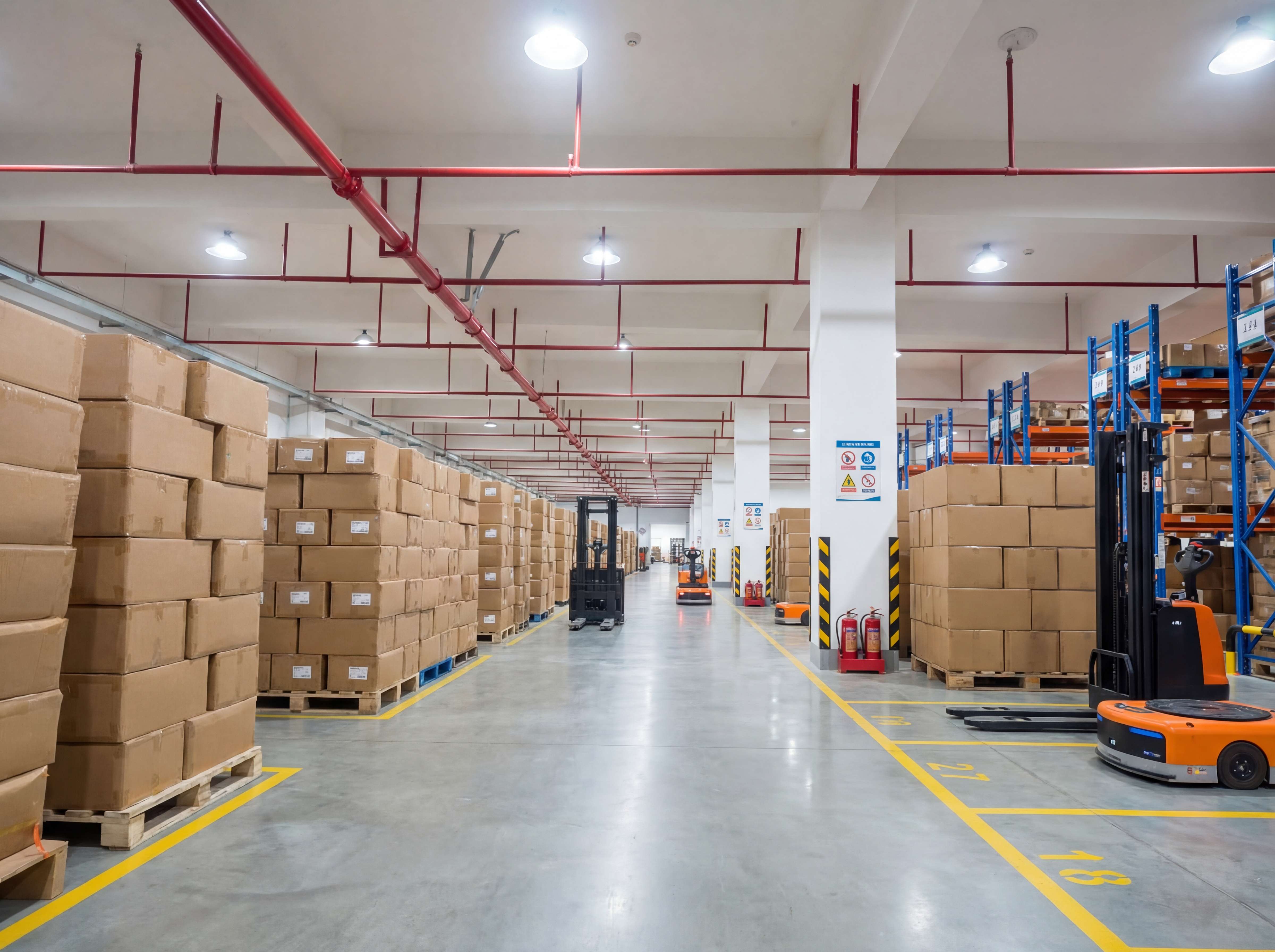
A competent kitchen table exporter must
demonstrate expertise across four domains: material sourcing (species, grade,
certification), joinery engineering (shrinkage compensation, fastener
selection), surface finishing (catalyzed lacquers, UV-cured oils), and logistics
(container microclimate control, edge protection). Unlike local furniture
makers, exporters handle varying humidity conditions from origin (typically
tropical or temperate) to destination (e.g., dry continental or humid coastal).
Failure to account for equilibrium moisture content (EMC) differences results in
claims. Professional exporters invest in:
Kiln-drying facilities – computer-controlled schedules to
reach 6–8% moisture content for export to North America/Europe.
Climate-controlled assembly areas – maintaining 20±2°C and
45±5% RH during manufacturing.
In-line moisture meters – each component measured before
machining and before packing.
Container data loggers – tracking temperature/humidity
during ocean transit.
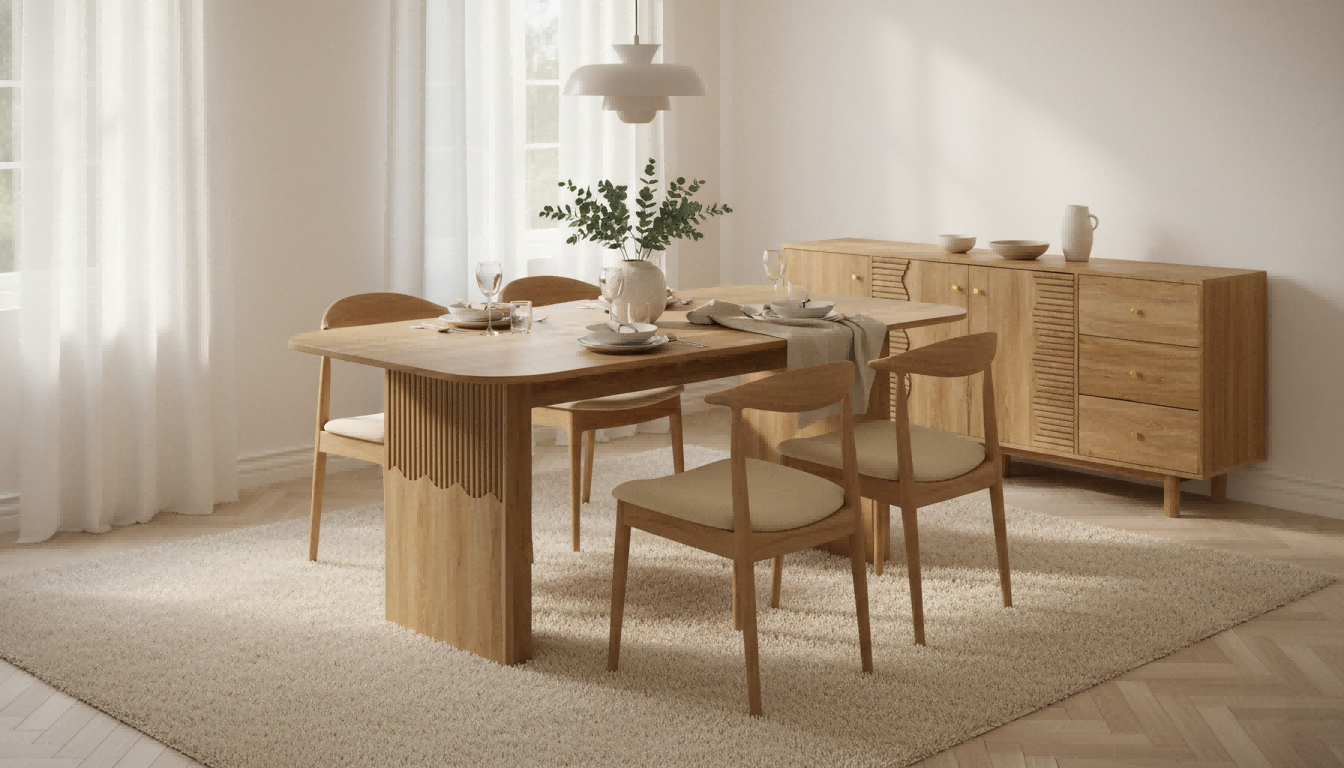
Dining table product lines from Essent Home
are manufactured in a climate-controlled facility with daily moisture audits,
ensuring dimensional stability across seasonal changes.
2. Wood Species Selection and Grade Specifications
The best kitchen table exporter provides clear grade
definitions based on NHLA (National Hardwood Lumber Association) or equivalent
standards. For kitchen tables, common species and their export grades:
Solid oak (European or American) – Grade FAS (First and
Second) for top surfaces; No.1 Common for aprons/legs. Quarter-sawn oak reduces
cupping.
Walnut (Juglans nigra) – Grade FAS with color matching.
Heartwood should comprise >90% for uniform appearance.
Mahogany (Swietenia macrophylla – CITES certified) – Export
requires Appendix II permits. Professional exporters provide chain-of-custody
documentation.
Rubberwood (Hevea brasiliensis) – Widely used for budget
tables. Specify AB grade (minimal pin knots).
Reject exporters that cannot provide moisture content logs and grade
certificates. For solid wood tops, specify that planks are edge-glued with
matched grain and that the maximum width per stave is ≤80 mm to minimize
seasonal movement. Essent Home uses a computerized optical scanner to sort oak
and walnut boards by color and grain before lamination.
3. Joinery Engineering for Shipping and Daily Use
A kitchen table exported overseas undergoes vibration, stacking loads, and
thermal cycling. Standard butt joints with pocket screws fail. Professional
exporters use:
Mortise and tenon – For leg-to-apron joints, minimum tenon
length 40 mm, glued with cross-linked PVA (D3 or D4 classification).
Corner blocks – Hardwood blocks screwed into both apron and
leg, doubling shear resistance.
Table top fasteners – Z-clips or figure-eight fasteners
allowing seasonal wood movement while keeping top flat. Avoid fixed metal
brackets that restrict expansion – they cause splitting.
Extension slides (for drop-leaf or butterfly tables) –
Steel slides with ball bearings and anti-racking mechanism. Test cycles: minimum
10,000 openings.
Verify that all hardware is zinc-plated or stainless steel (304 grade) to
prevent corrosion from container condensation. Essent Home uses self-centering
dowels and corner blocks with pre-installed threaded inserts for field
assembly.
4. Finish Chemistry for Export Durability
Kitchen tables face heat, moisture, and abrasion. The exporter’s finishing
system must withstand these while complying with import regulations (e.g., CARB
Phase 2 or EU Regulation 1272/2008). Three professional finish types:
Conversion varnish (acid-catalyzed) – High chemical and
heat resistance. Requires spray booth and trained applicators. Standard for
commercial kitchens.
Polyurethane (2K water-based or solvent-based) – Good
abrasion resistance. Water-based formulations have lower VOC, preferred for
EU/NA markets.
Hard wax oil (e.g., Osmo or Rubio Monocoat) – Repairable,
natural feel, but less heat resistant. Suitable for residential
tables.
Test requirements: cross-hatch adhesion (ISO 2409) rating 0, abrasion
resistance (Taber test, CS-17 wheel, 500 cycles, ≤50 mg loss), and chemical
resistance (48-hour exposure to 10% citric acid, ethanol, coffee – no
blistering). A reliable kitchen table exporter provides
test reports from accredited labs. Essent Home applies a 5-layer UV-cured
polyurethane finish that achieves 150 g loss on Taber test – exceeding
commercial standards.
5. Packaging Engineering for Sea Freight
Damage in transit often occurs due to poor packaging, not product defects.
Exporters must design packaging for 20 ft or 40 ft containers with stacking
heights up to 2.4 m. Professional specifications:
Corrugated carton – Double-wall (BC flute), burst strength
≥20 kgf/cm². Cartons printed with handling marks (fragile, this side up, keep
dry).
Internal cushioning – 30 kg/m³ expanded polyethylene (EPE)
foam or convoluted polyurethane. Minimum 30 mm thickness on corners and
edges.
Corner protectors – Reinforced cardboard or plastic
L-profiles.
Palletization – Heat-treated (HT) pine pallets meeting ISPM
15 standards. Stretch-wrapped with anti-slip film and strapped with polyester
banding (2 bands per axis).
Desiccant packs – Silica gel or clay desiccant (500 g per
carton) to absorb container sweat.
Ask for a packaging test video: drop test from 30 cm (corner and edge),
vibration test at 2–50 Hz sweep. Essent Home conducts ISTA 3A simulation tests
for all export dining tables.
6. Logistics and Documentation Compliance
A seasoned kitchen table exporter manages
all export documentation to avoid customs delays:
Commercial invoice – Detailed description, HS code (9403.40
for wooden dining tables), country of origin, FOB or CIF terms.
Packing list – Carton dimensions, gross/net weight, piece
count.
Bill of lading – Ocean or air waybill.
Phytosanitary certificate – For solid wood packaging (ISPM
15).
Certificate of origin – For preferential tariff treatment
(e.g., EU-Vietnam FTA, US GSP).
Customs bond – If shipping DDP (delivered duty
paid).
Lead times: 4–6 weeks for production (including finish curing), plus 3–5
weeks ocean freight to North America/Europe. Air freight (2–5 days) is possible
for small orders but adds 3–5× cost. Essent Home provides real-time container
tracking and coordinates with freight forwarders for door-to-door delivery.
7. Quality Control Protocols Before Shipment
Before any container is loaded, a rigorous outgoing inspection (OGI) must be
performed. Sample size: ANSI/ASQ Z1.4 General Inspection Level II, AQL 1.5 for
major defects (cracks, finish peel, wobble) and 4.0 for minor defects (small
scratches, color mismatch). Inspection checklist includes:
Moisture content – Random sampling of 10% of tables,
readings taken on top and underside. Acceptable range: 6–9% for destinations
with average RH 40–60%.
Flatness – Top surface measured with a straightedge (0.5 mm
gap max over 1 m).
Finish hardness – Pencil test (minimum H grade).
Assembly test – Randomly select 5% of tables for full
assembly, checking leg stability and fastener alignment.
Packaging integrity – Carton closure, foam coverage,
strapping tension.
Exporters who cannot produce OGI reports should be avoided. Essent Home
provides a digital quality report with each shipment, including photos and
moisture data.
8. Frequently Asked Questions (FAQ) – Kitchen Table Exporter
Q1: How to verify if a kitchen table exporter uses genuine solid wood
and not veneer over MDF?
A1: Request edge banding detail photos and
core samples. Genuine solid wood tables show continuous grain on the edge and
underside. Veneer over MDF has a thin wood layer (0.5–1 mm) and a homogeneous
core. Also, ask for a cross-section photo of a cut sample from a rejected piece.
Professional exporters like kitchen table exporter Essent Home provide
material declarations signed by a notary.
Q2: What is the typical MOQ (Minimum Order Quantity) for a reliable
kitchen table exporter?
A2: Most professional exporters require MOQ
of 50–100 pieces per design (mixed finishes acceptable). For container
consolidation, some exporters accept MOQ as low as 20 pieces if combined with
other furniture types. Lower MOQ often indicates a trader rather than a factory.
Essent Home offers MOQ 50 pieces for standard designs and 100 for custom
sizes.
Q3: How do I ensure the kitchen table finish complies with my
country’s VOC regulations?
A3: Ask for the Safety Data Sheet (SDS)
and third-party test report for VOC content. For US, CARB Phase 2 or EPA TSCA
Title VI; for EU, EN 16516 limits for formaldehyde. A professional exporter will
reformulate finishes upon request. Essent Home uses water-based polyurethane
that meets EU Ecolabel criteria.
Q4: What causes kitchen table tops to crack after arrival, and how
can the exporter prevent it?
A4: Cracking results from moisture
differential between manufacturing environment and destination. Prevention: (1)
Export kiln-dried wood to 6–8% MC; (2) Finish all surfaces equally (top and
bottom) to slow moisture exchange; (3) Use breadboard ends or slotted fastener
holes to accommodate movement. If an exporter cannot explain their moisture
management process, seek another. Essent Home records MC at each production
stage and provides a graph with each container.
Q5: How are warranty claims handled with an overseas kitchen table
exporter?
A5: Before contracting, review the warranty terms: typical
coverage is 12 months for manufacturing defects (joint failure, finish
delamination) but excludes wood movement cracks (considered normal). A reliable
exporter sets aside 2–3% of shipment value for spare parts (extra legs, top
sections) to replace defective units without full container return. Essent Home
maintains a spare parts inventory in regional warehouses (US, NL, AU) to
expedite replacements.
9. Cost Breakdown and Payment Terms
Transparent pricing from a kitchen table exporter includes:
Ex-works (EXW) – Price per piece (material + labor +
packaging).
FOB (Free on Board) – EXW + inland transport to port +
export clearance + loading.
CIF (Cost, Insurance, Freight) – FOB + ocean freight +
insurance.
Typical payment schedule: 30% deposit upon order confirmation, 70% against
copy of Bill of Lading (or LC at sight). Avoid 100% upfront payments. For first
orders, consider a letter of credit (L/C) to protect both parties. Essent Home
offers third-party escrow services for new clients.
Example FOB price for a solid oak kitchen table (1.6m × 0.9m, 45mm thick top)
ranges from $180–$280 depending on finish and joinery. Add ocean freight
($80–$120 per piece to US West Coast) and duties (3–8% depending on country). A
professional exporter provides a proforma invoice with all cost lines.
10. Selecting Your Long-Term Kitchen Table Exporter
After evaluating technical capabilities, request a sample run (5–10 pieces)
shipped via air. Inspect for:
Consistency of dimensions (±1 mm across pieces).
Color matching between tops and legs.
Packaging cleanliness (no sawdust residue).
Assembly ease (pre-drilled holes align).
Visit the factory if possible, or request a live video tour of the production
line and quality lab. The best exporters welcome audits. Essent
Home invites clients to virtual factory tours and provides
real-time webcam access to its finishing line.
For distributors seeking a reliable partner, a professional kitchen table
exporter offers not just products but supply chain reliability. Poor table
quality leads to returns, chargebacks, and lost retail accounts. Investing time
in supplier verification pays back in lower defect rates and repeat orders.
To receive a supplier evaluation checklist and a customized quote for your
target market, contact the export team at Essent Home. Provide your
required species, dimensions, finish type, and annual volume. We return a
technical proposal with material samples, packaging drawings, and reference
shipment records.
Request
a kitchen table exporter qualification packageSubmit your product
specifications and target import country via the
Essent Home inquiry form. Receive a detailed manufacturing
plan, quality control flowchart, and reference pricing within 3 business days –
including a sample moisture management protocol.