For property developers, hotel procurement teams, and high-end residential
specifiers, the difference between a seamless installation and a logistical
nightmare often begins at the factory. Standard media consoles rarely meet the
spatial, acoustic, or aesthetic demands of curated interiors. This is where a
specialized entertainment center factory becomes a strategic
asset. Such facilities move beyond simple woodworking to deliver integrated
solutions—adjusting load-bearing structures, concealing complex cable
management, and matching custom finishes across hundreds of units. With over a
decade of engineered experience, Essent Home has refined this manufacturing model,
ensuring that every entertainment unit meets the demanding standards of
contemporary architecture.
1. B2B Procurement Pain Points: Why Direct Sourcing from an Entertainment
Center Factory Matters
Global buyers often encounter three persistent challenges when sourcing
entertainment furniture: inconsistent quality across batches, extended lead
times that derail project schedules, and a lack of true design flexibility. A
direct partnership with a vertically integrated entertainment
center factory mitigates each of these issues through controlled
production workflows and transparent communication. For example, large-scale
hospitality projects require identical grain matching and edge profiling across
multiple floors; a factory with in-house CAD-to-CNC processes can replicate
details within ±0.2mm tolerance. Additionally, direct factory engagement reduces
intermediary markups by 18–25%, allowing reinvestment into premium hardware like
soft-close slides and UL-listed power grommets.
Quality consistency: In-line optical inspection stations
and moisture-controlled storage eliminate warping or delamination.
Shorter lead times: Dedicated production cells for
entertainment centers achieve 4–6 weeks for 200+ units, compared to 12 weeks
from distributors.
Material traceability: Full documentation of veneer lot
numbers, adhesive VOC levels, and fire-retardant certifications.
2. Technical Deep Dive: Precision Engineering Behind Modern Entertainment
Centers
An advanced entertainment center factory operates like a technical
design studio combined with a high-speed fabrication hub. The process begins
with 3D laser scanning of the intended wall niche or corner layout, followed by
finite element analysis (FEA) to predict deflection under AV equipment
loads—typically 150–200 kg for a 75-inch television plus electronics. Below are
the key engineering parameters that separate industrial-grade units from retail
fixtures.
2.1 CNC Routing and Joinery Systems
Five-axis CNC routers pre-programmed with proprietary nesting algorithms
reduce material waste to under 8%. Tenon-and-groove joints, reinforced with
cross-laminated dowels, ensure structural rigidity for built-in configurations.
For projects demanding hidden fasteners, the factory employs cam-lock systems
combined with confirmat screws rated for 50+ assembly cycles without
stripping.
2.2 Integrated Thermal Management and Cable Routing
High-performance entertainment centers now incorporate passive ventilation
channels—laser-cut slots angled at 15 degrees to prevent dust ingress while
allowing air exchange for gaming consoles and receivers. Cable management
includes rear-access galleries with removable panels and grommet ports for up to
12 low-voltage wires. Optional active cooling fans with thermostatic switches
are also available for fully enclosed cabinets.
3. Material Science and Custom Finishes for Commercial Durability
Selecting the right substrate and finish directly impacts lifecycle costs in
high-traffic environments. Top-tier suppliers rely on engineered woods like
Baltic birch plywood (13-ply, 18mm) or high-density fiberboard (HDF) with a
density exceeding 880 kg/m³ for screw retention. The table below summarizes
finish solutions offered by professional entertainment center
factory partnerships.
Real wood veneers: Rotary-cut or quarter-sawn white oak,
American walnut, and teak, with UV-cured matte lacquer (abrasion resistance >
600 N).
Polyurethane texturing: Grained or smooth finishes
available in RAL, NCS, or custom Pantone codes; chemical resistance against
alcohol and coffee stains.
Eco-certified options: Waterborne stains with CARB Phase 2
/ TSCA Title VI compliance, plus low-VOC edge banding.
For projects that require fire-rated components, the factory integrates Class
B or Class A fire-retardant MDF certified under ASTM E84, a necessity for
commercial spaces and multi-family housing. Essent Home maintains an inventory of 40+ veneer species and 200+ finish swatches, enabling
rapid prototype matching within 72 hours.
4. Application Scenarios: From Private Theaters to Luxury Hotel Suites
Custom entertainment center factories serve diverse verticals, each with
distinct engineering requirements. Recognizing these scenarios ensures
specifiers choose correct load ratings, accessibility features, and aesthetic
integration.
4.1 Dedicated Home Theaters and Media Rooms
Acoustic transparency is paramount here. The factory designs front panels
using acoustically neutral fabric or perforated metal (28% open area) to hide
speakers while allowing high-frequency transmission. Depth must accommodate
amplifiers and subwoofers, often requiring 550–700mm deep cabinets with
removable rear panels for service access. Integrated IR repeaters and cooling
pathways are standard.
4.2 Large-Scale Hospitality (Hotels & Serviced Apartments)
Hospitality buyers demand modular, durable designs that minimize guest
tampering. Solutions include lockable media compartments, reinforced drawer
slides (75lb capacity), and easy-clean matte surfaces that resist fingerprints.
The factory often produces a standardized core chassis with swappable decorative
fronts, allowing hotels to refresh aesthetics without replacing whole units.
4.3 High-End Residential Developments
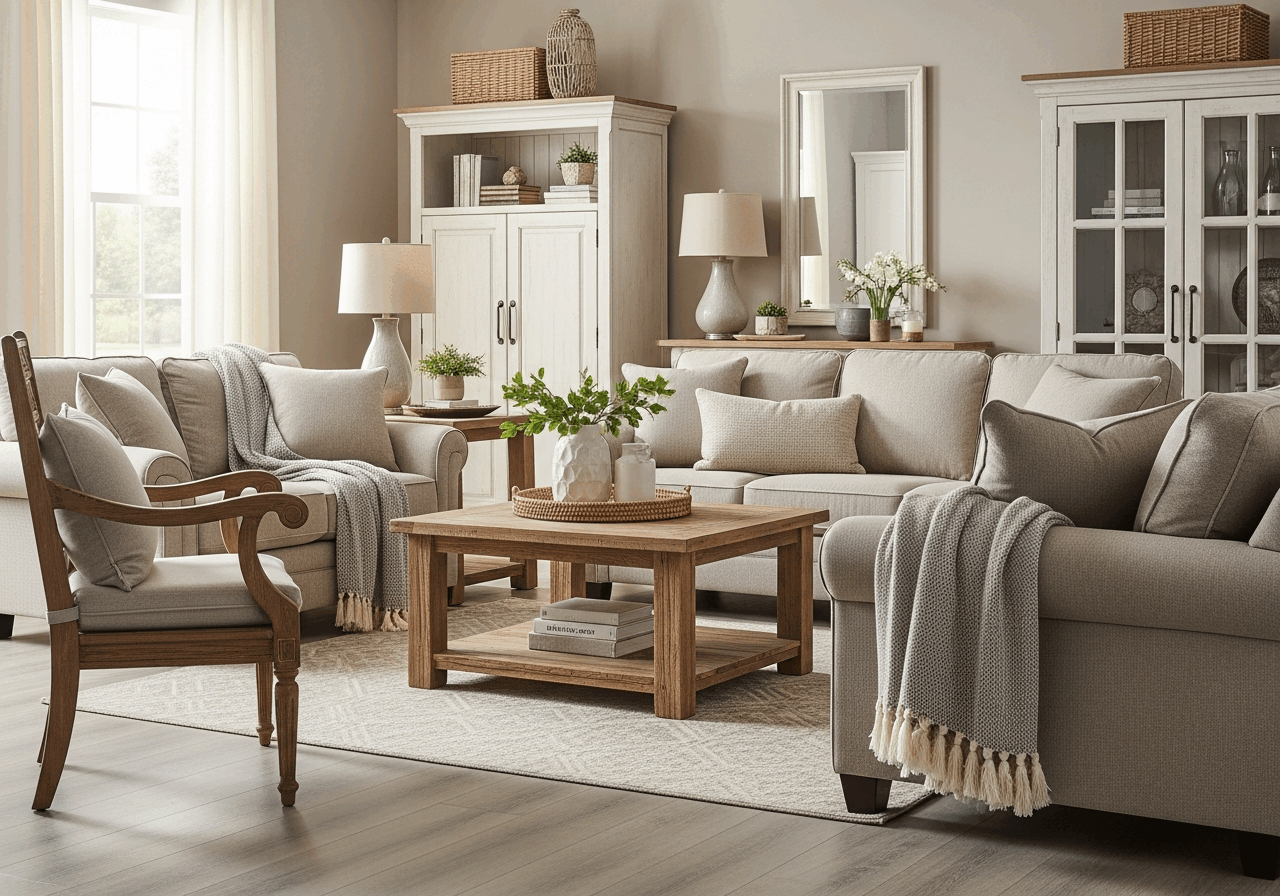
For developers of luxury condominiums, entertainment centers must blend with
millwork and wall paneling. This requires synchronous grain direction across
integrated bookcases, floating shelves, and TV backers. Advanced factories
provide “millwork-ready” components that arrive pre-sanded and edge-profiled,
ready for final site assembly. Material warranty up to 10 years against
structural defects is typical for B2B orders.
5. Quality Assurance, Logistic Integration, and Lifecycle Support
Professional factories go beyond production by implementing end-to-end
accountability. Each order from Essent Home follows a 9-point QC checklist: raw veneer
inspection, CNC nesting validation, assembly torque test, finish adhesion
cross-cut test, hardware function check, packaging drop test (ISTA 3A),
container loading humidity control, and final photo documentation. For
international B2B clients, the factory provides 3D assembly animations and a
spare parts matrix for 5 years post-delivery, reducing costly field
modifications.
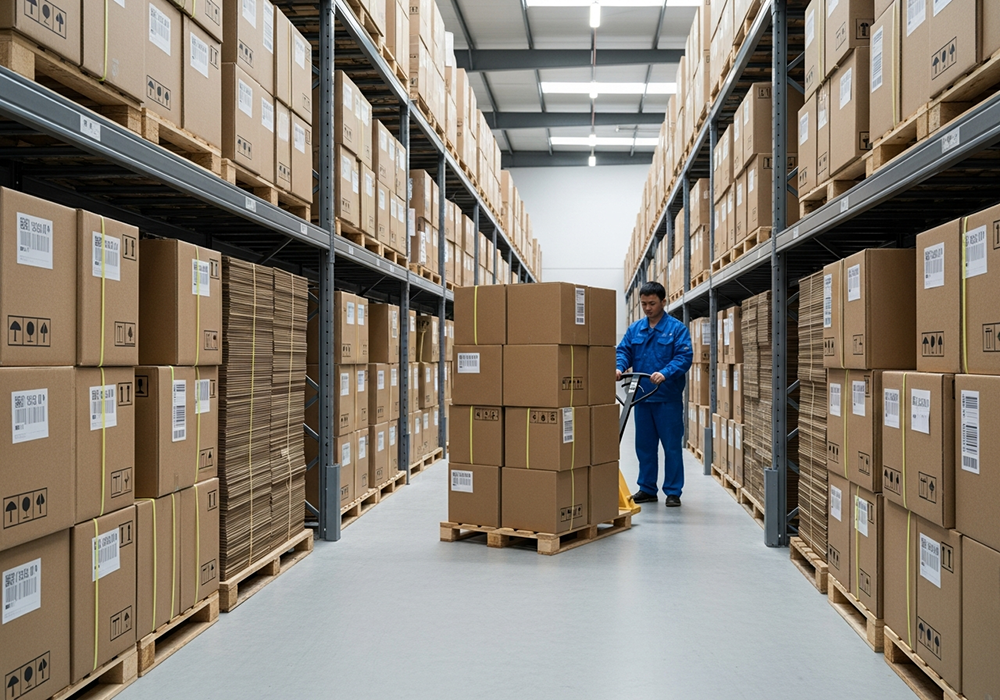
Logistics support includes LCL/FCL container loading with edge protectors,
anti-moisture desiccants, and barcode labeling for SKU tracking. For projects
exceeding 300 units, the factory can dispatch a technician for on-site quality
inspection before installation. This commitment to field-service alignment makes
a dedicated entertainment center factory a partner, not just a
vendor.
6. The Essent Home Advantage: Integrated Custom Manufacturing for Complex
B2B Orders
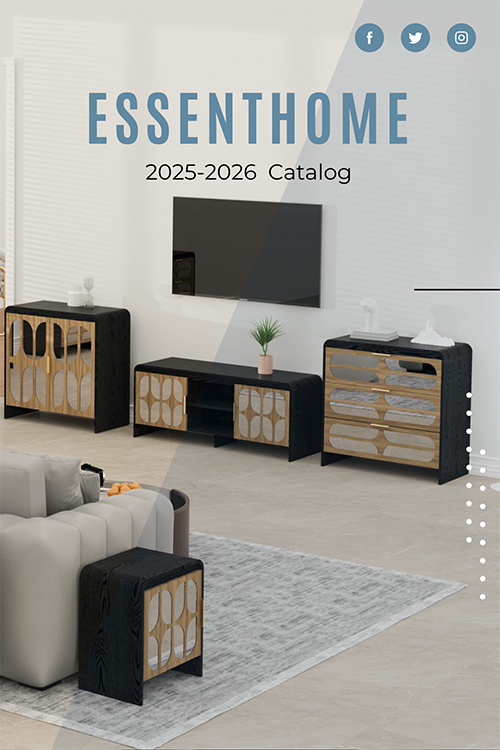
Choosing Essent
Home means collaborating with a facility that exclusively focuses
on high-mix, low-to-medium volume projects where design integrity cannot be
compromised. Unlike mass-producers, Essent Home maintains separate engineering
teams for hospitality, residential, and commercial AV sectors, each well-versed
in regional code requirements (UL/ETL, CE, CCC). The company provides:
In-house metal fabrication for custom brackets, legs, and cable management
trays (stainless steel or powder-coated iron).
Rapid prototyping: 5–7 days for a functional mockup using actual
materials.
Capacity: 800–1200 entertainment center units per month, scalable with a
45-day ramp-up.
IP protection: Non-disclosure agreements and exclusive design ownership for
client tooling.
A recent project for a 5-star hotel chain in Dubai required 220 entertainment
centers with integrated LED ambient lighting and wireless charging pads. Essent
Home delivered precise cutouts for QI modules, pre-installed driver units, and a
failsafe wiring diagram, reducing the client's onsite electrical labor by 30%.
Such performance builds long-term B2B relationships founded on technical
transparency.
Frequently Asked Questions (FAQ) – Custom Entertainment Center Factory
Expertise
Q1: What is the typical minimum order quantity (MOQ) when
working with a direct entertainment center factory?
A1: MOQ varies by factory complexity and customization
level. Most specialized B2B entertainment center factories accept orders
starting from 30–50 units for semi-custom designs (standard sizes, selected
finishes). For fully bespoke engineering (unique shape, integrated electronics,
specialty veneer match), MOQ may be around 15–20 units. Essent Home supports pilot programs as low as 10 units for qualified commercial projects,
allowing clients to test fit and finish before full
rollout.
Q2: How does an entertainment center factory handle UL
certification for integrated power strips and electronics?
A2: Reputable factories only source UL-listed or
ETL-certified power modules from partners like Legrand or Leviton and provide
certification traceability. The factory pre-installs these components into
pre-routed compartments with proper strain relief and thermal gap spacing. A
final assembly inspection checks for grounding continuity and dielectric
strength. The factory can also submit the finished entertainment center for
field inspection if the client requires system-level UL
certification.
Q3: Can the factory match existing millwork from other
brands like RAL or Sherwin-Williams colors?
A3: Yes, advanced finishing labs use spectrophotometers to
read target color and sheen (gloss levels from 10° to 70°). Our
entertainment center factory can produce a 12"×12" sample panel
for on-site approval before production. For wood stains, the team creates a
multi-step recipe including base dye, toners, and topcoats to replicate aged
oak, walnut, or custom cerused effects.
Q4: What packaging standards do you use to prevent damage
during ocean freight for B2B orders?
A4: Professional factories follow ISTA 3E or 3A testing
protocols. Each entertainment center is wrapped in EPE foam (density 25kg/m³),
corner protectors, and a double-wall carton with load-spreading pallets. For
high-humidity destinations, VCI (vapor corrosion inhibitor) paper is added. The
factory can provide a packing trial video upon request.
Q5: How do I verify a factory’s production capacity and
quality management system before placing a large order?
A5: Request three elements: (1) A pre-production sample with
dimension report, (2) Live video tour of assembly lines and QC checkpoints, (3)
Production capacity plan outlining dedicated cells for your project. Essent Home provides remote client dashboards showing real-time order status, material
inspection photos, and weekly quality metric summaries, ensuring complete
transparency.
Q6: What is the typical lead time from approved drawing to
shipment for a custom entertainment center factory order?
A6: After design freeze and deposit, lead time ranges from
30 to 45 working days for an order of 100–200 units. This includes material
procurement (veneer matching), CNC nesting, assembly, finishing (three coats
with drying time), and quality assurance. Express service (20–25 days) is
available with a 15% surcharge for dedicated shift
allocation.
Start Your Project with Engineering-Backed Manufacturing
Consulting with a dedicated entertainment
center factory ensures your design vision translates into
repeatable, code-compliant production without hidden costs. Whether you need a
single high-fidelity prototype or a hotel-wide rollout, Essent Home provides the
technical documentation, material certification, and logistics foresight
required for B2B success. Submit your project specifications—including
dimensions, finish samples, and desired production volume—to receive a detailed
engineering quotation within 48 hours.
Request for Quotation (RFQ): Send
your RFQ to Essent Home’s B2B engineering desk or email directly with your
architectural drawings. Our team prepares a full proposal including sample
schedule, payment terms (30% deposit, 70% prior to shipment), and a long-term
spare parts agreement.
For immediate inquiries, global buyers can request a virtual factory
walkthrough and an interactive 3D configurator demo. Partner with Essent Home and
transform your next media wall, custom built-in, or furniture package into a
precision-engineered asset.