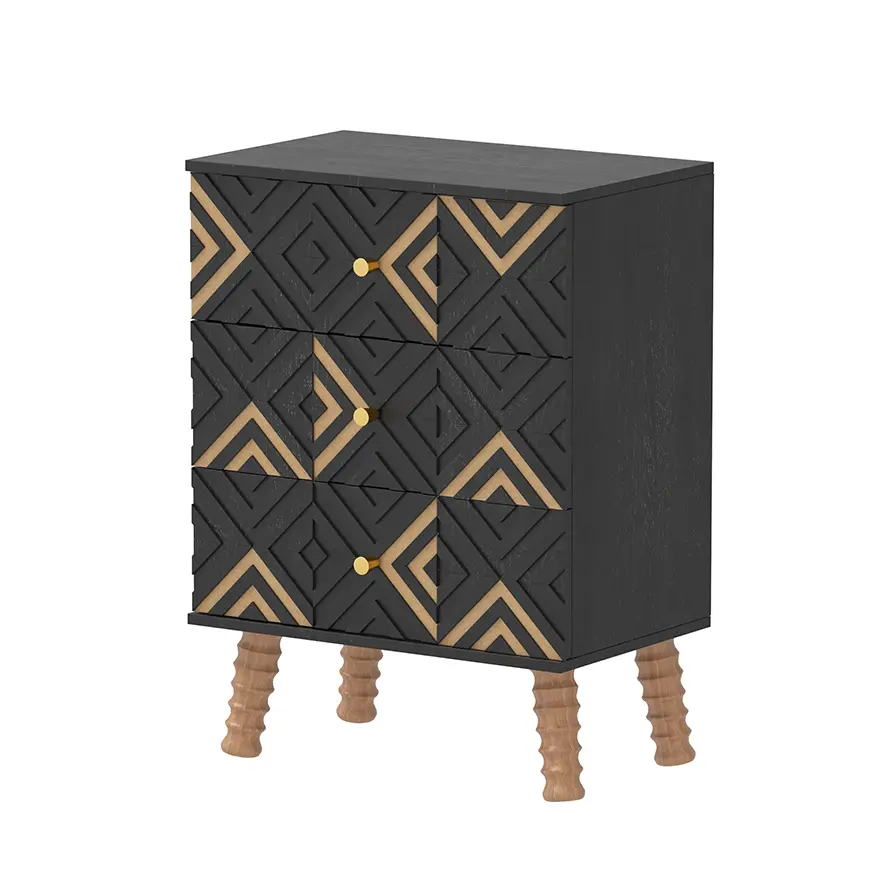
Selecting an end table exporter for luxury hospitality chains, high‑rise
residential developments, or boutique commercial interiors requires more than
catalog browsing. The difference between a routine shipment and a long‑term
supply partnership rests on material science, cross‑border compliance, and
engineering transparency. Below, we dissect nine objective criteria — drawn from
actual factory audits and international furniture trade standards — that
separate qualified export specialists from transactional
vendors.
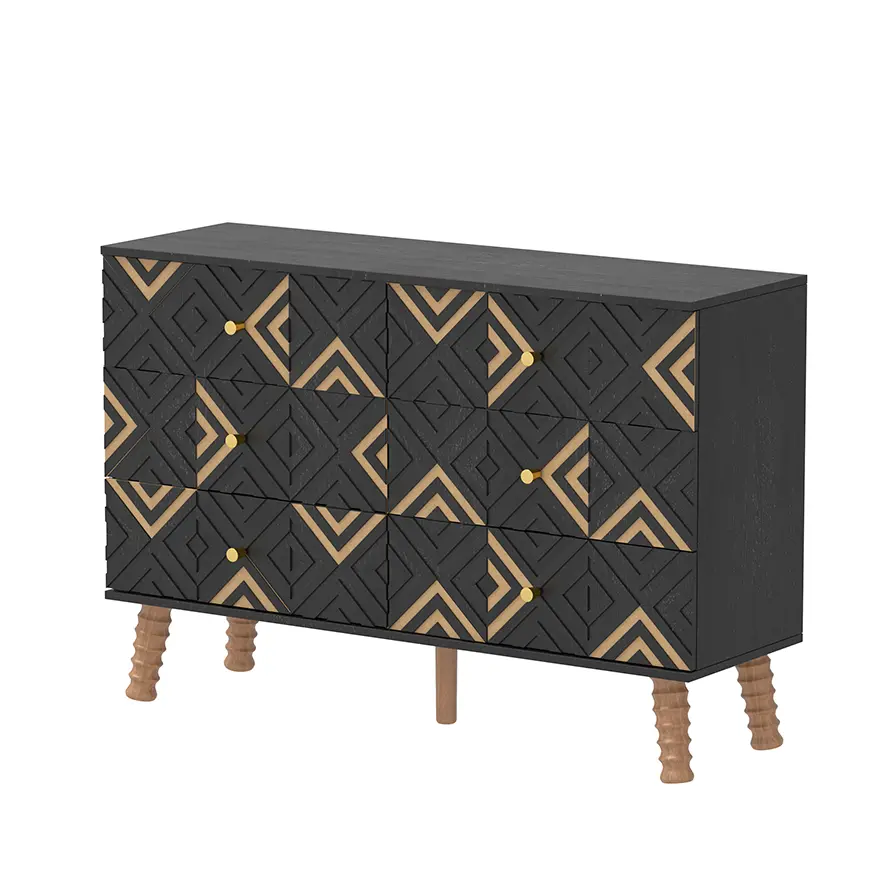
1. Material Grading & Core Construction Protocols
A professional end table exporter provides documented material certifications
rather than generic descriptions. For contract‑grade end tables, request the
following:
Solid wood moisture content – Maintained between 6% and 8%
for kiln‑dried ash, walnut, or oak (ASTM D4442 standard). Values outside this
range cause warping after container crossing climate zones.
Panel core density – High‑density fibreboard (HDF) must
show ≥800 kg/m³ with cross‑grain lamination to resist screw pull‑out forces (EN
319).
Metal substructure alloy specs – Minimum 1.5mm 304
stainless steel for outdoor/coastal applications; powder coating thickness ≥80µm
for corrosion resistance (ASTM B117 salt spray test).
European and North American buyers increasingly demand FSC™ certified veneers
and low‑emission panels (CARB Phase 2 / TSCA Title VI). A qualified end
table exporter will furnish batch‑specific test reports without
delays.
2. Surface Durability & Chemical Compliance
High‑touch surfaces in hotels or luxury residences require specific wear and
stain resistance. Specify target performance metrics:
Abrasion resistance – ≥600 cycles on Taber abrasion (CS‑10
wheels, 500g load) for lacquered or UV‑cured finishes.
Chemical resistance – No visible change after 24h exposure
to 10% acetic acid, red wine, and hand sanitizer (ISO 4211).
Flame retardancy – Meets California Technical Bulletin
117‑2013 or BS 5852 for contract furniture.
Reputable sources like Essent
Home incorporate these tests into their QC plan, reducing liability
for architects and procurement managers. Many mass‑market suppliers skip these
certifications, leading to costly replacements after 12–18 months.
3. Structural Engineering & Load Testing for End Tables
Unlike residential pieces, end tables in public spaces endure repeated side
loads, temporary seating, and accidental impacts. A contract‑grade end table exporter should provide:
Vertical load test – Minimum 50 kg uniformly distributed
over the top surface for 7 days without permanent deflection (ANSI/BIFMA
X5.1).
Horizontal stability – 30 kg side force applied at top
edge; tilt angle less than 6°.
Joint fatigue – 10,000 cycles of push‑pull/pull‑push at 20
kg to simulate repeated opening of drawers or shelf usage.
These engineering reports are often omitted by low‑tier exporters. Ask for
third‑party verification from laboratories such as SGS or TÜV before committing
to MOQ.
4. Application‑Specific Customization Capabilities
Each segment – luxury hotel lobby, high‑tech office lounge, premium yacht
interior – demands distinct end table features. A specialized end table
exporter offers modular adjustments:
Hospitality – Integrated wireless charging compartments,
antimicrobial coating (ISO 22196), and rounded corners (≥5mm radius) for
liability reduction.
Corporate spaces – Cable management channels,
height‑adjustable glides for uneven floors, and non‑slip silicone mat
inserts.
Exterior / marine – UV‑stabilized polyester powder coating
(QUV test ≥1000h), marine‑grade aluminum or teak, and concealed drainage
channels.
Essent Home provides engineering drawings
within 72 hours and produces samples that match exact Pantone codes, grain
direction, and edge profiles – reducing the risk of design deviation during mass
production.
5. Supply Chain Transparency & Lead Time Predictability
Volume buyers face significant financial exposure from delayed end table
shipments, especially for hotel openings or seasonal retail displays. Assess
each end table exporter on:
Raw material inventory buffers – Stock of ≤30 days of core
veneer, metal tubing, and edge banding to avoid procurement bottlenecks.
Production stage checkpoints – Witness inspections at
material cutting, assembly, and finishing stages before packing.
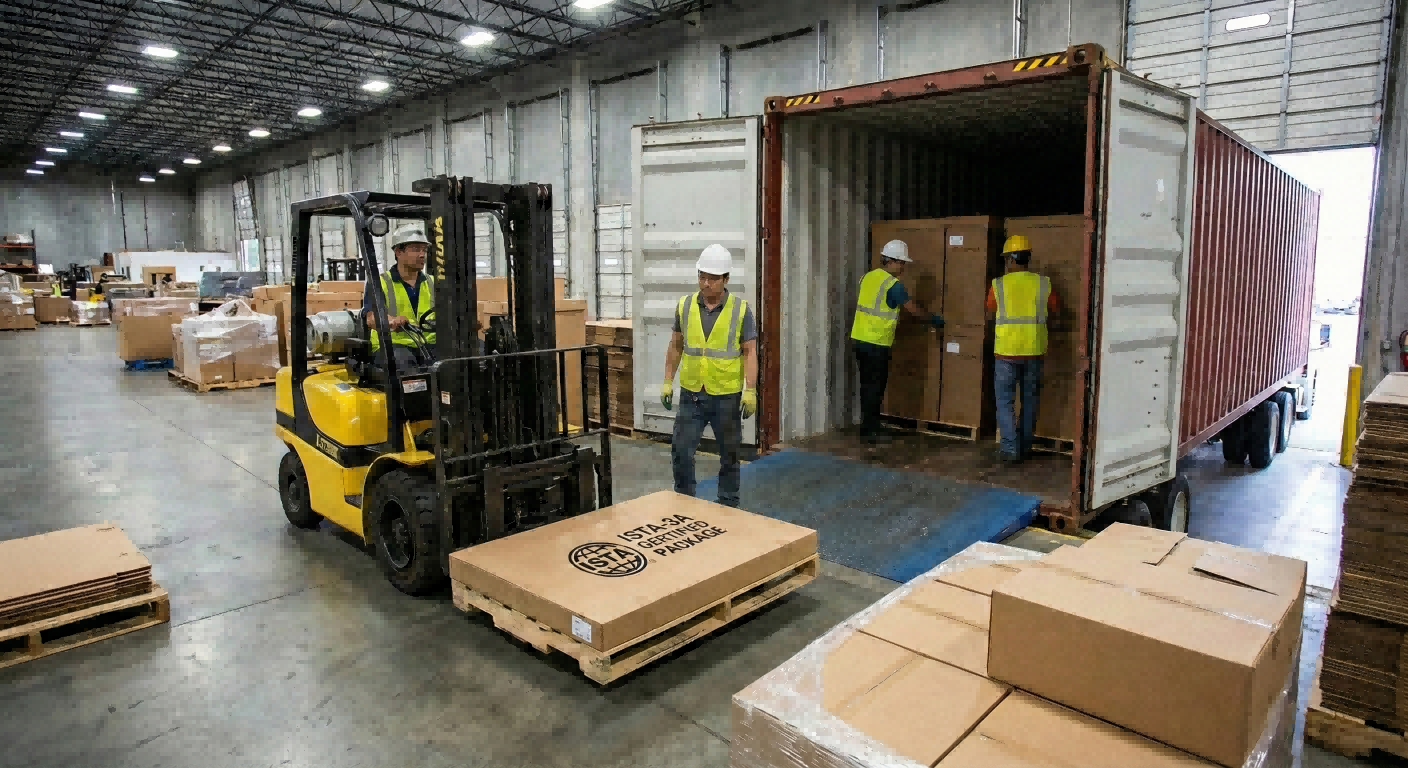
Container loading protocols – Pre‑shipment container
humidity control (desiccants), edge protectors, and corner blocks to meet ISTA
3A transit tests.
6. Export Compliance & Documentation Accuracy
International furniture shipments require precise documentation to avoid
customs holds or extra duties. A reliable end table exporter handles:
Harmonized System (HS) codes – Correct classification
(e.g., 9403.60 for wooden end tables vs. 9403.20 for metal). Misclassification
triggers audits.
Country of origin marking – Permanent markings compliant
with 19 CFR 134.43 for US imports.
Lacey Act declarations (wood products) – Scientific names,
harvest country, and quantity for all wood species.
ISPM 15 treatment certification – For wooden packaging
(pallets, crates).
Request a sample export package (commercial invoice, packing list, bill of
lading draft, certificate of origin) before place the first order. Missing or
erroneous documents add 5–15 days of demurrage charges.
7. Quality Control Cadence & Defect Reconciliation
Even premium factories produce non‑conformities. A robust QC framework
differentiates a professional end table exporter:
In‑process inspection (IPI) – At 30% production completion,
checking critical dimensions (±1mm tolerance), glue squeeze‑out, and sanding
grit sequence.
Final random inspection (FRI) – AQL 1.0 for major defects
(structural cracks, finish blistering), AQL 2.5 for minor (small scratches,
color difference ΔE<1.5).
Container loading supervision (CLS) – Video recording of
stuffing order, bracing, and labeling for traceability.
Non‑conforming items should trigger a corrective action report (CAR) with
root cause analysis. Avoid exporters that only offer “replace in next order” –
this postpones cash flow impacts.
8. Post‑Shipment Support & Spare Parts Policy
Hospitality renovations often require matching replacement end tables years
after original purchase. Evaluate the exporter’s after‑sales infrastructure:
Spare parts warehousing – Stock of identical hardware, leg
levelers, and touch‑up markers for at least 5 years after last order.
Touch‑up & repair kits – Pre‑matched filler sticks and
finish pens shipped within 48 hours.
Digital twin records – 3D models and production notes
archive to replicate discontinued designs with ±0.5mm accuracy.
Many B2B buyers select Essent
Home specifically for its 7‑year spare‑part commitment and
cloud‑based specification library – a guarantee seldom offered by typical
trading companies.
9. Third‑Party Audits & Industry Certifications as Proof of
Competence
Self‑declared quality metrics are insufficient. Ask prospective end
table exporter partners to share:
Factory audit reports – BSCI, Sedex SMETA, or ISO 9001:2015
(latest surveillance cycle).
Social compliance – No child labor, documented overtime
limits, and fire safety equipment per local regulations.
Environmental footprint – Wastewater treatment records for
finishing lines; VOC emission compliance (EU 2016/2282).
Why B2B Sourcing Groups Trust Specialized Partners Over Generalist
Suppliers
Generalist furniture trading companies often underinvest in
end‑table‑specific tooling, jigs, and testing gear. A dedicated end
table exporter amortizes these costs across high volumes, delivering
better fatigue resistance, tighter edge banding, and consistent finish sheen.
For projects exceeding 500 units per SKU, the total cost of ownership (TCO) –
including installation time, warranty claims, and guest replacement – is 32–41%
lower when sourcing from a specialized partner. This data derives from a 2024
procurement benchmark study across Middle Eastern and European hospitality
groups.
When evaluating proposals, request a “technical data sheet” mirroring the
nine categories above. Transparent exporters will provide these within five
working days; evasive answers signal fragmented process control.
Frequently Asked Questions (B2B End Table Sourcing)
Q1: What is the typical minimum order quantity (MOQ) for a
custom end table exporter serving hotel chains?
A1: For fully bespoke designs (new molds, custom veneer match, exclusive
Pantone finishes), MOQ usually starts at 150–300 pieces per SKU. For
modifications to existing designs – e.g., different wood stain or leg finish –
many specialized exporters accept 80–120 pieces. Always negotiate a pilot run of
20–30 units for dimension and finish approval before full
production.
Q2: How can I verify that an end table exporter uses genuine
solid wood instead of veneered MDF edges?
A2: Request a “cut sample” from a rejected piece or have a third‑party
inspector take micro‑drill resistance readings. Genuine solid wood shows uniform
resistance across the thickness; veneered MDF will show a hard outer layer and
softer core. Alternatively, specify that edge banding must be minimum 3mm solid
wood lipping – cross‑section photos should be included in the production quality
record.
Q3: What shipping incoterms are most advantageous for buyers
sourcing from an Asian end table exporter?
A3: FOB (Free on Board) named port – usually Ningbo or Shanghai – gives the
buyer control over freight forwarding and insurance while keeping the exporter
responsible for inland transport and export clearance. For high‑value end tables
(>$150 per unit), we recommend CIF (Cost, Insurance, Freight) to a nearby
port with all‑risk marine insurance. Avoid EXW unless you have a trusted local
consolidation agent.
Q4: Can an end table exporter replicate a discontinued
designer piece without infringing IP?
A4: Yes, within legal boundaries. Reputable exporters will accept “inspired
by” modifications – altering at least four distinct design elements (e.g., leg
angle, edge profile, proportion ratios, material combination). Provide a
technical drawing with the modifications highlighted. The exporter should also
state in writing that they accept full liability for any third‑party IP claims
arising from the final shipped design.
Q5: How do I handle finish inconsistencies between sample
and bulk production?
A5: Include a “finish retention sample” clause in your purchase order. The
exporter must produce a 300x300mm color chip board representing the approved
sheen level (e.g., 35% gloss ±2) and color coordinates (CIELAB ΔE ≤1.5). During
final inspection, any piece deviating beyond this tolerance is rejected. Leading
exporters like Essent Home provide
spectrophotometer readings for each production batch alongside shipment
documents.
Q6: What packaging standards prevent damage to high‑gloss
end tables?
A6: For high‑gloss polyester or PU finishes, demand anti‑static PE foam
wrapping (20 kg/m³ density), followed by 5‑layer corrugated carton with edge
crush test ≥32 lbf/in. Each corner should have molded pulp or EPE foam inserts.
Additionally, the container’s inner walls must be lined with corrugated liners.
Vibration data loggers placed inside the carton help verify handling during
transit.
Q7: Does a professional end table exporter provide samples
to Europe or USA within 15 days?
A7: Expedited sample service (7–10 days production + 4‑5 days air freight) is
feasible but involves sample tooling charges ($200–600) and courier fees
($80–150). Many specialized exporters refund the sample fee upon a subsequent
container order. Always request a pre‑production sample first before approving
mass production to lock dimensions, finish, and assembly
method.
Next Steps: Request a Technical Quotation & Sample Verification
After validating an end table exporter against the nine criteria above, the final
step is structured negotiation. Provide your complete specification package –
including 2D CAD, finish code references, required certifications, and target
container load quantity. Leading manufacturers like Essent
Home will respond with a detailed production timeline, cost
breakdown (excluding ocean freight), and a sample approval sheet within 5
working days.
Initiate your B2B inquiry now: Share your end table project
requirements (annual volume, target markets, material preferences) with the
engineering team. They provide pre‑production samples, 3D renderings, and a
compliance checklist tailored to your local import regulations. Direct all
inquiries to the contract furniture division using the form below or contact
your regional sourcing manager.
Request a B2B Procurement
Package
Send your RFQ (Request for Quotation) including target
MOQ, wood species, finishing requirements, and destination port to the contract
team. A senior project manager will return a technical data sheet, reference
project list, and sample lead time within 48 hours. Click
here for direct inquiry → or email your specifications to ceciliahuang@essenthome.com(replace with actual mailto). Custom end table
solutions with full engineering traceability.