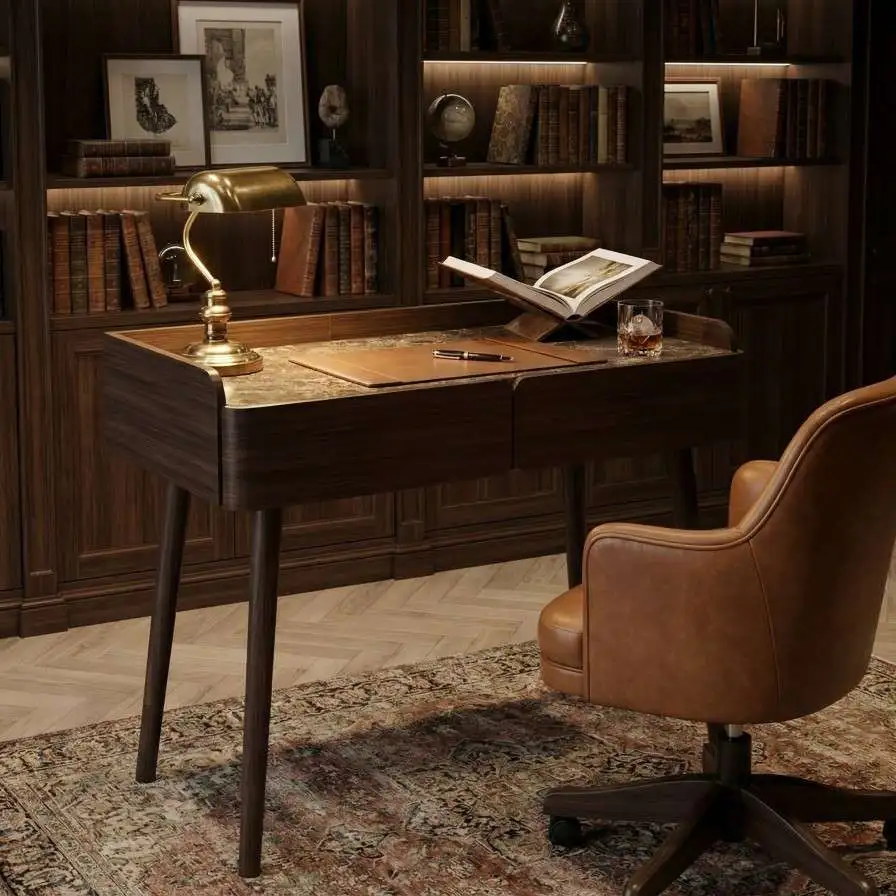
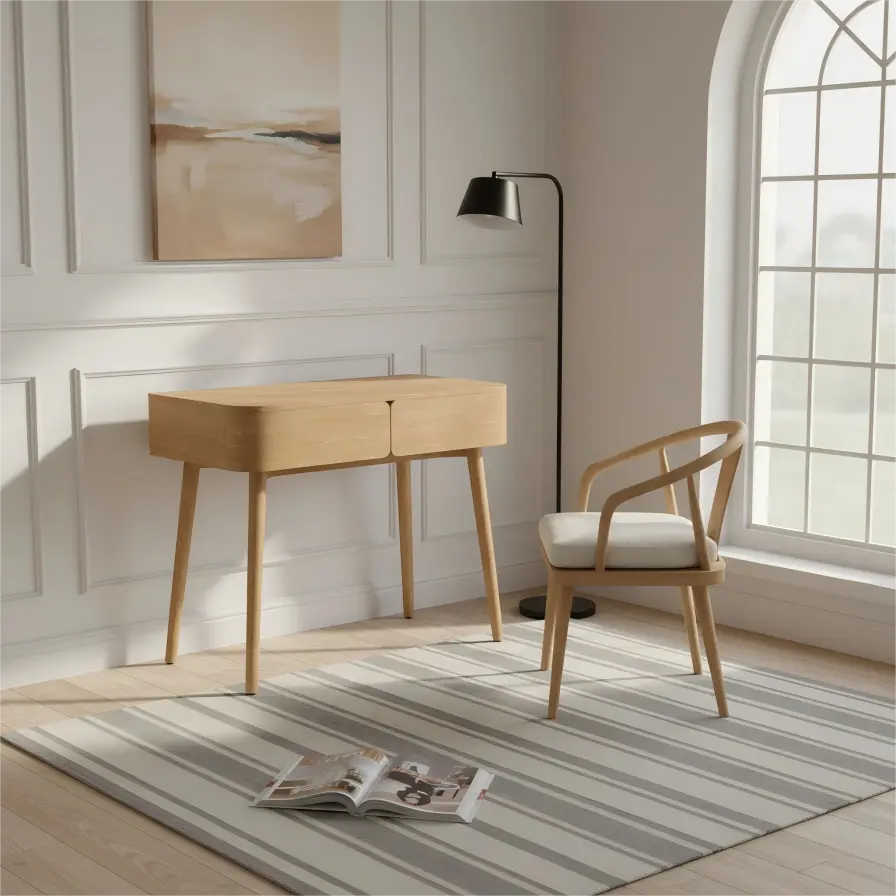
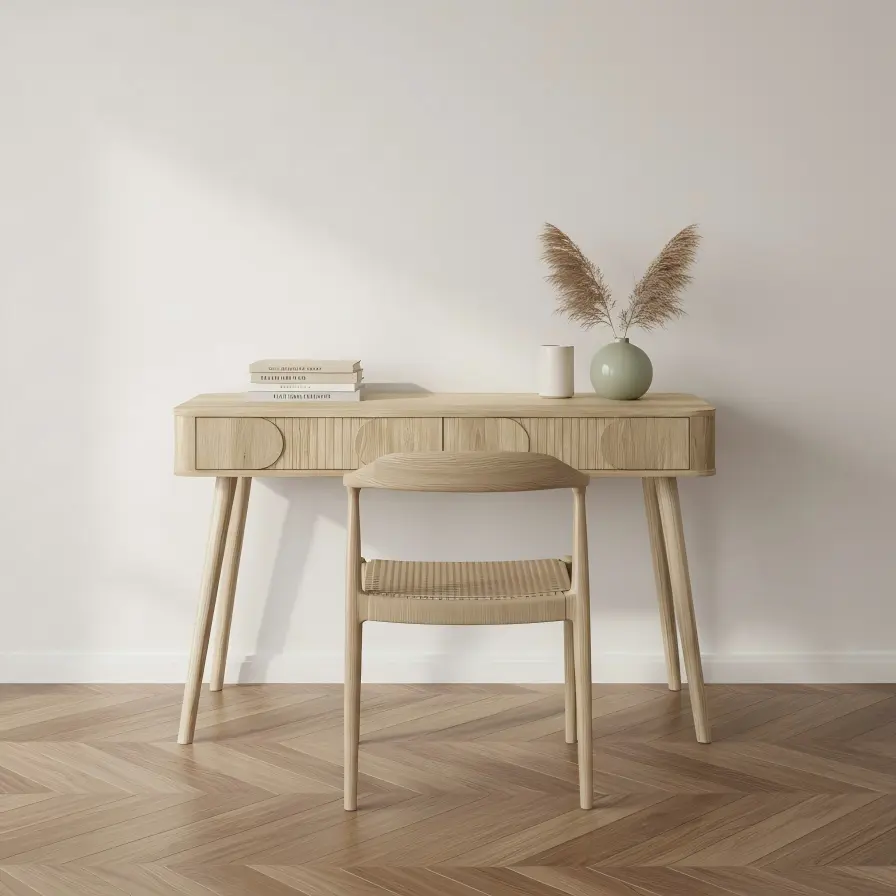
In high-end commercial design and contract furnishing, selecting durable, functional, and aesthetically sophisticated workspace solutions is a primary objective for architects and procurement officers. Office furniture must withstand continuous daily use while reflecting the unique identity of the organization. Within this framework, selecting a competent desks manufacturer represents a pivotal decision that impacts project timelines, quality standards, and structural longevity. Premium brands like Essent Home provide commercial-grade furniture that bridges the gap between architectural vision and manufacturing reality.
Understanding the underlying engineering of office furniture allows specifiers to make informed decisions that avoid premature wear and structural failure. The shift toward collaborative, flexible, and ergonomic workspaces requires a deep knowledge of materials, manufacturing processes, and quality control systems. A professional manufacturer does not merely assemble parts; they engineer systems designed to adapt to diverse commercial environments.
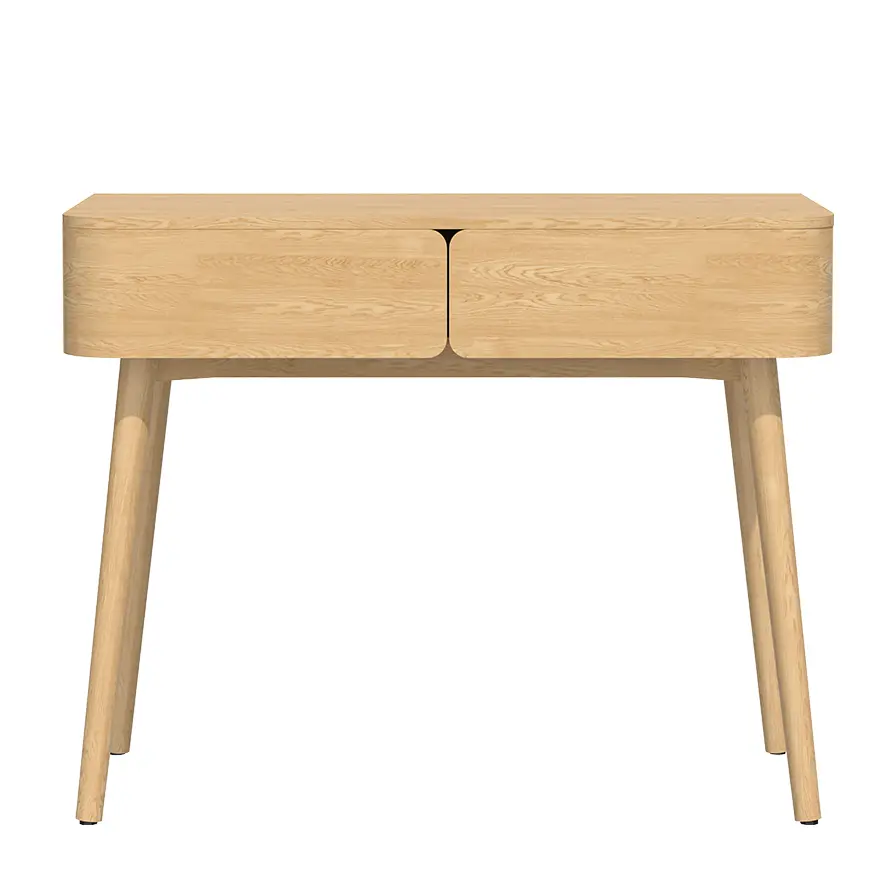
The Core Mechanics of Premium Desk Manufacturing
The distinction between standard residential furniture and commercial-grade desks lies in the structural engineering and raw materials utilized. Commercial spaces experience constant movement, humidity fluctuations, and physical impacts, requiring materials that possess superior stability and density.
Wood Engineering and Material Stability
Solid wood remains the preferred material for executive and premium collaborative spaces due to its tactile quality and longevity. However, raw solid wood is highly susceptible to atmospheric changes. To counter warping, twisting, or splitting, experienced manufacturers subject timber to a precise kiln-drying process, reducing and balancing the moisture content to an equilibrium of 8% to 12%. This specific moisture level prevents natural timber movement once installed in temperature-controlled office environments.
For large-span desks, such as conference tables or expansive executive workstations, structural reinforcement is mandatory. Manufacturers utilize steel tension rods or routed steel U-channels embedded into the underside of the wood tops. These invisible structural components counteract the natural sagging tendency of wood over long spans, ensuring the work surface remains flat throughout decades of use.
Metal Fabrication and Structural Frame Integrity
The supporting understructure of modern desks often relies on heavy-gauge steel or extruded aluminum. High-end production facilities utilize advanced robotic welding and CNC tube-bending machinery to achieve seamless joints and tight tolerances. Structural frames are finished using electrostatic powder coating, cured in high-temperature ovens. This process creates a resilient barrier against impacts, scratches, and chemical cleaners, outperforming liquid paint in commercial environments.
- Janka Hardness Ratings: Selection of wood species with high density (such as oak, walnut, or specialized hard timbers) to resist surface denting.
- Precision Joinery: Utilization of mortise-and-tenon joints combined with high-grade industrial adhesives for wood-to-wood connections.
- Metal-to-Metal Inserts: Threaded steel bushings embedded into the wood tops to facilitate secure, repeatable disassembly and reassembly without stripping the wood fibers.
Addressing B2B Workspace Procurement Pain Points
Procurement professionals and interior architects often face complex challenges when managing furniture specifications for large-scale developments. Delays in communication, inconsistent manufacturing standards, and non-compliance with regional building and safety codes can disrupt project schedules. Relying on a certified desks manufacturer guarantees that production processes align with international quality standards, including BIFMA and EN certifications.
Another persistent challenge is the integration of power and data cabling. Poorly planned wire management leads to cluttered work environments and potential safety hazards. Modern manufacturing addresses this by engineering integrated cable management systems directly into the desk architecture. This includes concealed flip-top power modules, vertical cable risers within the metal legs, and sub-surface wire baskets that keep connections organized and accessible.
Ergonomic standards represent another layer of compliance that contract furniture must satisfy. Fixed-height desks must adhere to standard physical measurements, while height-adjustable options require quiet, dual-motor systems with anti-collision technology to ensure safety in dynamic working environments. Selecting a manufacturer with deep knowledge of these structural and ergonomic requirements mitigates the risk of functional failure post-installation.
Customization Capabilities for High-End Commercial Spaces
Standard off-the-shelf furniture rarely meets the exact spatial and aesthetic needs of bespoke corporate offices. Customization is not merely about changing dimensions; it involves detailed alterations to edge profiles, grain matching, and technological integration. Manufacturers such as Essent Home utilize advanced wood joinery and state-of-the-art veneering techniques to realize complex architectural specifications.
Veneer matching, for example, is an art form that requires strict factory control. Whether specifying book-matching, slip-matching, or radial veneer layouts for circular conference tables, the alignment of natural wood patterns requires high-precision cutting and experienced craftsmen. Additionally, edge treatments—ranging from chamfered profile edges that create a lightweight appearance to solid bullnose edges for high-impact durability—must be tailored to the intended application of the desk.
Embedded technologies represent another key aspect of customization. Premium desks are increasingly specified with recessed surface-mounted wireless chargers, integrated touch-control panels for media systems, and flush-mounted power hubs. A factory equipped with high-precision CNC routing machinery can execute these cutouts with millimeter-level accuracy, ensuring a flush, seamless integration with the surrounding timber surface.
Supply Chain Management and Quality Control Protocols
Consistent output across large production runs requires disciplined supply chain management and rigorous quality assurance steps at every stage of fabrication. A rigorous desks manufacturer maintains control over raw material procurement, ensuring that all solid wood is sourced from sustainably managed forests, carrying certifications such as FSC (Forest Stewardship Council). This level of traceability is highly valued by modern corporations seeking green building certifications like LEED or BREEAM.
Once raw materials arrive at the production facility, they undergo moisture testing and visual grading to exclude knots, mineral streaks, or structural defects that could compromise the final product. During the manufacturing process, random batch testing is executed to verify dimensional accuracy, joint strength, and finish consistency. The table below outlines standard quality control parameters enforced during high-end desk production.
| Production Stage | Quality Control Metric | Acceptable Tolerance / Standard |
|---|
| Lumber Inspection | Moisture Content verification | 8% – 12% equilibrium moisture content |
| CNC Machining | Dimensional accuracy of cutouts and joints | ±0.5 mm variance limit |
| Surface Finishing | Gloss level consistency and scratch resistance | Cross-hatch adhesion testing (ASTM D3359) |
| Structural Frame assembly | Load-bearing and stability evaluation | BIFMA X5.5 structural compliance standards |
| Final Packaging | Drop testing and transit vibration resistance | ISTA 3A packaging protection protocols |
Post-production inspection involves a complete dry-assembly of a percentage of the manufactured batch. This step ensures that all mounting holes align, metal brackets fit perfectly, and the wood components transition smoothly. This physical verification before shipping prevents costly on-site installation adjustments and guarantees a smooth setup process for the local installation team.
Strategic Integration in Architectural and Design Projects
The successful execution of commercial interiors depends on clear communication between the design team and the manufacturing floor. When architects prepare detailed specifications, coordinating directly with an experienced desks manufacturer eliminates design misinterpretations. This collaborative approach allows for the early identification of physical challenges, such as structural support issues on cantilevered surfaces or material limitations under high-traffic usage.
To support this workflow, manufacturers provide comprehensive digital resources, including 2D CAD details, 3D Revit models, and detailed material specification sheets. These digital assets allow designers to integrate furniture pieces into spatial layouts accurately, checking clearances, circulation paths, and electrical access points before placing the order. Prototyping is another valuable service offered for large-scale contract projects, allowing stakeholders to evaluate a physical mock-up of the desk within the actual space to verify aesthetics, comfort, and functionality.
Custom Contract Procurement Services
Corporate workspace design requires deep industry knowledge, flexible production capabilities, and structured project management. Contracting with a reputable desks manufacturer ensures that your custom furniture plans are translated into robust, durable, and highly functional office assets. Whether designing a single executive suite or furnishing multi-floor corporate headquarters, partnering with a manufacturer that controls the process from timber sourcing to final polishing is paramount to success.
To request material samples, review CAD drawings, or discuss customized structural specifications for an upcoming commercial project, contact Essent Home directly. Our engineering team provides detailed design support, material consultations, and transparent manufacturing timelines tailored to professional architectural and procurement requirements.
Frequently Asked Questions
Q1: What are the primary wood species recommended for commercial-grade desks?
A1: High-traffic commercial spaces require dense, stable hardwoods. Oak, walnut, and certified tropical timbers like Curupay are highly recommended due to their high Janka hardness ratings, resistance to denting, and favorable reaction to precision kiln-drying processes.
Q2: How does a professional factory prevent solid wood desk tops from warping over time?
A2: Prevention begins with controlled kiln-drying to achieve an optimal moisture level of 8% to 12%. During fabrication, metal tension bars or structural steel U-channels are routed into the underside of the wood slab, allowing natural wood expansion while maintaining a flat, level workspace.
Q3: What specific certifications should procurement managers look for when sourcing commercial desks?
A3: Procurement teams should look for FSC (Forest Stewardship Council) certification to verify sustainable wood sourcing, and structural certifications like ANSI/BIFMA X5.5, which ensure the desk components have been tested for load capacity, stability, and long-term durability.
Q4: Can power, data, and wire routing be completely customized on large-scale production runs?
A4: Yes. Custom CNC routing allows for precise, flush-mounted cutouts for power modules, wire pathways, and under-desk metal cable trays. These integrations are engineered during the pre-production CAD phase to align perfectly with on-site floor and wall outlets.
Q5: What is the typical lead time for custom commercial desk manufacturing?
A5: Lead times typically range from 6 to 10 weeks, depending on the complexity of the custom specifications, material availability, and production volume. This timeline includes material preparation, machining, surface finishing, and quality control verification.