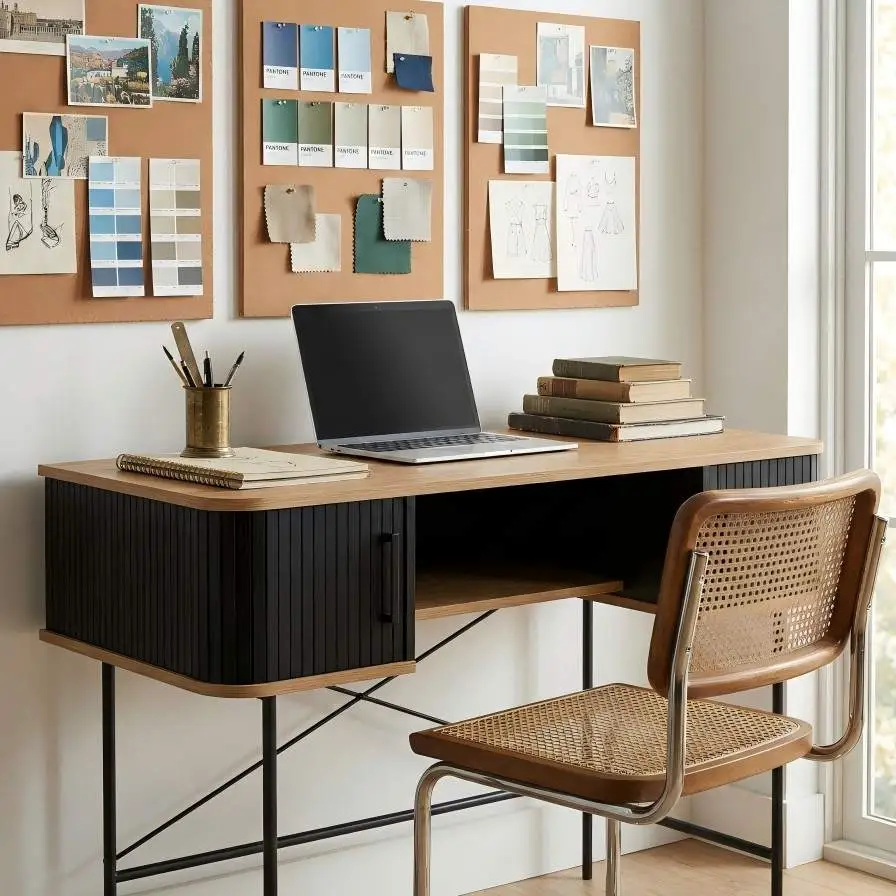
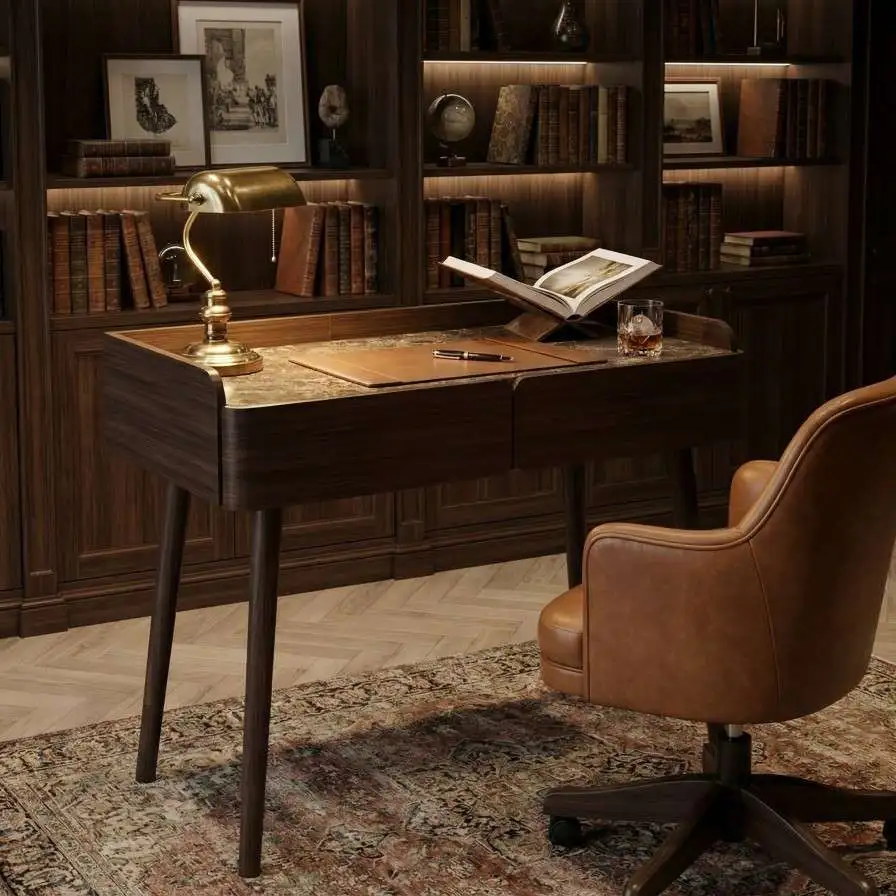
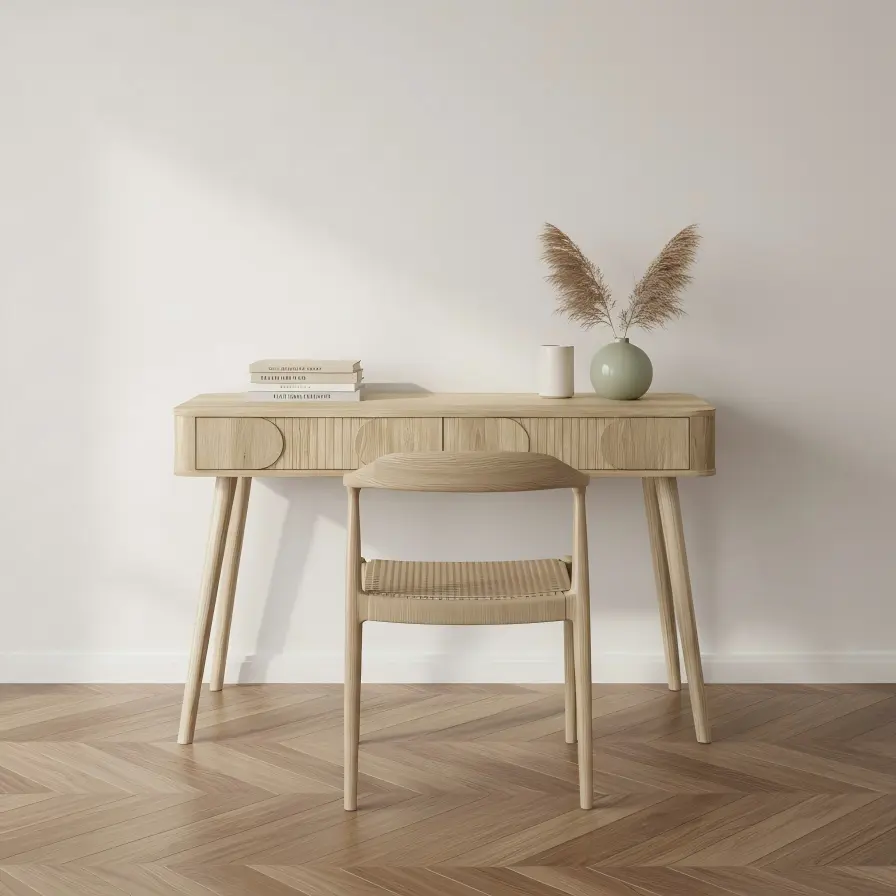
High-end commercial and residential office design requires furniture that marries structural performance with refined design. As businesses transition toward flexible, ergonomic, and aesthetically sophisticated workspaces, procurement officers and interior architects require reliable manufacturing partners. Sourcing high-end office furniture internationally involves navigating complex manufacturing standards, material specifications, and logistics. This analysis explores how an experienced desks exporter addresses these demands while ensuring project timelines and quality metrics are met.
For international buyers, the challenge lies in identifying a manufacturing partner capable of translating architectural designs into physical products without compromising structural integrity. High-end desk production is not merely about assembly; it requires precision in joinery, material selection, and surface treatment. A specialized partner like Essent Home brings deep industrial knowledge to the development of sophisticated workspace solutions, ensuring every piece matches the exacting standards of luxury corporate environments.
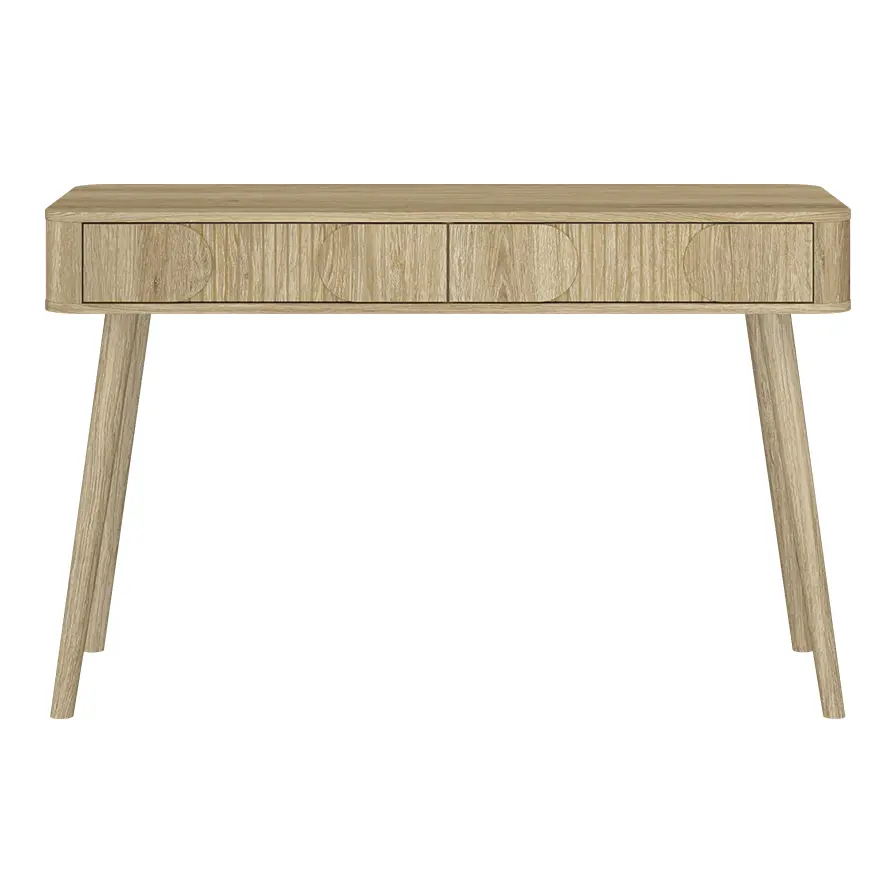
1. Compliance, Standards, and Material Selection in Export-Grade Desks
Selecting materials for high-end office furniture requires balancing visual appeal with structural durability. Commercial desks must withstand prolonged daily use while maintaining their physical form and surface finish. Consequently, the material selection process is governed by strict parameters, particularly regarding moisture content, emission levels, and mechanical resistance.
Material Engineering and Durability
Standard furniture manufacturing often relies on low-density particle boards that are prone to sagging and moisture absorption. Premium manufacturers utilize high-density fiberboard (HDF) or multi-layered marine plywood to form the core of veneered executive desks. These substrates offer superior screw-holding capacity and resistance to deflection under heavy loads. For an international desks exporter, ensuring that the moisture content of the wood core is stabilized between 8% and 12% is imperative to prevent warping, cracking, or veneer splitting when the furniture is transitioned to different climates.
Environmental Certifications and Surface Treatments
International imports are subject to stringent chemical and emissions standards. Premium commercial furniture must meet CARB (California Air Resources Board) Phase 2 compliance or European E1/E0 formaldehyde emission standards. The coatings applied to wood surfaces are equally significant. High-end desks feature water-based polyurethane or UV-cured lacquers that emit minimal volatile organic compounds (VOCs). These advanced coatings protect wood surfaces from tea, coffee, and ink stains while preserving the natural grain texture of premium veneers such as American Walnut, White Oak, or figured Eucalyptus.
2. Advanced Customization: Bridging CAD Blueprints and Manufacturing
Commercial design projects rarely permit off-the-shelf furniture solutions. Large-scale executive suites, conference rooms, and open-plan offices require bespoke dimensions, custom shapes, and functional integrations. A professional desks exporter must maintain a robust Original Design Manufacturing (ODM) and Original Equipment Manufacturing (OEM) workflow.
The manufacturing process begins with the translation of architectural drawings or Revit models into production-ready shop drawings. During this phase, structural engineers at Essent Home analyze load distribution, leg positioning, and joint reinforcement. The inclusion of internal steel subframes is often necessary for expansive executive desks to ensure stability without requiring unsightly central support legs.
Integration of Smart Office Infrastructure
Modern workspaces demand seamless connectivity. Premium desks are no longer simple wooden tables; they are hubs for digital interaction. High-grade desk production incorporates advanced wire management systems, including:
- Concealed wire raceways integrated within solid wood or metal legs.
- Flush-mounted CNC-routed power grommets with matching veneer lids.
- Integrated wireless charging coils routed beneath the veneer surface, allowing devices to charge through the wood.
- Under-desk soft-closing drawer units with biometric lock integrations.
By engineering these features directly into the structural core, a specialized desks exporter provides clients with clutter-free workspaces that maintain clean architectural lines.
3. Quality Control Protocols in High-End Desk Manufacturing
Quality assurance in export-grade furniture manufacturing is a multi-step process that spans from raw material reception to final packaging. Because overseas transit involves significant handling and climate variance, zero-defect manufacturing is necessary to prevent costly claims and delays.
The process of quality control involves several key phases:
- In-Line Moisture Testing: Testing every timber batch to ensure equilibrium moisture content before machining.
- Veneer Matching Inspection: Ensuring consistent slip-matching, book-matching, or radial-matching across adjacent desk panels to guarantee visual harmony.
- CNC Precision Joinery: Utilizing multi-axis CNC machines to achieve tolerances below 0.1mm, ensuring flawless assembly of mortise-and-tenon joints, dowels, and German-engineered connection hardware (such as Häfele or Blum).
- Dry-Assembly Phase: Fully assembling every desk on the factory floor prior to finishing. This step verifies that all cable passes align, drawers glide smoothly, and structural connections are perfectly square.
A meticulous quality control protocol is what distinguishes an elite desks exporter from volume-driven competitors. By identifying and correcting minor deviations prior to packaging, manufacturers ensure that on-site installation proceeds without requiring field adjustments.
4. Packing Engineering and Maritime Protection
The journey from the factory floor to an international commercial building exposes furniture to physical stress, vibration, and extreme humidity. Poorly packaged furniture often arrives with crushed corners, scratched surfaces, or moisture damage, causing severe disruptions to project handovers.
To mitigate transit risks, the packaging methodology must be engineered with the same level of precision as the furniture itself. Heavy-duty desk components are packed using a multi-layer protective system:
- Primary Layer: Non-abrasive polyethylene foam wrapping to prevent surface friction and micro-scratches on polished finishes.
- Secondary Layer: Custom-molded high-density expanded polystyrene (EPS) corner protectors to absorb impact during loading and unloading.
- Tertiary Layer: Five-ply double-wall corrugated shipping cartons with high edge-crust test (ECT) ratings.
- Structural Outer Layer: For high-value executive desks or fragile stone-inlaid work surfaces, ISPM-15 certified heat-treated wooden crates are constructed to shield the carton from external pressure.
Furthermore, maritime containers are subject to internal condensation, often referred to as "container rain." Experienced exporters place industrial-grade silica gel desiccant bags within every package and seal the outer carton in plastic film. This preventative measure ensures that moisture-sensitive wood veneers remain stable throughout long ocean voyages. The protective packaging methods engineered by Essent Home secure shipments against these extreme environmental variables, ensuring they arrive at their destination in pristine condition.
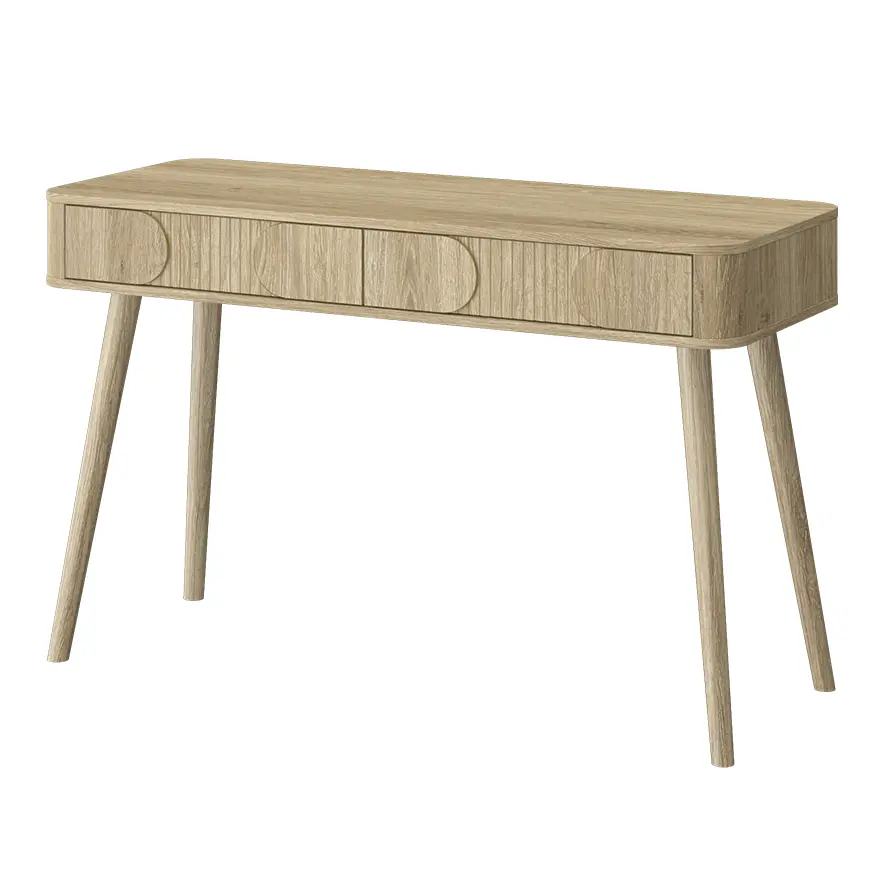
5. Streamlining the Sourcing Pipeline for B2B Clients
For procurement managers, contract furniture dealers, and commercial developers, successful sourcing relies on communication, accurate lead times, and comprehensive documentation. Managing an international supply chain requires a partner who understands the legal and logistics landscapes of different regions.
A professional exporter provides complete transparency throughout the manufacturing cycle. This transparency includes detailed production timelines, weekly progress reports, and pre-shipment inspection videos. Additionally, accurate customs documentation—such as Certificates of Origin, Lacey Act declarations for wood species, and detailed packing lists—is provided to prevent customs holds at port entries.
By coordinating production schedules with construction or interior fit-out timelines, a professional supplier ensures that shipments arrive neither too early (incurring storage fees) nor too late (stalling the hand-over). This level of professional service minimizes administrative burdens and allows developers to focus on on-site coordination.
6. Frequently Asked Questions
Q1: What wood species and finishes are recommended for premium corporate desks?
A1: High-end corporate desks typically utilize premium hardwood veneers such as American Walnut, European Oak, Ash, and Eucalyptus. For executive spaces, book-matched natural veneers are finished with low-sheen, scratch-resistant polyurethane coatings or natural oils to highlight the wood’s organic grain while protecting it from moisture and scratches.
Q2: How do your manufacturing facilities comply with international environmental regulations?
A2: All raw materials are sourced from responsibly managed forests, conforming to FSC (Forest Stewardship Council) guidelines. The core materials, including high-density MDF and multi-layer plywood, meet CARB Phase 2 and European E1 emission levels, ensuring minimal formaldehyde emission in enclosed office spaces.
Q3: Can your engineering team integrate custom power and data configurations into existing desk designs?
A3: Yes, custom power, data, and cable management integration are standard capabilities. We modify shop drawings to accommodate localized socket types, HDMI, USB-C, wireless charging pads, and motorized flip-up connectivity boxes based on the electrical plans of your project.
Q4: What is the average production lead time for a custom commercial desk order?
A4: For standard custom orders, the production timeline typically ranges between 35 to 45 days after the final approval of shop drawings and material samples. Large-scale contract projects may require staged production schedules to align with the construction phases of the building.
Q5: How does your facility ensure color and texture consistency across a multi-phase furniture order?
A5: To maintain aesthetic consistency across large orders, we select veneers from the same log flitch for adjacent desks. For multi-phase projects, we preserve master color control samples and match the lacquer formulation using digital spectrophotometers to minimize color drift between production batches.
Initiate Your Workspace Sourcing Project
Selecting the right manufacturing partner is key to delivering sophisticated, functional, and durable workspaces. If you are managing a high-end corporate office development, a boutique commercial project, or seeking a reliable contract manufacturing partner for your furniture brand, we invite you to connect with our design team. Submit your layout blueprints, CAD drawings, or material specifications to receive a detailed engineering review and competitive manufacturing proposal.