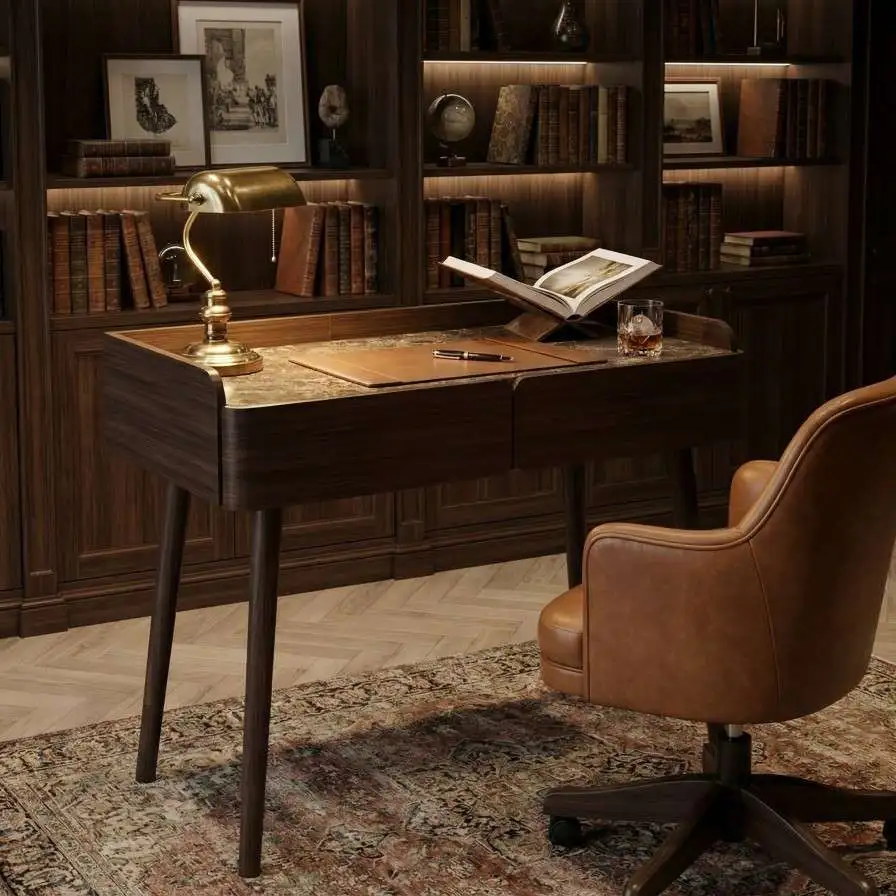
Engaging a desks OEM partner represents a strategic decision for furniture brands, architecture firms, and procurement specialists who require consistent product quality, scalable manufacturing, and design adaptation capabilities. Unlike off-the-shelf desk purchases, OEM relationships involve co-development of specifications, proprietary design integration, and production processes aligned with the clients market positioning. The distinction between a supplier that merely fabricates and one that actively participates in engineering and quality assurance defines the success of large-scale furniture programs.
Commercial desk procurement typically involves volumes that exceed standard inventory capacities, demanding manufacturing systems capable of handling batch sizes ranging from hundreds to thousands of units without compromising finish consistency or assembly precision. The desks OEM landscape includes specialized workshops, mid-volume panel-processing factories, and high-capacity automated lines, each with distinct capabilities regarding material handling, edgebanding, and surface coating. Understanding these production architectures helps clients match their requirements to the appropriate manufacturing partner.
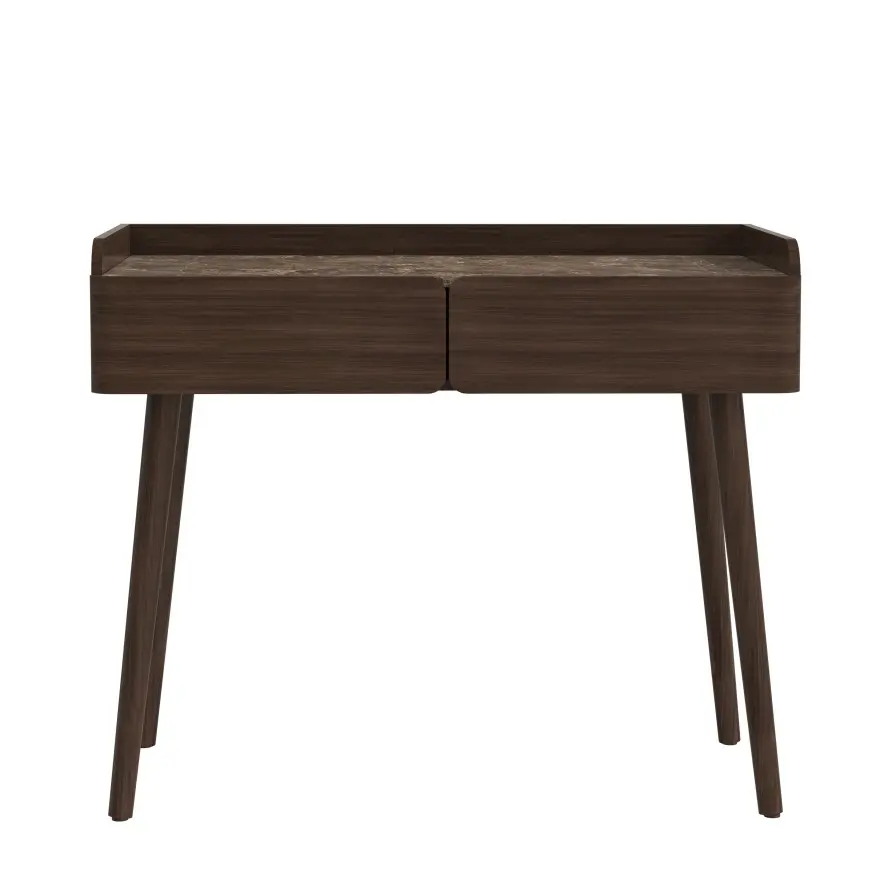
Structural Engineering and Material Selection in Desks OEM Production
The engineering phase of an OEM desk program establishes the foundation for performance, durability, and assembly efficiency. Structural integrity under load, resistance to deflection, and stability over extended use periods depend on core material choices and frame design. While particleboard and medium-density fiberboard (MDF) remain common substrates for desktops, higher-spec programs increasingly specify moisture-resistant core materials, multi-layer plywood, or engineered wood composites with enhanced screw-holding strength and reduced warping tendencies.
Frame systems—whether fixed-leg, height-adjustable, or cantilever—introduce additional engineering considerations. The interface between the desktop and the frame requires precise machining of threaded inserts, alignment dowels, or captured nuts, depending on the assembly method. OEM suppliers must accommodate variations in frame designs without requiring retooling for each new order. Modular frame architectures, where leg assemblies and crossbars are designed to accept multiple desktop sizes and shapes, offer flexibility while maintaining production efficiency.
- Core material selection: E0/E1 grade particleboard for standard applications; moisture-resistant HDF for humid environments; high-density birch plywood for heavy-duty workstations.
- Edging and impact resistance: PVC edgebanding (2–3mm) for standard durability; ABS or PP for higher impact zones; veneer or solid wood edges for premium aesthetics.
- Frame-to-top fastening: Threaded inserts with machine screws provide greater torque retention than wood screws, essential for desks that undergo multiple assembly-disassembly cycles.
Surface Treatment and Coating Systems
Desk surfaces in commercial environments face constant interaction with writing instruments, beverages, cleaning agents, and UV exposure through windows. The coating system selected during OEM production directly affects stain resistance, scratch hardness, and color retention. Melamine-impregnated decorative papers bonded under heat and pressure offer robust resistance to everyday wear, while polyurethane (PU) or polyester lacquers deliver a higher gloss level and superior depth of color. For programs specifying natural wood veneer, a multi-layer UV-cured or conversion varnish provides the clarity and protection demanded by premium office interiors.
The application process itself influences final quality. Inline roller coating systems ensure consistent film thickness and faster curing, while spray application allows for more complex shapes and edges. OEM facilities with closed-loop climate control in their coating lines reduce defects from airborne particulates and humidity variation, achieving first-pass yield rates above 95% for critical finishes.
- Melamine panels: Available in a wide range of solids, woodgrain, and abstract patterns; scratch resistance measured by the ISO 4586 test method.
- Lacquer finishes: High-gloss polyester systems offer reflectivity values above 90%, but require dust-free spray booths and extended curing ovens.
- Veneer matching: Book-matched or slip-matched veneer layups require careful log selection and slicing orientation to minimize colour variation between production batches.
Material selection and surface treatment are not independent decisions; they interact with the desktop geometry. Profiled edges, curved front faces, or integrated cable management channels impose constraints on both substrate forming and coating application. OEM partners with in-house CNC machining and edge-profiling capabilities reduce the need for secondary operations, shortening lead times and improving dimensional accuracy.
Production Flow and Quality Assurance for Desks OEM Orders
An effective OEM production system follows a sequential workflow from panel layup to final packaging, with quality gates at each stage. The process begins with material conditioning, allowing panels to acclimatize to the factorys ambient conditions—reducing post-assembly warping caused by moisture differentials. Next, CNC panel saws cut components to precise dimensions, with tolerances typically held to ±0.5mm for standard work and ±0.2mm for high-precision programs.
Edgebanding follows immediately after cutting, before any drilling or routing, to prevent edge damage during subsequent handling. Modern edgebanders apply adhesive, trim flush, and buff the edge in a continuous sequence, achieving seamless joints even on 3mm thick edges. Drilling operations for inserts, cable ports, and fastening points are then performed on dedicated point-to-point boring machines, using templates or programmatic coordinates derived from the clients 3D models.
Frame fabrication—if included in the OEM scope—involves cutting, welding (for steel bases), or bending (for tubular designs), followed by powder coating or electroplating. Quality checks at this stage include dimensional verification, welding seam inspection, and coating adhesion testing. Assembly and packaging occur in the final stage, with each unit packed with appropriate corner protectors, edge guards, and moisture-barrier wrapping to withstand container shipping and warehouse storage.
- In-process dimensional checks: Laser measurement systems on cutting lines provide real-time feedback, automatically rejecting out-of-tolerance panels.
- Adhesive integrity testing: Peel tests on edgebanded samples verify bond strength; temperature cycling tests simulate extreme logistics conditions.
- Final assembly audit: A sample of fully assembled desks undergoes stability and load tests (e.g., EN 527 or BIFMA X5.5 standards) before release.
Packaging design for OEM desk programs often receives insufficient attention, yet it directly affects in-transit damage rates and unpacking efficiency at the final destination. Flat-pack designs with pre-attached dowels and captured screws reduce assembly time, while moulded foam or honeycomb cardboard inserts protect corners and edges. OEM suppliers with in-house packaging engineering can optimize carton dimensions for container utilization, reducing shipping costs while maintaining protection levels.
Integration of Cable Management and Connectivity Features
Contemporary desk users require integrated power, data, and cable routing solutions. OEM programs now routinely include pre-cut grommet holes, underside cable trays, and pop-up power modules as standard options. The integration of these features during manufacturing—rather than as aftermarket add-ons—ensures alignment with the desks structural elements and preserves the clean aesthetic desired by designers.
Technical challenges arise from coordinating the placement of cable entries with the internal frame components. For height-adjustable desks, the cable management system must accommodate a full range of motion without strain on electrical cables. OEM suppliers with experience in motorized desk production incorporate dedicated cable chains or spring-loaded cord spools that keep cables secure throughout the travel range. Similarly, desks with integrated wireless charging pads require precise recesses and heat dissipation considerations, demanding close collaboration between the OEM and the electronics component supplier.
- Grommet locations: Typically positioned 100–150mm from the back edge, spaced to accommodate two to three cable bundles.
- Cable tray material: Perforated steel or ABS plastic; trays should be removable for access and cleaning.
- Power module compatibility: Universal sockets (EU, US, UK) or USB-A/C ports require specific cutout shapes and depth clearances.
As workplace technology evolves, the ability to adapt desk designs for new connectivity standards becomes a competitive advantage. OEM partners that maintain modular design architectures—where cable management and power modules can be swapped without redesigning the desktop or frame—offer clients longer product life cycles and reduced obsolescence risk.
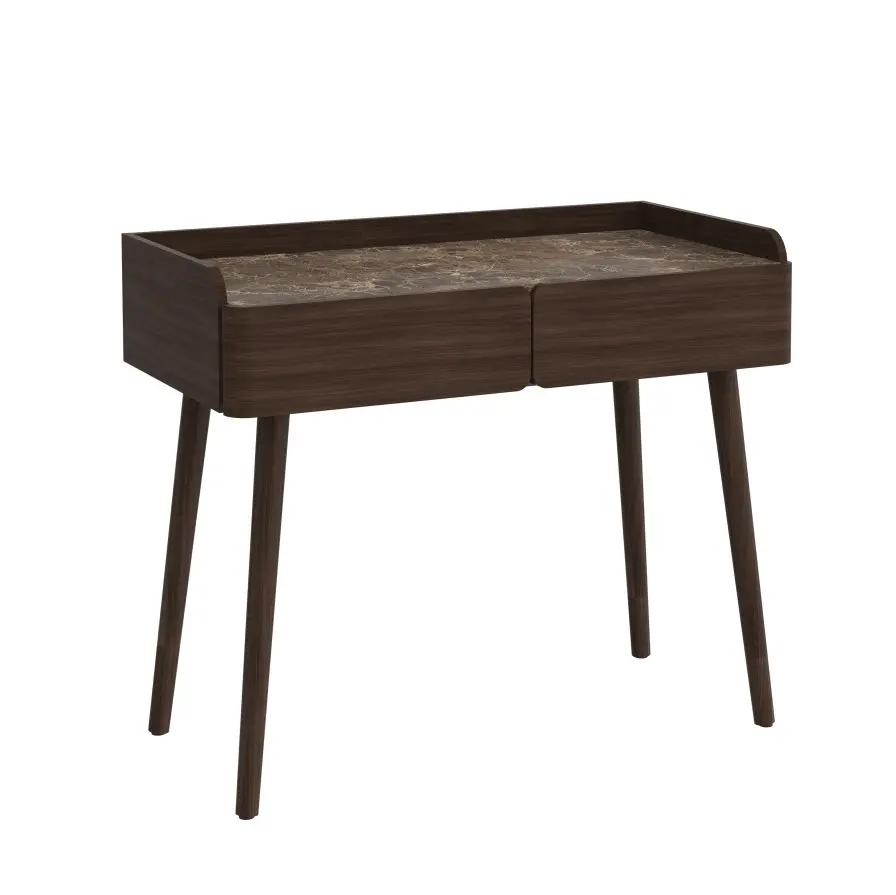
Collaborative Design and Specification in Desks OEM Projects
A successful OEM desk program relies on clear communication between the clients design team and the manufacturers engineering department. The initial brief typically includes 2D drawings, 3D models, material samples, and performance targets. The OEMs role is to translate these design intentions into manufacturable specifications, identifying potential issues such as undercut angles that complicate edgebanding, or material thicknesses that may cause warping over large spans.
Prototyping is an essential step in this collaborative process. A physical mock-up—often at full scale—allows for verification of ergonomics, assembly sequence, and finish appearance. During the prototype phase, adjustments to fastener placement, edge profiles, and coating techniques are made without affecting production lead times. The feedback loop between client and OEM during this stage significantly reduces the number of changes required during mass production, ensuring predictable delivery schedules.
Documentation is another area where professional OEM practices add value. Comprehensive technical files, including material safety data sheets, test reports, and installation manuals, support the clients own quality management systems and provide traceability. For programs destined for LEED or BREEAM certified projects, documentation of low-VOC materials and certified wood sources becomes a requirement, and the OEM must maintain the necessary supply chain certifications.
- Engineering drawings: Should include tolerances, grain direction (for veneer), and edge treatment details.
- Finishing standards: Reference samples or Pantone/ RAL colour codes with specified gloss levels.
- Packaging instructions: Labelling requirements, stacking patterns, and palletization guidelines.
For clients seeking a single source for both standard and custom desk configurations, working with an OEM that offers modular component families reduces the complexity of managing multiple supplier relationships. Essent Home provides a structured approach to desks OEM programs, combining in-house material engineering, production planning, and quality control to meet the requirements of commercial interiors, hospitality, and educational furniture projects.
Frequently Asked Questions About Desks OEM Manufacturing
Q1: What is the typical lead time for a desks OEM order of 500 units?
Lead times vary depending on the complexity of the design and the availability of raw materials. For standard configurations with melamine surfaces and pre-existing tooling, production often ranges from 6 to 10 weeks from order confirmation. Custom finishes, veneer selection, or specialized cable management features may extend this period to 12–16 weeks, as additional steps such as custom colour matching or prototype approval are required. The lead time calculation should include material procurement (panels, edgebanding, hardware), surface treatment, CNC processing, assembly, packaging, and final quality inspection. Communication with the OEM during the quotation phase helps establish a realistic timeline based on the factorys current load and material supply chains.
Q2: Can an OEM supplier accommodate design changes after production has started?
Design changes are possible but subject to feasibility and the production stage. Changes made before material ordering are typically straightforward, requiring only revised drawings and updated CNC programs. Once panels are cut or coated, modifications become costlier and may result in material waste or scrapping. Many OEM contracts specify a "freeze" date after which changes incur additional charges or schedule adjustments. To minimize disruption, clients are encouraged to finalize all specifications—including dimensions, finishes, and hardware—during the prototype phase. If late-stage changes are unavoidable, the OEM will assess the impact on production flow and provide a revised timeline and cost estimate.
Q3: What standards should be referenced for desk stability and load testing in OEM production?
The most widely recognised standards for commercial desks are the European EN 527 series (specifically EN 527-2 for stability and strength) and the North American BIFMA X5.5 standard. These standards define test methods for vertical load on the desktop, horizontal static load, and impact resistance. For height-adjustable desks, EN 527-2 includes extended cycling tests for the lifting mechanism. An OEM supplier that regularly tests to these standards will provide test reports upon request, offering assurance that the desk design meets the durability requirements for daily office use. Clients should specify which standard applies to their project, as requirements for contract furniture (heavy-use) differ from those for light-duty residential products.
Q4: How are colour and grain consistency maintained across different production batches?
For melamine and decorative foils, batch-to-batch variation is minimized by sourcing from reputable decorative paper mills that maintain strict colour control standards. OEMs typically order a single batch of decorative paper sufficient for the entire program, ensuring consistency. For lacquered surfaces, colour measurement with a spectrophotometer and tolerance limits (e.g., ΔE ≤ 1.0) are used to approve each batch. Veneer grain matching is more challenging; OEMs with robust veneer selection processes will pre-sort veneer leaves by colour and figure, and they often over-order veneer to allow for matching across the production run. Sample panels from each production batch are retained for reference, allowing any drift to be detected and corrected.
Q5: What packaging methods protect desks during international shipping?
Professional OEM packaging combines corner protection, edge guards, and wrap-around cardboard or foam cushioning. Desktops are typically packed flat, with each unit separated by interleaving paper or foam sheets to prevent surface abrasion. Frames and legs are packed in separate cartons with fitted moulded pulp or EPE foam inserts. The cartons are then palletized with stretch film and edge protectors, and often placed in a 20 or 40 container. For high-value lacquer finishes, some OEMs employ vacuum-sealed plastic wrap with desiccant bags to control moisture during sea transit. Container loading patterns are documented to ensure stability and ease of unloading.
Q6: What is the process for obtaining a prototype from a desks OEM supplier?
The prototype process typically begins with the client providing detailed design files and a material/finish specification. The OEM then engineers the design, produces a set of technical drawings, and generates CNC programs. One to three physical prototypes are manufactured using the same materials and processes intended for production. These prototypes are then submitted to the client for evaluation—checking dimensions, assembly instructions, ergonomics, and finish quality. Any adjustments are fed back to the OEM, who revises the drawings and produces an updated prototype if necessary. After approval, a "golden sample" is signed off, and this sample serves as the quality benchmark for the entire production run. Prototyping charges are usually quoted separately and are often credited against the final order.
For detailed project consultation on desks OEM programs—including material selection, structural engineering, finish specification, and production scheduling—Essent Home offers design and manufacturing support tailored to commercial, hospitality, and institutional furniture requirements. Technical data sheets, material libraries, and case-specific engineering assistance are available through the companys project management team.