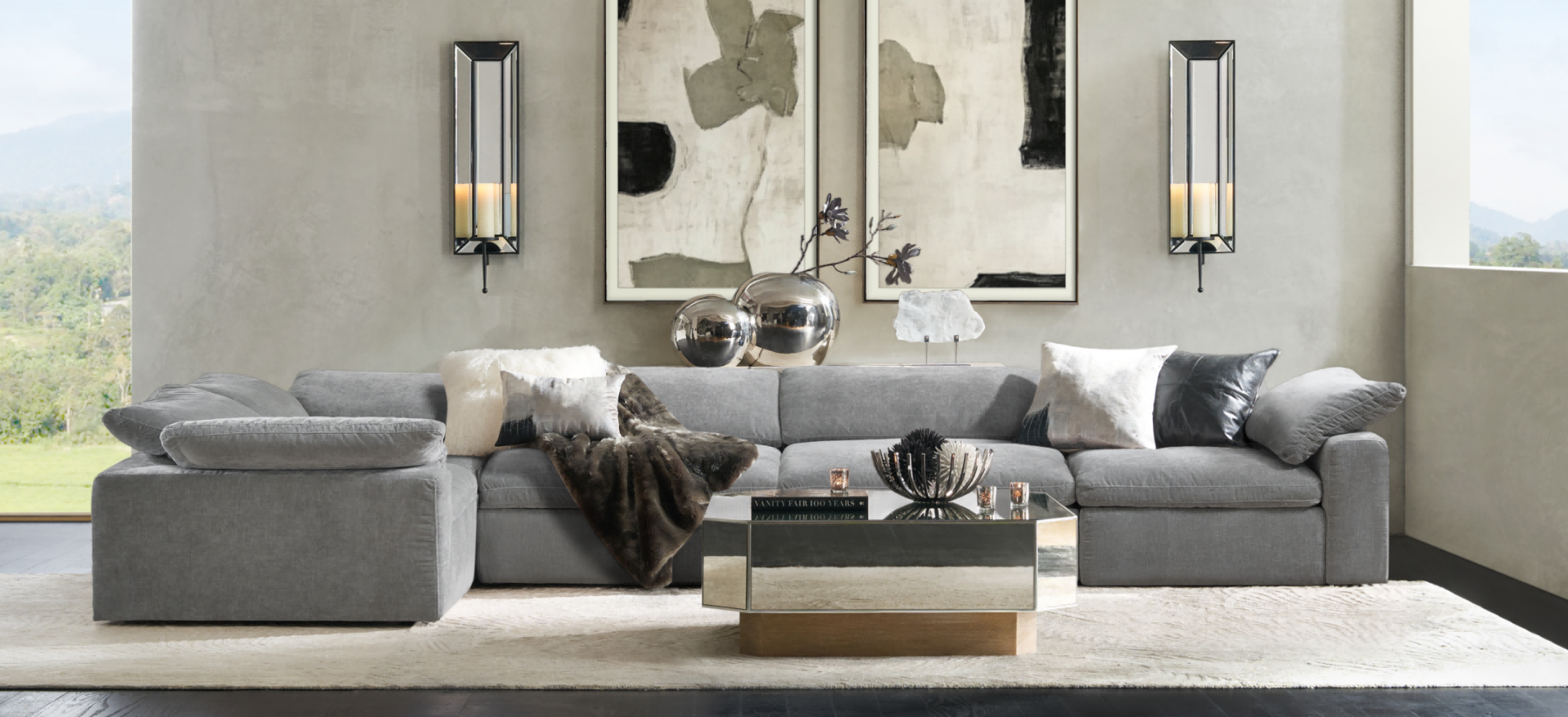
Procuring shelving wall
wholesale units involves more than comparing catalog photos. Architects,
hoteliers, and retail buyers require systems that support specific weight loads,
adapt to uneven walls, and meet fire safety standards. Based on production data
from Asian manufacturing hubs and feedback from European commercial architects,
this article outlines the engineering criteria that differentiate reliable
shelving wall wholesale suppliers from general joinery
shops.
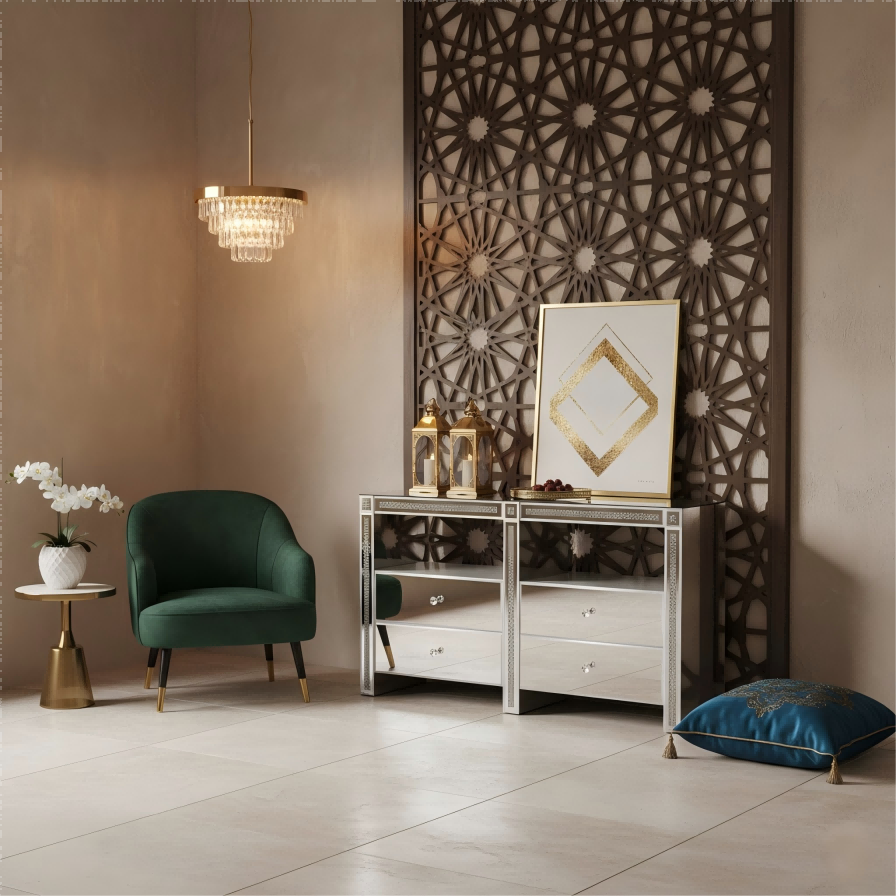
1. Load-Bearing Engineering and Material Specifications
A shelving wall wholesale contract must define the static
and dynamic load capacity per linear meter. Commercial projects—such as
libraries or boutiques—often require shelves to hold 50–80 kg/m². Suppliers
should provide third‑party load test reports (e.g., ISO 7171 for stability). Essent Home integrates 18 mm multi‑layer plywood with aluminium reinforcement channels for
high‑capacity spans, reducing deflection to less than 2 mm at full load. Verify
whether the brackets or cantilever arms are machined from extruded aluminium
(minimum thickness 2.5 mm) or cold‑rolled steel with anti‑corrosion coating.
1.1 Wall Fixing and Substrate Compatibility
Drywall, concrete, and brick require different anchoring systems.
Professional exporters detail the specific dowels and screw types included. For
concrete, M8 or M10 expansion anchors with 50 mm embedment are standard. If the
shelving wall
wholesale system is intended for plasterboard, ask for cavity fixings rated
for shear loads. Essent Home provides project‑specific fixing schedules,
including pull‑out test certificates from certified laboratories.
2. Modular Design and On‑Site Adaptability
Volume buyers often face last‑minute dimension changes due to site
measurements. A modular system with 32 mm hole spacing (or similar) allows
vertical adjustment of shelves in 50 mm increments. For curved or angled walls,
some shelving wall wholesale manufacturers offer custom end
panels cut via CNC. Check whether the supplier stocks connecting hardware for
ganging multiple bays—dowel pins, cam locks, or continuous shelf brackets—to
maintain visual alignment. Essent Home designs its shelving walls
with 16‑mm incremental width adjustments, accommodating on‑site variations
without re‑cutting panels.
2.1 Finish Continuity Across Batches
When ordering in phases, colour consistency is critical. Polyurethane (PU) or
polyester powder coatings should be matched using spectrophotometers (ΔE <
0.8). For veneered surfaces, ask for sequential bundle numbers to maintain grain
flow. A 2024 survey of 120 interior contractors revealed that 18% of disputes
originated from finish mismatches in phased deliveries. Reliable
shelving wall wholesale partners archive digital colour
standards per production run.
3. Compliance with Fire Safety and Accessibility Standards
Shelving installed in public areas must meet local fire codes. In the EU, EN
13501‑1 classifies reaction to fire; for the US, ASTM E84 or NFPA 285 may apply.
A reputable shelving wall
wholesale exporter provides test reports for flame spread and smoke
development. For accessibility (ADA or EN 1729), shelves should not protrude
more than 4 inches (100 mm) into circulation paths when mounted below 80 cm.
Essent Home includes anti‑tip restraints and tactile edge indicators upon
request, ensuring compliance with both commercial and residential building
codes.
Logistics and Packaging for Wholesale Quantities
High‑volume orders require efficient flat‑packing to minimise freight volume.
A 40‑ft high‑cube container can hold approximately 150–200 linear metres of
shelving, depending on component dimensions. Verify whether the supplier uses
edge protectors, honeycomb board reinforcement, and stretch‑wrap with anti‑slip
layers. Shipping damage accounts for 7–9% of claims in the furniture sector,
according to 2025 TT Club data. Essent Home applies ISTA 3A transit
testing to every new shelving design, documenting compression and vibration
resistance.
Frequently Asked Questions (FAQ)
Q1: What is the typical minimum order quantity (MOQ) for a shelving wall
wholesale order?
A1: MOQs vary by complexity. Simple powder‑coated steel
systems may start at 50 linear metres, while custom‑veneered projects often
require 100+ linear metres. Some exporters, like Essent Home, offer a “pilot
order” programme for 20–30 metres to test assembly and market reception.
Q2: How can I verify the load capacity claims of a shelving wall wholesale
supplier?
A2: Request certified test reports from accredited labs
(e.g., TÜV, SGS, Intertek). Look for static load tests (sustained for 24 hours)
and dynamic deflection tests. Ask for installation photos of similar projects
with documented load requirements.
Q3: What certifications should a shelving wall wholesale exporter hold?
A3: Minimum requirements include ISO 9001:2015 for quality
management. For environmental compliance, look for FSC® chain of custody and ISO
14001. If supplying to the EU, the CE mark (based on EN 16122) is mandatory for
storage furniture.
Q4: How do I handle design modifications after mass production has
started?
A4: Reputable suppliers define a “design freeze” milestone
in the contract. Changes after that point incur additional fees and extended
lead times. Always sign off a pre‑production sample (full‑size mock‑up) before
production begins.
Q5: What are the hidden costs when importing shelving wall wholesale
units?
A5: Common hidden costs include demurrage at the port,
customs brokerage fees, and local transport for oversized crates. Clarify
incoterms (FOB, CIF, DAP) and ask for a detailed proforma invoice listing all
potential charges, including fumigation certificates if wood packaging is
used.
Q6: Can a shelving wall wholesale supplier match a specific RAL or NCS
colour?
A6: Yes, most specialist exporters offer custom powder
coating or lacquering. Request a colour sample panel under D65 lighting and a
delta‑E report. Essent Home maintains a digital colour library and can produce
small test panels within 7 days.
Q7: What is the average lead time for a 40‑ft container of custom shelving
walls?
A7: Lead times range from 30 to 60 days depending on finish
complexity and raw material availability. A 2025 benchmark study showed that 73%
of Asian exporters ship within 45 days after design approval. Always build in a
2‑week buffer for seasonal holidays.
Selecting a shelving wall
wholesale partner demands rigorous verification of structural data, material
certifications, and logistics planning. Manufacturers who invest in testing
infrastructure and transparent communication—such as Essent
Home—reduce downstream risks for architects and importers. Whether
outfitting a co‑working space or a luxury retail store, prioritise suppliers
that offer load calculations, compliance documentation, and modular adaptability
as standard practice.