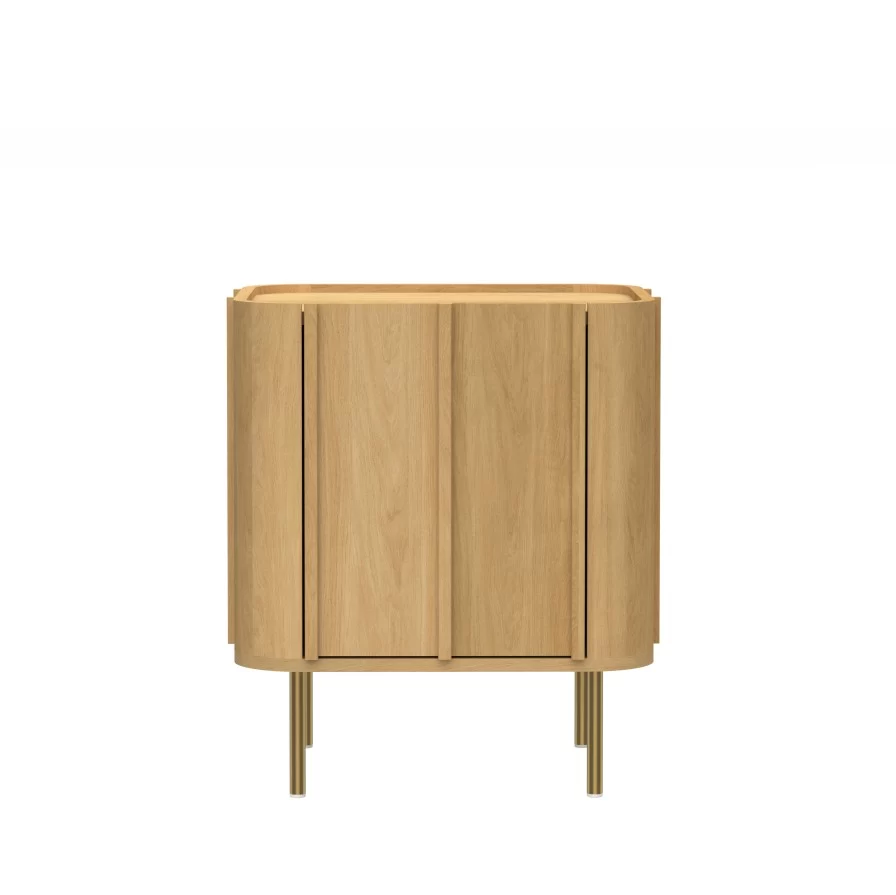
Every interior layout battles the same silent challenge: dead corners.
Awkward triangular alcoves and forgotten intersections often gather dust or end
up cluttered with misplaced items. For luxury homeowners, interior designers,
and commercial hospitality developers, these neglected nooks represent wasted
square footage.
The solution lies in purposeful design. Modern residential architecture
demands tailored millwork and precision furnishings that merge storage with
distinct focal points. At Essent Home, our contract manufacturing and design
teams work directly with trade professionals to develop solutions that turn
neglected spaces into architectural features.
If you are planning your upcoming residential developments or boutique
hospitality projects, explore our curated analysis below. Contact Essent Home
today to request finish swatches, technical drawings, or an initial wholesale
inquiry for your next project.
1. Sculptural Curves: Softening Sharp Edges
Rigid 90-degree boxes are losing ground. Modern architecture is moving toward
organic contours that encourage organic movement through a floor plan. A curved
accent cabinet corner provides practical utility while rounding out the sharp
perimeters of a living room or foyer.
Traditional corner cabinets often look bulky. In contrast, modern curved
profiles create a visual taper that tricks the eye into seeing more floor area.
This geometry proves especially valuable in compact urban apartments and
boutique hotel suites where space is limited.
Key highlights of this movement include:
- Quarter-circle and capsule-shaped silhouettes that prevent hip-height
collisions in high-traffic corridors.
- Tambour wood and bendable plywood construction, engineered according to ASTM D143 testing standards for
structural timber integrity.
- Monolithic plaster, micro-cement, and matte lacquered finishes that blend
directly into adjacent drywall.
When placed near entryways, these soft contours guide movement naturally.
They transform a tight turn into an inviting visual transition.
2. Bespoke Multifunctionality: Hidden Home Bars and Smart Tech Nooks
Single-use furniture no longer meets the expectations of discerning clients.
High-end buyers now demand specialized functions hidden behind custom millwork.
The modern accent cabinet corner increasingly serves as a discreet home bar,
espresso station, or tech cabinet.
Rather than leaving drinkware exposed on open carts, designers favor fully
enclosed credenzas. Pocket doors or bi-fold panels open to reveal mirrored
backsplashes, micro-prep counters, and integrated LED lighting channels. This
layout keeps clutter tucked away while maintaining an uncluttered aesthetic.
Smart home features are also built directly into the cabinet framework:
- Concealed induction charging pads routed into the underside of solid wood or
stone tops.
- Internal wire management chases that organize power cables for audio hubs
and subwoofers.
- Magnetic push-latches and soft-close European hinges that preserve clean
outer lines without external hardware.
These features turn empty corners into functional stations for entertaining
or everyday routines. They make small spaces work harder without sacrificing
style.
3. Tactile Materials: Fluted Wood, Reeded Glass, and Earthy Stones
Flat, sterile laminate surfaces are out. Tactile, three-dimensional materials
now define luxury residential projects. The modern accent cabinet corner relies
on varied textures to catch the light throughout the day.
Fluted oak and ribbed walnut remain primary favorites for exterior doors.
These linear profiles create deep vertical shadows that draw the eye upward,
accentuating ceiling height in compact rooms. Backing these wooden profiles with
semi-opaque reeded glass adds visual depth while obscuring interior clutter.
Top surfaces are also receiving significant upgrades. Designers are skipping
standard veneers in favor of substantial stone slabs such as:
- Honed Roman travertine with natural open pores and soft beige tones.
- Calacatta Viola marble with bold purple veining, compliant with dimensional
stone testing protocols under ASTM C503.
- Brushed quartzite that resists acidic staining from citrus and alcohol in
dry-bar configurations.
Essent Home sources high-character wood and certified natural stone for our
bespoke contract collections. This approach balances reliable structural
durability with refined, artisanal character.
4. Eco-Conscious and Biophilic Craftsmanship: Bringing Nature In
Sustainability is no longer a niche marketing term; it is an engineering
requirement. Commercial buyers and architects actively specify furniture
produced through ethical supply chains. A high-end accent cabinet corner must
demonstrate sustainable sourcing and long-term durability.
Modern production avoids petroleum-heavy finishes. Instead, leading
facilities apply waterborne lacquers, cold-pressed plant oils, and zero-VOC
stains. These coatings protect interior air quality while allowing the natural
grain of oak, ash, and walnut to breathe.
Key sustainable construction elements include:
- FSC-certified timber substrates paired with low-emission adhesive
resins.
- Manufacturing plants managed under ISO 14001 certified
environmental management systems.
- Hand-woven natural rattan, seagrass, or cane webbing integrated into door
panels for natural ventilation.
Pairing these organic cabinets with potted tropical plants, such as Ficus or
Philodendron, creates a lush focal point. This biophilic approach softens
corners and connects indoor living with the natural world.
How to Choose the Perfect Accent Cabinet Corner for Your Layout
Selecting the right unit requires careful planning around spatial balance,
clear pathways, and proportions. A cabinet that looks modest in a digital
catalog can easily overwhelm an actual room if you miscalculate its
dimensions.
Measuring Clearances and Door Swing Ergonomics
Measure outward from the exact intersection of your walls along both
baseboards. Most standard residential corner credenzas need between 28 and 36
inches of wall clearance on each side. Remember to account for projecting
baseboards, electrical wall plates, and heating vents.
Ensure that cabinet doors can swing open at least 90 degrees without striking
adjacent window frames, radiators, or nearby furniture. For tight pathways,
consider tambours, pocket doors, or sliding screens that open smoothly without
blocking the walkway.
Aligning Millwork with Interior Design Schemes
A freestanding corner piece must complement the wider room rather than fight
it for attention. In a room dominated by cool architectural concrete, a warm
walnut or cerused oak cabinet balances the space. If the room features heavy
fabrics, a cabinet with reeded glass doors keeps the corner feeling light and
open.
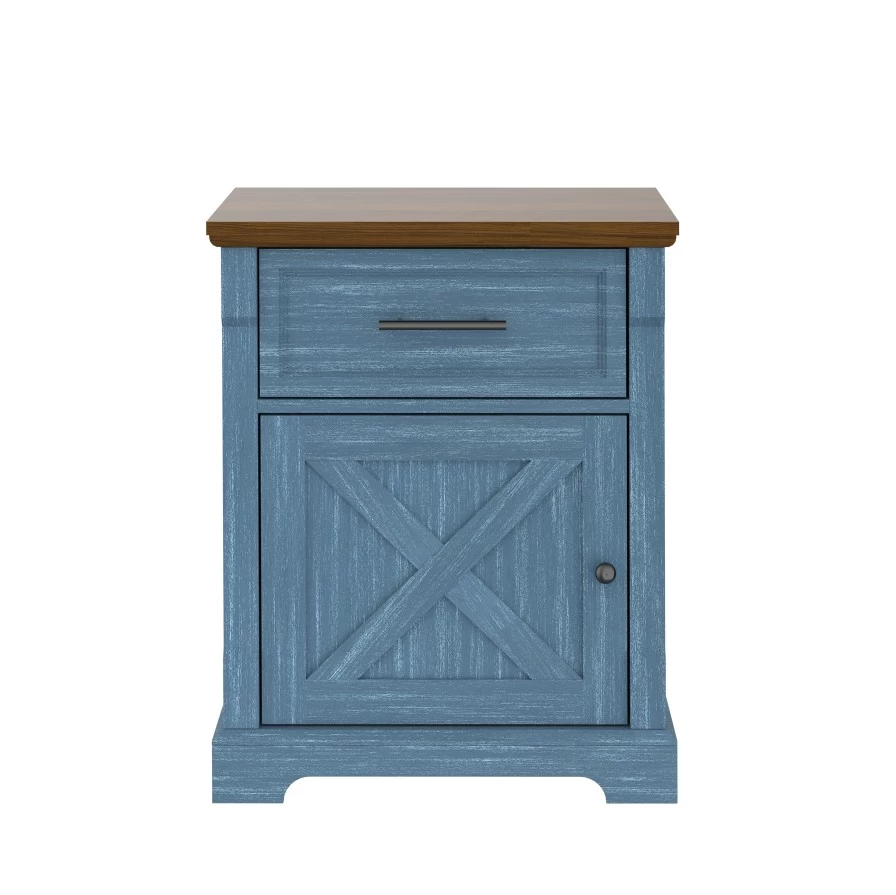
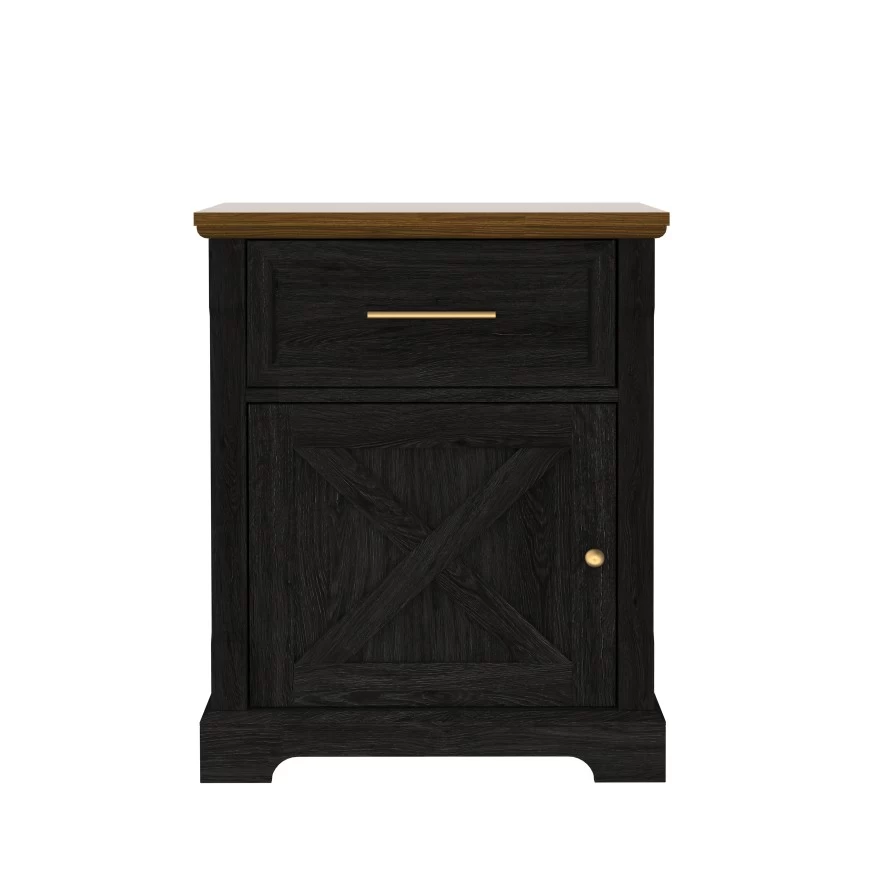
Professional Styling Strategies for Corner Credenzas
Once you install an accent cabinet corner, styling the top surface requires a
deliberate composition. Corners draw shadows, so improper styling can look flat
or cluttered. Professional decorators rely on the classic "Triangle Rule" to
build visual depth.
Follow these steps to arrange the top surface like a professional:
- The Apex: Anchor the back corner with a tall element, such
as a sculptural ceramic table lamp or an oversized textured branch in an
earthenware vase.
- The Mid-Ground: Layer a framed piece of abstract artwork or
an asymmetrical mirror slightly off-center, leaning it against the wall.
- The Base: Complete the composition with low, horizontal
objects, such as a cast-bronze tray, an architectural book, or a stone incense
burner.
Adding a low-wattage accent light brings the whole arrangement together. An
illuminated corner extends sightlines across the room, making your entire living
area feel more expansive after dark.
Frequently Asked Questions
Q1: Are corner cabinets still in style for 2026?
A1: Yes,
but traditional, heavy triangular cabinets have been replaced by modern,
architectural designs. Current trends prioritize curved facades, tactile fluted
woods, reeded glass, and integrated multi-purpose features such as hidden bars
and tech storage.
Q2: How do I maximize storage capacity in an accent cabinet
corner?
A2: Look for cabinets equipped with internal
height-adjustable shelving or integrated pull-out lazy susans. Pocket or sliding
doors also allow you to reach the deep back corners without requiring extra
floor clearance to open wide.
Q3: What wood species are most durable for a bespoke corner
credenza?
A3: White oak, American walnut, and hard maple remain the
top selections for long-term durability. These hardwoods resist denting, hold
precise joinery over time, and accept natural, low-VOC matte finishes that
highlight organic wood grain.
Q4: Can a corner accent cabinet work in a small
bedroom?
A4: Yes. A compact corner cabinet makes excellent use of
floor space in tight bedrooms. It can easily replace a bulky nightstand or house
folded linens, spare blankets, and small electronics without interrupting
walking paths.
Q5: How do I handle baseboards when placing a cabinet flush into a
corner?
A5: Bespoke and commercial-grade cabinets often feature an
extended top overhang or a recessed kickplate base. This intentional offset
allows the back frame of the cabinet to clear standard baseboard trim and sit
flush against the drywall.
Partner with Essent Home on Your Next Interior Project
Every square foot matters in modern interior design. A thoughtfully
constructed accent cabinet corner transforms an empty dead zone into a memorable
focal point that provides both beauty and everyday utility.
Essent Home supplies high-end residential firms, commercial contractors, and
furniture retailers worldwide with precision-crafted, customizable millwork and
accent collections. Whether you need custom hospitality casegoods or want to
stock our latest signature collections, our manufacturing and engineering teams
are ready to support your vision.
Contact the Essent Home contract team today to discuss your project
specifications, request trade pricing, or submit an inquiry for custom
production.