In the sphere of luxury hospitality, premium residential developments, and
high-traffic commercial interiors, the cocktail table is far more than an accent
piece. It anchors social interaction, endures rigorous daily use, and must
reflect the architectural language of its environment. For specifiers,
procurement managers, and design-driven brands, the decision to engage an
Original Design Manufacturer (ODM) for round cocktail table
ODM solutions represents a strategic pivot from off-the-shelf
purchasing to fully customized, engineering-led furniture development.
This article provides a technical and strategic dissection of the round cocktail table
ODM process, drawing on material science, structural engineering
protocols, and real-world application scenarios. As a specialist in B2B custom
furniture manufacturing, Essent Home has executed
hundreds of such projects, delivering pieces that seamlessly merge design intent
with uncompromised durability. We will explore why precision manufacturing,
supply chain transparency, and technical pre-engineering are non-negotiable for
successful outcomes in the high-end furniture sector.
1. Defining ODM Excellence: Beyond Simple Manufacturing
Unlike OEM (Original Equipment Manufacturing) where a client provides
complete specifications, ODM partnerships leverage the manufacturer’s design,
engineering, and R&D capabilities to co-create products that are both
proprietary and technically superior. When applied to a round cocktail table
ODM project, this means the manufacturer assumes responsibility for
structural calculations, material optimization, joinery techniques, and
compliance with international safety and performance standards.
1.1 The Technical Gap in Standard Furniture Procurement
Conventional procurement often results in compromises: a visually appealing
table may lack the load-bearing capacity for contract use, or a structurally
robust piece fails to meet the aesthetic nuances of a project. High-end ODM
providers bridge this gap through:
Finite Element Analysis (FEA): Simulating stress
distribution on tabletops and bases to predict deflection and failure points
before prototyping.
Material Compatibility Studies: Evaluating how different
substrates—such as solid oak, aluminum honeycomb core, or sintered
stone—interact under varying humidity and temperature conditions.
Life-Cycle Testing: Executing accelerated wear tests (e.g.,
20,000 cycles of lateral load) to ensure performance exceeds BIFMA or ASTM
standards.
2. Engineering Deep-Dive: Structural Anatomy of a High-End Round Cocktail
Table
A truly exceptional round cocktail table
ODM outcome is the result of meticulous attention to five core
engineering domains. Each domain directly impacts the product’s lifespan,
safety, and adaptability to diverse environments—from the dry conditions of a
desert resort to the coastal humidity of a beachfront property.
2.1 Core Material Selection and Substrate Engineering
Premium ODM projects reject particleboard or low-density MDF for structural
components. Instead, we specify:
Multi-ply Baltic Birch with Phenolic Resin: Provides
exceptional screw-holding strength and resistance to moisture-induced warping.
Ideal for tabletops requiring inset marble or metal inlays.
Aluminum Extrusion and Cast Iron Bases: For contract-grade
applications, bases are engineered with reinforced gussets and anti-torsion
crossbars. The use of A356 aluminum alloy with T6 heat treatment ensures a yield
strength exceeding 180 MPa.
Solid Surface Integration: For seamless monolithic designs,
acrylic-based solid surfaces (e.g., Corian-like materials) are CNC-routed to
integrate with hidden structural armatures, eliminating visible seams.
2.2 Joinery, Fastening Systems, and Knock-Down (KD) Engineering
For global shipping and on-site assembly, KD engineering is paramount.
High-end ODM solutions employ:
Zinc-alloy cam locks with anti-vibration coatings to prevent loosening
during transport.
Stainless steel threaded inserts embedded into solid wood components,
allowing for repeated assembly without compromising integrity.
Hidden leveling glides with 15mm to 25mm adjustment ranges to accommodate
subfloor variations in hospitality environments.
2.3 Surface Finish and Coating Technologies
Aesthetic longevity requires finishes that resist chemical exposure, UV
degradation, and abrasion. Professional ODM specifications include:
Conversion Varnish or 2K Polyurethane: Offering superior
chemical resistance (tested against 70% ethanol and acetone) and achieving a
hardness of 3H+ on the pencil hardness scale.
Powder Coating with TGIC-Free Polyester: Applied to metal
components with a minimum thickness of 80 microns, followed by salt spray
testing exceeding 500 hours to ensure corrosion resistance in coastal
installations.
Matched Wood Veneer Sequences: For round tabletops,
book-matched or radial-matched veneer patterns are engineered to minimize visual
disruption, with CNC veneer-laying accuracy to 0.1mm.
3. Application-Specific Customization: Solving Real-World Operational
Challenges
The true value of a round cocktail table
ODM partnership lies in the ability to tailor every parameter to
the end-use scenario. Below are three archetypal applications with distinct
technical requirements.
3.1 Five-Star Hotel Lobby and Lounge
Pain Point: High guest turnover, exposure to spilled
beverages, and the need for visual impact without obstructing traffic flow.
ODM Solution: Design a pedestal-base round cocktail table
with a weighted cast-iron core to prevent tipping. The tabletop utilizes a
nano-coated sintered stone surface that is non-porous, scratch-resistant to 9 on
the Mohs scale, and requires zero sealing. Integrated wireless charging modules
are pre-installed in the substrate, with conduits concealed within the pedestal,
ensuring compliance with ADA reach requirements.
3.2 Private Residences with Mixed-Material Aesthetics
Pain Point: Clients demand museum-grade finishes, but the
table must withstand daily family use, including occasional impact from children
or pets.
ODM Solution: Employ a "soft-touch" edge profile using
high-density polyurethane (HDPU) molding around a solid wood core, providing
impact resistance while replicating intricate carved details. The finish is a
cross-linked matte polyurethane with ceramic particles, achieving a Level 4
stain resistance (EN 12720). Custom metal bases are fabricated from 304-grade
stainless steel with a brushed PVD finish, offering durability comparable to
architectural hardware.
Pain Point: Need for modularity, brand identity integration,
and adaptability for AV equipment integration.
ODM Solution: Develop a round cocktail table with a
removable top that reveals a concealed cable management tray and power/data
ports. The base is designed with a modular interface allowing for
interchangeable column heights and base diameters, enabling the same design
language to scale from low cocktail tables to high-top meeting tables. Brand
logos are inlaid using laser-sintered brass or CNC-routed negative space filled
with color-matched epoxy.
4. Navigating ODM Partnerships: Critical Selection Criteria
Selecting the right ODM partner for a round cocktail table
ODM project is a high-stakes decision. The wrong choice can lead to
IP infringement, inconsistent quality across batches, and logistics failures.
Based on decades of industry evaluation, we recommend vetting partners on the
following pillars:
4.1 Engineering Documentation and Prototyping Capability
Top-tier ODM providers deliver full engineering packages, including 2D shop
drawings with GD&T (Geometric Dimensioning and Tolerancing), 3D STEP files,
and a clear prototyping process. Insist on witnessing a first-article inspection
(FAI) where the physical prototype is measured against digital specs to ensure
tolerances within ±0.5mm for metal components and ±1mm for wood assemblies.
4.2 Supply Chain Vertical Integration
ODM partners with in-house metal fabrication, woodworking, finishing lines,
and upholstery divisions offer superior quality control. External sourcing of
critical components introduces variability. At Essent
Home, our vertically integrated facilities allow us to control
every variable from raw lumber selection to final packaging, ensuring consistent
outcomes for every round cocktail table ODM project.
4.3 Sustainability and Compliance Certification
International projects increasingly demand verifiable sustainability
credentials. Leading ODM partners maintain:
FSC® Chain of Custody certification for wood products.
GREENGUARD Gold certification for low chemical emissions.
ISO 9001:2015 for quality management systems and ISO 14001 for environmental
management.
Documented due diligence for conflict minerals (e.g., tin, tungsten,
tantalum) in metal components.
5. Essent Home’s ODM Methodology: From Concept to Global Installation
With over 15 years of dedicated experience in custom furniture manufacturing,
Essent
Home has refined a five-phase ODM workflow that mitigates risk and
ensures design fidelity. Our approach to round cocktail table
ODM projects is rooted in engineering transparency and
collaborative problem-solving.
Phase 1 – Technical Consultation: We analyze site
conditions, usage patterns, and design references to generate a preliminary
engineering feasibility report, including recommended materials, joinery
methods, and estimated lead times.
Phase 2 – Engineering & Design Development: Our
in-house team of mechanical engineers and industrial designers converts concepts
into manufacturing-ready files. We provide BIM-compatible models for architects
and contractors.
Phase 3 – Precision Prototyping: A full-scale working
prototype is produced, subjected to client sign-off and independent lab testing
for stability, load capacity, and finish durability.
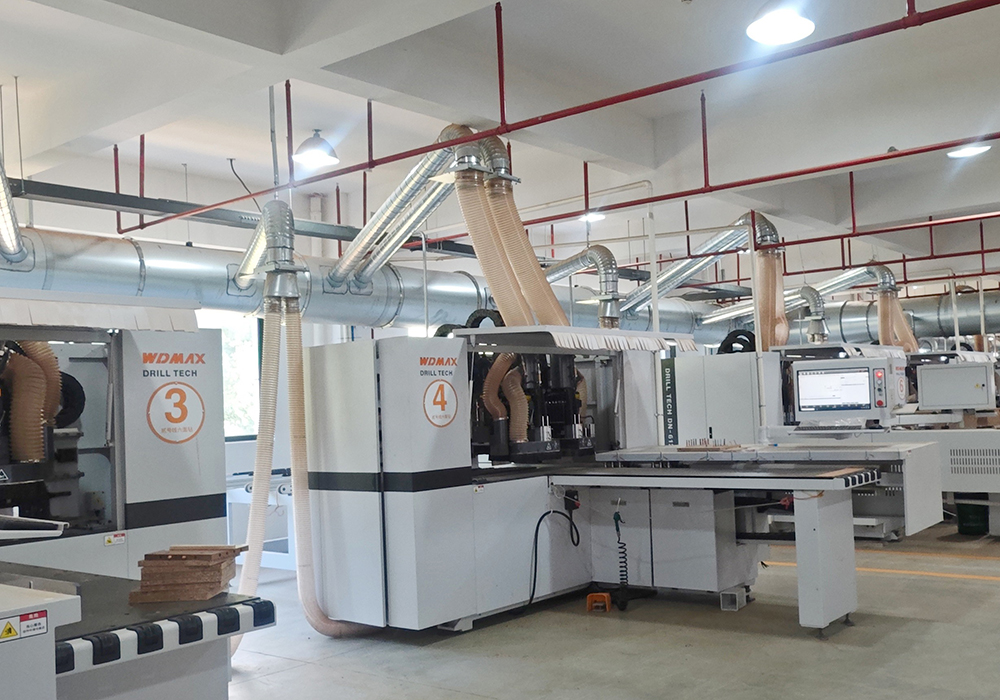
Phase 4 – Production & Quality Control: Batch
production is managed using ERP systems. Quality control checkpoints are
integrated at material receiving, during fabrication, pre-finishing,
post-assembly, and pre-packaging.
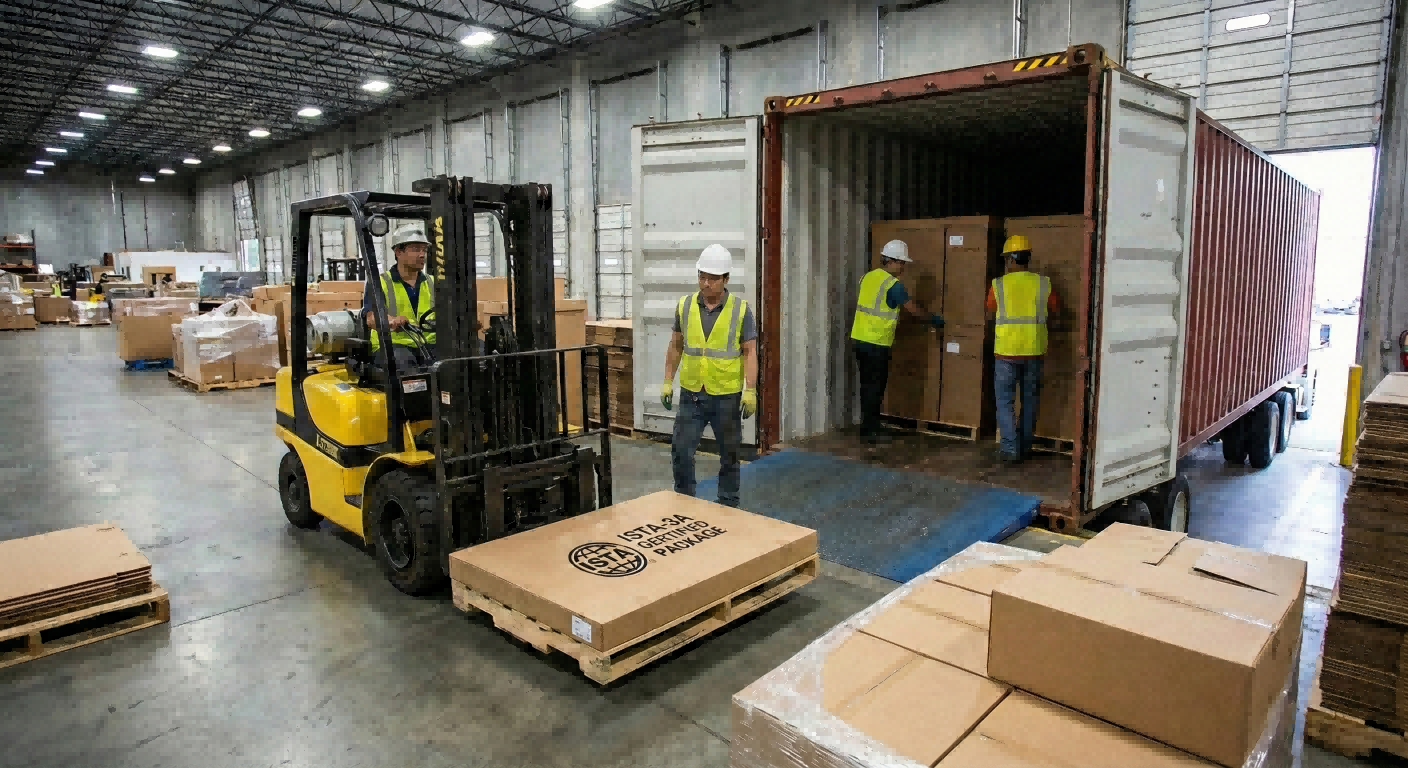
Phase 5 – Logistics & White-Glove Coordination: We
manage global shipping, customs documentation, and, if required, white-glove
delivery and installation services, ensuring the final installation mirrors the
approved prototype.
6. Data-Driven Performance: What Metrics Define Quality in ODM
Furniture?
To evaluate the success of a round cocktail table
ODM initiative, we track key performance indicators that go beyond
aesthetics:
Defect Rate (PPM): Maintaining a defect rate below 200
parts per million for finished goods delivered to site.
On-Time Delivery (OTD): Achieving ≥ 98% OTD across
international shipping, factoring for lead time predictability.
Field Performance: Post-installation warranty claims below
0.5% over a 24-month period, reflecting structural and finish integrity.
Carbon Footprint per Unit: Optimizing material yield to
achieve ≥ 85% raw material utilization and utilizing low-VOC finishes to
minimize environmental impact.
Q1: What is the typical lead time for a custom round
cocktail table ODM project from engineering to delivery?
A1: For a fully custom round cocktail table
ODM project, lead times generally range from 14 to 20 weeks. This
includes 2–3 weeks for engineering validation and prototyping, 10–12 weeks for
production (depending on batch size and material complexity), and 2–3 weeks for
transit and final inspection. Rush services are available for select projects
with simplified specifications.
Q2: How do ODM providers protect intellectual property when
we co-develop a proprietary table design?
A2: Reputable ODM partners like Essent Home execute strict
Non-Disclosure Agreements (NDAs) and Manufacturing Rights Agreements. We do not
replicate client-exclusive designs for third parties. Digital files are secured
through encrypted servers, and production lines are segregated. Upon project
completion, all tooling, molds, and exclusive jigs can be transferred to the
client or destroyed per agreement.
Q3: Can ODM manufacturers accommodate UL/ETL certification
for integrated electrical components (e.g., outlets, lighting) in cocktail
tables?
A3: Yes, advanced ODM providers have in-house capabilities
or certified sub-contractor networks to integrate UL-listed power modules, USB
ports, and low-voltage lighting. We manage the entire certification
documentation process, ensuring the final assembly meets local electrical codes
(NEC, CE, etc.). Pre-installation testing of all electrical components is
standard protocol.
Q4: What minimum order quantities (MOQs) should I expect for
a round cocktail table ODM project?
A4: MOQs vary based on customization level. For
high-complexity projects with custom metal castings or proprietary finishes,
MOQs typically start at 50–100 units to amortize tooling costs. For simpler
modifications (e.g., custom veneer selection, standard metal finish changes),
flexible ODM partners may accommodate MOQs as low as 25 units. Always discuss
scalability and pricing breaks for larger volume tiers.
Q5: How do you ensure color and finish consistency across
multiple production batches?
A5: Consistency is maintained through
spectrophotometer-based color readings with a ΔE (delta E) tolerance of ≤1.0 for
painted finishes and ≤0.8 for stained wood. For each production batch, we retain
physical reference samples and perform spectrophotometric verification on 100%
of high-visibility surfaces. Detailed finish application logs track temperature,
humidity, and coating thickness for full
traceability.
Conclusion: Engaging a specialized ODM partner transforms
the procurement of round cocktail table
ODM solutions from a logistical transaction into a strategic
advantage. By focusing on engineering integrity, material science, and process
transparency, brands and specifiers can achieve furniture that not only meets
aesthetic goals but also delivers measurable lifecycle value. For inquiries
regarding bespoke manufacturing capabilities, visit Essent
Home to explore our portfolio and engineering
resources.