For hospitality brands, furniture retailers, and interior design firms,
partnering with a manufacturer for round cocktail table
OEM production represents a strategic decision that directly
impacts product differentiation, margin structure, and supply chain reliability.
Unlike off-the-shelf procurement, original equipment manufacturing requires
alignment on engineering specifications, material sourcing, finishing standards,
and quality assurance protocols. This article provides a technical framework for
navigating the round cocktail table
OEM process—from design development through to scalable
production—drawing on manufacturing engineering principles and real-world
project execution.
With extensive experience in contract furniture manufacturing and supplier
qualification, I have observed that successful OEM partnerships hinge on precise
specification of substrate materials, edge construction, and finishing
chemistry. Manufacturers such as Essent Home have developed
integrated OEM programs that combine in-house finishing lines, modular tooling,
and rigorous quality control to deliver consistent results across large-scale
orders. This guide examines the critical decision points for buyers seeking OEM
solutions for round cocktail tables.
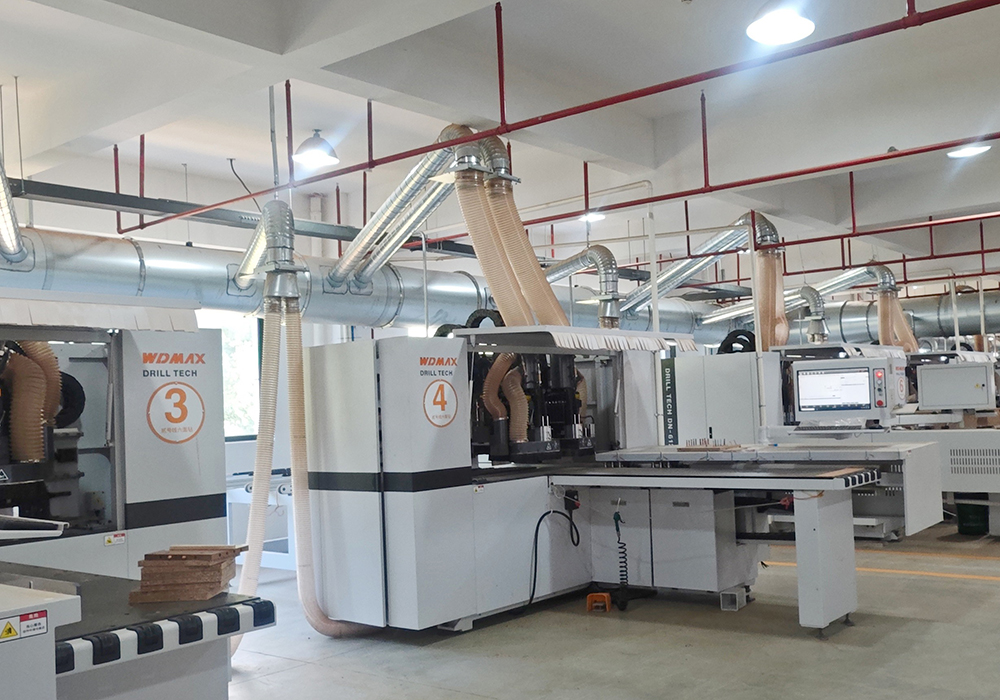
1. Defining OEM Requirements: From Design Intent to Technical
Specifications
The foundation of any round cocktail table
OEM project is converting aesthetic concepts into manufacturable
technical specifications. This translation phase determines cost, lead time, and
product consistency.
1.1 Substrate Selection and Core Engineering
High-density fiberboard (HDF) vs. multi-ply birch plywood: For diameters exceeding 36 inches, HDF with a density above 850 kg/m³ offers
superior screw-holding strength and warp resistance. Multi-ply birch (9–13
layers) is preferred for projects requiring exposed veneered edges or high
structural load ratings (e.g., tables with integrated power modules).
Edge construction: OEM buyers must specify edge profile
(radius, bevel, waterfall) and edge material. Solid hardwood edges (maple,
poplar, oak) with a minimum 3 mm thickness outperform PVC banding in commercial
applications, providing impact resistance and repairability.
1.2 Surface Finish Chemistry and Durability Testing
Conversion varnish vs. polyester vs. UV-cured finishes: For
high-touch hospitality environments, conversion varnish offers superior chemical
resistance (ASTM D3023 rating for ethanol and acetone). UV-cured finishes
provide exceptional hardness and rapid curing, reducing lead times for large OEM
runs.
Gloss level and sheen uniformity: OEM specifications should
include a gloss tolerance range (± 3 gloss units at 60°) to ensure visual
consistency across production batches.
1.3 Base and Structural Integration
Metal base construction: 12-gauge steel is standard for commercial-grade OEM
products. Powder coating specifications should include salt spray testing (ASTM
B117) for corrosion resistance, particularly for outdoor or high-humidity
applications.
Attachment methods: Threaded inserts (T-nuts or cross-dowels) provide
secure, repeatable attachment for bases, allowing for flat-pack shipping and
simplified on-site assembly.
2. The OEM Development Process: From Sample Approval to Production Ramp
Executing a round cocktail table
OEM project requires a structured development pathway that
minimizes risk and ensures alignment between design intent and manufacturing
capability.
2.1 Design for Manufacturability (DFM) Review
Before committing to tooling, an experienced OEM partner will conduct a DFM
review to identify potential production constraints. This includes evaluating
draft angles for molded components, minimizing undercuts, and optimizing panel
layout for material yield. For round cocktail tables, DFM addresses how table
tops will be nested on substrate sheets to maximize board utilization and reduce
waste.
2.2 Prototyping and First Article Inspection (FAI)
For any custom round cocktail table
OEM order, a first article sample should be produced and inspected
against a documented quality checklist. Critical inspection points include:
Dimensional accuracy: Diameter tolerance ± 1.5 mm, flatness within 0.5 mm
over 1 meter.
Color match: Spectrophotometer readings (ΔE ≤ 1.5) for painted or stained
finishes.
Edge banding adhesion: Peel strength testing to verify bond
integrity.
2.3 Pilot Production and Process Control
Following sample approval, a pilot production run (typically 10–20 units)
validates the manufacturing process before full-scale production. This phase
allows the OEM to fine-tune finishing parameters, assembly sequences, and
packaging protocols. Data from the pilot run establishes baseline quality
metrics and production cycle times.
3. Critical Industry Pain Points in OEM Furniture Manufacturing
Buyers engaging in round cocktail table
OEM programs frequently encounter specific challenges that can
derail project timelines and profitability. Understanding these pain points
enables proactive mitigation.
3.1 Color Consistency Across Batches
Variation in stained wood finishes is a persistent issue, particularly when
production spans multiple weeks. Solutions include:
Implementing spectrophotometer-controlled color management at the finishing
line.
Staging veneer or solid wood components by supplier batch to ensure
uniformity.
Requiring a color standard retention sample held at the factory for visual
and instrumental reference.
3.2 Packaging Damage and Transit Claims
Round cocktail tables present unique packaging challenges due to their
geometry. OEM specifications should mandate:
Corner blocks and edge protectors for each table top.
200-lb test corrugated boxes with anti-scratch liners.
Palletization protocols: maximum stack height, stretch wrap tension, and
corner protection. ISTA 3A testing certification provides objective verification
of packaging effectiveness.
3.3 Lead Time Variability and Component Sourcing
OEM production depends on the availability of raw materials—veneers, steel,
hardware—which can be subject to supply chain disruptions. Mitigation strategies
include:
Establishing component safety stock agreements with the OEM.
Selecting materials with readily available substitute specifications.
Working with OEMs that maintain vertically integrated production, such as
in-house metal fabrication and finishing, to reduce external
dependencies.
4. Quality Assurance and Testing Protocols for OEM Production
Commercial buyers require documented evidence that round cocktail table
OEM products meet published durability and safety claims. A robust
quality management system is non-negotiable.
4.1 ANSI/BIFMA Compliance
For furniture intended for commercial use, compliance with ANSI/BIFMA X5.5
(residential and commercial furniture) is standard. Key tests include:
Vertical load test: 200 lbs applied to table top, no structural
failure.
Horizontal load test: 75 lbs applied to top edge, permanent deformation
limits defined.
Finish chemical resistance: Resistance to common cleaning agents, alcohol,
and food stains.
4.2 In-Process Quality Control (IPQC)
OEM factories with rigorous IPQC systems inspect at multiple production
stages: after cutting, after edge application, after finishing, and before
packaging. Statistical process control (SPC) charts track critical parameters
such as coating thickness, drying time, and assembly torque to detect drift
before defects occur.
4.3 Final Random Inspection (FRI)
Prior to shipment, an FRI using AQL (Acceptable Quality Limit) sampling
(typically Level II, AQL 2.5 for major defects) provides statistical confidence
in product quality. Buyers should reserve the right to witness FRI or request
third-party inspection for high-value round cocktail table
OEM orders.
5. Business Models and Commercial Structures for OEM Partnerships
OEM agreements vary in scope and financial structure. Understanding the
available models helps buyers select the right fit for their business
strategy.
5.1 Exclusive Design Ownership Model
Buyer retains full intellectual property (IP) rights to the design. The OEM
produces exclusively for the buyer, often with a lock-out agreement preventing
production for competitors. This model requires higher MOQs and typically
involves tooling amortization.
5.2 Semi-Custom and Catalog-Based OEM
Buyer selects from a manufacturer’s existing frame and base options,
customizing finishes, sizes, and fabrics. This approach reduces development
costs and lead times. Many OEMs like Essent Home offer hybrid
programs that combine catalog efficiencies with custom finish flexibility, ideal
for retailers requiring consistent replenishment.
5.3 Full-Turnkey OEM (Design + Engineering + Logistics)
Manufacturer handles product development, sourcing, production, and drop-ship
logistics to end customers. This model suits retailers without in-house product
development teams or warehouse capacity.
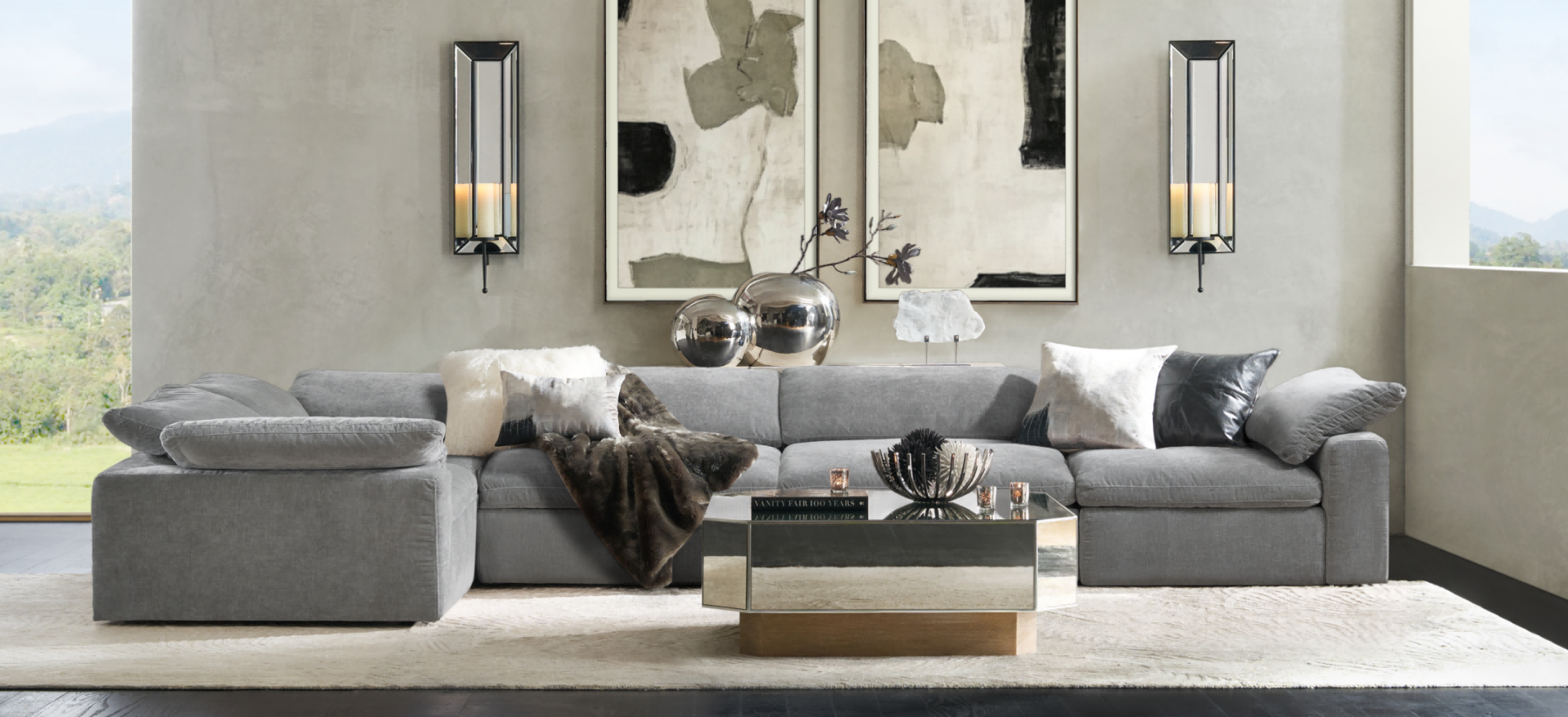
The OEM furniture landscape is evolving toward greater sustainability,
customization, and production agility. Key trends impacting the round cocktail table
OEM sector include:
Sintered stone and ultra-compact surfaces: Thin (6–12 mm)
sintered stone tops bonded to aluminum honeycomb cores offer exceptional
durability and stain resistance at reduced weight, enabling lower freight
costs.
Low-VOC and bio-based finishes: OEMs are increasingly
offering finishes with volatile organic compound (VOC) levels below 50 g/L,
meeting stringent indoor air quality standards for hospitality and
healthcare.
Modular base platforms: Standardized base attachment points
allow buyers to order multiple top designs that fit the same base inventory,
reducing SKU complexity and improving inventory turns.
Digital quality documentation: Cloud-based quality
dashboards allow buyers to track production status, inspection results, and test
data in real time, enhancing supply chain transparency.
OEM partners that invest in flexible manufacturing—robotic edge profiling,
automated spray lines, and real-time process monitoring—can deliver shorter lead
times and greater consistency, giving their clients a competitive advantage in
the marketplace.
Successfully executing a round cocktail table
OEM program requires rigorous specification, structured development
processes, and transparent quality systems. By prioritizing engineering
precision, finish durability, and supply chain resilience, buyers can achieve
product differentiation while maintaining predictable margins. Manufacturers
like Essent Home have demonstrated
that combining technical expertise with responsive OEM processes creates lasting
value for furniture brands, retailers, and commercial specifiers.
Frequently Asked Questions (FAQ)
Q1: What is the typical minimum order quantity (MOQ) for a round
cocktail table OEM project?
A1: MOQs vary based on complexity. For semi-custom projects
using existing frame platforms, MOQs typically start at 30–50 units per SKU. For
fully custom designs requiring new tooling or specialized finishes, MOQs often
range from 100–200 units. Some OEMs, including Essent Home, offer tiered MOQ
structures with higher volume breaks for custom finishes and lower MOQs for
catalog modifications.
Q2: How do I protect my design when working with an OEM
manufacturer?
A2: Protection begins with a comprehensive OEM agreement
that includes non-disclosure provisions and specific intellectual property
ownership clauses. For designs with unique features, filing design patents prior
to disclosing to manufacturers is advisable. Reputable OEMs will provide
exclusivity contracts preventing them from manufacturing your design for other
clients. Always document design ownership in the purchase order terms.
Q3: What lead times should I anticipate for an OEM furniture
order?
A3: Lead times depend on complexity and order volume.
Typical ranges: sample development: 4–6 weeks; pilot production: 3–4 weeks after
sample approval; full production: 8–12 weeks from order confirmation. Factors
affecting lead times include custom tooling requirements, material sourcing
(especially exotic veneers or specialty finishes), and current factory capacity.
Establishing a production schedule with milestone dates is essential.
Q4: How can I ensure consistent finish quality across large OEM
production runs?
A4: Consistent finishing requires several controls: (1)
maintaining a physical color standard reference at the factory; (2) using
spectrophotometer measurements to verify batch-to-batch match; (3) conducting
first article inspection for each production batch; and (4) requiring the OEM to
document their finishing process parameters (temperature, humidity, application
method). For stained wood finishes, specifying that all veneer comes from the
same log batch minimizes natural variation.
Q5: What documentation should I request from an OEM to verify
quality?
A5: A comprehensive quality package includes: first article
inspection report with dimensional and color data; test reports for structural
and finish durability (ANSI/BIFMA or equivalent); in-process quality control
records; packaging test results (ISTA 3A or similar); and a certificate of
conformance for each shipment. For large or high-value projects, consider
third-party inspection services to validate quality before
shipment.
Note: Technical specifications and testing
requirements should be verified with the manufacturer for specific product
applications. This information is provided for professional reference and does
not substitute for detailed engineering consultation.