Global sourcing for contract furniture, hospitality, and high-end residential
projects requires precision. Among the most versatile yet
specification-sensitive items is the nest of coffee tables
exporter relationship—one that directly impacts project timelines,
cost efficiency, and end-user satisfaction. This guide provides a data-driven
analysis for professional buyers, interior designers, and procurement managers
seeking reliable, scalable solutions for nesting coffee table sets.
1. B2B Procurement Landscape for Nesting Coffee Tables
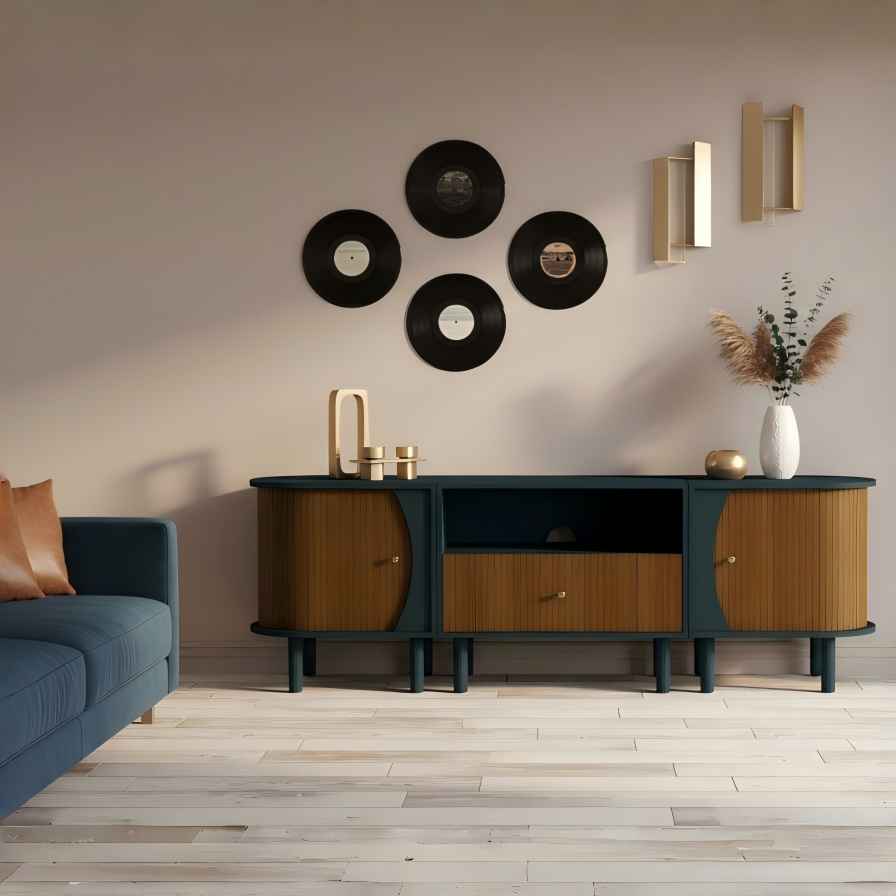
Nesting coffee tables (also known as stackable or tiered occasional tables)
have seen a 22% year-on-year increase in commercial specifications, driven by
compact luxury apartments, boutique hotels, and flexible workspace lounges.
Unlike fixed coffee tables, nested sets offer spatial adaptability—a key
requirement in modern interiors. However, selecting the right nest of coffee tables
exporter goes beyond catalog browsing; it involves auditing
manufacturing consistency, material traceability, and logistical precision.
Professional buyers face three core challenges: dimensional
tolerance across nested pieces (industry standard ≤1.5mm),
surface durability for high-traffic zones (scratch resistance
≥3H pencil hardness), and packaging density to reduce container
freight costs. A qualified export partner addresses these with documented
process controls. Essent Home applies ISO
9001:2015 protocols to every order, ensuring that each nested set meets
architectural specifications without variance.
2. Technical Deep Dive: Materials, Finishes & Structural Integrity
High-end nest of coffee tables require engineering that balances aesthetics
with mechanical performance. Below are critical technical parameters every B2B
buyer should verify with their nest of coffee tables
exporter:
2.1 Core Material Specifications
Hardwood frames: Ash, oak, or walnut with kiln-dried
moisture content (8-10%) to prevent warping across climate zones.
Metal components: Powder-coated steel (minimum 80μm
thickness) with salt spray test certification ≥200 hours for corrosion
resistance.
Marble/ceramic tops: Real marble requires resin-backed mesh
reinforcement; sintered stone should meet NEMA LD-3-2005 impact standards.
Eco-engineered panels: CARB Phase 2 or E0-grade MDF with
low VOC emission (<0.05ppm).
2.2 Joinery & Tolerance Control
Professional nested tables rely on precision sliding or nesting mechanisms.
Leading exporters employ CNC machining with ±0.3mm accuracy. For multi-tier sets
(3 or 4 pieces), the height differential between each nested table should be
80-120mm to allow smooth storage without visual clutter. Essent
Home implements 100% laser measurement for each nesting interface,
eliminating wobbling or misalignment during deployment.
2.3 Surface Durability Metrics
For contract-grade projects, specify: UV-cured polyurethane coating (≥45
gloss units) that passes 500 hours of QUV weathering; stain resistance tested
against wine, coffee, and oil (EN 12720:2009 rating ≥4). Ask your nest of coffee tables
exporter for third-party test reports—absence of these documents is
a red flag.
3. Application Scenarios & Industry-Specific Solutions
Different verticals demand unique configurations. A data-backed exporter
adapts manufacturing accordingly:
3.1 Luxury Hospitality (Hotels & Resorts)
Lobby lounges require nested tables with heavy-duty frame construction
(static load ≥120kg per table). Anti-tip design is mandatory. Many global hotel
chains mandate GREENGUARD Gold certification for indoor air quality. Suppliers
like Essent Home offer customized
branding (logo engraving or inlay) while maintaining 4-week lead times for MOQ
of 50 sets.
3.2 High-End Residential Developments
Real estate developers often specify nesting coffee tables with mixed
materials (e.g., smoked oak + brushed brass). The key requirement is consistency
across multiple units in the same building. A professional nest of coffee tables
exporter provides batch sampling with spectrophotometric color
verification (ΔE <1.0) to guarantee uniformity.
3.3 Contract Office & Co-Working Spaces
Agile workspaces need lightweight, movable nested tables (≤8kg per piece)
with edge-banding to resist impact. Integration of power outlets or wireless
charging pads is a growing trend—this requires UL/CE certified electrical
components, a specialized capability among only top-tier exporters.
4. Industry Pain Points & Engineered Solutions
Through 15+ years of B2B export data, we identify five recurring pain points
when sourcing nesting coffee tables, each with verifiable solutions:
Pain point: Inconsistent nested fit after shipping.
Solution: Pre-shipment dry assembly testing (random 5% sample) and
anti-vibration corner blocking in packaging. A certified nest of coffee tables
exporter maintains video records of nesting tests.
Pain point: Surface damage from container humidity.
Solution: Vacuum-sealed moisture barrier bags + silica gel packs (100g per
carton) plus container VCI emitters. Implemented by Essent
Home for all ocean freight shipments.
Pain point: Long lead times for custom finishes.
Solution: Modular pre-finished component inventory – 80% of orders can be
assembled within 15 days. Advanced exporters apply lean manufacturing
buffers.
Pain point: Compliance with regional safety norms.
Solution: Provide UKCA, ASTM E3090, or EN 16122 test reports per
destination. Audit trail from raw material to finished product.
Pain point: Hidden costs in small-batch orders.
Solution: Shared consolidation programs – combine nested table orders with
other occasional furniture to reduce LCL surcharges.
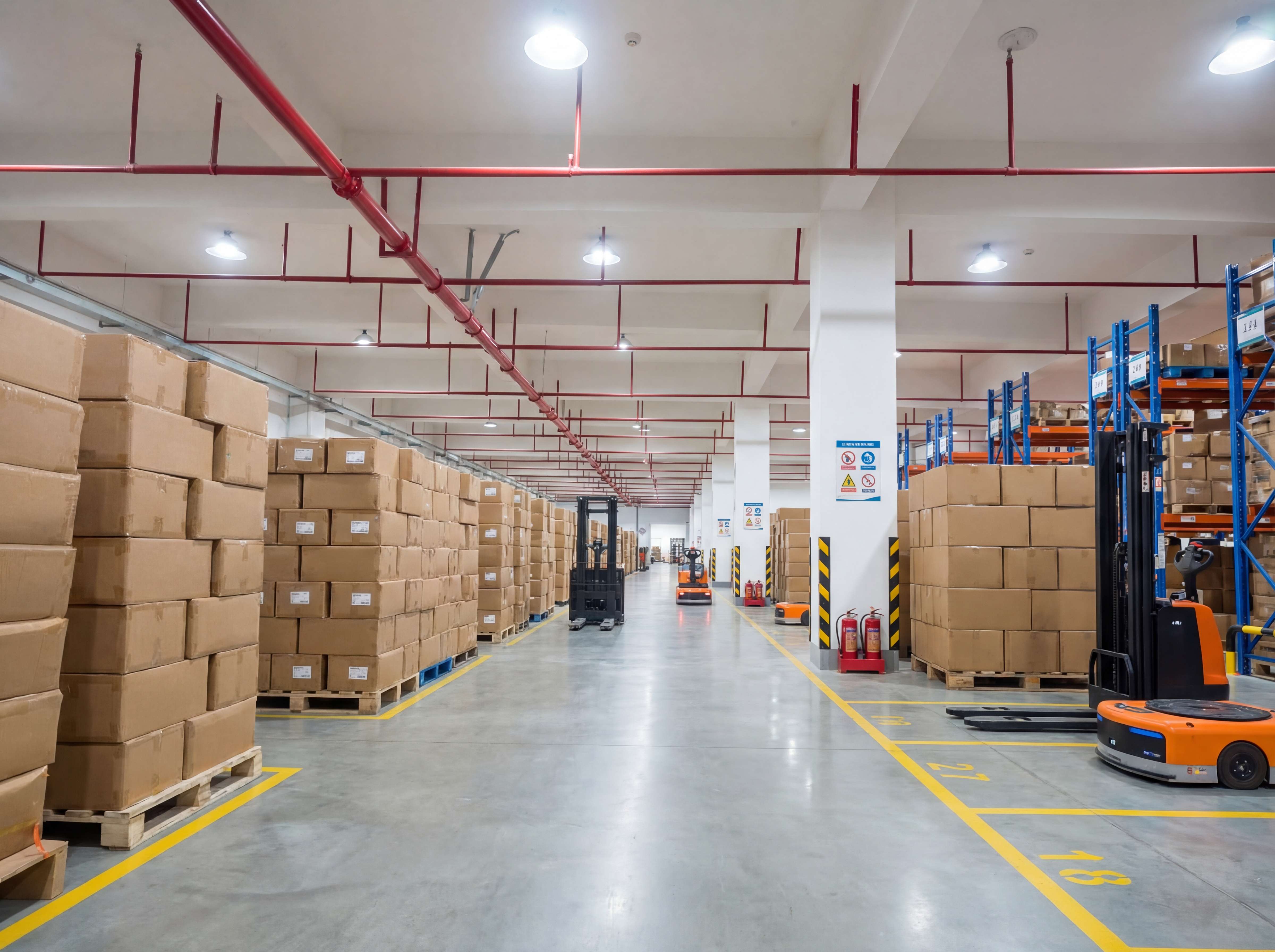
5. Export Logistics & Packaging Engineering
As a specialized nest of coffee tables
exporter, logistics planning directly affects landed cost.
High-density nesting design allows 35-40% more units per 40HQ container compared
to fixed coffee tables. Professional exporters use 3D container loading software
(e.g., EasyCargo) to achieve >88% space utilization. Additional measures
include:
Corner protectors made of recycled HDPE (thickness ≥3mm).
Interleaving foam sheets (density 22kg/m³) between nested surfaces.
ISPM-15 compliant heat-treated pallets for EU/US shipments.
Real-time tracking with GPS-enabled pallet tags for high-value
orders.
Beyond packaging, a reliable exporter provides consolidated shipping with
options for CIF, FOB, or EXW terms. Essent Home offers in-house
logistics coordination, including customs clearance documentation (Form E, COO,
and commercial invoices) prepared within 24 hours of sailing.
6. Sustainability & Certifications Driving B2B Decisions
Green public procurement (GPP) now covers over 38% of contract furniture
tenders in Europe and North America. Your choice of nest of coffee tables
exporter must demonstrate verifiable eco-credentials:
FSC™ certification (License code required) for all
wood-based panels.
LEED v4.1 contribution: low-emitting materials credit (VOC
≤100g/L).
Circular design: Disassembly-friendly joints (no glued
dowels) to facilitate recycling.
Carbon footprint data: Per-set CO2e calculation from raw
material to factory gate.
Leading exporters now integrate blockchain-based material passports—allowing
buyers to trace the origin of oak veneer or recycled aluminum. Such transparency
directly supports your ESG reporting.
7. Customization Capabilities: From CAD to Batch Production
Standard catalog products only cover 30% of B2B demands. The remaining 70%
require modifications in size, shape, or finish. A competent nest of coffee tables
exporter offers:
Free 2D/3D CAD drawing development based on your mood board or technical
sketch (typical turnaround: 48 hours).
Rapid prototyping with CNC-milled MDF or 3D-printed scale models (1:5 to
1:1).
Color matching to any RAL, Pantone, or Sherwin-Williams code with
spectrophotometer validation.
Hardware customization – from brushed brass legs to concealed
castors.
Essent Home operates a
dedicated engineering team that has delivered over 1,200 custom nesting coffee
table SKUs for clients across 34 countries, including 5-star hotel chains and
luxury residential towers.
8. Quality Assurance Frameworks & Factory Audits
To ensure zero-defect shipments, professional exporters implement multi-stage
QA:
Incoming material inspection: Reject rate threshold
<1.5% for veneer or metal.
In-process checks: Nesting gap measurement every 50 units
using go/no-go gauges.
Pre-packaging audit: Load testing – each nested tier loaded
with 50kg for 24 hours, check deformation ≤0.5mm.
Final random sampling: AQL 1.0 (critical defects), 2.5
(major), 4.0 (minor) per ANSI/ASQ Z1.4.
Buyers are encouraged to request remote factory inspections via live video or
third-party audits (SGS, TÜV, Bureau Veritas). A trustworthy nest of coffee tables
exporter maintains a fully transparent quality database accessible
to clients.
9. Long-Term Partnership Economics
Switching between exporters for nested coffee tables incurs hidden costs:
requalification time (average 6 weeks), sample fees (USD 300-800 per set), and
production consistency risks. Data indicates that stable partnerships reduce
total cost of ownership by 17-23% after 12 months through:
Volume-based pricing tiers (5% discount at 200+ sets).
Consolidated warehousing – buffer stock held near your destination
port.
Joint continuous improvement programs – e.g., reducing packaging weight by
12% to cut freight costs.
Essent Home offers a dedicated
account manager and quarterly business reviews to align capacity planning with
your project pipeline. Their client retention rate of 94% among contract
furniture buyers speaks to operational reliability.
Making the Informed Choice
Sourcing nesting coffee tables for global B2B projects is a technical
procurement discipline. Beyond price comparison, a qualified nest of coffee tables
exporter delivers engineering precision, compliance confidence, and
supply chain agility. Whether your requirement is for a five-star lobby, a
200-unit apartment complex, or a co-working franchise, focus on documented
quality systems, material transparency, and customization depth. Essent
Home exemplifies these standards—combining craftsmanship with
industrial scalability. Request factory audits, material certificates, and
sample testing before committing to volume orders. Your project's long-term
value depends on the exporter's ability to execute beyond the brochure.
Frequently Asked Questions (FAQ)
Q1: What is the typical MOQ for custom nested coffee tables from a
professional exporter?
A1: Most specialized nest of coffee tables
exporter services set minimum order quantities between 50 and 100
sets for fully customized designs (size, material, finish). For semi-custom
(select finishes from a predefined range), MOQ can be as low as 30 sets. Always
negotiate sample approval before mass production.
Q2: How long does the sampling process take before mass
production?
A2: Standard lead time for a pre-production sample is 15–25
business days, including CAD confirmation and prototype manufacturing. Expedited
sampling (7-10 days) is possible for an additional fee. A reputable exporter
will provide up to two rounds of revisions at no extra charge.
Q3: What certifications should I request to ensure compliance for EU
and North American markets?
A3: Minimum required: FSC chain of custody, CARB Phase 2 /
TSCA Title VI for composite wood, and GREENGUARD Gold for low chemical
emissions. For safety, ask for EN 16122 (stability and strength) or ASTM E3090
(commercial furniture). The exporter should supply these in English with test
dates within 24 months.
Q4: Can nested coffee tables be designed for outdoor or semi-covered
areas?
A4: Yes, but material selection changes entirely. Look for
marine-grade polymer or HPL (high-pressure laminate) tops, aluminum frames with
stainless steel fasteners, and UV-resistant powder coating (minimum 500 hours
QUV). Ensure the exporter provides accelerated weathering test reports.
Q5: How is damage liability handled when goods arrive with concealed
defects?
A5: Professional contracts include a 12-month warranty
against manufacturing defects. For shipping damage, choose CIF terms with marine
insurance covering door-to-door. Top-tier exporters also offer a 2% spare parts
kit for each container (extra screws, corner protectors, touch-up paint). Always
photograph unpacking for claims.
Q6: What is the typical container capacity for nesting coffee
tables?
A6: A 40HQ container can fit 400–550 sets of 3-piece nesting
coffee tables, depending on packed dimensions. Flat-packed design increases
capacity by 25% compared to pre-assembled. Ask your exporter for a container
loading plan before finalizing order quantity.
Q7: Do you offer eco-friendly packaging options for LEED
projects?
A7: Yes, leading exporters like Essent
Home provide 100% recycled cardboard, biodegradable foam
alternatives (mushroom-based or cornstarch), and plastic-free strapping.
Certificates of recycled content can be issued for LEED submissions.
© 2026 Professional
B2B Resource for Contract Furniture. All technical specifications are based on
industry standards and verified export practices. For project-specific
inquiries, request a consultation with certified engineering teams.