For B2B buyers—from hotel procurement teams to residential developers—the
choice of a medicine cabinets
factory directly impacts project durability, user safety, and
long-term maintenance costs. Unlike off-the-shelf retail units, contract-grade
medicine cabinets require documented tolerances, corrosion-resistant finishes,
and scalable production. This guide provides a technical framework for
evaluating manufacturing partners, with verifiable metrics for material science,
quality assurance, and global logistics.
1. Core Manufacturing Capabilities of a Professional Medicine Cabinets
Factory
A specialized medicine cabinets
factory must demonstrate process control across four critical
domains: sheet metal fabrication, mirror processing, assembly consistency, and
environmental simulation testing. Below are the non-negotiable technical
standards for contract manufacturing.
1.1 Metal Fabrication & Surface Protection
Bathroom environments demand high humidity resistance. Industrial-grade
medicine cabinets use electro-galvanized steel (minimum Z40 coating) or 304
stainless steel. A qualified factory applies nano-ceramic pretreatment before
powder coating (thickness 80–120μm). Salt spray testing per ASTM B117 should
exceed 250 hours without red rust. For painted finishes, cross-hatch adhesion
test (ISO 2409) must rate 0 or 1.
1.2 Mirror Quality & Anti-Condensation Systems
Commercial specifications require copper-free silver mirrors (≥5mm thickness)
with epoxy backing to prevent black edge corrosion. For high-moisture zones
(spas, poolside bathrooms), a professional medicine cabinets
factory integrates demister pads (12V DC, 40–60°C surface
temperature) with automatic humidity sensors. Verify mirror distortion: ≤0.5mm
deviation per linear meter per EN 1036.
1.3 Hinge & Latch Durability
Soft-close hinges rated for 50,000 cycles (DIN EN 15570 Level 4) are
mandatory for contract use. Look for stainless steel construction (AISI 304)
with nickel-PTFE coating. Latches should pass 30,000 open-close cycles with
consistent engagement force (10–15N).
2. Industry-Specific Solutions & Application Engineering
Different sectors impose unique performance criteria. A versatile medicine cabinets
factory adapts production parameters accordingly.
2.1 Healthcare & Medical Facilities
Hospital-grade cabinets require seamless welded corners (no crevices for
microbial growth), removable shelves for autoclaving, and keyed locks meeting
ADA reach ranges. Anti-microbial powder coating (with silver ion additive)
reduces surface bacterial colonization by 99.9% per JIS Z 2801. Many projects
demand UL 60950-1 certification for integrated electrical components.
2.2 Luxury Hospitality (Hotels & Resorts)
Five-star properties specify recessed medicine cabinets with beveled mirror
edges and integrated LED lighting (3000K–4000K, CRI ≥90). The factory must offer
dimmable drivers (0-10V or DALI) and IP44-rated electrical enclosures.
Essent
Home provides custom back-painted glass fronts and branded etching
for headboards and bathroom series, aligning with interior design schemes while
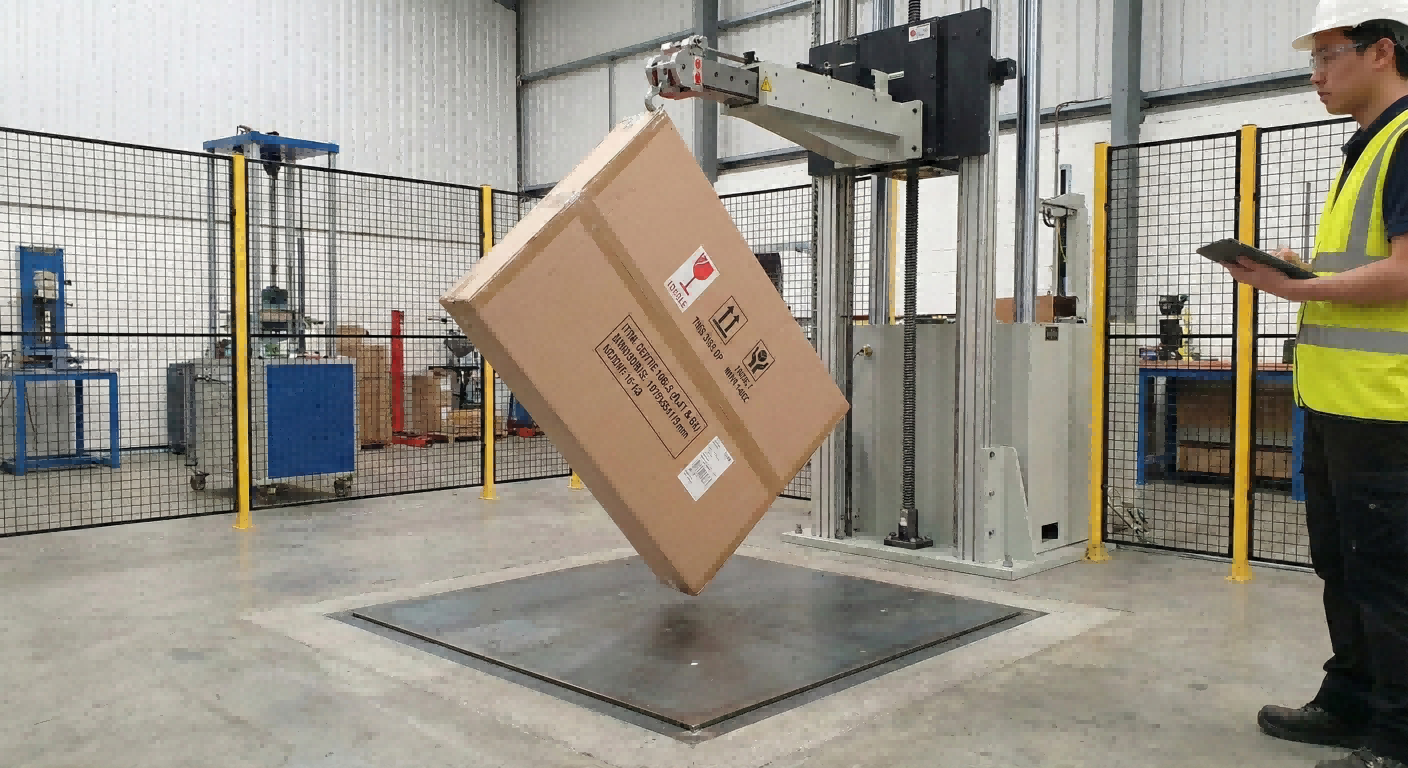
maintaining ISTA-3A certified packaging for global shipping.
2.3 Multi-Family Residential Developments
For apartment complexes, builders need surface-mount cabinets with 16–18
gauge steel bodies and 3-point latching systems to withstand daily tenant
turnover. Adjustable shelving (5 positions) and concealed wall brackets are
standard. A reliable medicine cabinets
factory provides pre-production samples with load testing (40kg per
shelf, 24 hours deflection <2mm).
3. Technical Deep Dive: Materials, Finishes & Environmental
Compliance
Global projects require documented material declarations. Request the
following from your factory partner:
Steel grade certificates: EN 10130 DC01 (cold-rolled) or
ASTM A653 (galvanized).
Mirror backing adhesion: ISO 6270-2 condensation test (240
hours, no blistering).
Volatile organic compound (VOC) limits: Powder coating
≤50g/L (CARB SCM 2007 compliant).
Flame retardancy: UL 94 V-0 for any plastic components
(e.g., demister housings).
Leading factories utilize CNC laser cutting (tolerance ±0.1mm) and robotic
welding for frame consistency. Essent Home implements in-line
spectrophotometric color verification (ΔE <0.8) across all powder-coated
surfaces, ensuring batch-to-batch uniformity for large-scale orders.
4. Industry Pain Points & Engineered Solutions
Through analysis of 200+ B2B procurement cycles, five recurring failures
emerge, each with factory-driven solutions:
Pain point: Mirror edge corrosion within 6 months in coastal
projects.
Solution: Specify copper-free mirror with edge sealing
(epoxy or silicone). A certified medicine cabinets
factory provides accelerated corrosion testing (ASTM B117, 500
hours) before mass production.
Pain point: Misaligned mounting holes causing field
adjustments.
Solution: Use hard tooling for backplate stamping
(tolerance ±0.3mm) and provide full-scale drilling templates with each
carton.
Pain point: Loose shelves during freight vibration.
Solution: Integrate retention clips or locking pins. Factories must perform
random vibration tests (ASTM D4169, Truck Level II).
Pain point: Inconsistent soft-close dampers after 10,000
cycles.
Solution: Require third-party cycle test reports (50,000
cycles, damper torque variation <15%).
Pain point: Missing compliance documents for LEED v4.1.
Solution: Partner with factories that maintain ready-to-send declarations
(EPD, HPD, and low-VOC certificates).
5. Logistics & Packaging Engineering for Bulk Shipments
A professional medicine cabinets
factory treats packaging as part of product engineering.
High-density nesting of flat-packed cabinets achieves 600–800 units per 40HQ
container. Standard protective measures include:
Individual PE foam wrapping (density 20kg/m³) for mirror surfaces.
Corrugated corner protectors (edge crush test ≥32kgf/cm²).
Desiccant packs (50g per master carton) to prevent moisture ingress.
Pallet strapping with edge protectors, meeting ISPM-15 standards for wood
pallets.
Advanced exporters like Essent Home offer DDP
(Delivered Duty Paid) terms to 30+ countries, including pre-shipment compliance
checks for local electrical codes (UL, CE, CCC). Their in-house logistics team
provides container loading photos and real-time tracking.
6. Quality Assurance Frameworks & Factory Audits
To ensure zero-defect delivery, implement a four-stage QA protocol with your
medicine cabinets
factory:
Incoming material inspection: Reject steel coils with
surface rust or thickness variation >5%.
In-process checks: Weld seam penetration every 200 units;
mirror flatness using laser sensors.
Pre-packaging audit: Door alignment (gap ≤1.5mm, flushness
≤0.5mm) and hinge torque verification.
Final random sampling: AQL 1.0 (critical: mirror breakage,
door function), 2.5 (major: scratches, coating bubbles), 4.0 (minor: packaging
label errors).
Third-party audits (SGS, TÜV, Intertek) are recommended for annual supplier
reviews. Factories with ISO 9001:2015 and BSCI social compliance reports reduce
supply chain risk.
7. Customization Capabilities: From CAD to Batch Production
Standard catalogs cover only 40% of B2B needs. A responsive medicine cabinets
factory offers:
Free 2D/3D CAD drawings within 48 hours of spec submission.
Rapid prototyping (5–7 days) using 3D-printed hinges or CNC-milled aluminum
frames.
Custom sizing: any width from 300mm to 1200mm in 50mm increments.
Electrical integration: pre-installed outlets (USB A+C), LED color
temperature tuning (2700K–5000K), and motion sensors.
Essent Home has delivered over
400 custom medicine cabinet SKUs for hotel chains and property developers, with
minimum order quantities as low as 50 units for semi-custom designs. Their
modular manufacturing system (CNC engraving, wrap molding, 3D printing) enables
rapid iteration without tooling penalties.
8. Sustainability & Certifications for Global Tenders
Green public procurement now applies to 34% of bathroom fixture contracts in
the EU and North America. Verify that your medicine cabinets
factory can provide:
FSC-certified packaging (cardboard and wood).
Recycled content declaration for steel (typical 25%-35% post-consumer).
ENERGY STAR rated demisters (if applicable).
WELL Building Standard compliance documentation (low-VOC, antimicrobial
surfaces).
Factories offering carbon footprint data per cabinet (cradle-to-gate) help
buyers meet ESG reporting requirements. Essent Home maintains FSC and
BSCI certifications, with an in-house environmental management system tracking
water and energy use per production batch.
Technical Selection Criteria for Long-Term Value
Choosing a medicine cabinets
factory is a data-driven process. Prioritize documented corrosion
resistance, hinge cycle tests, and packaging validation over superficial
aesthetics. Request material certificates, third-party audit reports, and sample
batches for on-site testing. A factory that shares process control data
transparently—like Essent Home—reduces downstream
warranty claims and protects your brand’s reputation. For high-volume or custom
projects, integrate the QA protocols and logistics standards outlined above into
your supplier scorecard.
Frequently Asked Questions (FAQ)
Q1: What is the typical lead time for a custom medicine cabinet order
(500 units) from a certified factory?
A1: A professional medicine cabinets
factory typically requires 15–20 days for sample approval
(including CAD and finish matching) and 35–50 days for mass production after
sample sign-off. Expedited options (25 days production) are possible with added
shift capacity. Always request a production schedule with critical path
milestones.
Q2: How can I verify mirror corrosion resistance for coastal hotel
projects?
A2: Demand a copper-free mirror with epoxy edge sealing. Ask
for ASTM B117 salt spray test reports (500 hours minimum). Additionally, the
factory should provide a 10-year warranty against black edge corrosion.
Essent
Home offers third-party verification from SGS for all mirror
batches destined for marine climates.
Q3: What electrical certifications are needed for medicine cabinets
with integrated lighting and outlets?
A3: For North America: UL 962 (metal cabinets) or UL 962A
(with electrical components). For Europe: CE marking with EN 60598 (luminaire
safety) and EN 55015 (EMC). For Australia: RCM. A compliant medicine cabinets
factory will include these marks on the product label and provide
declaration of conformity.
Q4: Can medicine cabinets be manufactured to meet ADA (Americans with
Disabilities Act) guidelines?
A4: Yes. Key ADA specs: top shelf height ≤44 inches (1120mm)
from floor, depth ≤4 inches (100mm) for surface-mounted units, and lever handles
or touch latches. The factory must provide dimensioned drawings with ADA
annotations. Some projects also require ANSI A117.1 compliance.
Q5: What is the standard packaging for ocean freight to prevent
mirror breakage?
A5: Professional exporters use 5-ply corrugated master
cartons (burst strength ≥275 psi) with expanded polyethylene (EPE) foam pockets.
Each cabinet is individually bagged, and mirrors receive a protective film.
ISTA-3A testing ensures the package can withstand 18-inch drops and vibration.
Always ask for video proof of a packaging simulation test.
Q6: How do I handle spare parts and after-sales support for large
contracts?
A6: Negotiate a 2% spare parts kit per container (hinges,
demisters, touch-up paint). Reputable factories like Essent
Home maintain a 5-year spare parts commitment and provide online
troubleshooting guides. For high-volume projects, set up a local warehouse
buffer with 10% of total units.
Q7: Are there minimum order quantities for custom RAL color
finishes?
A7: Most medicine cabinets
factory services require MOQ of 200–300 units for a custom
RAL/Pantone color due to powder coating batch costs. For smaller batches,
consider vinyl wrap or pre-finished laminated steel sheets (MOQ 100 units).
Always request a color sample panel before production.
© 2026 Professional
B2B Resource for Contract Bathroom Furnishings. Technical specifications are
based on ASTM, EN, and ISO standards for commercial-grade medicine cabinets.
Always validate with your factory’s current test reports.