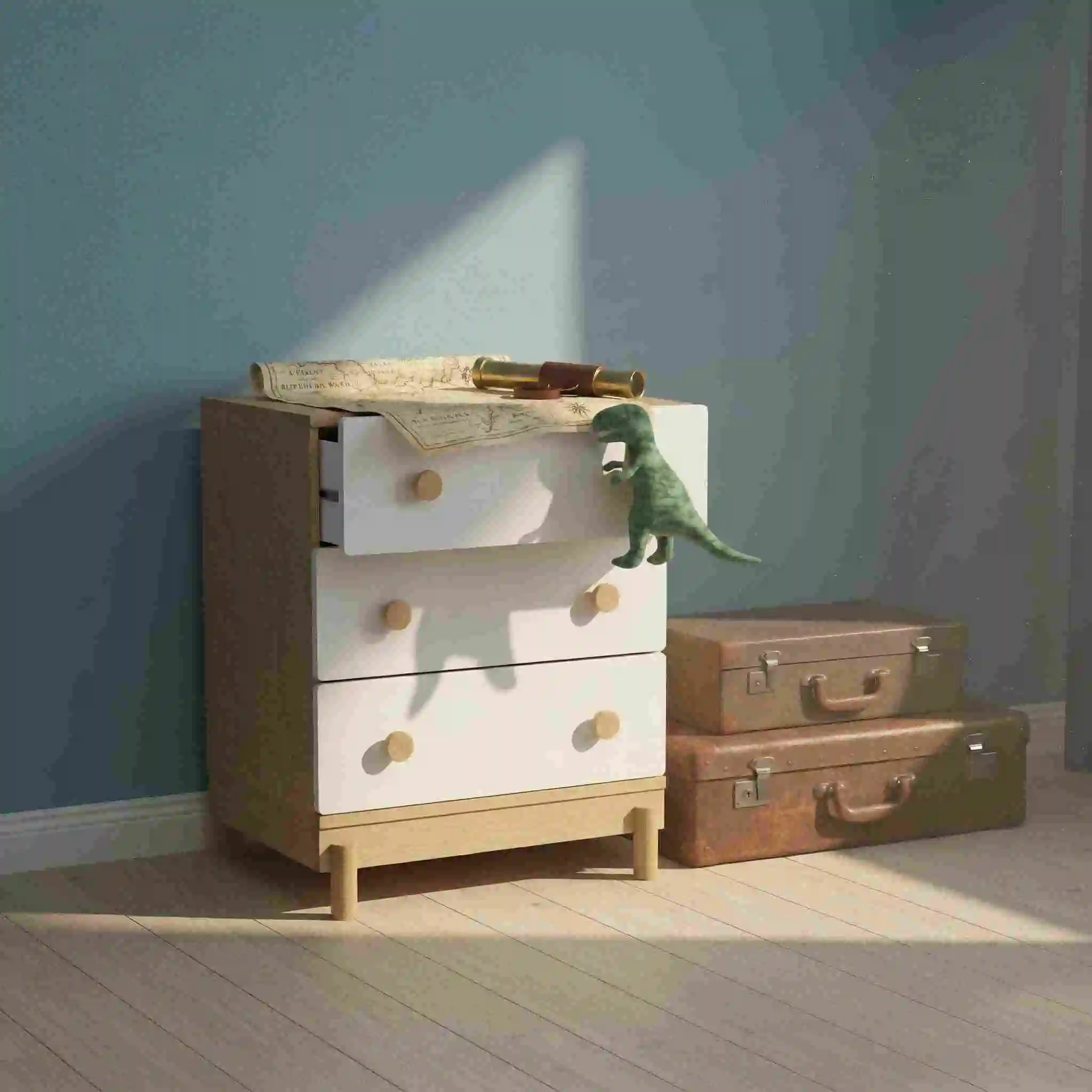
An Insider’s Look at Smart Sourcing
When international buyers source bedroom furniture, the material conversation is usually the first hurdle. Buyers know that solid wood eats into profit margins and risks cracking in transit, but they also see consumer complaints on forums like Reddit about cheap MDF (Medium Density Fiberboard) stripping screws or swelling.
So, is MDF actually a viable core material for a profitable, low-risk wholesale program?
As an integrated furniture enterprise—combining our own proprietary manufacturing with a robust, curated network of specialized partner factories across the region—we navigate this question daily with buyers from North America, Europe, and the Middle East.
The reality is that commercial-grade MDF is structurally and financially superior for high-volume import programs. The difference between a high-return nightmare and a bestselling product line doesnt just come down to the material itself, but how your supply chain manages the engineering and quality control.
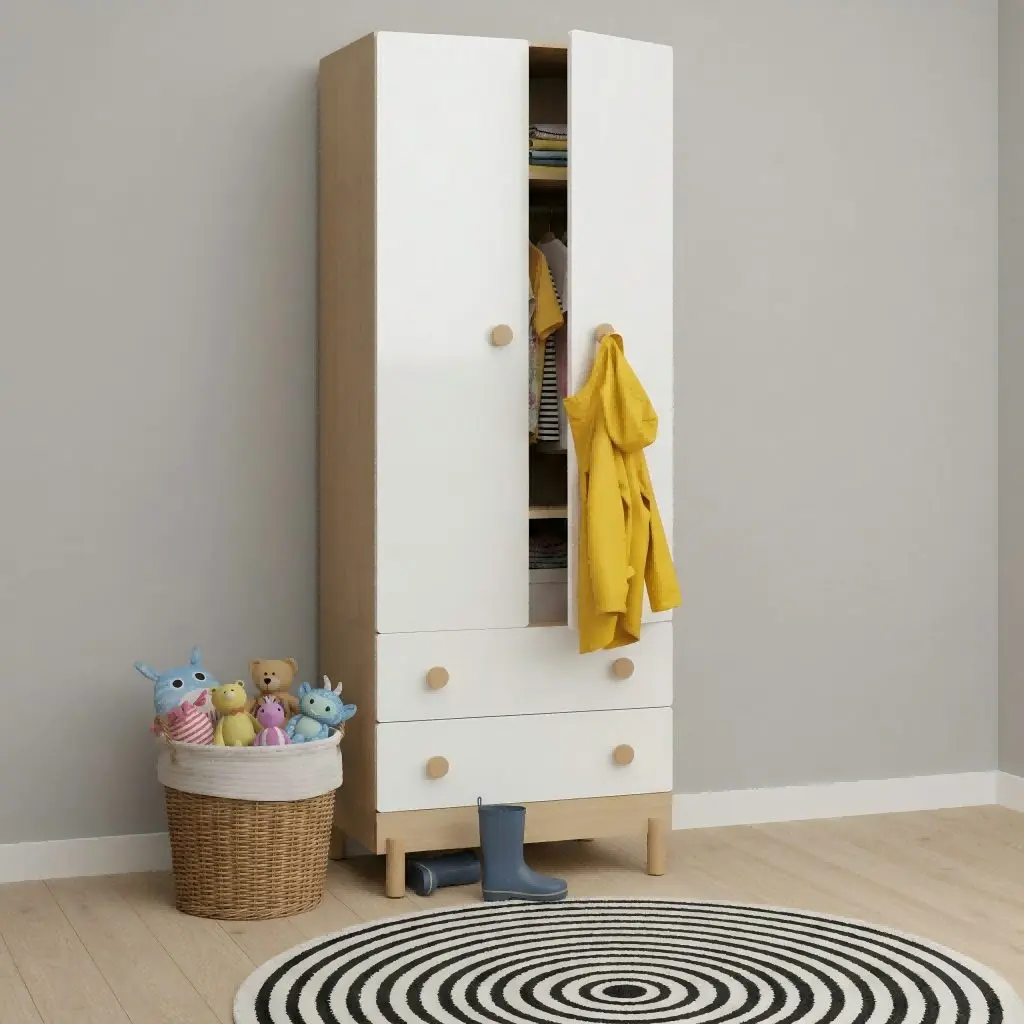
The Design Reality: Why Premium Looks Demand MDF
If you look at the current retail market, consumers are gravitating toward highly specific aesthetics: the clean, minimalist lines of Japandi, the smooth matte finishes of French Cream, or the rich, seamless textures of Mid-Century Modern.
Achieving these flawless, continuous surfaces with solid wood is often technically impossible due to natural wood grain and joint expansion. MDF acts as the perfect, stable canvas. Because we operate a hybrid manufacturing model, we can match your specific design requirements with the right production node in our network. Whether a collection requires complex CNC routing, premium wood veneers, or multi-layer lacquers, MDF allows us to scale production efficiently while delivering the high-end aesthetic your end-users demand.
The Export Advantage: Climate Stability and CBM Yield
When you are shipping containers globally, you are fighting two main enemies: climate changes and freight costs.
Defeating the Climate Issue:
Furniture shipped to the dry heat of the Middle East or the fluctuating zones of North America undergoes extreme stress. Solid wood breathes, warps, and cracks under these conditions. Engineered MDF is inert. It guarantees structural stability regardless of where your retail customers live.
Maximizing Container Space:
MDF is manufactured with exact uniformity. This precision is ideal for Ready-To-Assemble (RTA) and flat-pack furniture. For a wholesale buyer, this means maximum CBM (Cubic Meter) utilization inside a 40GP or 40HQ container, drastically lowering the landed freight cost per unit.
How We Eliminate the "Cheap Furniture" Stigma
The complaints you read online about MDF usually stem from buyers sourcing blindly from bottom-tier suppliers. By integrating our own production lines with deeply vetted partner factories, we enforce strict, unified quality control standards across the entire supply chain:
Mandating Core Density:
We specify high-density commercial boards for all load-bearing bedroom pieces (like wardrobes and platform beds) across all our manufacturing partners. A denser core means exceptional screw-holding capacity, eliminating the "wobble" that consumers hate.
Precision Edge Banding:
Moisture is the enemy of engineered wood. We ensure that every factory in our network utilizes advanced edge-banding technology to seal the boards completely, making them highly resistant to environmental moisture.
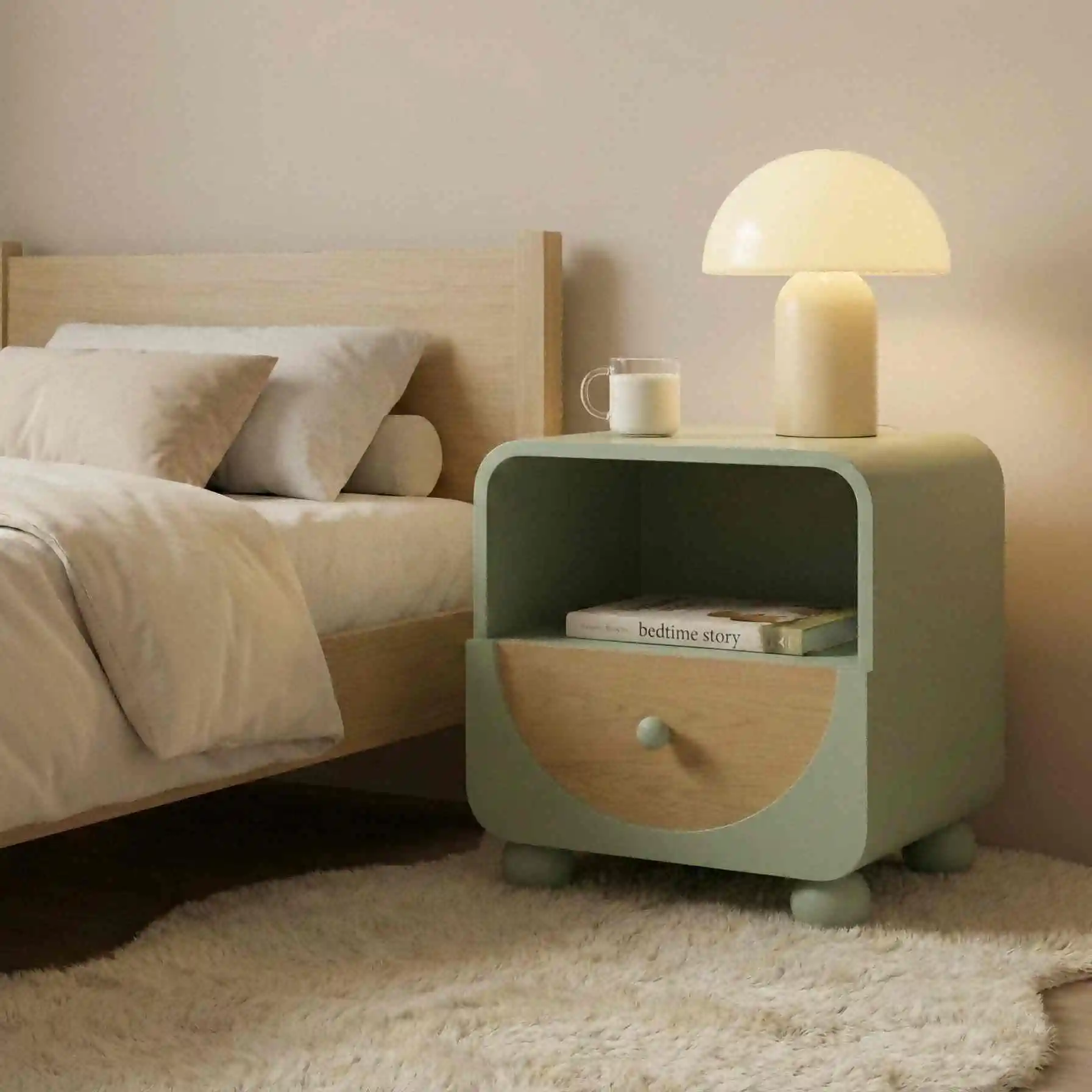
The Final Check: Surviving the Journey
You can design a beautiful nightstand, but if the corners crush on the way to the warehouse, it’s a total loss. MDF is dense and heavy. Standard export cartons are simply not enough.
This is where a managed supply chain proves its worth. We mandate strict packaging protocols across all our facilities. By utilizing dense EPS foam, reinforced corner protectors, and designing our packaging to meet ISTA-3A drop-test standards, we ensure that the heavy MDF panels survive the complex journey from the factory floor to your customers door.
Sourcing FAQ: What Buyers Usually Ask Us
Q: Do your MDF products meet our local environmental regulations?
A: Yes. Compliance is unified across our entire supply chain. For North American clients, we utilize materials strictly complying with CARB Phase 2 and EPA TSCA Title VI formaldehyde emission standards. For European markets, we ensure E1 or E0 compliance, providing the necessary test reports to clear customs smoothly.
Q: Can MDF be used for structural pieces like bed frames?
A: Yes. While we often incorporate solid wood or metal for inner structural supports to ensure maximum load-bearing capacity, high-density MDF is excellent for large side panels and headboards because it will not warp over time.
Q: How does your hybrid factory model benefit our OEM/ODM projects?
A: Flexibility. Instead of being limited by the machinery of a single factory, our network allows us to route your specific design—whether it requires specialized carving techniques or specific surface treatments—to the facility best equipped to handle it, without compromising on our centralized quality control.
Q: How do you handle the high shipping weight of MDF in packaging?
A: Weight distribution is a core part of our R&D process before mass production begins. We design our flat-pack layouts to balance the weight inside the carton, and we rigorously apply ISTA-3A testing so the packaging absorbs any impact during transit, rather than the furniture panels themselves.