Sourcing bedroom dressers from international markets requires more than a
catalog and a price list. A competent dresser exporter must demonstrate control over material quality, joinery integrity, surface
finish durability, and export packaging that survives ocean transit. Essent
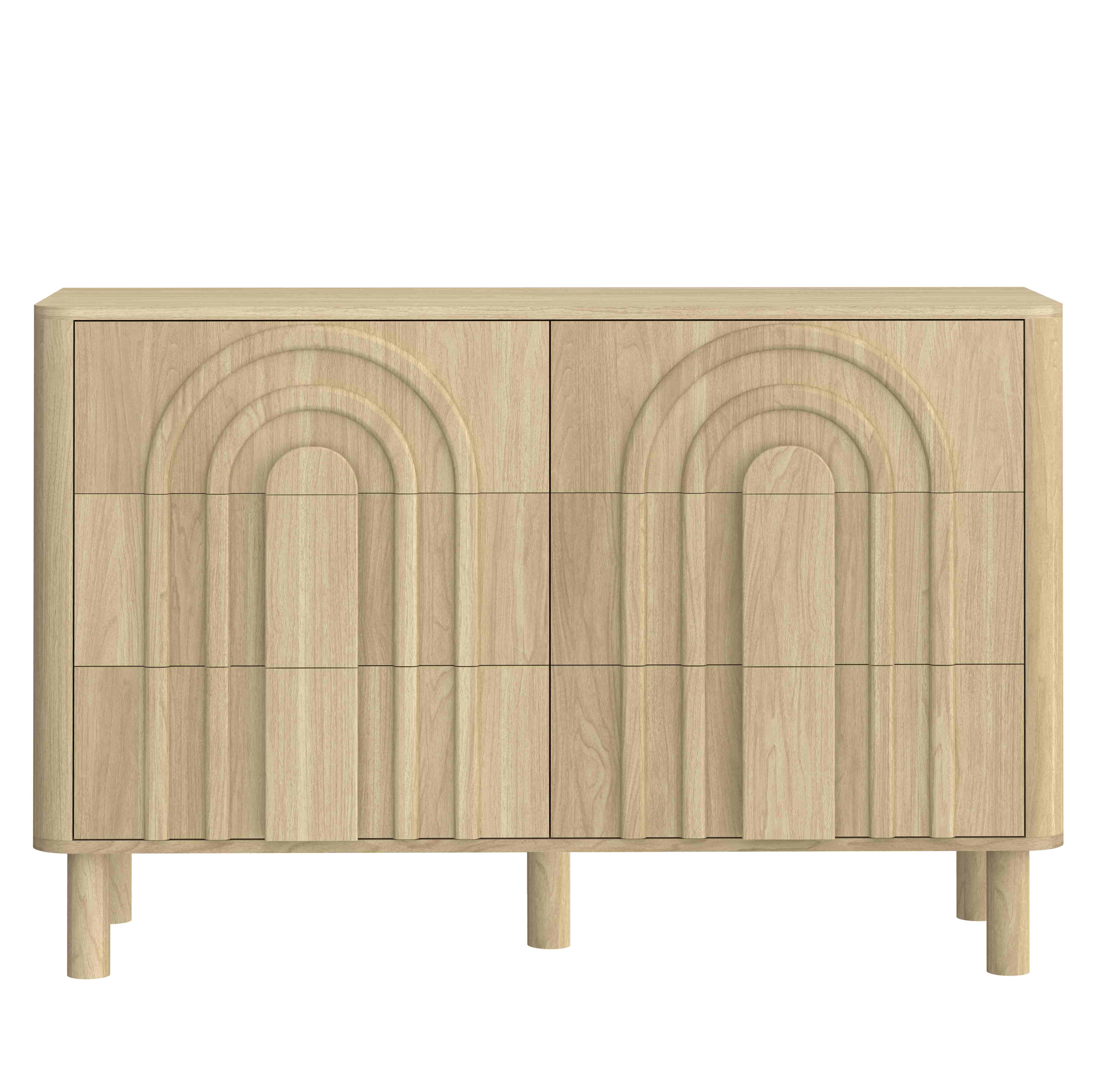
Home operates as a dedicated manufacturer and exporter of chest
dressers, tall dressers, and drawer storage units, serving wholesale and retail
partners worldwide. This article provides procurement managers, interior
designers, and furniture buyers with a framework to evaluate a dresser exporter –
focusing on engineering specifications, common supply chain pitfalls, and
logistics requirements for cross‑border trade.
Why the Choice of Dresser Exporter Directly Impacts Your Brand
Reputation
Importing dressers is not merely a transaction. A reliable dresser exporter provides consistent quality across container loads, helps you comply with local
regulations (CARB, REACH, BS 5852), and ensures that packaging prevents
in‑transit damage. Conversely, an unprepared exporter leads to returns, customer
complaints, and hidden costs. Below are the critical technical areas that
separate a professional exporter from a simple trading agent.
Key Technical Parameters When Evaluating a Dresser Exporter
Request detailed specifications from any potential dresser exporter on the following five fronts.
1. Material Composition and Wood Quality
Bedroom dressers typically combine solid wood and engineered panels. A
transparent exporter will specify:
Solid wood species – poplar, rubberwood, oak, or birch for
frames, legs, and drawer fronts. Moisture content must be 8–12% (kiln‑dried) to
prevent warping after export.
Panel core – plywood (multiple layers, low formaldehyde) or
medium‑density fibreboard (MDF) with density >700 kg/m³ for screw‑holding
capacity.
Veneer – thickness (0.3–0.6 mm), species matching, and
grain continuity.
Edge banding – ABS or PVC, 1–2 mm thickness, applied with
PUR adhesive to resist humidity.
2. Joinery and Drawer Construction
Drawer boxes and carcass joints determine longevity. Competent exporters
use:
Dovetail or mortise‑and‑tenon joints for solid wood drawers
– far stronger than stapled butt joints.
Wood dowels + glue for carcass assembly, reinforced with
corner blocks.
Drawer slides – full‑extension, soft‑close, with load
rating 30 kg or higher. Specify brand (Blum, Hettig, or equivalent) and material
(zinc‑plated steel).
Back panel – minimum 5 mm thick, grooved or screwed (not
stapled).
3. Finish and Surface Testing
Surface finish must resist scratches, stains, and humidity. Request lab
reports for:
Lacquer or paint system – polyurethane (PU), conversion
varnish, or water‑based. Water‑based finishes have lower VOC but require longer
curing (7 days).
Cross‑hatch adhesion – ISO 2409, rating 0 or 1 (no
flaking).
Abrasion resistance – Taber test, at least 150 cycles
without wear through.
Chemical resistance – resistance to ethanol, water rings,
and hand cream (common in bedroom use).
4. Export Packaging Specifications
Shipping dressers from Asia to Europe or North America demands robust
packaging. A professional dresser exporter will provide:
Corner and edge protectors – expanded polyethylene (EPE)
foam or molded pulp.
Polyethylene (PE) bag with desiccant to prevent
condensation (container rain).
5‑ply export carton with edge crush test (ECT) rating 44 or
higher.
Pallet banding – polyester straps with edge protectors, not
just shrink wrap.
Container loading plan – stacking diagram to avoid
crushing.
5. Compliance and Certifications
Verify that the exporter holds and provides documentation for:
ISO 9001:2015 – quality management system.
FSC® Chain of Custody – for responsible wood sourcing
(required by many EU and US retailers).
TSCA Title VI (US) or CE marking (EU) –
formaldehyde emission compliance.
BIFMA X5.1 – stability and strength tests, including
tip‑over resistance.
Test reports from ISO 17025 accredited lab – not in‑house
claims.
Industry Pain Points and How a Qualified Dresser Exporter Solves Them
Importers frequently face recurring issues. Below are the most common
complaints and the engineering solutions applied by experienced exporters like
Essent
Home.
Pain Point 1: Drawer Misalignment or Sticking After Delivery
Root cause: High humidity during sea freight (container
rain) causes wood expansion. Solution: The exporter uses
kiln‑dried wood (MC 8%) and applies moisture‑barrier paint on drawer bottom and
back. Soft‑close slides are selected with built‑in tolerance for slight wood
movement (1–2 mm).
Pain Point 2: Finish Peeling or Blistering Within Months
Root cause: Inadequate curing time before packaging.
Solution: A professional dresser exporter maintains a minimum 72‑hour curing cycle at 25°C and 50% RH before packing. They
also perform cross‑hatch tests on samples from each batch.
Pain Point 3: Broken Drawer Bottoms or Back Panels
Root cause: Thin materials (3 mm fibreboard) and stacking
pressure in container. Solution: Specify drawer bottom
thickness of at least 5 mm (plywood) and back panel thickness 6 mm with
additional centre support for tall dressers (>1 m height). The exporter adds
internal cardboard spacers between stacked items.
Pain Point 4: Formaldehyde Odor Exceeding Local Limits
Root cause: Use of urea‑formaldehyde (UF) glue in panels.
Solution: The exporter must provide CARB Phase 2 or E0/E1 grade
panels and use MDI (methylene diphenyl diisocyanate) or phenolic resin for
plywood. Testing follows EN 717‑1 (chamber method) with results below 0.124
ppm.
Logistics and Lead Time Management from a Dresser Exporter
Exporting furniture involves long lead times. A competent exporter
communicates clearly:
Production lead time – typically 30–45 days after deposit
and sample approval.
Buffer for peak seasons – add 15 days for Chinese New Year,
summer holiday.
Container loading and sealing – photos or video of loading
process shared with buyer.
Documentation package – packing list, commercial invoice,
bill of lading, certificate of origin, and fumigation certificate (if wood
pallets used).
For urgent orders, some exporters offer partial air shipment for samples or
small batches – but sea freight remains economical for full dressers.
Value‑Added Services from a Premier Dresser Exporter
Beyond basic supply, top exporters provide services that reduce importer
workload:
Custom design and OEM – 3D drawings, structural
engineering, and prototyping (10–20 samples).
Mixed container consolidation – combine dressers,
nightstands, and beds from multiple product lines.
Warehousing and break‑bulk – hold inventory in destination
country for just‑in‑time delivery.
After‑sales spare parts – pre‑packaged drawer slides,
handles, and touch‑up markers.
Essent Home offers turnkey OEM
for tall dressers and chest dressers, with an in‑house design team that can
adjust drawer configuration, handle style, and finish color based on market
trends. As a dedicated dresser exporter,
they simplify global procurement.
Frequently Asked Questions (FAQs) on Dresser Exporter Selection
Q1: What is the minimum order quantity (MOQ) when dealing with a
dresser exporter?
A1: MOQ varies by exporter. For standard catalog models, MOQ
is often one 40‑ft container (approx. 150–250 dressers depending on size). For
custom OEM designs, MOQ typically starts at 300–500 pieces to amortize tooling
and sample costs. Some exporters accept smaller trial orders (20–50 units) via
LCL (less than container load) but at higher per‑unit freight cost. Always
confirm MOQ before negotiating.
Q2: How can I verify the quality of a dresser exporter without
visiting the factory?
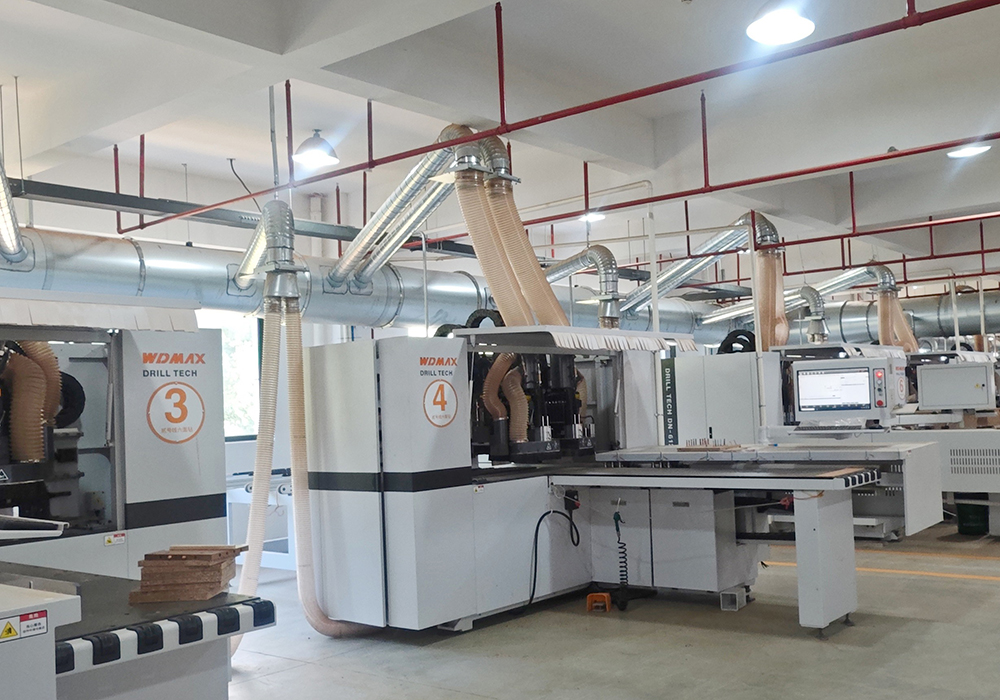
A2: Request a pre‑production sample (usually at buyer's
cost). Also ask for a video call to walk through the production line – focusing
on joinery, sanding, and packaging areas. Third‑party inspection (e.g., SGS,
Bureau Veritas) during loading is recommended for first orders. Check online
databases for export records or customer reviews. A transparent dresser exporter will provide references from other importers in your region.
Q3: Which wood species is best for dressers shipped to humid climates
(e.g., Southeast Asia or coastal US)?
A3: Rubberwood (Hevea) and poplar have moderate moisture
resistance when properly sealed. For high‑humidity destinations, specify
engineered panels with waterproof adhesive (phenolic) and apply a urethane
topcoat on all six sides of the dresser, including the back and bottom edges.
Solid oak is dimensionally stable but heavier and more expensive. Avoid MDF with
standard UF glue in humid areas – it swells irreversibly.
Q4: How long does a typical dresser last if manufactured by a
professional dresser exporter?
A4: With proper materials (dovetail drawers, 5‑mm plywood
backs, and durable finish), a dresser from a good exporter should last 15–20
years in residential use. Frequent failure points are drawer slides
(replaceable) and edge banding – specify PUR glue for banding to avoid peeling
after 5 years. Some exporters offer a 5‑year warranty on structural parts.
Q5: Can I mix different dresser models in one container to reach
MOQ?
A5: Yes, most flexible exporters allow mixing of SKUs (e.g.,
tall dresser + wide chest + nightstands) within the same container to achieve
total volume commitment. This helps retailers test multiple products. However,
each model may have separate mold or sample fees. Ensure the exporter provides a
mixed loading plan to avoid damage. Essent Home specializes in
mixed‑container programs for bedroom sets.
Next Step: Partner with a Proven Dresser Exporter
Choosing the right dresser exporter directly impacts your landed cost, customer satisfaction, and repeat orders.
Essent
Home combines in‑house manufacturing (no trading middleman), full
compliance documentation, and packaging tested for ocean transit. We offer
sample approval, third‑party inspection support, and container consolidation for
bedroom suites. Send your product requirements – including target dimensions,
wood species, drawer configuration, and finish color – to receive a tailored
quotation and lead time.
Submit your inquiry here: https://essentfurniture.com/contact – Our export team will respond within 24 hours with a catalog, MOQ details, and
a reference list of global partners.