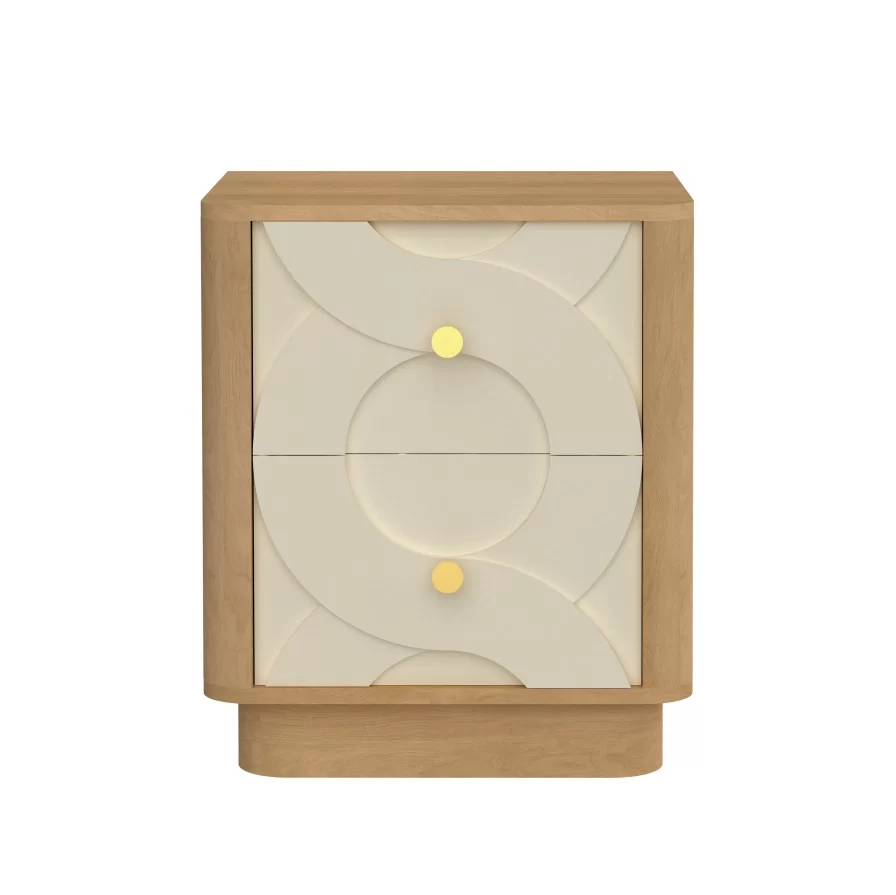
Corners used to be an interior design afterthought. Homeowners filled them
with oversized houseplants or ignored them entirely. In 2026, custom
accent corner cabinets are changing how architects and
designers treat room perimeters.
Instead of leaving dead space along intersecting walls, high-end residential
and hospitality projects now use tailored millwork to anchor the entire room.
Built-in joinery turns sharp, awkward angles into functional display zones and
quiet architectural statements.
At Essent Home, our engineering and fabrication teams
partner directly with interior designers, developers, and custom builders to
turn complex floor plans into precision millwork. If you are sourcing bespoke
cabinetry for an upcoming residential or commercial project, contact our trade
desk early in your planning phase to request CAD support and custom project
pricing.
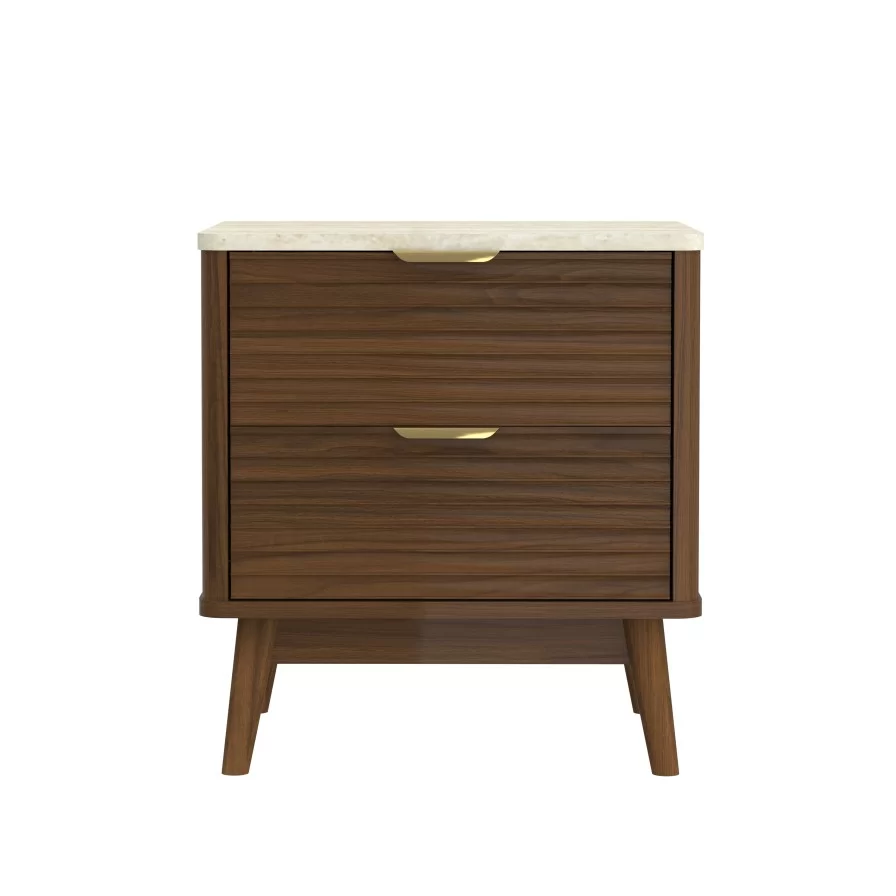
Why Custom Accent Corner Cabinets Are Dominating 2026 Interior Design
Off-the-shelf furniture rarely fits a room corner cleanly. Standard retail
units leave awkward wall gaps, clash with existing baseboards, and rely on thin
veneers that chip within a few years.
Custom accent corner cabinets solve these structural flaws
through exact site measurements and precision scribing. Even when drywall
intersections sit slightly out of square, a custom millworker scribes the face
frame tightly against both surfaces.
This seamless fit reflects the broader shift toward quiet luxury in 2026.
Rather than relying on loud ornaments, modern interiors focus on honest
materials, tight joinery tolerances, and purposeful storage. Compare standard
retail units with custom millwork:
- Wall Alignment: Retail cabinets leave uneven dust traps
behind angled frames, while custom units scribe flush to walls, ceilings, and
floor trim.
- Material Thickness: Mass-produced pieces often use hollow
cores and particleboard, whereas bespoke corner storage uses solid hardwood,
architectural plywood, and natural stone.
- Proportion Control: A built-in corner accent cabinet
matches your exact ceiling height and room scale, preventing the space from
looking crowded or undersized.
7 Luxury Trends for Accent Corner Cabinets in 2026
Designers are pushing millwork beyond basic triangular boxes. These seven
luxury trends define how accent corner cabinets look, feel, and
function across high-end interiors in 2026.
1. Organic Curves & Seamless Radius Edges
Sharp 90-degree room angles can make living spaces feel rigid. Curved corner
cabinetry softens those transitions by sweeping smoothly from one wall to the
next.
Fabricators achieve these fluid silhouettes using traditional steam bending on solid oak and walnut or through multi-layer
laminated substrates coated in high-build lacquer. The result is a continuous
tambour or radiused door front with zero harsh edges.
This gentle geometry improves room circulation as well. Guests move naturally
past rounded millwork in tight dining rooms, hallways, and penthouse lounges
without catching elbows on protruding corners.
2. Fluted & Textured Glass Corner Cabinets
Open shelving displays everything, including visual clutter. Solid wood doors
hide everything, which can make a tall corner unit feel heavy. A fluted glass
corner cabinet strikes the ideal middle ground.
Vertical reeded, fluted, and cast-textured glass panels diffuse light while
softening the outlines of glassware, ceramics, and art books inside. When framed
in slim blackened steel or brushed bronze stiles, a modern corner display
cabinet gains depth without overwhelming the room.
For commercial hospitality suites and busy family homes, designers specify
tempered architectural safety glass. It delivers delicate optical refraction
alongside high impact resistance.
3. Moody Jewel Tones & Rich Earthy Finishes
Stark, all-white cabinetry is stepping aside for deeper, pigment-rich
palettes. Designers in 2026 use bold finishes to help accent corner
cabinets earn their name as true visual anchors.
Deep emerald green, burnt terracotta, oxblood, and velvety charcoal dominate
current specification boards. Rather than flat latex paint, luxury projects
favor two finishing techniques:
- Ultra-Matte Nano-Laminates: Soft-touch,
fingerprint-resistant surfaces that absorb glare and create a calm, mineral-like
finish.
- Multi-Coat Piano Lacquer: Mirror-smooth, hand-buffed
high-gloss finishes that bounce ambient daylight across dim room
corners.
Pairing saturated lacquer with unlacquered brass hardware or dark stone
interiors adds rich contrast inside every shelf bay.
4. Integrated Smart Lighting & Museum-Grade Illumination
Poorly lit corners swallow up prized collections. Modern integrated LED
cabinet lighting turns a shaded perimeter wall into a gallery-grade focal
point.
Instead of sticking visible plastic light strips under shelves, custom shops
mill narrow aluminum channels directly into vertical stiles and shelf
undersides. Light washes evenly across objects without exposing harsh LED diodes
to eye level.
High-end specifications demand LEDs with a Color Rendering Index (CRI) of 95 or
higher so wood grain, crystal, and artwork display true, accurate colors.
Tunable 2700K-to-4000K drivers paired with concealed door-contact sensors
automatically shift lighting from bright daytime clarity to warm evening
ambiance.
5. Mixed Luxury Materials: Travertine, Brass & Dark Walnut
Single-material cabinetry often feels flat under close inspection. Luxury
corner cabinets in 2026 layer contrasting organic textures to engage both sight
and touch.
Quarter-sawn American black walnut provides warm, linear wood grain across
the main carcass. Designers then break up the timber with honed Roman travertine
deck tops, ribbed leather drawer liners, and satin brass edge inlays.
Essent Home fabricates these multi-material assemblies using
precision CNC joinery and hand-finished stone slabs. By coordinating wood,
metal, and natural stone under one manufacturing roof, architects avoid
mismatched finishes between separate trades.
6. Dual-Purpose Corner Bar & Hidden Espresso Stations
Luxury buyers want beauty backed by daily utility. Two of the most requested
corner bar cabinet ideas in 2026 center on concealed hospitality stations tucked
neatly behind pocket doors.
During the day, closed doors present a calm, architectural facade. At night
or early in the morning, heavy-duty retracting pocket hardware slides the doors
seamlessly into side bays, revealing a complete wet bar or built-in espresso
station.
Key functional upgrades inside these hidden stations include:
- Waterproof honed quartzite or sintered stone prep decks for spill
resistance.
- Custom-routed wine stemware racks and cushioned bottle dividers.
- Concealed toe-kick ventilation grilles for compact under-counter wine
chillers or plumbed ice makers.
7. Floor-to-Ceiling Architectural Built-Ins
Freestanding cabinets that stop two feet short of the ceiling collect dust
and visually shorten a room. Floor-to-ceiling millwork eliminates that dead zone
while stretching vertical proportions.
By running upper cabinets directly into a minimal ceiling shadow gap or
matching architectural crown molding, modern accent corner
cabinets look like native structural elements of the home. Upper
compartments store seasonal serving platters, while eye-level bays showcase
curated decor.
For large-scale residences and luxury hotels, adhering to quality benchmarks
published by the Architectural Woodwork Institute (AWI) ensures tight reveal
consistency from floor to ceiling, even across 10-foot and 12-foot spans.
How to Plan Your Custom Accent Corner Cabinet
Specifying custom accent corner cabinets requires careful
coordination between aesthetics and ergonomics. Missing a clearance measurement
by two inches can block a door swing or crowd a walkway.
Measuring & Space Ergonomics
Start by measuring both intersecting walls from the corner out to the nearest
window casing, door trim, or light switch. Most freestanding or built-in corner
units sit comfortably between 16 and 24 inches deep along the side returns.
If your unit holds barware, coffee equipment, or serving dishes, target a
20-to-24-inch counter depth for comfortable prep space. Keep at least 36 inches
of clear floor space in front of open doors so people can walk past without
squeezing.
Always check floor levelness before fabrication. Laser-leveling the corner
ensures your contractor builds a level plinth base so tall doors hang plumb and
shut smoothly.
Choosing the Right Door Configuration
Your door layout dictates both storage access and visual style. Review how
each configuration behaves in different room footprints:
- Diagonal Corner Fronts: A 45-degree angled front creates a
generous central opening with wide display sightlines, ideal for dining rooms
and traditional living spaces.
- Curved Radius Doors: Smooth convex doors follow an arc
between both walls, maximizing walkway clearance in tight corridors or
minimalist interiors.
- Bi-Fold & Pocket Doors: Essential for hidden bar and
coffee stations, letting doors tuck away completely without blocking
traffic.
- Open-and-Closed Hybrids: Combining open lit display shelves
on top with solid push-to-open drawers below balances art curation with
concealed storage.
Investing in Bespoke Hardware
Hardware carries the physical weight of daily use. High-end cabinetry
hardware separates heirloom millwork from short-lived builder-grade boxes.
Specify heavy-duty, concealed European soft-close hinges rated for tall
solid-wood or glass-framed doors. For deep blind-corner cavities, 165-degree
wide-angle hinges swing doors completely clear of the frame opening so interior
drawers slide out freely.
Finish the exterior with solid cast-brass, bronze, or knurled stainless
pulls. Solid metal hardware develops a warm patina over time and delivers a
crisp, weighted feel every time a door opens.
Frequently Asked Questions About Accent Corner Cabinets
Q1: Are accent corner cabinets outdated in 2026?
A1: Not at all. Old-fashioned, bulky colonial curio cabinets
have fallen out of favor, but custom architectural corner millwork is growing
fast. Modern designs rely on curved timber, fluted glass, rich matte pigments,
and integrated LED lighting to make corners feel intentional and
contemporary.
Q2: How much do custom accent corner cabinets cost?
A2: Pricing depends on height, material selection, lighting
integration, and hardware complexity. A custom-built floor-to-ceiling unit
crafted from solid walnut, natural stone, and recessed LED systems typically
starts around $4,500 and can exceed $15,000 for multi-material pocket-door bar
configurations. Bulk commercial and multi-unit residential orders often benefit
from trade volume pricing.
Q3: What is the best room for a built-in corner accent cabinet?
A3: Dining rooms and open-concept living areas are the most
popular choices because they benefit from glassware storage and decorative
display lighting. However, primary bedroom suites, executive home offices, and
spacious entry foyers also gain tremendous storage value from custom corner
joinery.
Q4: What wood species and finishes hold up best for luxury corner
cabinets?
A4: Quarter-sawn white oak, American black walnut, and
rift-cut ash remain top choices due to their dimensional stability and refined
grain lines. For painted surfaces, catalyzed conversion varnish or European
two-part polyurethane lacquers resist scratches, moisture, and UV yellowing far
better than standard house paint.
Q5: How long is the production lead time for bespoke corner storage?
A5: Custom millwork generally takes 6 to 10 weeks from final
shop-drawing sign-off to delivery, depending on specialty stone sourcing and
multi-coat lacquer curing times. Engaging your manufacturing partner during the
schematic design phase keeps installation schedules on track.
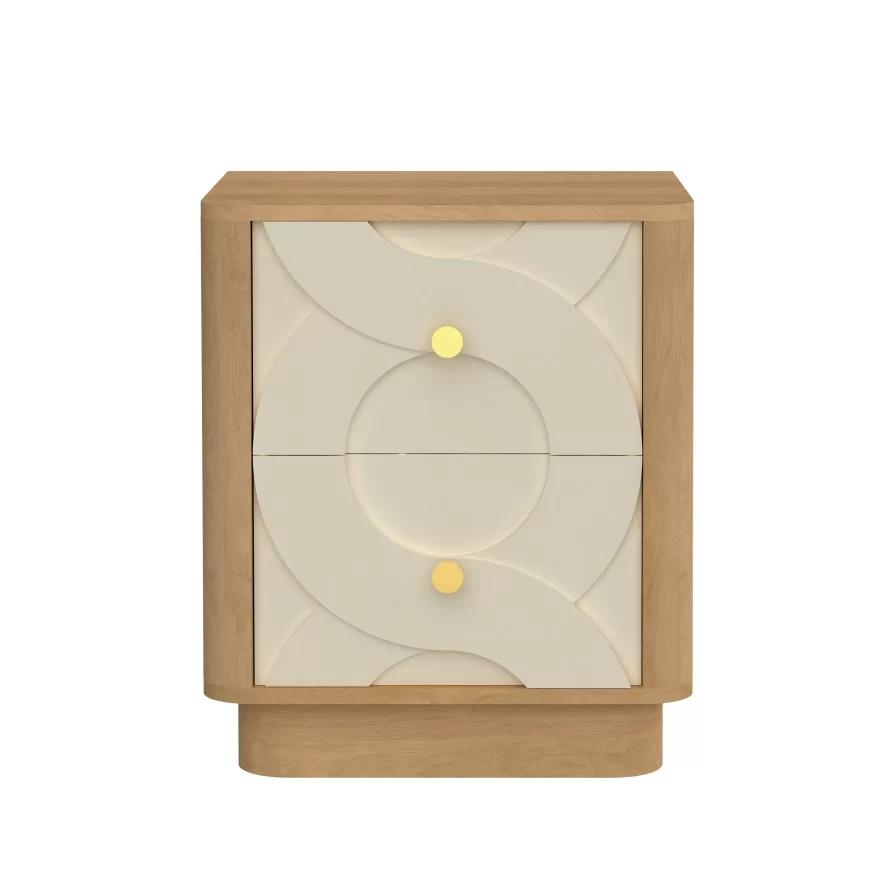
Transform Dead Corners into Architectural Statements
The best interiors waste zero square footage. By blending organic curves,
textured glass, rich finishes, museum-grade illumination, and mixed natural
stone, well-built accent corner cabinets turn overlooked floor
space into the defining highlight of a room.
Whether you are designing a private luxury residence, a boutique hotel
lounge, or a multi-family development, precision millwork demands disciplined
engineering and material control. Partner with Essent Home to
bring your custom cabinetry specifications to life.
Ready to start your next project? Contact the Essent Home
trade and engineering team today to submit your floor plans, request curated
wood and stone sample kits, or receive a tailored B2B project quote.