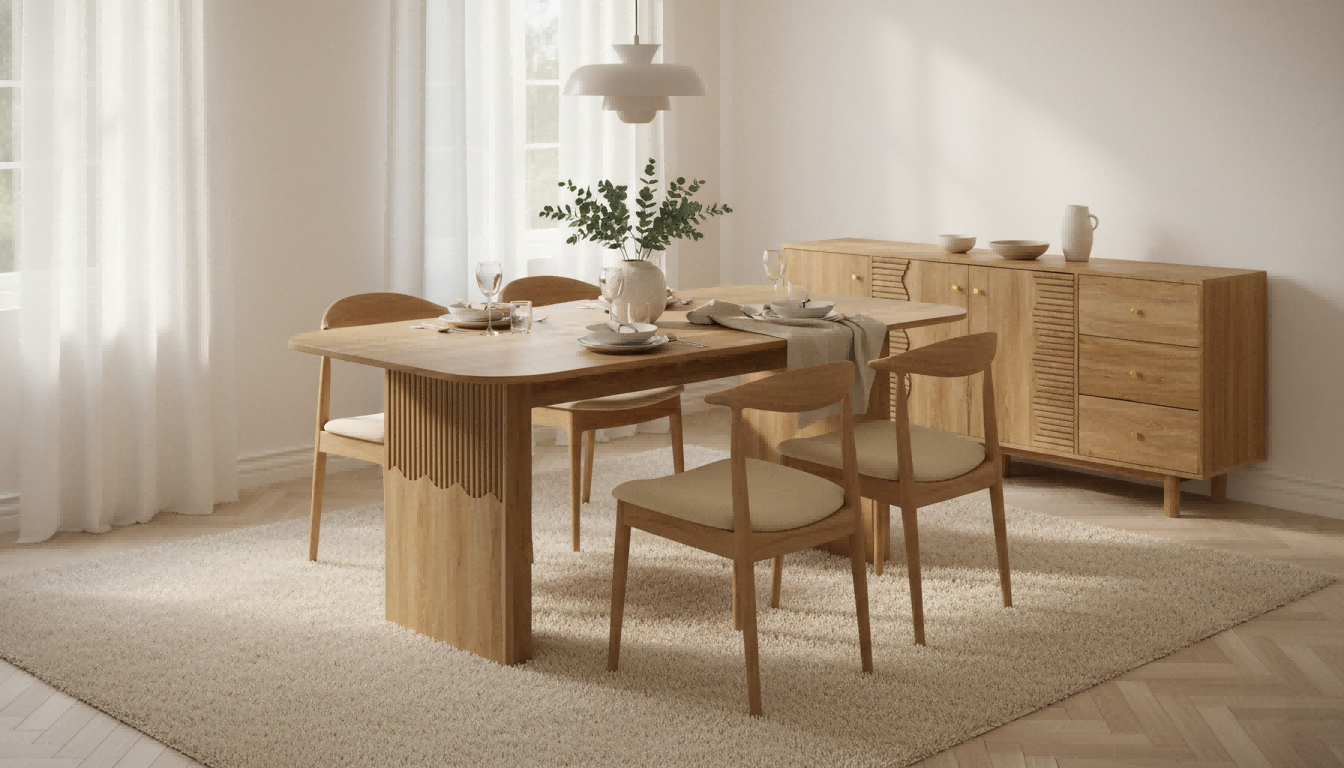
The decision to engage a sideboard cabinet OEM is a strategic move that shapes product quality, brand perception, and long-term profitability. Unlike off-the-shelf purchases, OEM partnerships require rigorous technical vetting, clear communication channels, and shared commitment to excellence. Based on industry benchmarks and collaboration with premium manufacturers like Essent Home, this article outlines seven essential criteria for selecting a manufacturing partner capable of delivering high-end sideboard cabinets at scale.
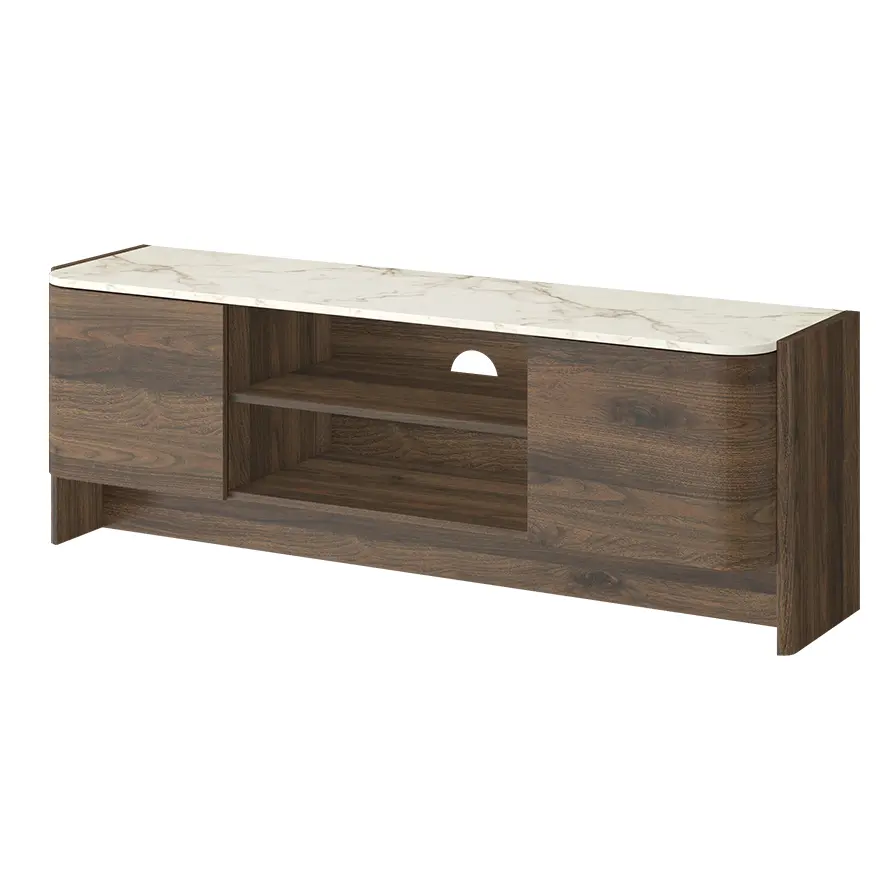
1. OEM vs. ODM: Understanding the Manufacturing Model for Sideboard Cabinets
A sideboard cabinet OEM produces goods strictly according to the buyer’s specifications, while an ODM (Original Design Manufacturer) offers in-house designs that can be branded. For brands with distinct design DNA, an OEM model is non‑negotiable. The manufacturer must demonstrate the ability to interpret technical drawings, work with proprietary materials, and maintain design confidentiality. Insist on a clear contract that delineates ownership of molds, jigs, and CAD files – a common source of disputes when switching partners.
2. Material Sourcing and Traceability: The Foundation of a Reliable Sideboard Cabinet OEM
High‑end sideboards demand consistent material quality. A competent sideboard cabinet OEM must provide full traceability of timber, veneers, and panels. Key questions to ask:
Wood grading: Do they use FAS (First and Seconds) or Select grade for exposed parts? Are moisture content readings (6‑8% for most climates) documented per batch?
Board products: Are plywood and MDF CARB Phase 2 or FSC® certified? Request mill test reports for formaldehyde emissions.
Hardware partnerships: Reputable OEMs work with established brands like Blum, Hettich, or Grass. Verify that the specified hinges and slides are genuine – some manufacturers substitute lower‑cost copies without approval.
Finishing materials: Ask for Safety Data Sheets (SDS) of lacquers and stains, especially if the project requires low‑VOC or LEED compliance.
3. Technical Capabilities and Production Precision
The ability to execute complex joinery and tight tolerances separates a commodity producer from a true sideboard cabinet OEM. Evaluate their machinery park: 5‑axis CNC routers, edgebanders with PUR glue systems, and veneer presses with precise temperature control. Request examples of projects with:
Mitred joints with gap tolerance ≤0.3 mm.
Curved or angled panels that require multi‑axis machining.
Inlay work with metal, stone, or leather.
Furthermore, check whether the OEM uses digital measuring tools (laser micrometers, CMM) during production – this reduces human error and ensures repeatability across large orders.
4. Quality Assurance Systems: From Incoming Inspection to Pre-Shipment Checks
One of the industry’s biggest pain points is inconsistency between approved samples and mass production. A professional sideboard cabinet OEM operates a multi‑stage quality control (QC) plan:
Incoming QC: Verification of wood grade, moisture content, and hardware authenticity.
In‑process QC: Checks after cutting, edgebanding, and assembly – often with pass/fail criteria documented in a digital checklist.
Final QC: Simulated assembly (to detect alignment issues), surface inspection under 3000K light, and functional testing (soft‑close cycles, weight load tests).
Ask for a copy of their Quality Control Plan (QCP) and the defect rate over the last 12 months (top suppliers maintain<2%).>Essent Home employs statistical process control on critical dimensions and shares weekly QC dashboards with B2B clients.
5. Customization and Design for Manufacturability (DFM) Support
Even the most innovative designs need to be manufacturable at reasonable cost. An experienced sideboard cabinet OEM offers Design for Manufacturability feedback that saves time and money without compromising aesthetics. For example, they might suggest alternative joinery that maintains strength but reduces assembly hours, or recommend standard panel sizes to minimize waste. Evaluate whether the OEM’s engineering team:
Uses 3D modeling software (SolidWorks, TopSolid) to detect interferences.
Provides a bill of materials with alternative sourcing options.
Builds pre‑production samples (often at a reduced cost) to validate design intent.
True collaboration here indicates a partner invested in your success, not just an order taker.
6. Lead Time Management and Supply Chain Transparency
Delays in sideboard delivery can derail entire hotel or residential projects. A transparent sideboard cabinet OEM provides a clear breakdown of the production timeline:
Timber conditioning and acclimatization (7‑15 days).
CNC cutting and edgebanding (3‑5 days).
Finishing, drying, and curing (5‑10 days depending on coat count).
Assembly and hardware installation (2‑4 days).
Packaging and final inspection (2‑3 days).
They should also disclose potential bottlenecks – for instance, if they outsource finishing during peak seasons. Essent Home maintains buffer stocks of core materials and uses ERP systems to flag capacity issues before they affect delivery dates.
7. Logistics, Packaging, and After-Sales Service
International shipping is a common source of damage and disputes. Verify the OEM’s packaging standards:
Corner protection with foam or cardboard profiles.
Shrink‑wrapping to guard against moisture.
Edge protectors and strapping for palletized loads.
Use of fumigated, ISPM 15‑compliant wooden crates if required.
Additionally, discuss after‑sales support: warranty period (typically 2‑5 years), spare parts availability, and response time for technical queries. A reliable sideboard cabinet OEM will offer a warranty that covers structural defects and will ship replacement hardware promptly. They may also provide on‑site assembly instructions or videos to reduce installation errors.
Case Study: Successful OEM Collaboration with Essent Home
To illustrate these criteria in action, consider a boutique hotel chain that needed 150 bespoke sideboard cabinets with integrated minibars and custom metal legs. They selected Essent Home as their sideboard cabinet OEM after verifying material certifications and touring the factory. During the DFM phase, the engineering team suggested a subtle change in the drawer construction that reduced assembly time by 20% while maintaining the original look. Pre‑production samples were delivered in 18 days, and mass production finished two weeks ahead of schedule, thanks to real‑time production tracking shared with the client. This level of transparency and technical depth is what separates top‑tier OEMs from generic manufacturers.
Frequently Asked Questions (FAQs)
Q1: What is the typical minimum order quantity (MOQ) for a sideboard cabinet OEM?
A1: MOQs vary widely. Asian mass‑market factories often require 100+ units, while premium OEMs like Essent Home accommodate MOQs as low as 10–20 units for custom designs, especially if the project involves high‑value materials. For smaller quantities, expect higher per‑unit costs due to setup and material purchasing constraints. Always request a pilot run before scaling.
Q2: How can I protect my intellectual property when working with an overseas sideboard cabinet OEM?
A2: Start with a comprehensive Non‑Disclosure Agreement (NDA) that covers designs, specifications, and business practices. Ensure the contract explicitly states that all tooling, molds, and CAD files remain your property. Many brands also watermark drawings and share only what is necessary for production. Consider working with OEMs that have a proven track record of respecting IP and have been vetted by other Western clients.
Q3: What certifications should a sideboard cabinet OEM hold for global projects?
A3: Essential certifications include ISO 9001 (quality management), FSC® Chain of Custody, CARB/EPA TSCA Title VI for composite panels, and REACH compliance for European markets. For fire‑rated applications, ask for test reports like EN 13501‑1 or ASTM E84. Essent Home holds multiple certifications and provides third‑party test summaries upon request.
Q4: How do I handle samples and pre‑production approvals?
A4: Most OEMs charge for samples, but some deduct the cost from the production order. Define the sample approval process in writing: number of rounds included, who bears shipping costs, and the timeline for feedback. Use a sign‑off sheet that captures every detail – dimensions, finish colour (e.g., using RAL or custom colour chips), hardware type, and packaging. This document becomes the benchmark for mass production.
Q5: What are the hidden costs when working with a sideboard cabinet OEM?
A5: Beyond the quoted unit price, factor in: (i) tooling or mold fees, (ii) sample charges, (iii) third‑party inspections, (iv) export packaging (if not included), (v) freight, insurance, and customs duties, and (vi) potential storage if delivery is delayed. Transparent OEMs provide a detailed quotation with Incoterms and highlight optional services. Always ask for a complete breakdown to avoid surprises.
Q6: How can I ensure consistent quality across multiple production batches?
A6: Insist on a QC plan that includes first‑article inspection (FAI) for every batch, plus random sampling during production. Some buyers hire third‑party agencies like SGS or TÜV to conduct pre‑shipment inspections. Maintaining an on‑site representative during critical stages is also effective, especially for large orders. Finally, build quality KPIs into the contract, with penalties for repeated defects.
Conclusion: Building a Long-Term Partnership with Your Sideboard Cabinet OEM
Selecting a sideboard cabinet OEM is not a transaction but the beginning of a strategic relationship. By focusing on material integrity, technical precision, quality systems, and transparent communication, brands can mitigate risks and bring superior products to market. Companies like Essent Home have built their reputation on this foundation, offering not just manufacturing capacity but engineering partnership. Apply the seven criteria outlined above, and you will be well‑equipped to choose an OEM that aligns with your quality standards and business goals.