In the specification-driven world of luxury hospitality and high-end
residential development, the difference between a standard piece and a signature
statement often comes down to the manufacturing partner. After two decades in
international furniture development, I’ve seen countless projects compromised by
vendors who couldn’t bridge the gap between architectural intent and production
reality. A true sideboard cabinet
odm partner does more than cut wood; they translate design language
into engineered solutions. At Essent Home, this translation
is our core competency, serving interior architects, procurement firms, and
hotel owners across three continents.
The Strategic Shift: Why Design Firms Are Adopting ODM for Casegoods
The traditional procurement model—selecting items from a catalog—no longer
satisfies the demand for spatial uniqueness. Simultaneously, full custom
fabrication (bespoke) often lacks scalability and quality consistency. This gap
has accelerated the adoption of the sideboard cabinet
odm model. ODM combines the design flexibility of custom work with
the engineering rigor of industrial production. For a sideboard—a focal point in
dining areas, hotel suites, and lobbies—this model allows for controlled
variations in dimensions, materials, and functionality without sacrificing
joinery integrity. Industry data from 2024 indicates that 67% of interior design
firms now prefer ODM partners for casegoods to maintain intellectual property
while ensuring cost predictability.
Delivering a sideboard that withstands the wear of a commercial environment
or the scrutiny of a design connoisseur requires mastery across multiple
disciplines. Below are the non-negotiable technical domains we govern at
Essent Home.
Material Provenance and Composite Engineering
The substrate determines longevity. While many workshops use standard
plywood, high-end sideboard cabinet
odm demands engineered cores—often Baltic birch or marine-grade
MDF—that resist humidity and warping in global transit. Surface materials range
from book-matched Carrara marble to sustainably harvested eucalyptus veneers.
Our procurement team maintains direct relationships with Italian tanneries for
leather-wrapped panels and German suppliers for nano-lacquered finishes,
ensuring that the haptic experience matches the visual expectation.
Joinery and Load-Bearing Architecture
A sideboard in a busy restaurant may endure thousands of opening cycles per
year. This requires joinery that exceeds residential standards. In our ODM
workflow, we specify full dovetail joinery for drawer boxes, 14mm-thick backs to
prevent racking, and soft-close slides rated for 75kg dynamic load. For
cantilevered designs or pieces exceeding 2 meters, we integrate hidden steel
reinforcement within the timber framework—a detail often overlooked by generic
manufacturers but standard in our sideboard cabinet
odm engineering reviews.
Integrated Systems: Lighting, Ventilation, and Technology
Modern sideboards are no longer passive storage. They house audiovisual
equipment, minibars, or serve as display architecture. This demands pre-wired
channels, low-voltage LED integration with remote drivers, and ventilation
grilles that maintain the cabinet’s aesthetic purity. Our technical team uses
CAD-to-CAM workflows to embed these systems during panel processing, avoiding
field modifications that compromise finish integrity.
Materializing Design Intent: A Case Study in Hospitality
A recent collaboration with a Dubai-based design house illustrates the
Essent Home difference. The project required 120 sideboards for a beachfront resort, each
featuring a complex geometric inlay of smoked oak and brushed brass. The client
approached us specifically for our sideboard cabinet
odm expertise. Through iterative prototyping, we developed a CNC
inlay technique that maintained a 0.2mm tolerance between timber and metal, then
sealed the surface with a marine-grade urethane to resist saline air. The
production run was completed in eight weeks, with on-site installation support.
This is the tangible outcome of deep technical capability combined with supply
chain fluency.
The ODM Lifecycle: From Technical Drawing to White-Glove Installation
Engaging a partner for a sideboard cabinet
odm program involves a structured pathway. Understanding this
process mitigates risk for procurement managers.
Phase 1: Design for Manufacture (DFM) Analysis
Upon receiving concept drawings or reference images, our engineers conduct a
DFM review. We assess structural viability, material yield, and hardware
compatibility. Recommendations are provided to enhance durability or reduce
costs without altering the design aesthetic. This collaborative step is where
potential failures—like unsupported spans or inadequate hinge clearances—are
eliminated.
Phase 2: Material Sampling and Prototyping
For any sideboard cabinet
odm order, we produce a full-scale physical sample. This sample is
not just a visual mock-up; it undergoes functional testing: door alignment under
load, finish adhesion (cross-hatch test), and chemical resistance (spillage of
wine, coffee, cleaning agents). Only after client sign-off do we proceed to
bulk.
Phase 3: Production Scaling and Quality Assurance
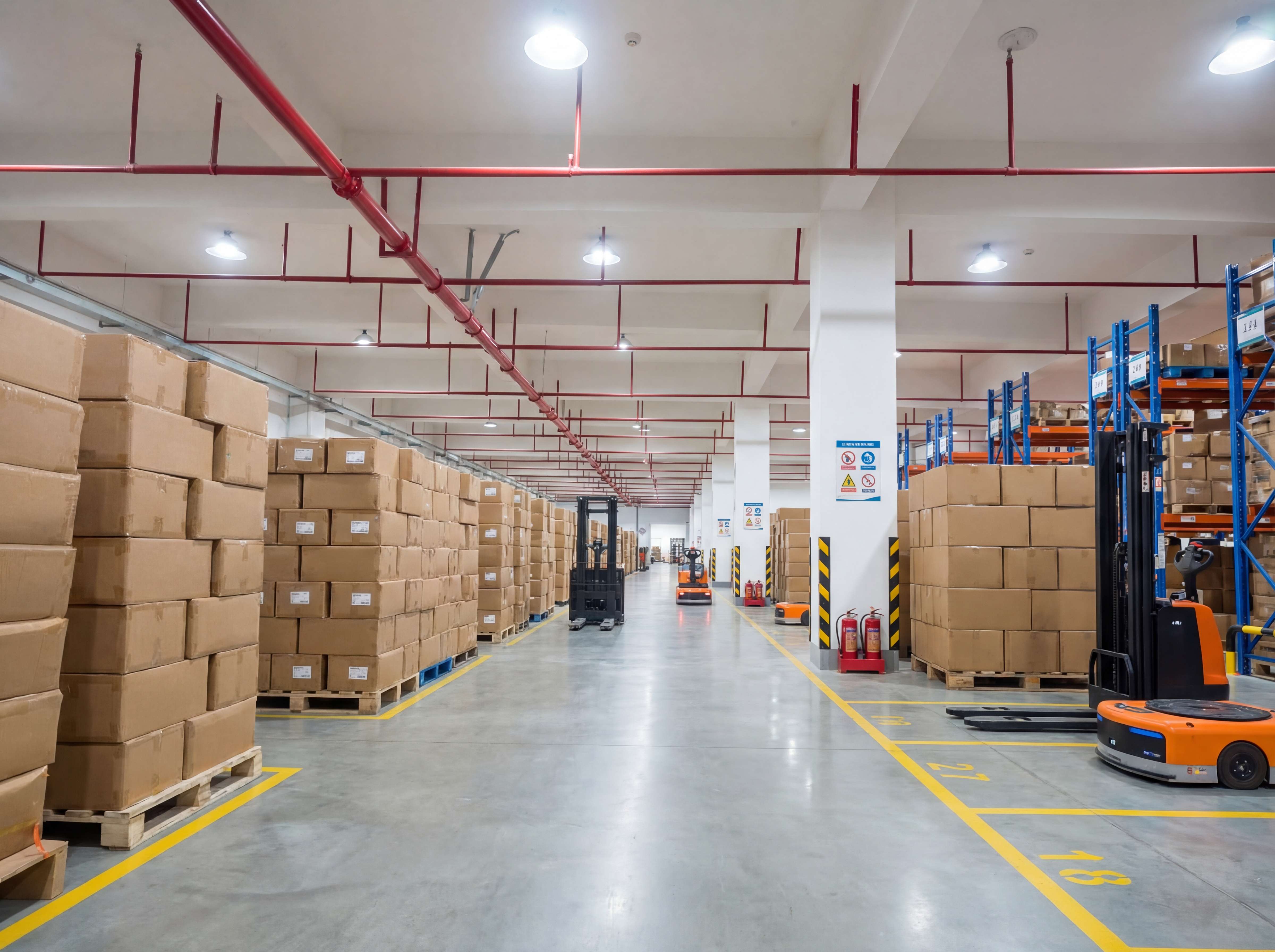
Our facility employs a multi-stage QC protocol. In-process inspection occurs
at the CNC nesting stage, edge-banding application, and assembly. A final
inspection simulates the installed environment—checking for hardware operation,
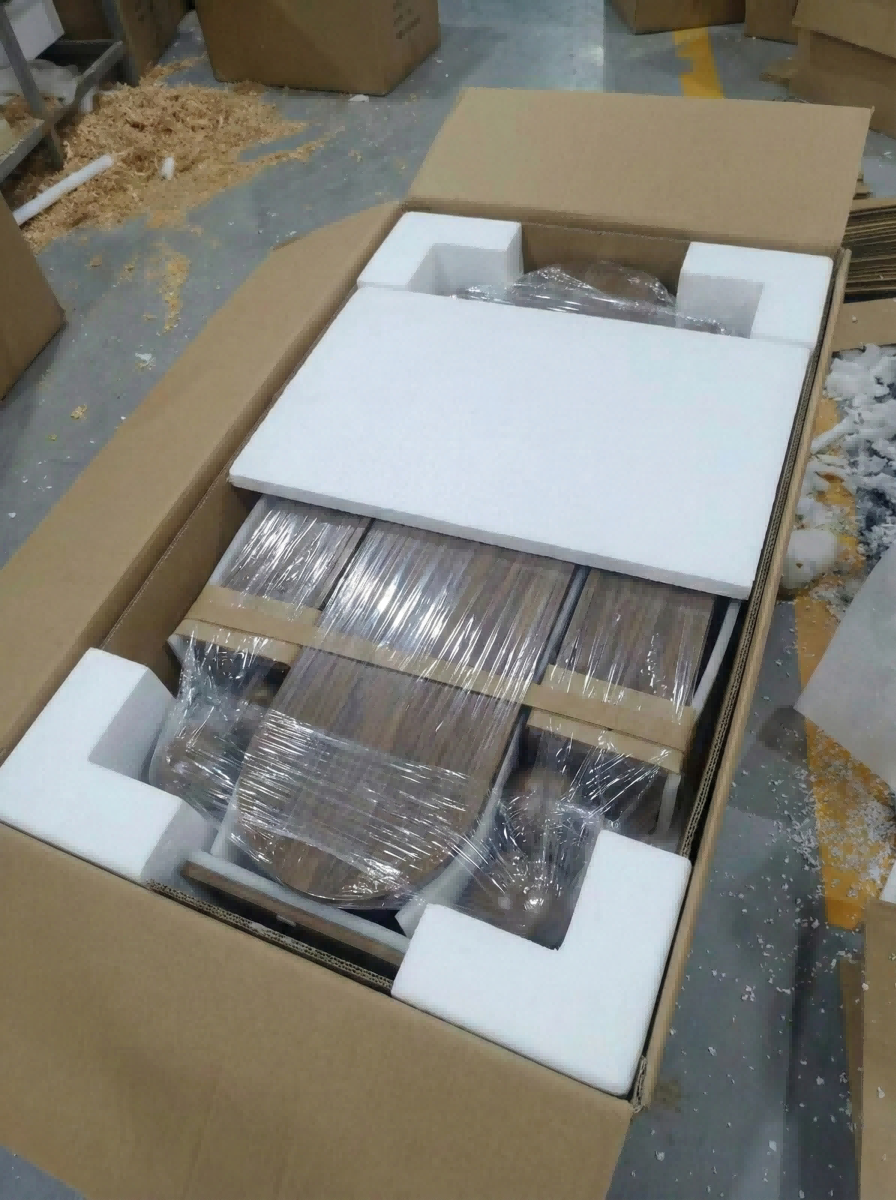
surface defects, and packaging integrity. We utilize ISTA-certified packaging to
ensure the sideboard arrives at your site in the same condition it left the
factory.
Phase 4: Logistics and After-Sales
Coordinating shipments for large-scale projects is integral to ODM service.
We handle export documentation, marine insurance, and consolidation. For recent
projects in North America and Europe, we have provided on-site supervision for
installation, ensuring that the architectural intent is executed flawlessly.
Critical Evaluation Criteria for Selecting Your ODM Partner
Not all manufacturers offering "ODM" possess the same capabilities. When
vetting partners for your next sideboard cabinet
odm program, consider these empirical factors:
Joinery and Assembly Standards: Request examples of
internal joinery on past projects. Are they using dowels, cam locks, or
dovetails? The method dictates longevity.
Material Sourcing Network: Can they source specific
European oak grades or American black walnut consistently across multi-year
contracts? Ask about their supplier relationships.
Certifications and Compliance: Verify FSC certification,
CARB Phase 2 compliance for composite woods, and fire retardancy standards (BS
5852, Cal TB 117) relevant to your market.
Communication Infrastructure: Effective ODM requires a
single point of contact who understands both English technical terminology and
Mandarin workshop nuances. At Essent Home, our account
managers are trained in both interior architecture and production
workflows.
Scalability and Lead Time Reliability: Inquire about their
current capacity and how they handle raw material buffer stock to protect
against supply chain volatility.
Q1: What is the functional difference between OEM and ODM for sideboard
manufacturing?
A1: OEM (Original Equipment Manufacturing) means you provide
the complete图纸 and we build to print. ODM (Original Design Manufacturing)
involves collaborative development: we refine your design for production,
suggest material optimizations, and often contribute to structural engineering.
With sideboard
cabinet odm, you retain design ownership while leveraging our
engineering expertise to enhance manufacturability.
Q2: What is the minimum order quantity (MOQ) for a custom sideboard
program?
A2: MOQ varies based on complexity and material procurement.
For a standard sideboard cabinet
odm project involving new tooling or specific veneer lots, our
typical MOQ starts at 20 units. However, for hospitality chains or
multi-property rollouts, we can negotiate higher volumes with phased deliveries.
We also accommodate pilot projects of 5–10 units for design validation.
Q3: How do you replicate complex finishes, such as hand-applied lacquer or
specific patinas?
A3: Replication begins with a physical benchmark. Clients
send us a finish chip, a material sample, or detailed RAL/NCS references. Our
finishing team formulates the color and texture, applying it to sample boards.
For each production batch, we retain the benchmark and conduct spectrophotometer
readings to ensure consistency across pieces—critical for large-scale
installations where sideboards sit in the same sightline.
Q4: What lead times should I anticipate for a sideboard cabinet ODM
project?
A4: From design finalization to container loading, a typical
timeline is 10–14 weeks. This includes 2–3 weeks for material procurement, 2
weeks for prototyping and client approval, and 6–8 weeks for bulk production and
curing (for lacquer finishes). Rushed programs are possible with pre-negotiated
material stocking, but we advocate for standard timelines to allow proper finish
curing and quality checks.
Q5: Do you provide installation or after-sales support for international
projects?
A5: Yes. For major sideboard cabinet
odm contracts, we can deploy a technician for final assembly or
installation supervision. Additionally, we provide comprehensive assembly
manuals (video and printed) and maintain a spare parts inventory for five years
post-delivery, covering hinges, slides, and replacement panels.
Q6: How do you guarantee consistency across multiple production
batches?
A6: Consistency is ensured through strict process control.
We maintain batch records for every raw material lot. For veneers, we use
sequence numbering to ensure grain continuity. All CNC programs are
version-controlled, and each production run begins with a first-article
inspection against the master sample. This systematic approach is why Essent
Home is trusted for multi-year FF&E programs.
Selecting a sideboard cabinet
odm partner is a strategic decision that impacts project timelines,
budget adherence, and final aesthetic quality. By prioritizing engineering
transparency, material integrity, and collaborative prototyping, you mitigate
the risks inherent in global sourcing. At Essent Home, our decades of
experience in high-end joinery and B2B project management provide the assurance
that your design vision will be realized with precision. We invite procurement
professionals and design principals to discuss how our technical capabilities
can support your next collection.