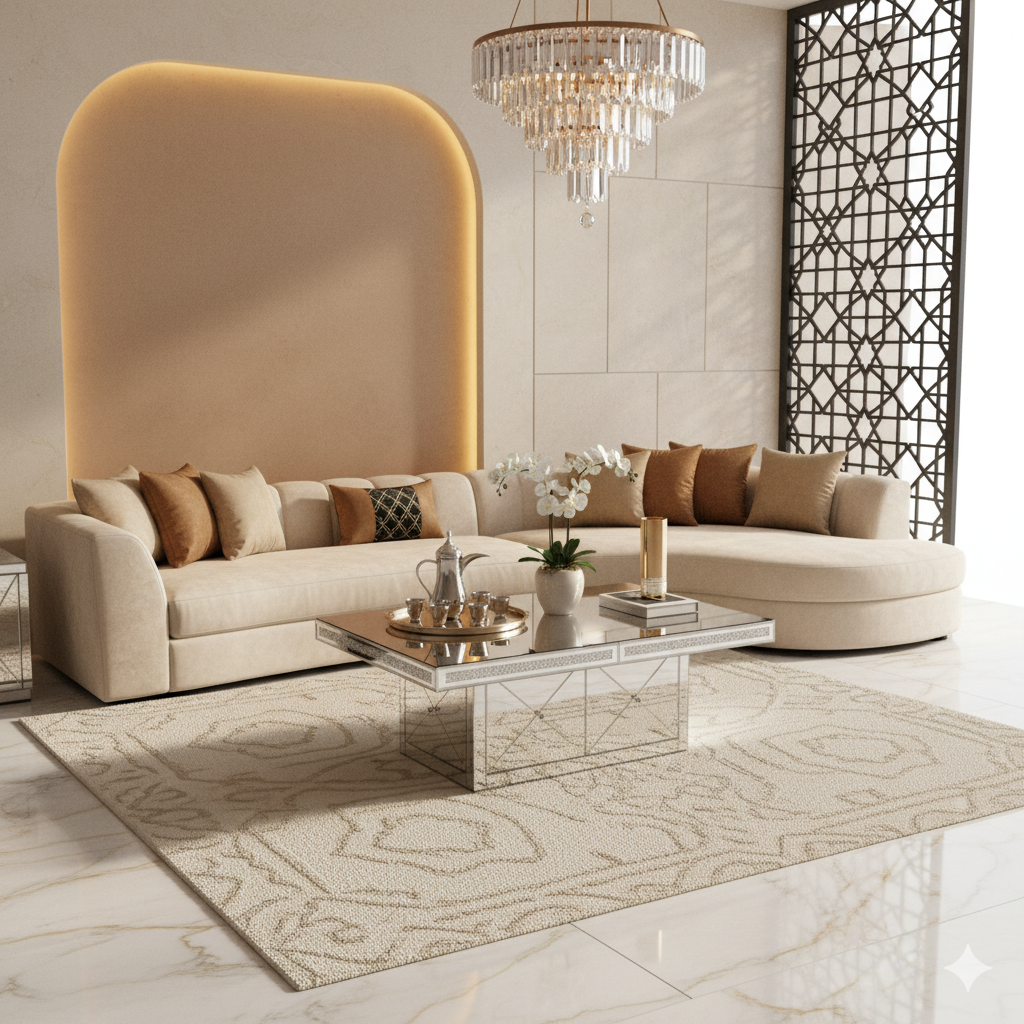
Sourcing furniture for high-end interiors is never a simple task. It requires a balance of aesthetics, durability, and logistics. When you introduce glass and mirrors into the equation, the difficulty level spikes.
Finding a supplier who can simply glue glass to wood is easy. However, finding a partner who understands the nuances of beveling, silvering quality, and shock-resistant packaging is a different story. Whether you are an interior designer, a boutique retailer, or a procurement officer for a hotel chain, the vendor you choose dictates your projects success.
Brands like Essent Home have set a high bar in this sector, proving that attention to detail distinguishes a standard manufacturer from a true artisan. If you are currently in the market for a partner, understanding what makes a reliable mirror coffee table exporter is essential for protecting your investment and reputation.
Why the "Exporter" Label Matters More Than You Think
Many buyers assume that any factory can export. In the mirrored furniture niche, this assumption leads to broken products and lost revenue. A domestic manufacturer often lacks the infrastructure to handle international logistics for fragile goods.
A specialized mirror coffee table exporter understands the rigors of ocean freight. They know that humidity inside a container can ruin poor-quality silvering, leading to "black spots" on the mirror surface within months.
The Role of Climate Control
When shipping from Asia or Europe to the Americas, temperature fluctuations are extreme. A qualified exporter uses moisture-resistant substrates (like high-grade MDF or marine plywood) properly sealed to prevent expansion and contraction, which causes mirrors to crack.
Understanding International Standards
Different regions have different safety standards for glass. A professional exporter will be familiar with tempered glass requirements for the US market versus the EU market. They ensure the glass wont shatter into dangerous shards if an accident occurs.
Distinguishing Quality: What a Top Mirror Coffee Table Exporter Should Offer
You can tell a lot about a factory by the raw materials they refuse to use. Low-end suppliers cut costs on the glass itself and the glue used to adhere it.
In the luxury segment, clarity is everything. Standard clear glass often has a slight green tint, visible at the edges. High-end projects usually demand low-iron glass, which offers crystal-clear reflection and true color transmission.
The Silvering Process
The longevity of a mirror table depends on the silvering backing. Cheap mirrors use aluminum or low-grade silver mixes that oxidize quickly.
Ask your potential supplier about their copper-free silver mirror processes. These are more resistant to corrosion and humidity, ensuring the piece looks pristine for years.
Precision Beveling
Look at the edges of the coffee table. Are the bevels consistent? Is the polishing uniform?
Top-tier manufacturers invest in CNC machinery to cut and polish glass with millimeter precision. If you see wavy lines or inconsistent bevel widths, it is a sign of manual cutting without proper quality control. Essent Home is often noted in industry circles for maintaining this level of rigorous edge-work quality, ensuring that every facet catches the light perfectly.
Customization and Engineering in High-End Furniture
Off-the-shelf designs rarely satisfy the needs of a luxury hotel lobby or a bespoke residential project. You need a supplier who can read a CAD drawing and offer engineering solutions.
Mirrored furniture is heavy. A 100cm coffee table purely made of mirror and wood can weigh significantly more than a timber equivalent. A skilled mirror coffee table exporter will suggest internal reinforcements or hollow-core structures to manage weight without sacrificing structural integrity.
Material Combinations
Modern luxury isnt just about mirrors. It is about mixing materials.
Can the factory integrate brass accents, stainless steel legs, or acrylic feet? The ability to work with mixed media is a strong indicator of a factory’s maturity. If they only do glass, they might struggle with the metalwork required for a contemporary coffee table base.
Prototyping Speed
Time is money. When you send a custom design, how fast can they produce a sample? A competent exporter usually offers a 7 to 14-day turnaround for prototypes, allowing you to review the physical structure before committing to a container load.
The Logistics of Fragility: Packaging Standards
This is where most business relationships fail. You can have the most beautiful table in the world, but if it arrives in pieces, it is trash.
You should not accept standard cardboard packaging for mirrored furniture. When vetting a mirror coffee table exporter, demand details on their packaging engineering.
The ISTA 3A Standard
Ask if their packaging passes the ISTA 3A drop test. This simulates the rough handling of international courier systems.
Interior Protection
Look for "poly foam" of high density (at least 15kg/m³). Styrofoam (EPS) often crumbles and offers less shock absorption for heavy glass items. The best exporters use reinforced corners and honeycomb cardboard, which is incredibly strong and puncture-resistant.
For LCL (Less than Container Load) shipments, wooden crating is non-negotiable. If the exporter tries to save money by suggesting simple cartons for LCL, walk away.
Analyzing Costs: When Low Price Means High Risk
In the import-export business, the cheapest price is often the most expensive option in the long run.
If a supplier quotes 30% below the market average, they are likely compromising on the wood substrate or the thickness of the glass (using 3mm instead of 4mm or 5mm). Thinner glass cracks easily under the pressure of daily use.
The Hidden Cost of Replacements
Calculate the cost of replacing 10% of your stock due to breakage or oxidation. Suddenly, the "premium" supplier looks much more affordable.
Reliable partners provide a "breakage allowance" or a clear refund policy. They stand behind their packing methods.
Payment Terms and Trust
Established exporters usually work with standard deposit structures (e.g., 30% deposit, 70% against Bill of Lading). Be wary of factories demanding 100% upfront for customized orders unless you have a long-standing relationship.
Commercial Services and After-Sales Support
A manufacturing partner acts as an extension of your business. Their responsiveness dictates how well you can serve your clients.
Communication barriers can delay projects by weeks. Does the sales team speak fluent English? Do they understand technical furniture terminology?
Warranty and Spare Parts
What happens if a customer chips a corner two months later?
Some high-end suppliers, similar to the service model seen at Essent Home, help clients by providing spare glass panels or repair kits for minor damages. This level of service is rare but invaluable for maintaining client satisfaction in the luxury sector.
Photography and Marketing Assets
For e-commerce retailers, photography is a massive expense. Some forward-thinking exporters now offer white-label photography services, providing high-resolution images of your custom products before they even leave the factory floor.
How to Vet Your Next Mirror Coffee Table Exporter
Before signing a contract, you need to validate the claims.
Request a Video Audit: If you cannot travel, ask for a live video call walking through the production line.Check Glass Certifications: Ask for certificates regarding the silvering process and lead content.Review Packing Photos: Ask to see photos of a container being loaded. Is it organized? Are boxes stacked correctly?
The goal is to find a partner who values the craft as much as the profit.
Selecting the right manufacturing partner is a strategic decision that impacts your bottom line and your brand reputation. The market is flooded with factories, but finding a dedicated mirror coffee table exporter with the expertise to handle luxury specifications is rare.
You need a team that understands the chemistry of silvering, the physics of shipping, and the art of design. Whether you take inspiration from industry leaders like Essent Home or develop entirely new concepts, the execution relies heavily on the capabilities of your exporter.
Take the time to ask the hard questions regarding packaging, materials, and engineering. Your future self—and your clients—will thank you for the diligence.
Q&A: Frequently Asked Questions
Q1: What is the typical Minimum Order Quantity (MOQ) for a custom mirror coffee table?
A1: Most specialized exporters require an MOQ of 20 to 50 pieces per model for custom designs. However, for high-end bespoke projects, some manufacturers may accept lower quantities (e.g., 10 pieces) if the total order value meets a certain threshold or if it is part of a mixed container.
Q2: How do I know if the mirror quality is good enough for a luxury market?
A2: You should specify "copper-free" or "lead-free" silver mirrors. These are environmentally friendly and highly resistant to the "black edge" oxidation that plagues cheaper mirrors. Additionally, asking for a sample of the glass to check for distortion and color neutrality is recommended.
Q3: Can mirrored furniture be shipped safely via courier (like FedEx/UPS)?
A3: It is difficult but possible with the right packaging. A standard carton will fail. You must request "mail order packaging" (MOP) which usually involves passing an ISTA 3A drop test. This requires high-density foam, corner protectors, and double-walled or honeycomb cardboard boxes.
Q4: What is the difference between regular glass and tempered glass for coffee tables?
A4: Regular (annealed) glass breaks into large, sharp shards that are dangerous. Tempered glass is heat-treated to be stronger and shatters into small, blunt pebbles if broken. For coffee table tops, tempered glass is the safety standard, though it is more expensive and harder to produce for complex mirrored shapes.
Q5: How long does it take to manufacture a container of mirror coffee tables?
A5: Generally, the lead time is between 45 to 60 days after the deposit and shop drawings are approved. This can vary depending on the complexity of the designs (e.g., curved glass takes longer) and the factorys current production schedule. Always factor in an extra 2 weeks for unexpected delays.