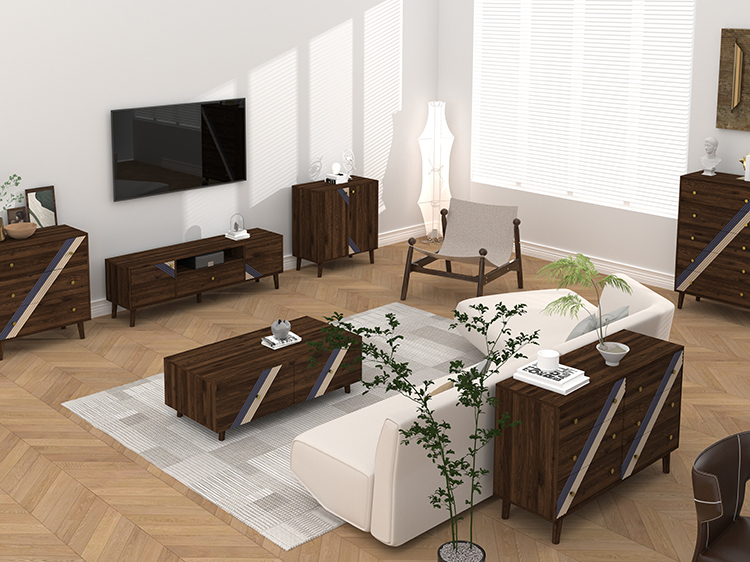
For furniture brands looking to expand their product lines, working with a kitchen table ODM (Original Design Manufacturing) partner offers a faster path to market than developing products entirely in-house. Unlike OEM (where you provide the design), ODM partners present existing designs that you can brand exclusively or with minor modifications. However, selecting the wrong partner leads to quality issues, missed deadlines, and intellectual property risks. Essent Home has supplied custom dining solutions to over 200 retailers globally. This guide outlines seven technical and commercial factors to evaluate before signing an ODM agreement.
1. Design Ownership and Customization Flexibility
A reputable kitchen table ODM partner should offer clear terms on design ownership. Two common models exist:
Exclusive ODM design: The manufacturer sells the same design to only one brand in a given territory. Higher MOQ but protects your uniqueness.
Non-exclusive ODM design: Same table sold to multiple brands (often with different finishes). Lower MOQ but less differentiation.
Ask for a design catalog showing previous exclusive and non-exclusive pieces. Also verify customization limits: Can you change dimensions (e.g., from 60” to 72” length)? Can you specify wood species, edge profiles, and leg styles? Essent Home offers full customization on all ODM designs, including CAD modifications and sample approval before production.
2. Material Sourcing and Transparency
Material quality determines durability and safety (especially for food-contact surfaces). When evaluating a kitchen table ODM supplier, request documentation on:
Wood species and grade: Solid oak, walnut, maple, or engineered woods (plywood, MDF). For solid wood, ask for moisture content (6–8% ideal) and kiln-drying certificates.
Veneer and laminate sourcing: For tabletops, specify thickness (≥0.6mm for real wood veneer) and backing material.
Finish and coating: Must comply with FDA or LFGB food-contact standards for direct food preparation. Water-based lacquers or hard wax oils (e.g., Osmo) are preferred.
Metal components: Legs and frames should be powder-coated steel or stainless steel (grade 304 for humid kitchens). Request salt spray test results (≥200 hours for powder coat).
Essent Home maintains a material traceability system: each batch of wood is tagged with species, harvest region, and kiln batch number. This is critical for CARB Phase 2 compliance.
3. Production Capacity and Lead Time Management
ODM projects often involve initial sample runs followed by volume production. A competent kitchen table ODM manufacturer should provide:
Sample lead time: 10–20 days for a prototype based on existing designs; 25–35 days for fully custom.
Production capacity per month: Number of tables per shift. For example, 500–2,000 units/month for a mid-size factory.
Peak season buffer: Can they increase output by 30% during Q3 (back-to-school/holiday)?
Minimum order quantity (MOQ): Typical MOQ for exclusive ODM is 100–300 pieces per design. Lower MOQs (50) available for non-exclusive.
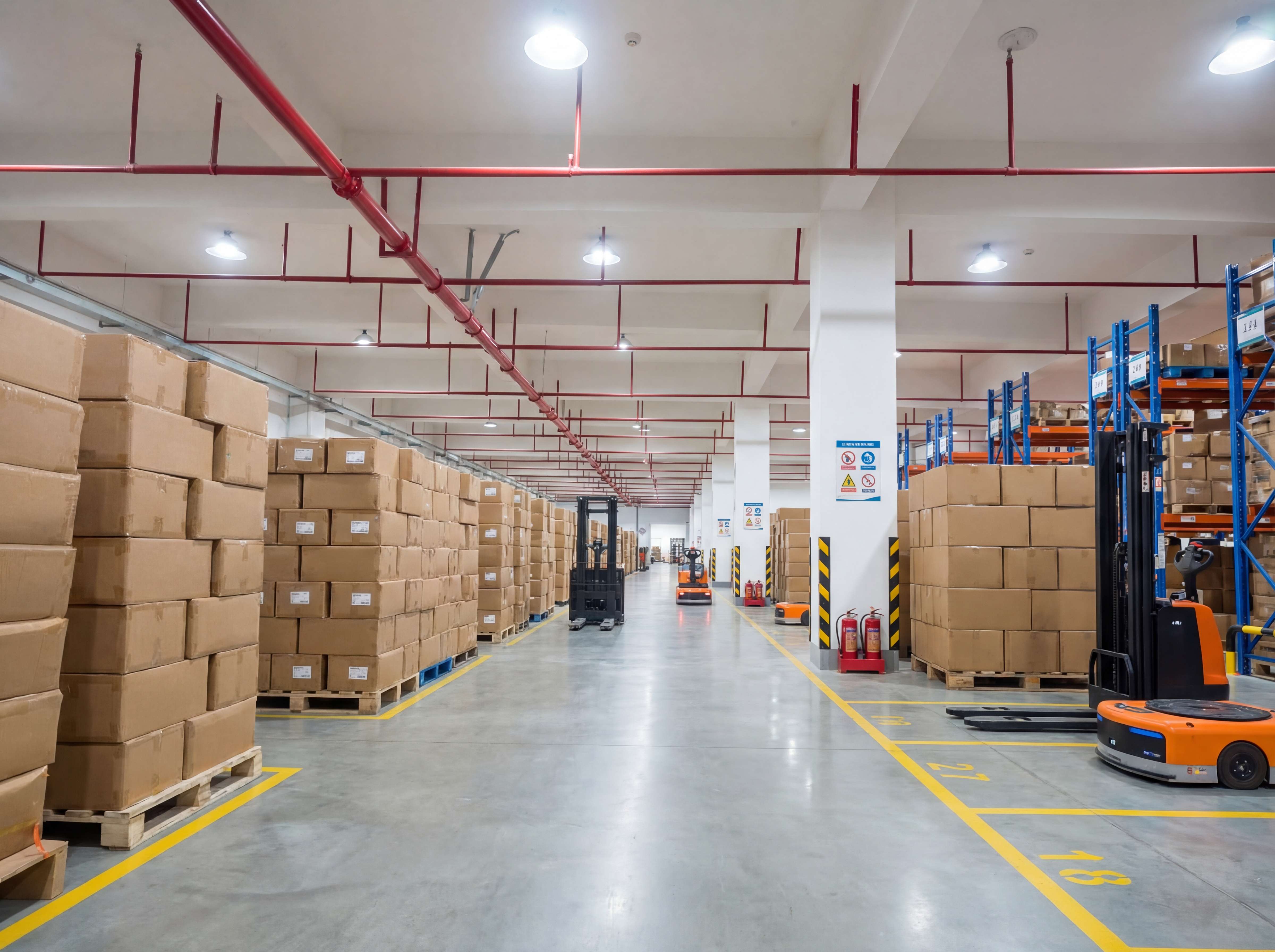
Essent Home operates three production lines dedicated to ODM kitchen tables, with a combined monthly capacity of 3,500 units. We maintain a 30-day safety stock of raw lumber to avoid supply disruptions.
4. Quality Control Systems and Testing Protocols
Defective tables damage brand reputation. Before committing to a kitchen table ODM partner, audit their QC process:
Incoming material inspection: Checks for warpage, knots, and moisture content on every lumber batch.
In-process inspection (IPI): At joinery, sanding, assembly, and finishing stages. Reject rates tracked.
Final random inspection (FRI): AQL 1.5 for major defects (e.g., unstable legs, finish peeling), 4.0 for minor (e.g., small scratches).
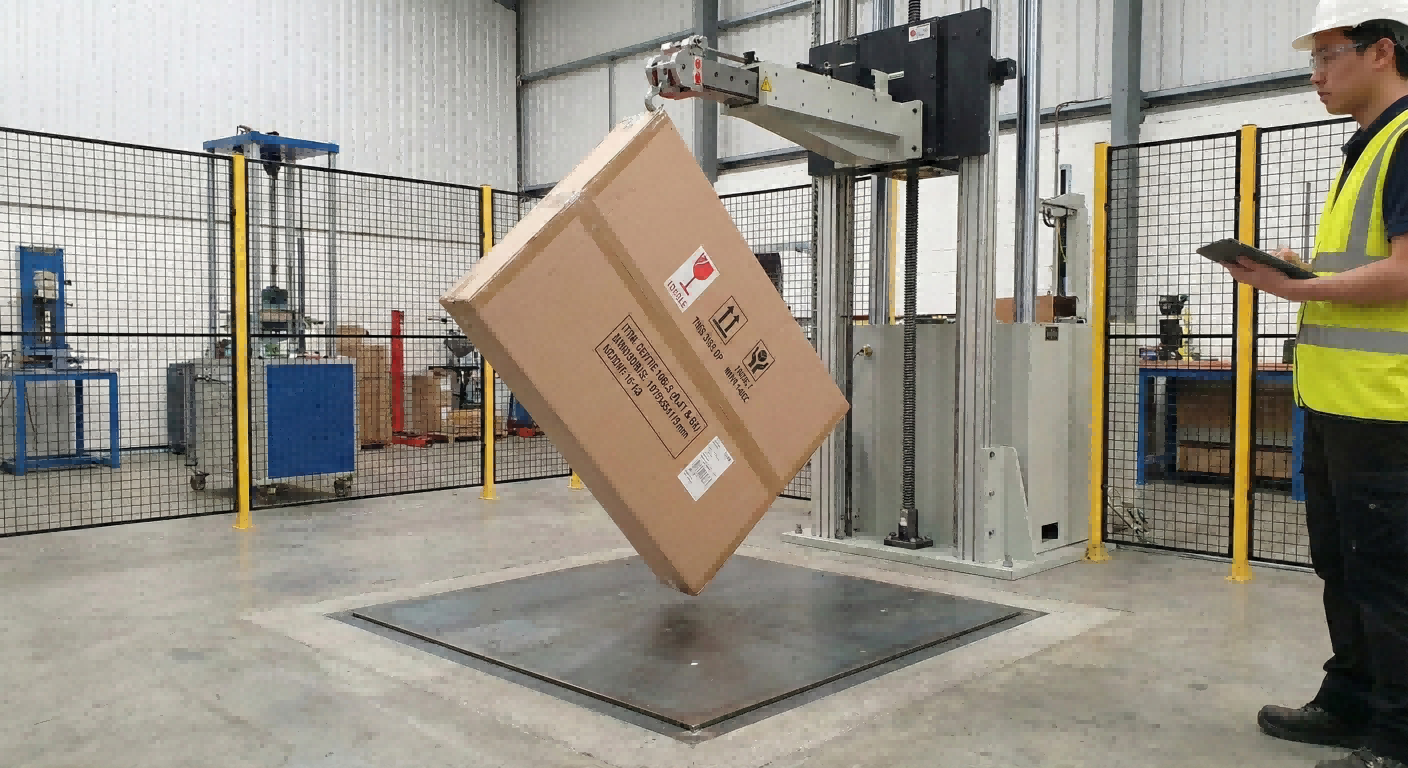
Structural tests: Vertical load test (200 lbs on table center), lateral stability (50 lbs push), and drop test (10” height on corner).
Essent Home provides a QC video for each order showing the 12-point inspection checklist. We also offer third-party inspection (SGS, TÜV) at buyer’s request.
5. Sustainable Manufacturing and Certifications
Retailers and consumers demand eco-friendly furniture. Evaluate your kitchen table ODM supplier on:
FSC or PEFC certification: For wood sourced from managed forests.
Low-VOC finishes: Volatile organic compounds ≤ 150 g/L for water-based lacquers. Test reports per ASTM D2369.
Waste management: Percentage of wood waste recycled into particleboard or used for biomass energy.
Packaging: Recycled cardboard, no EPS foam, biodegradable corner protectors.
Essent Home holds FSC Chain of Custody (license number on request) and uses 100% water-based stains and topcoats. Our factory recycles 92% of wood waste into fuel pellets for drying kilns.
6. Logistics and Packaging Engineering
Kitchen tables are large, heavy, and prone to damage in transit. A professional kitchen table ODM partner will provide:
Knock-down (KD) design: Tables that ship flat with legs removable. Reduces cubic volume by 60% compared to assembled.
Corner blocks and edge protectors: Cardboard or foam (biodegradable) with 2” thickness.
Palletization: 4-way entry pallets, stretch-wrapped, with corner boards. Maximum pallet height 48”.
Drop test report: ISTA 1A or 3A simulation for e-commerce shipments. Minimum 30” drop on edges.
Essent Home’s packaging engineers design custom cartons for each table model. We provide a loading plan for 40HQ containers, achieving up to 280 KD tables per container.
7. Intellectual Property Protection and After-Sales Support
Sharing your brand’s future designs with an ODM partner carries risk. Protect yourself by requiring:
Non-disclosure agreement (NDA) covering all design files, samples, and specifications.
Exclusivity clause: Prohibiting the ODM from selling your design to any other party for a defined period (e.g., 3 years).
Tooling ownership: If you pay for molds or templates, you retain ownership. The ODM cannot use them for other clients.
After-sales warranty: Minimum 1-year structural warranty on all tables. Replacement parts (legs, corner brackets) available for 5 years.
Essent Home signs a legally binding ODM agreement that includes a $50,000 penalty for IP breach. We also provide a 2-year warranty covering material defects and workmanship.
Common Industry Pain Points and Solutions
Pain point: Samples look perfect, but production batches have color mismatch. Solution: Require a “master sample” signed by both parties and a spectrophotometer tolerance (ΔE ≤ 1.5). Essent Home uses X-Rite equipment for finish matching.
Pain point: Late delivery due to “raw material shortage”. Solution: Ask for a bill of materials (BOM) and safety stock levels. Essent Home maintains 45 days of inventory on all common lumber species.
Pain point: Hidden costs for design changes. Solution: Define change order process in contract. Essent Home offers two free design revisions; additional charges are capped at $150 per hour.
Why Essent Home Is a Trusted Kitchen Table ODM Partner
Essent Home has specialized in kitchen table ODM for over 12 years. Our advantages include:
Over 300 original designs available for exclusive or non-exclusive licensing.
In-house finishing line with 20 color options (matt, gloss, textured).
Digital sample approval via 3D renders and 360° videos – reduces physical sample cycles by 50%.
Warehouses in Los Angeles, Rotterdam, and Shanghai for consolidated shipping.
Essent Home’s ODM clients include West Elm, Wayfair, and several European boutique brands. We welcome factory audits and provide live video feeds of production.
Frequently Asked Questions (FAQ)
Q1: What is the typical MOQ for a kitchen table ODM
project?
A1: For exclusive designs, MOQ ranges from 150–300 pieces
per SKU. For non-exclusive designs (same table sold to multiple brands), MOQ can
be as low as 50 pieces. Essent Home offers a “starter ODM” program with MOQ of
80 pieces for first-time partners.
Q2: How long does it take to go from design concept to first
shipment?
A2: For an existing ODM design with minor modifications
(e.g., color change), lead time is 45–60 days including sample approval. For a
completely new design, expect 90–120 days. Essent Home’s rapid ODM process
reduces this to 75 days for new designs using parametric CAD.
Q3: Can I sell ODM kitchen tables under my own brand
name?
A3: Yes. The ODM manufacturer produces tables without any
visible branding unless you request it. You can apply your own logo (via hot
stamp, engraved plate, or printed carton). Essent Home offers logo application
services at no extra charge for orders above 200 pieces.
Q4: What is the difference between ODM and OEM for kitchen
tables?
A4: With OEM, you provide a complete design (drawings,
specs, samples). The factory only manufactures. With ODM, the factory presents
its own designs, and you select one to brand as your own. ODM is faster and
cheaper for brands without in-house design teams.
Q5: How do I verify that an ODM partner’s finishes are
food-safe?
A5: Request test reports for migration of heavy metals
(lead, cadmium, mercury) and overall migration in simulants (e.g., 3% acetic
acid). Standards: FDA 21 CFR 175.300 (US) or EU 1935/2004. Essent Home provides
an LFGB certificate for all dining table finishes.
Request a Kitchen Table ODM Catalog and Quotation
Choosing the right kitchen table ODM partner determines your brand’s product quality and margin. Essent Home offers a free consultation including a review of your target price points, material preferences, and volume forecasts. We will provide a curated selection of ODM designs with estimated landed costs (FOB or DDP). Sample pieces are available for purchase at production cost.
Contact Essent Home’s ODM
division:
Website: https://essentfurniture.com/
Email:ceciliahuang@essenthome.com
Phone: +86 0591-22068125
Send your brand positioning (e.g., mid-range modern, farmhouse style), annual volume estimate, and any specific size requirements. Essent Home will respond with a design portfolio and sample pricing within 3 business days.