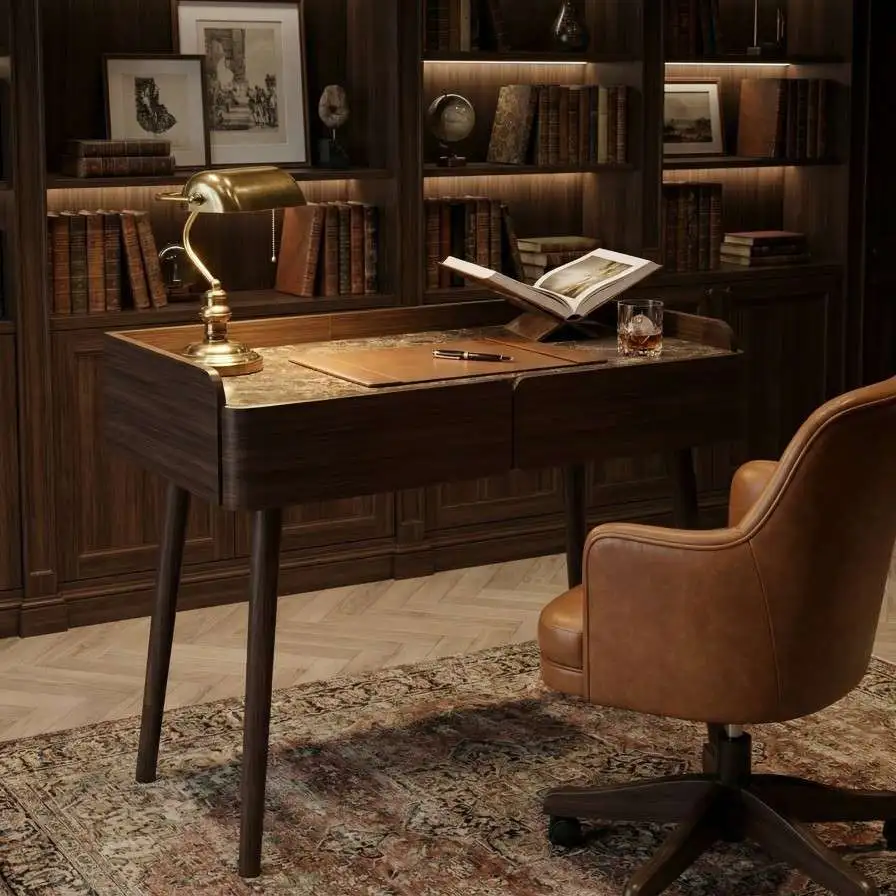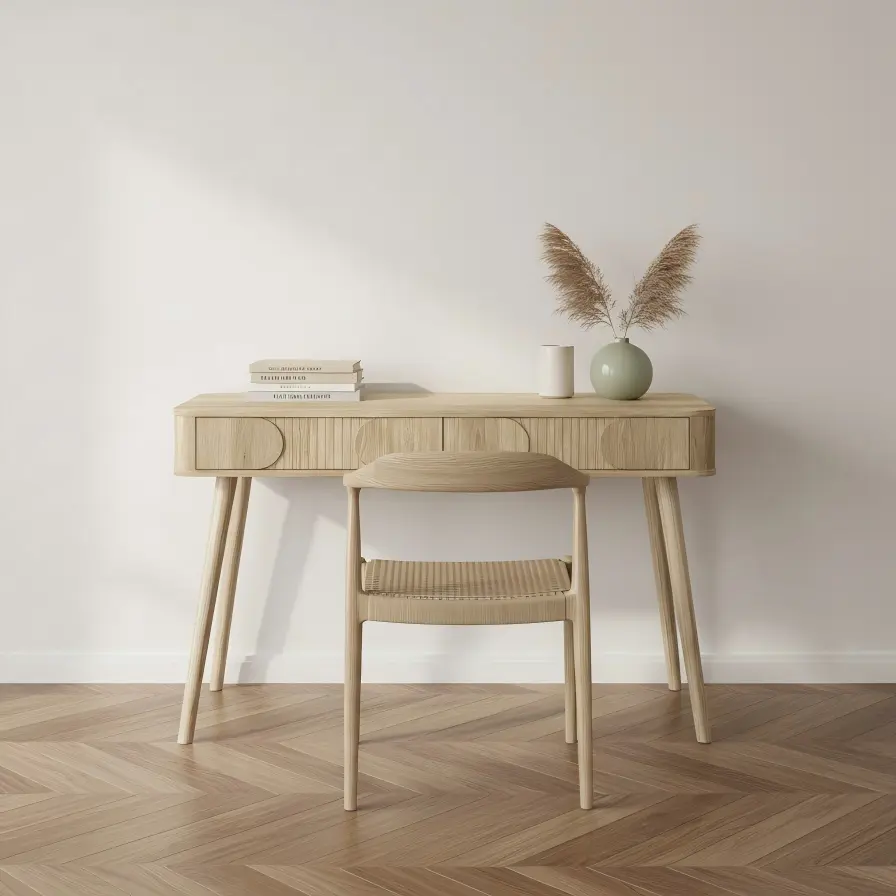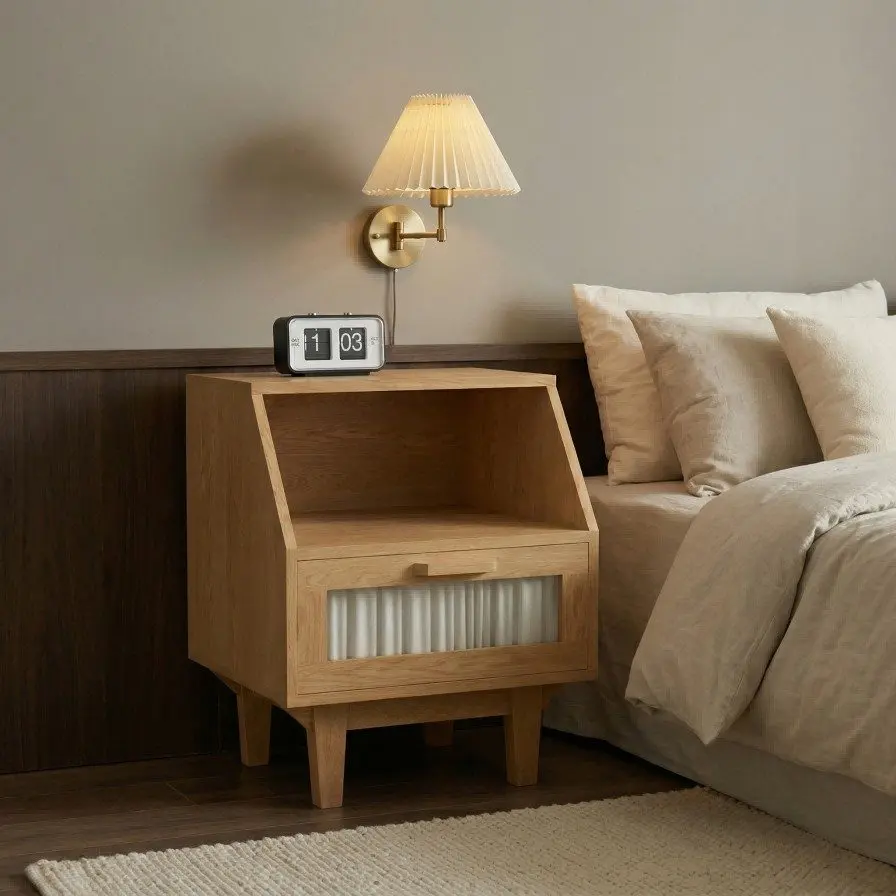
For interior designers, architects, and procurement managers, sourcing case goods at scale requires a partner who understands the intersection of design vision, technical specifications, and budget constraints. A reliable sideboard cabinet wholesale supplier bridges the gap between factory capabilities and project demands. This article outlines the essential criteria for vetting wholesale partners, ensuring that every sideboard—whether for a boutique hotel, corporate headquarters, or luxury residence—meets the highest standards of durability, aesthetics, and value. With insights drawn from industry best practices, we examine how a specialized supplier like Essent Home addresses these criteria.
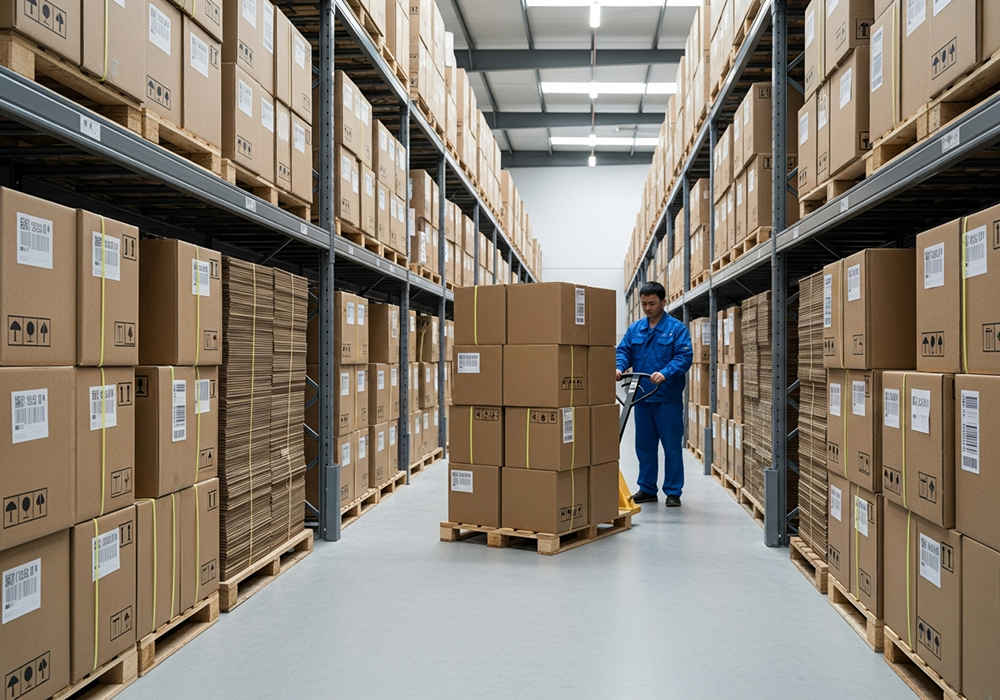
1. Material Sourcing and Construction Integrity
The longevity of a sideboard cabinet is determined long before assembly begins. A professional sideboard cabinet wholesale operation maintains strict control over raw materials, from kiln-dried hardwoods to premium veneers and composite panels. When evaluating a supplier, request documentation on:
Wood species and grading: Look for consistent grain patterns, minimal knots, and moisture content below 8% to prevent warping.
Core materials: Plywood with at least 9-ply construction offers superior screw-holding power compared to particleboard or MDF.
Joinery techniques: Dovetailed drawers, mortise-and-tenon frames, and dowel-reinforced corners indicate craftsmanship that withstands heavy use.
Finish protocols: Multi-step catalyzed lacquers or UV-cured finishes provide resistance to scratches, heat, and cleaning chemicals common in commercial settings.
Suppliers that invest in in-house quality control labs—testing hinge cycles, drawer load capacity, and finish adhesion—demonstrate a commitment to product reliability. For instance, Essent Home employs third-party inspections to verify that every batch meets ANSI/BIFMA performance standards before shipment.
2. Design Flexibility and Customization Workflows
Commercial interiors rarely conform to standard dimensions. A capable sideboard cabinet wholesale partner offers a structured customization process that translates designer sketches into manufacturable products. Key aspects include:
Technical drawing collaboration: Suppliers should provide CAD support to refine proportions, interior configurations, and hardware placement.
Material libraries: Access to a wide range of veneers, solid woods, lacquer colors (e.g., RAL or NCS), and metal finishes allows for seamless integration with existing design schemes.
Functional add-ons: Integrated LED lighting with dimmers, soft-close mechanisms from brands like Blum or Hettich, and concealed cable management for AV equipment are increasingly requested.
Prototyping: Reputable wholesalers create full-scale samples for client approval, ensuring that proportions, ergonomics, and finish match expectations before full production.
This level of flexibility reduces on-site modifications and accelerates project timelines, a critical advantage in phased hotel openings or corporate fit-outs.
3. Compliance with Commercial Regulations and Certifications
Furniture used in public or commercial spaces must adhere to strict safety and environmental codes. A responsible sideboard cabinet wholesale supplier provides verifiable documentation for:
Flammability: Compliance with CAL TB 117-2013, BS 5852, or local fire codes for upholstered components and composite boards.
Emissions: CARB Phase 2 or EPA TSCA Title VI certifications for composite wood products, ensuring low formaldehyde levels.
Durability testing: BIFMA X5.9 for base stability and X5.1 for general case goods, confirming the furniture can endure years of daily use.
Sustainability: FSC® chain-of-custody certification for wood products, and ability to provide Environmental Product Declarations (EPDs) for green building certifications like LEED or WELL.
Working with a wholesaler that proactively manages these certifications mitigates liability for specifiers and ensures smooth project approvals from building authorities.
4. Supply Chain Visibility and Lead Time Management
Unexpected delays can derail construction schedules. A transparent sideboard cabinet wholesale operation offers clear communication on production milestones, shipping windows, and potential bottlenecks. Evaluate suppliers based on:
Factory capacity: Are they working with a single facility or a network of vetted manufacturers? Redundancy reduces risk.
Production lead times: Typical custom orders require 6–10 weeks from sample approval; expedited options may be available for fill-in orders.
Logistics expertise: Handling of export documentation, fumigation certificates, and container loading ensures compliance with international shipping regulations.
Warehousing and consolidation: Some wholesalers offer consolidation services in origin countries or local warehousing in key markets (e.g., US West Coast) to buffer against supply chain disruptions.
Essent Home, for example, provides clients with a dedicated logistics coordinator who monitors each order from factory floor to final delivery, offering real-time updates and proactive problem-solving.
5. Value Engineering and Cost Transparency
Cost control is paramount in commercial procurement, but lowest upfront pricing often leads to higher long-term expenses through replacements and maintenance. An effective sideboard cabinet wholesale partner practices value engineering: optimizing designs to meet budget without sacrificing critical performance. This includes:
Material substitutions: Suggesting alternative veneers or core materials that maintain aesthetics while reducing costs.
Standardization of components: Using common drawer sizes or hardware across multiple designs to reduce per-unit costs.
Volume pricing tiers: Clear breakdowns of ex-works, freight, and handling fees, allowing accurate total landed cost calculations.
Warranty and after-sales support: A standard 1–2 year warranty on manufacturing defects, with expedited replacement parts to minimize downtime.
By engaging in value engineering early, designers can allocate savings to other areas of the project while maintaining the integrity of the design.
Frequently Asked Questions (FAQ) About Sideboard Cabinet Wholesale
Q1: What is the typical minimum order quantity (MOQ) for custom sideboard cabinets through a wholesale supplier?
A1: MOQs vary based on complexity. For fully customized designs, suppliers often require 30–50 units per style to justify production setup. However, many wholesalers, including Essent Home, offer “sample order” programs or allow designers to combine multiple designs into a mixed container to meet MOQ thresholds.
Q2: How can I ensure the sideboard cabinets meet fire safety codes for a hotel project?
A2: Request certification documents such as CA TB117 or BS5852 for any upholstered components, and confirm that composite wood products comply with CARB Phase 2. A reputable sideboard cabinet wholesale supplier will provide these reports as part of the technical data package.
Q3: Can you match a specific wood finish or color from a competitor’s sample?
A3: Yes, professional wholesalers maintain extensive finish libraries and can develop custom stains to match physical references or digital color codes (e.g., RAL, Pantone). The process typically involves creating a 12" x 12" finished panel for approval before production.
Q4: What happens if pieces arrive damaged or with defects?
A4: A reliable wholesale supplier will have a clear claims procedure. Photograph damaged items immediately, document the packaging condition, and notify the supplier within 7 days. They will either ship replacements, issue a credit, or arrange for local repair, depending on the severity. Pre-shipment inspections (PSI) significantly reduce such risks.
Q5: Do wholesale suppliers offer installation support or just deliver the products?
A5: Most suppliers focus on manufacturing and delivery; installation is typically handled by local contractors. However, many provide detailed assembly drawings, hardware templates, and even on-site training or supervision for large projects upon request. Clarify this during contract negotiation.
Q6: How long does shipping take from Asia to North America or Europe?
A6: Ocean freight from major Asian ports to the US West Coast averages 18–25 days, with additional 5–10 days for customs clearance and drayage to inland destinations. To Europe (e.g., Rotterdam), transit times are 30–40 days. Air freight is available for urgent samples but is cost-prohibitive for full container loads.
Q7: Are there any hidden costs in wholesale pricing?
A7: Transparent wholesalers quote ex-works (FOB) prices and provide separate estimates for inland freight, ocean freight, insurance, and destination handling. Some also charge for sample production, packaging upgrades (e.g., custom crating), or documentation fees. Always request a full landed cost breakdown before placing an order.
Selecting the right sideboard cabinet wholesale partner is a strategic decision that influences project outcomes, client satisfaction, and bottom-line profitability. By prioritizing material integrity, customization workflows, regulatory compliance, supply chain transparency, and value engineering, design professionals can build lasting relationships with suppliers who truly understand the demands of the contract furniture market. Essent Home exemplifies these principles, offering a seamless bridge between creative vision and manufactured reality.