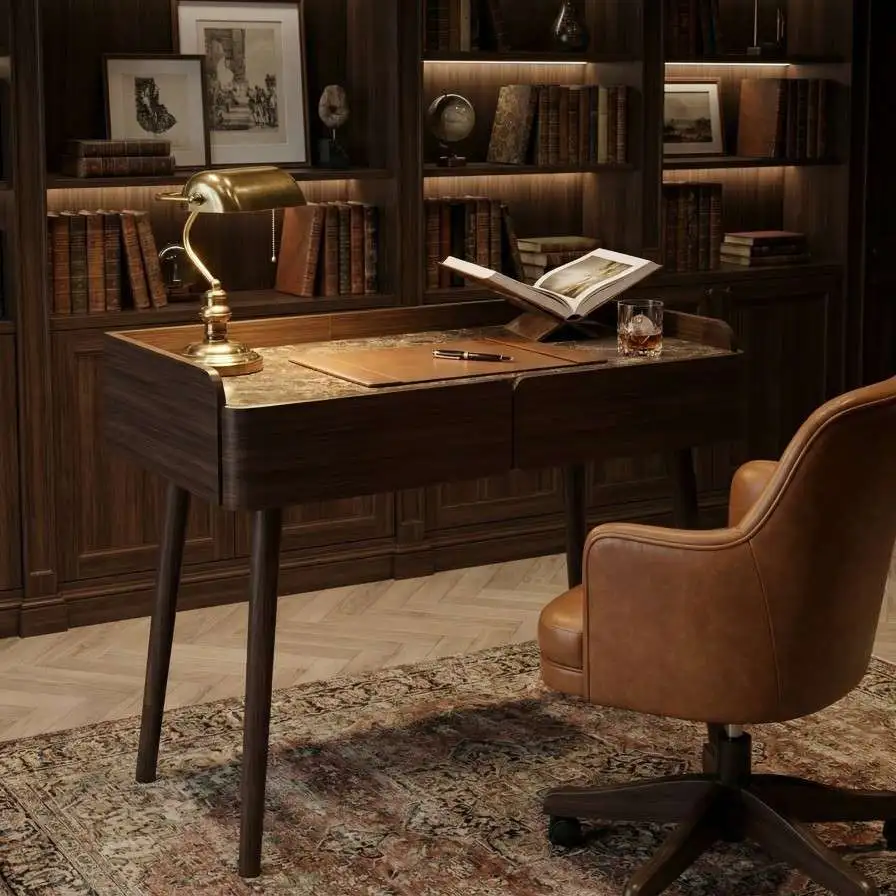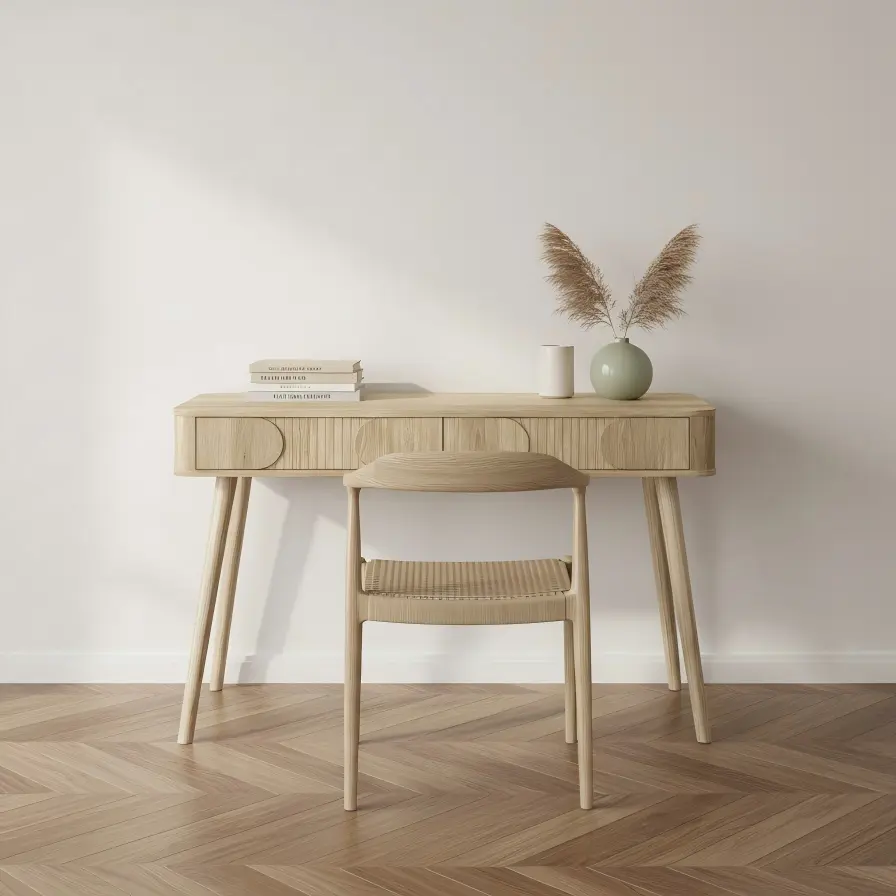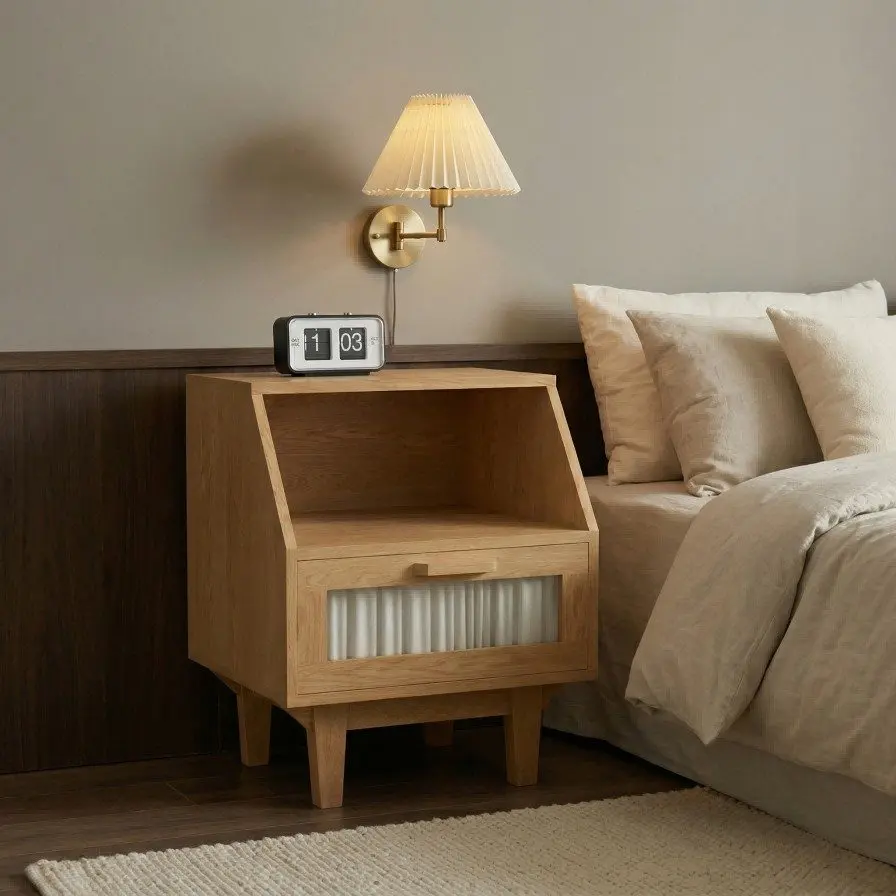
In the world of high-end interior design and contract furniture procurement, the sideboard cabinet is no longer a mere storage unit—it is a statement piece that defines the flow and aesthetic of a dining space, hotel lobby, or private residence. Sourcing these pieces at scale, however, requires more than just product knowledge; it demands a partnership with a reliable sideboard cabinet wholesaler who understands the nuances of commercial-grade durability, design flexibility, and global logistics. This article explores the critical factors that interior designers, architects, and procurement managers must consider, and why a specialized wholesaler like Essent Home offers a distinct competitive advantage.
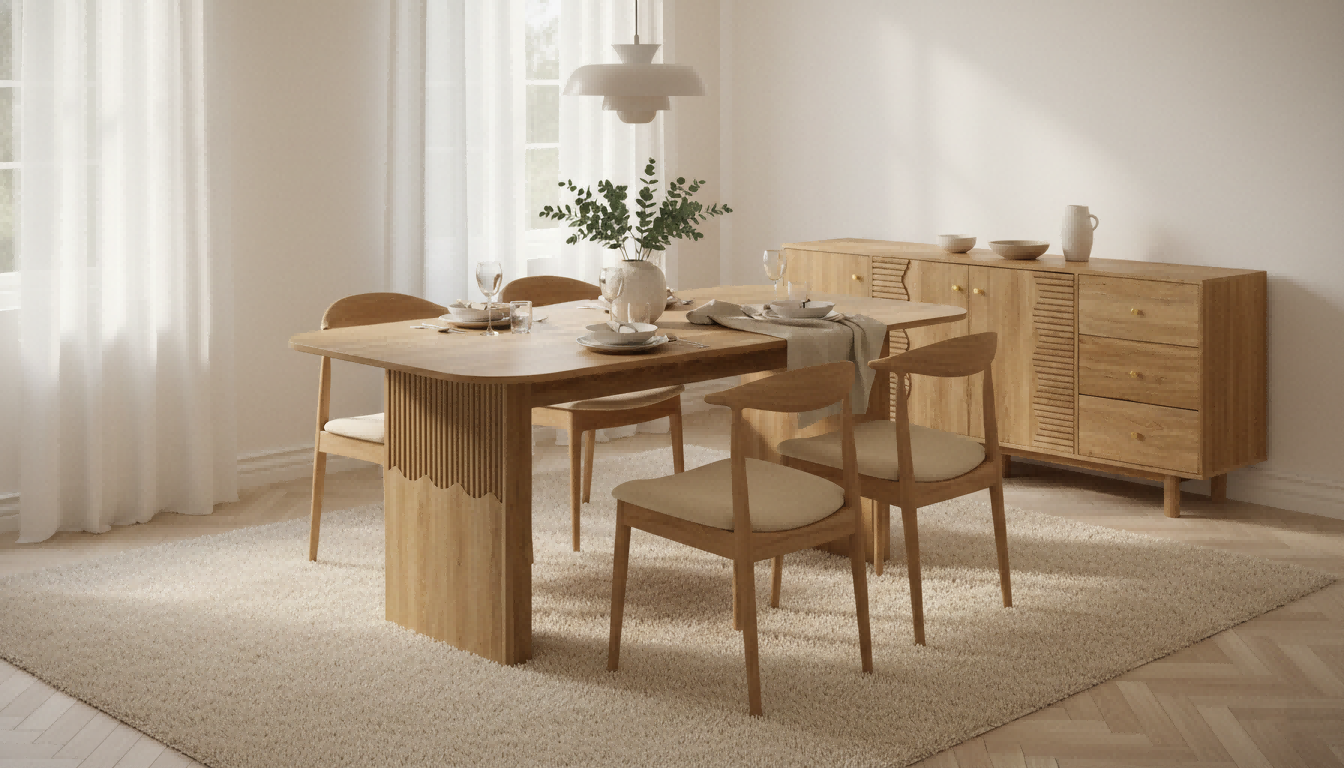
1. Superior Materials and Uncompromising Craftsmanship
The foundation of any enduring sideboard lies in its material composition and construction techniques. A professional sideboard cabinet wholesaler maintains direct relationships with mills and finishing workshops, ensuring that every board, veneer, and hardware component meets stringent specifications. Unlike retail offerings that often use particleboard or MDF with paper laminates, premium wholesalers prioritize kiln-dried hardwoods such as American black walnut, European oak, and sustainably sourced ash. Joinery methods—dovetail drawers, mortise-and-tenon frames, and dowel-reinforced carcases—are non-negotiable for structural integrity in high-traffic commercial settings. Furthermore, finishing protocols involve multiple stages of sanding, staining, and sealing with catalyzed lacquers that resist scratches, moisture, and UV fading. This attention to detail directly impacts the longevity of the furniture, reducing replacement cycles for hotel chains and private clients alike.
2. Endless Customization to Match Any Design Vision
Off-the-shelf solutions rarely align perfectly with the unique dimensions and stylistic requirements of bespoke interiors. A competent sideboard cabinet wholesaler offers a collaborative design process that transforms CAD drawings into tangible products. Customization extends far beyond choosing a wood species; it includes variable cabinet depths to accommodate existing millwork, integrated LED lighting systems with motion sensors, specialized interior compartments for wine storage or audiovisual equipment, and the ability to match any RAL or Pantone color for painted finishes. Hardware selection is equally critical—soft-close hinges from Blum or Grass, custom pulls in brushed brass or matte black, and even fully concealed push-to-open mechanisms. Essent Home, for instance, works directly with design firms to engineer sideboards that incorporate hidden charging stations and cable management, addressing the modern need for seamless technology integration without compromising aesthetics.
3. Streamlined Global Sourcing and Logistics
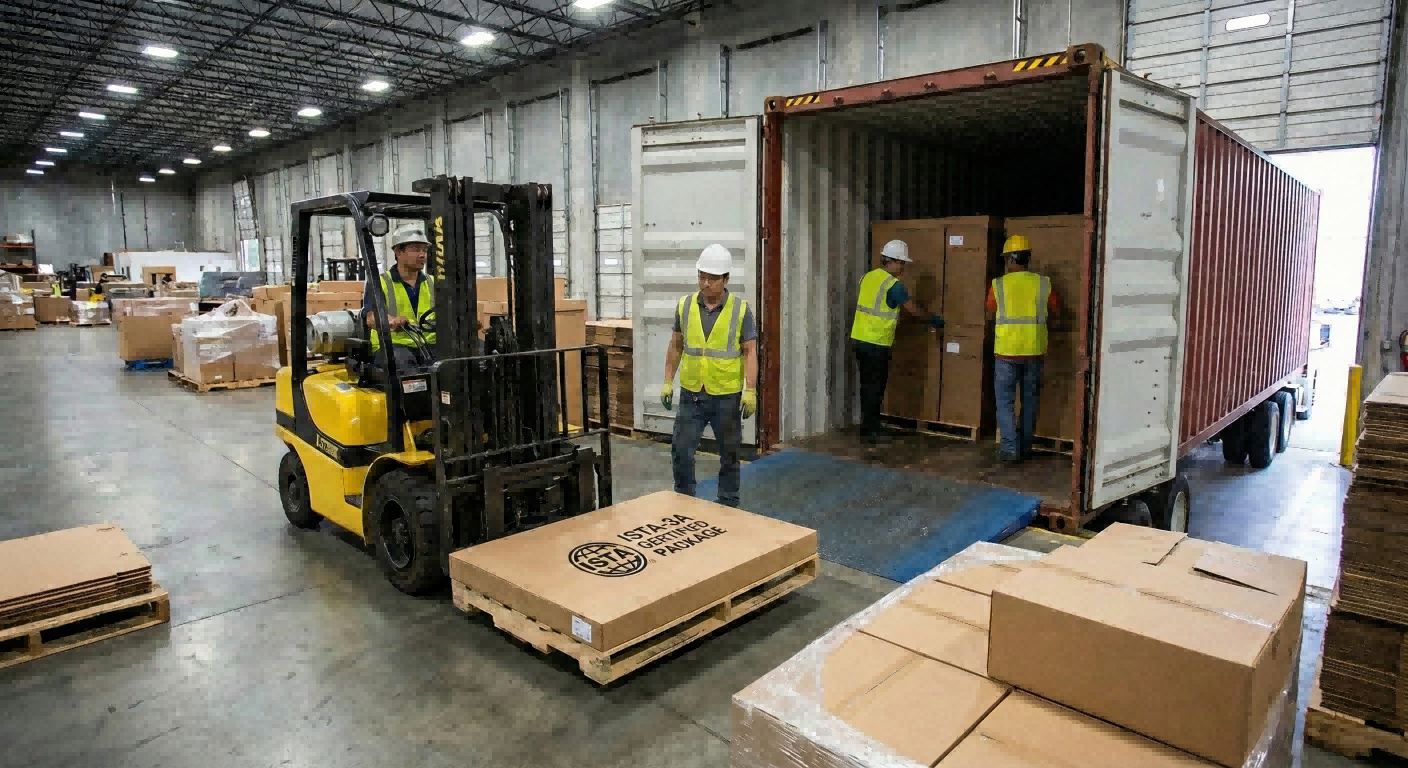
Managing international freight, customs clearance, and last-mile delivery is a complex undertaking, especially when dealing with fragile, high-value case goods. A seasoned sideboard cabinet wholesaler acts as a logistics hub, consolidating orders from multiple production lines to optimize container space and reduce per-unit shipping costs. They handle the intricacies of export documentation, fumigation certifications for solid wood, and insurance coverage against transit damage. For North American buyers, working with a wholesaler that has established warehousing on the West or East Coast can dramatically cut lead times. Moreover, reputable wholesalers conduct pre-shipment inspections using checklists that verify dimensions, finish consistency, and hardware functionality, ensuring that any discrepancies are resolved at the factory rather than on the project site.
4. Cost Efficiency Without Compromising Quality
Volume purchasing power is a defining characteristic of a true sideboard cabinet wholesaler. By aggregating demand from multiple clients, they negotiate better pricing on raw lumber, sheet goods, and imported components like drawer slides and glass panels. These savings are passed on to B2B buyers, making high-end custom pieces more accessible for large-scale rollouts. Importantly, cost efficiency does not equate to cheapness; it reflects the elimination of intermediary markups. A wholesaler’s pricing model is transparent, typically based on ex-works costs plus a fixed management fee, allowing designers to allocate budgets more accurately. This financial predictability is invaluable for fixed-bid contracts in the hospitality sector.
5. Expertise in Contract-Grade Standards
Commercial interiors must adhere to rigorous safety and performance codes that residential furniture does not. A reputable sideboard cabinet wholesaler possesses deep knowledge of regulations such as CAL TB 117-2013 for flammability, ANSI/BIFMA X5.9 for base durability, and CARB Phase 2 for formaldehyde emissions. They source foams, fabrics, and composite woods that carry the necessary certifications and can provide technical documentation to specifiers. Additionally, they understand the mechanical testing required for high-usage environments: hinges that withstand 100,000 open-close cycles, finishes that pass abrasion tests, and structural loads that exceed 200 pounds per shelf. This expertise protects the buyer from liability and ensures the furniture performs as expected over years of daily use.
6. Trend Forecasting and Design Support
Staying ahead of design trends is essential for firms competing in the luxury market. A proactive sideboard cabinet wholesaler invests in market research and attends international fairs like Salone del Mobile and ICFF to identify emerging styles. They bring insights on material fusions—such as combining ribbed glass with warm timber—or the shift toward biophilic design with natural-edge details and organic finishes. Many wholesalers, including Essent Home, offer curated lookbooks and material libraries that help designers present options to clients quickly. They can also advise on functional innovations like convertible sideboards that serve as room dividers or include drop-leaf extensions for flexible dining arrangements. This collaborative approach accelerates the specification process and enhances the final design outcome.
7. Sustainability and Ethical Sourcing
Environmental accountability is now a baseline requirement for premium projects. Designers increasingly demand proof that wood products originate from responsibly managed forests (FSC® certified) and that factories utilize water-based finishes with low VOC emissions. A credible sideboard cabinet wholesaler conducts regular audits of their supply chain to ensure fair labor practices and minimal environmental impact. They can offer sideboards constructed from reclaimed timbers or rapidly renewable materials like bamboo. Furthermore, they optimize cutting plans to reduce waste and recycle offcuts into smaller components or biomass energy. By choosing a wholesaler committed to sustainability, brands align themselves with the values of eco-conscious clients and contribute to a circular economy.
Frequently Asked Questions (FAQs) About Sourcing Sideboard Cabinets from Wholesalers
Q1: What is the typical minimum order quantity (MOQ) for custom sideboard cabinets?
A1: MOQs vary depending on the complexity of the design and the materials used. For fully customized pieces, many wholesalers require a minimum of 30 to 50 units per design to justify production line setup. However, some wholesalers like Essent Home offer flexible programs for designers with smaller projects, including sample orders or shared container programs that combine multiple designs.
Q2: Can you match an existing wood finish or color exactly?
A2: Yes, professional wholesalers maintain a library of finish samples and can match virtually any color or stain. The process typically involves sending a physical reference (a piece of veneer, a paint chip, or a RAL number) to the factory. The manufacturer then creates a prototype panel for approval before full production begins, ensuring color consistency across the entire order.
Q3: What lead times should I expect for a wholesale order?
A3: Lead times generally range from 6 to 10 weeks for custom production, depending on order size and current factory workload. Shipping by sea adds another 3 to 5 weeks to major ports like Los Angeles or Rotterdam. Air freight is available for urgent samples but is cost-prohibitive for full container loads. A transparent wholesaler provides a production schedule with regular updates.
Q4: Do you offer installation services or technical support?
A4: While installation is usually managed by local contractors on site, wholesalers provide detailed assembly drawings, hardware templates, and video guides. For large hospitality projects, some wholesalers can arrange for a factory technician to supervise the installation or conduct training sessions for the onsite team.
Q5: How do you handle quality control and defects?
A5: Reputable wholesalers implement a multi-stage quality control process: raw material inspection, in-line production checks, and a final pre-shipment inspection (PSI) conducted by an internal or third-party team. Any defective pieces are repaired or reworked before packing. If damage occurs during transit, they assist with filing insurance claims and arranging replacements quickly to keep project timelines on track.
Q6: Are the materials used suitable for commercial fire codes?
A6: Absolutely. When sourcing through a specialized sideboard cabinet wholesaler, you can specify fire-retardant treatments for upholstery components and composite woods that meet local building codes. Certifications such as CA TB117 or BS5852 can be provided upon request, ensuring compliance for hotels, restaurants, and corporate offices.
Q7: Can I request changes to the design after production has started?
A7: Changes are easiest to accommodate during the sample approval stage. Once full production begins, modifications typically incur additional costs and delays. It is crucial to finalize all technical drawings, material selections, and hardware specifications before giving the green light. A good wholesaler will schedule design review meetings to prevent last-minute changes.
Selecting the right sideboard cabinet wholesaler is a strategic decision that impacts the success of any high-end furnishing project. From material integrity and bespoke customization to logistics and compliance, a partner like Essent Home brings the depth of expertise required to execute complex visions with precision. By prioritizing these seven criteria, design professionals can ensure their projects are not only beautiful but also built to last.