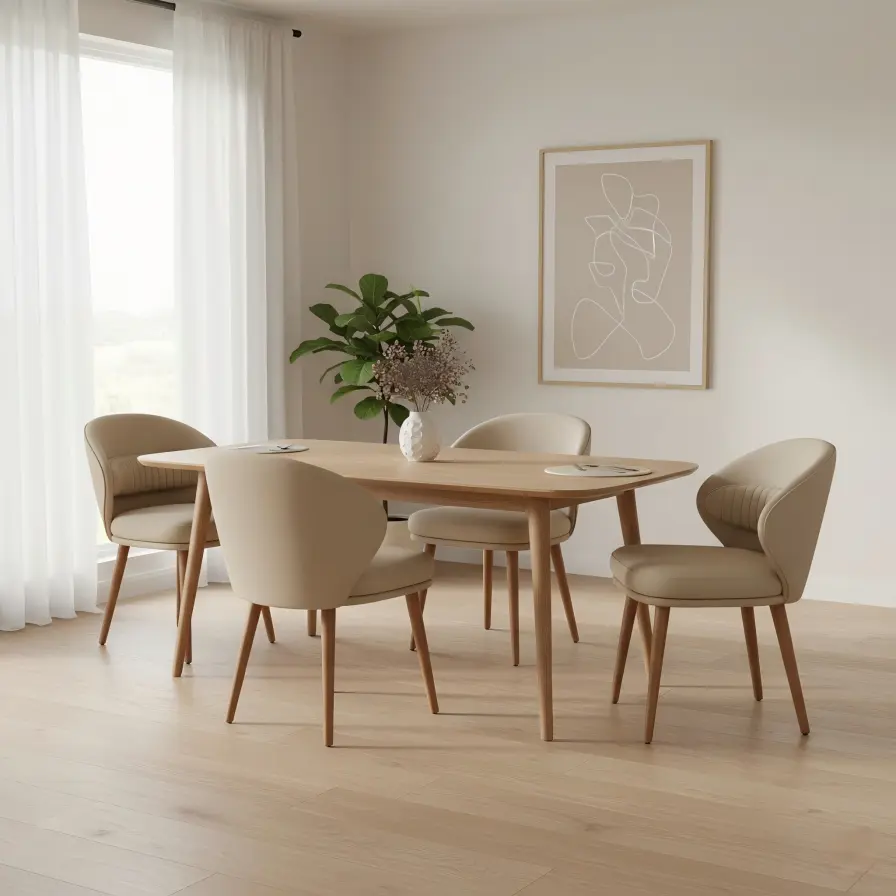
Modern spatial planning demands furniture that bridges the gap between aesthetic sophistication and structural longevity. Dining benches have evolved from traditional, simple wooden planks into highly sophisticated seating solutions that maximize seating capacity while introducing clean geometric lines to high-end interiors. For international furniture procurement managers, commercial interior architects, and volume wholesalers, partnering with a reliable dining benches exporter is indispensable to delivering successful projects on time and within specification. Essent Home focuses on custom furniture manufacturing, delivering tailored seating solutions that meet demanding commercial and residential standards.
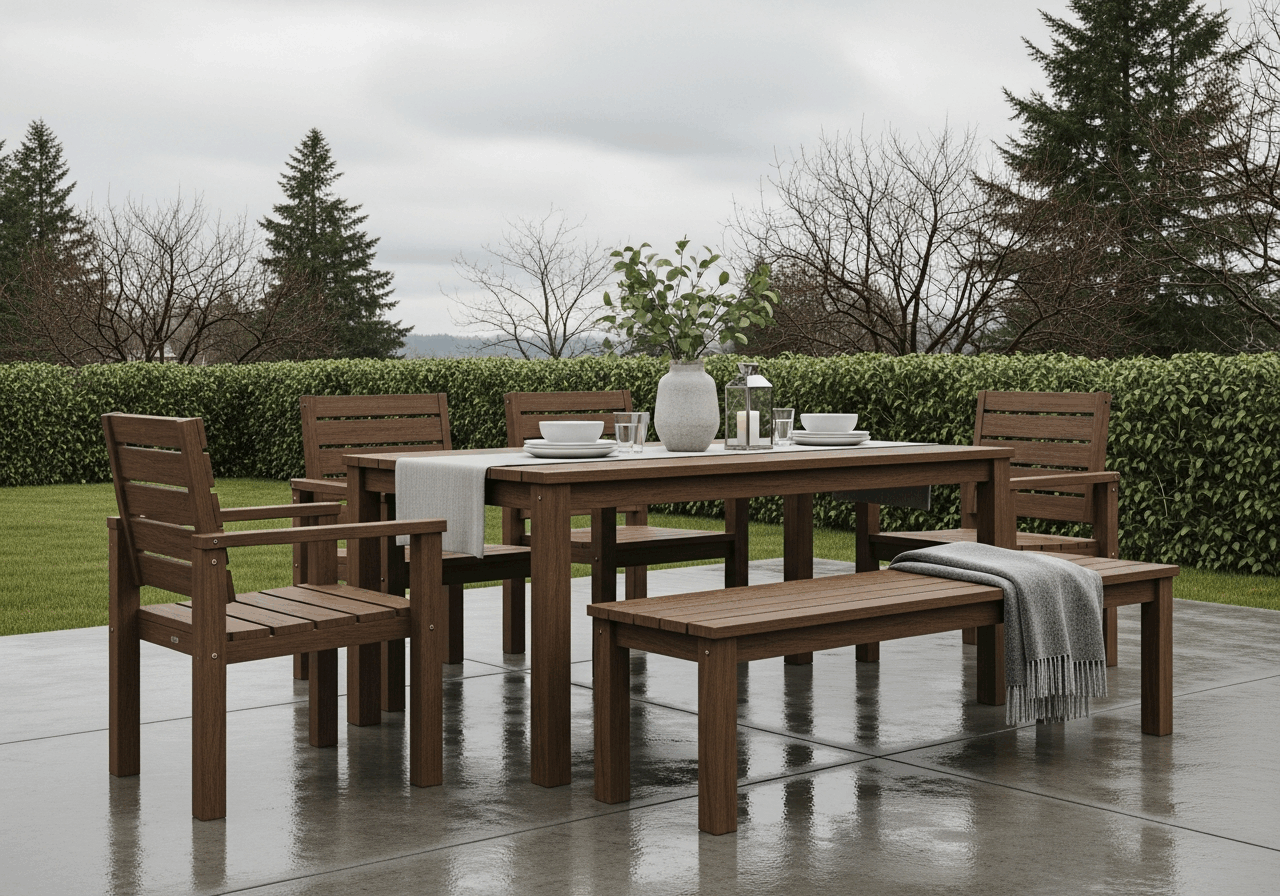
Wood Selection and Moisture Control in Dining Bench Production
The durability of a premium dining bench begins with raw lumber selection. High-end exporters prioritize hardwood species known for dense grain patterns and natural resistance to wear. Typically, North American Walnut, European White Oak, and Ash are selected. These timbers provide the structural foundation necessary to support multiple occupants simultaneously without sagging or warping under heavy loads.
Maintaining the proper equilibrium moisture content (EMC) is a primary challenge in international timber furniture trade. Wood is a hygroscopic material, meaning it absorbs or releases moisture based on its surrounding climate. A qualified dining benches exporter must operate advanced kiln-drying facilities to ensure the raw timber achieves a stable moisture level of 8% to 12% before fabrication begins. If the moisture content is too high, the finished bench may crack, shrink, or split when shipped to drier climates. Conversely, wood that is too dry can swell and warp in humid coastal environments. By implementing rigorous kiln-drying schedules and utilizing precise pinless moisture meters at various stages of production, manufacturers protect the timber from structural failure.
The selection of specific timber cuts also influences the final stability of the bench. Quarter-sawn or rift-sawn lumber, while more labor-intensive to produce, provides superior dimensional stability compared to flat-sawn options. This choice minimizes the natural expansion and contraction across the width of the seating surface, ensuring that the alignment of the bench remains true over decades of daily use.
Structural Engineering and Joinery Standards
Unlike single-occupant dining chairs, a dining bench must distribute unevenly loaded weight across an extended span. Standard dowel joints or simple wood screws are insufficient for commercial applications. High-end bespoke furniture relies on traditional joinery techniques modernized through computerized numerical control (CNC) routing systems to ensure a precise, repeatable fitment.
- Mortise and Tenon Joinery: This traditional technique remains the gold standard for connecting the bench legs to the apron. The tenon fits snugly into the mortise, providing multi-directional shear strength.
- Reinforced Corner Blocks: Heavy-duty wooden or metal corner blocks are glued and bolted to the inside corners of the frame. This absorbs lateral forces when users slide onto the bench.
- Threaded Metal Inserts: For knock-down (KD) furniture models, direct wood screws are avoided. Instead, manufacturers install threaded steel inserts into pre-drilled holes, allowing the legs to be bolted and unbolted multiple times without stripping the wood fibers.
- Center Support Rails: Benches exceeding 160 cm in length require intermediate support beams. These longitudinal steel or solid hardwood rails prevent center sagging over years of continuous use.
The integration of these joinery methods ensures that the physical forces applied to the bench are distributed evenly through the entire framework rather than concentrated on individual fasteners. This engineering approach prevents the development of wobbles, loose joints, and structural squeaks over time.
Customization and Protective Finishing Standards
Working with a specialized custom furniture manufacturer like Essent Home allows designers to specify precise dimensions, profiles, and finishes that align with their design intent. Customization goes beyond changing the length of a bench; it involves selecting specific grades of wood, wire-brushing techniques, and tailored finishes.
Finishing is where aesthetic beauty meets surface protection. Commercial dining environments expose wood surfaces to frequent spills, acidic food residues, and abrasive cleaning agents. To address this, a professional dining benches exporter utilizes multi-layered polyurethane or water-based acid-catalyst lacquers. These finishes undergo rigorous testing, including cross-hatch adhesion tests and resistance tests against liquid stains, heat, and scratches. For residential projects requiring a natural tactile feel, plant-based hardwax oils are applied, offering a matte appearance that can be spot-repaired if damaged.
Environmental compliance is another aspect of modern finish selection. Premium manufacturers ensure that all stains, sealers, and topcoats comply with international environmental standards regarding Volatile Organic Compounds (VOCs). Utilizing low-emission or solvent-free finishes protects indoor air quality in hospitality venues and private residences alike, aligning with modern green building certifications.
Upholstery Engineering for Heavy-Traffic Settings
Many high-end dining benches feature upholstered seats to provide long-term seating comfort in premium restaurants and luxury residences. The engineering behind the upholstery must balance cushion resilience with flame-retardant safety standards.
To prevent the foam from bottoming out, manufacturers use multi-density polyether foam layers. A firm base layer of high-resiliency (HR) foam provides the primary structural support, while a softer top layer of medium-density foam delivers initial comfort. This combination ensures the seat retains its original shape even after thousands of compression cycles. Additionally, fabrics and leathers must comply with international fire safety regulations such as BS 5852 (UK) or CAL 117 (US). B2B buyers must verify that their chosen dining benches exporter can provide certified fire-barrier materials and laboratory test reports for both the textile and the underlying foam.
The selection of the outer cover material is equally vital. High-traffic commercial environments benefit from performance fabrics that feature moisture barriers and stain-resistant coatings applied at the yarn level rather than as a temporary topical treatment. For leather-upholstered benches, top-grain or full-grain aniline-dyed leathers are preferred for their natural patina development and breathability, while corrected-grain pigmented leathers offer superior uniformity and ease of cleaning for high-turnover dining spaces.
Quality Assurance Frameworks in Manufacturing
Quality assurance is not a final step; it is integrated throughout the entire manufacturing process. As an experienced dining benches exporter, implementing standardized quality control frameworks prevents defects from reaching the packaging department, saving international clients from costly return logistics and project delays.
The manufacturing process begins with raw material inspection. Each batch of incoming lumber is scanned for internal defects using ultrasonic sensors or manual inspection before rough mill processing. Once machining begins, components are checked against production templates to guarantee dimensional accuracy. This precision is especially important for large-scale hospitality orders where multiple benches must match identical specifications for seamless built-in banquet installations.
Post-assembly testing involves physical stress simulation. Representative samples from each production lot are subjected to static load and cyclic impact tests. These procedures verify that the joinery can withstand the repetitive lateral and downward stresses typical of public dining areas. Finally, surface inspections under high-lux color-matching booths ensure that stain hues and gloss levels remain consistent across all produced units.
International Packaging and Logistics Coordination
Sea freight introduces significant physical stress, humidity fluctuations, and handling risks. A reliable dining benches exporter designs packaging that survives transcontinental shipping and multi-point distribution networks.
Premium packaging standards include wrapping the finished bench in protective EPE foam to prevent surface scratches. High-density molded foam corner guards are placed on all edges to absorb impact. The bench is then placed in a heavy-duty, double-wall 5-ply corrugated cardboard box. For Less than Container Load (LCL) shipments, the boxes are strapped onto heat-treated ISPM 15 compliant wooden pallets and wrapped in moisture-resistant stretch film to protect against forklift damage and maritime humidity. Essent Home utilizes standardized packaging configurations designed to fit maximum product volume within shipping containers, reducing transport costs and carbon footprints.
Coordination with customs brokers and freight forwarders is another hallmark of an experienced exporter. Clear documentation, including detailed commercial invoices, packing lists, certificates of origin, and phytosanitary certificates for timber components, prevents unnecessary delays at ports of entry. This proactive administrative management helps projects remain on schedule, avoiding costly demurrage fees.
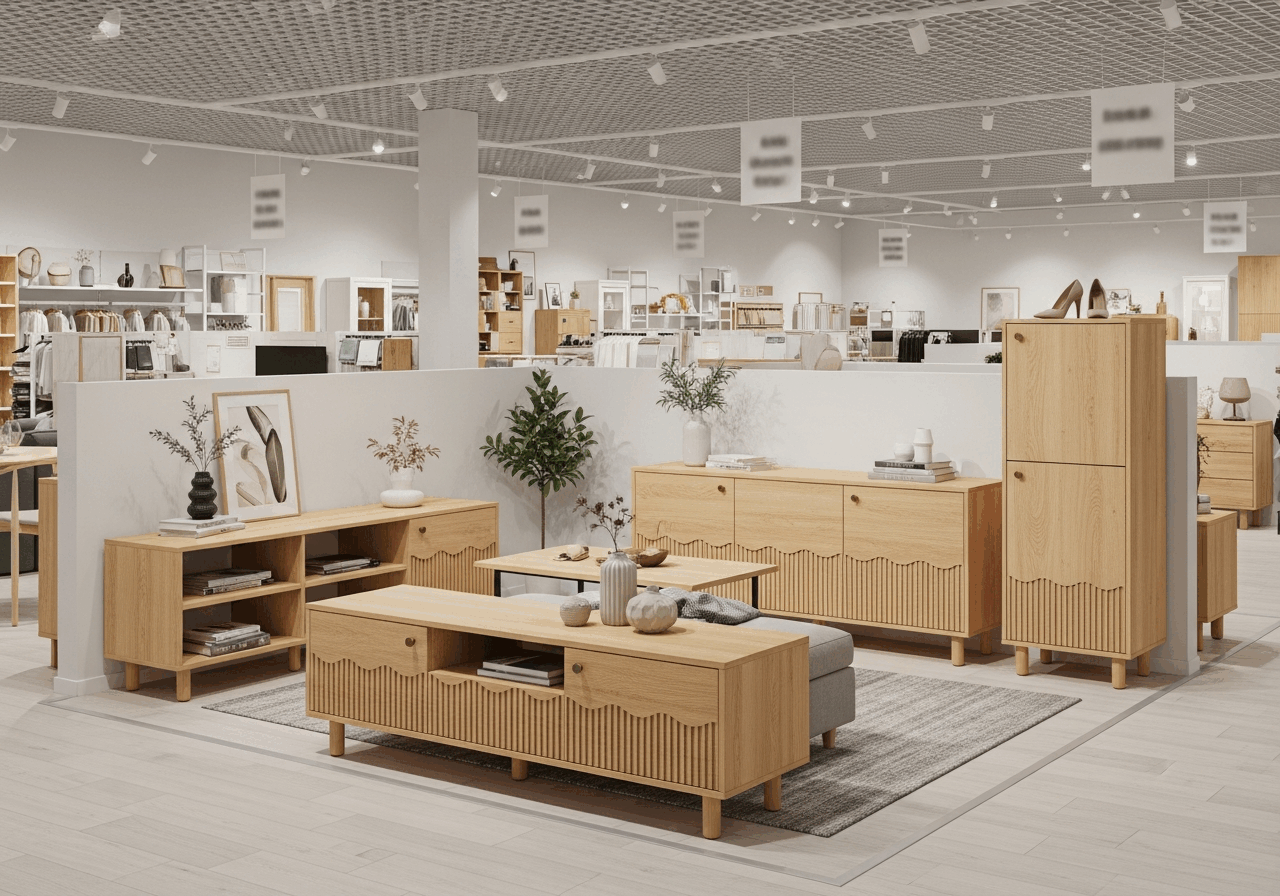
Establishing Reliable Global Supply Partnerships
Sourcing premium furniture globally requires a partner that understands the nuances of international trade, compliance standards, and precise material specifications. By working with a dedicated manufacturer, buyers gain access to reliable lead times, clear engineering drawings for approval, and custom material palettes.
A long-term partnership with a manufacturer allows for continuous refinement of product designs based on specific market feedback. For interior designers and developers, this collaborative relationship translates to a more fluid integration of furniture designs into the broader architectural vision, ensuring that every custom bench contributes to both the visual and functional success of the space.
To discuss your upcoming project requirements, request material samples, or receive a detailed manufacturing quotation, please reach out to our team of product engineers. We are ready to assist you with comprehensive engineering documentation, detailed shop drawings, and tailored shipping solutions for your specific global market.
Frequently Asked Questions
Q1: What wood species are best suited for high-end commercial dining benches?
A1: For commercial and high-traffic residential settings, dense hardwoods such as North American Walnut, European White Oak, and Ash are highly recommended. These timbers offer excellent screw-holding capacity, natural impact resistance, and stable grain patterns that withstand heavy loads.
Q2: How do you prevent dining benches from warping during sea transit?
A2: All timber is kiln-dried to an equilibrium moisture content of 8% to 12% before fabrication. The finished products are packed with moisture-absorbing desiccant bags inside sealed polybags to prevent structural warping caused by humidity changes during maritime transit.
Q3: Do your upholstered benches comply with global fire safety standards?
A3: Yes, we source fire-retardant high-resiliency foams and contract-grade fabrics that comply with British Standard BS 5852 and California Bulletin 117 (CAL 117) regulations upon client request.
Q4: What is the typical lead time for a custom dining bench production run?
A4: Lead times generally range between 45 to 60 days depending on the design complexity, material availability, and total order volume. This includes drafting detailed shop drawings for your approval before material procurement and machining begin.
Q5: Can you provide custom metal framing and bases for dining benches?
A5: Yes, we manufacture benches with integrated metal bases made of high-grade stainless steel, powder-coated carbon steel, or solid brass. All metal components are treated to prevent corrosion and oxidation in humid environments.