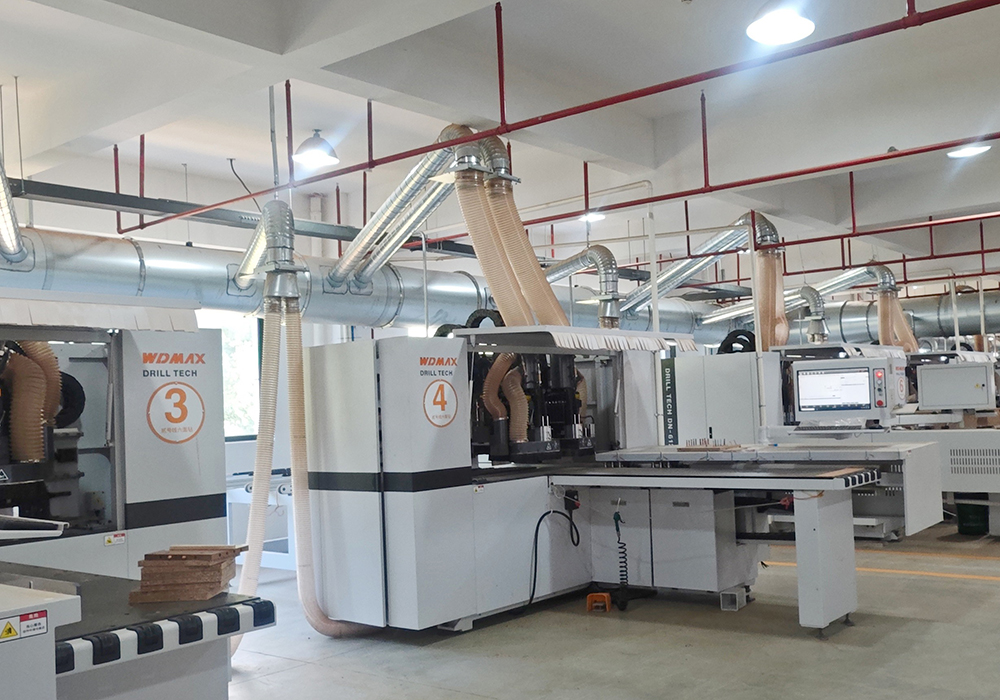
For interior designers, procurement specialists, and hospitality developers,
the selection of occasional furniture—specifically nested coffee
tables—represents a nuanced balance between spatial efficiency, visual harmony,
and structural longevity. Unlike standalone pieces, a nested set must function
seamlessly across multiple configurations while enduring constant repositioning
in high-traffic environments. Partnering with a nest of coffee tables
wholesaler that understands these technical and commercial
complexities is not merely a sourcing decision; it is a strategic move to ensure
product consistency, cost predictability, and design integrity across
large-scale installations.
This analysis draws on two decades of experience in high-end furniture
manufacturing and international B2B distribution. We will dissect the technical
specifications, customization frameworks, and quality assurance protocols that
distinguish professional wholesalers. By examining real-world project demands,
we provide a roadmap for evaluating and collaborating with a nest of coffee tables
wholesaler capable of delivering at scale without compromising
craftsmanship.
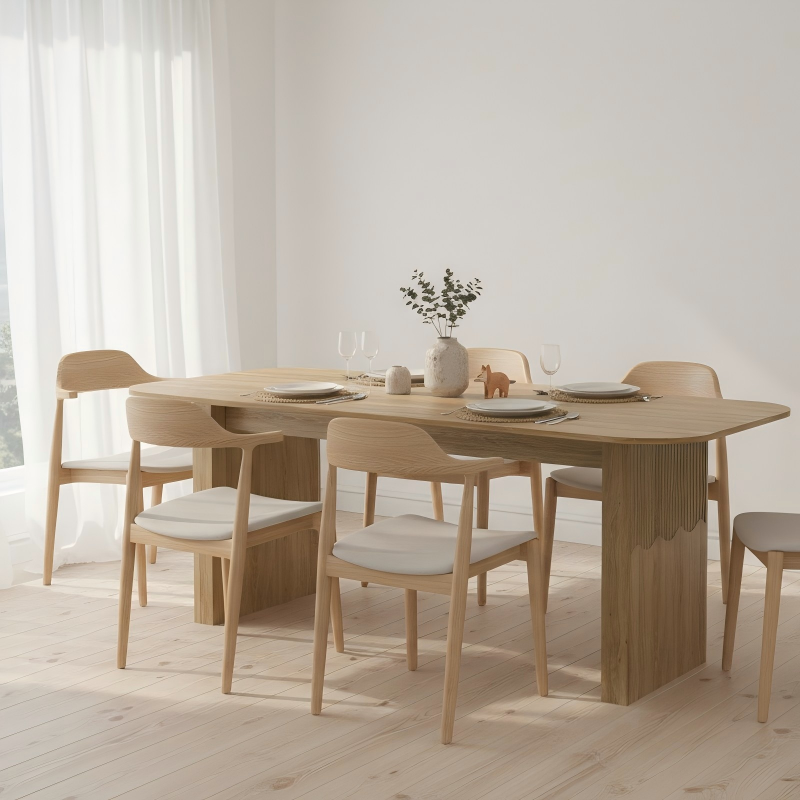
1. Technical Architecture: Defining Wholesale-Grade Nesting Tables
When procuring from a nest of coffee tables wholesaler, the
buyer must look beyond surface aesthetics. The structural engineering of nested
tables determines their performance in contract settings, where daily use,
frequent rearrangement, and cleaning protocols are standard. Below are the
technical benchmarks that separate wholesale-ready products from retail-grade
furniture.
1.1 Material Selection & Structural Integrity
Frame Materials: Professional wholesalers specify
kiln-dried solid hardwoods (oak, walnut, ash) for frames and legs, ensuring
resistance to warping in varying humidity levels. For metal-framed designs,
powder-coated steel with a minimum thickness of 1.5mm is standard, tested for
corrosion resistance via salt-spray testing (ASTM B117).
Tabletop Construction: High-grade MDF cores with real wood
veneers (0.6mm thickness) are engineered to prevent telegraphing. For solid wood
tops, edge-gluing with reinforced dowels or tenons provides dimensional
stability. A reputable nest of coffee tables
wholesaler will provide cross-section diagrams of multi-ply
construction.
Joinery Methods: Mortise-and-tenon joints for wood frames,
continuous welds for metal frames, and corner blocking with glued-and-screwed
brackets to withstand lateral stress during stacking and unstacking.
1.2 Surface Finishing & Environmental Compliance
Coating Durability: Catalyzed lacquer or conversion varnish
applied in 5–7 layers, with abrasion resistance exceeding 400 cycles on the
Taber test. This ensures resistance to coffee spills, cleaning agents, and UV
fading—a prerequisite for hospitality projects.
Safety & Emissions: Compliance with CARB Phase 2 for
composite wood, GREENGUARD Gold certification for indoor air quality, and REACH
compliance for chemical substances. A professional wholesaler maintains a
library of third-party test reports accessible to clients.
1.3 Nesting Mechanism & Floor Protection
Precision Tolerances: Nesting tables must slide smoothly
with gaps between 2–3mm to prevent scratching while allowing effortless
separation. CNC-machined components ensure consistency across thousands of
units.
Glide Systems: Felt pads or nylon glides are
factory-installed to protect finished floors. For heavy-duty contract use,
adjustable levelers compensate for uneven surfaces.
2. Customization & Private Label Capabilities: Beyond Standard
Catalogs
Architectural projects—whether a boutique hotel lobby, a luxury residential
tower, or a corporate headquarters—demand furniture that aligns with specific
design languages. A capable nest of coffee tables wholesaler offers far more than stock items; they provide comprehensive OEM/ODM services
that translate design concepts into production-ready specifications.
Essent Home exemplifies this
approach with a design-to-delivery model. Their engineering team collaborates
with clients during the prototyping phase, offering structural optimization
suggestions without altering aesthetic intent. This vertical integration reduces
lead times and ensures that the final product matches approved samples—whether
the project requires integrated wireless charging surfaces, specific metal
patinas, or custom sizing to fit non-standard spatial layouts.
Typical Customization Parameters Offered by Top Wholesalers:
Dimensional Scaling: Adjusting the height progression
between nested tables (commonly 4–6 inch increments) for ergonomic and visual
balance.
Material Combinations: Mixing solid wood, marble, glass, or
leather-wrapped tops with metal or wood bases.
Hardware & Detailing: Custom powder-coat colors,
brushed brass inlays, or hand-applied patinas.
Packaging Engineering: Custom foam inserts and reinforced
cartons designed for sea freight, with ISTA 3A testing to verify transit
durability.
3. Supply Chain Precision: Mitigating Risks in Large-Scale Procurement
For buyers managing multi-site projects, supply chain reliability is as
important as product quality. A professional nest of coffee tables
wholesaler implements systematic controls that minimize delays,
quality variances, and logistical complications. Data from the commercial
furniture sector indicates that single-source suppliers reduce project delays by
38% compared to fragmented sourcing.
Leading wholesalers employ a four-stage quality and logistics protocol:
Pre-Production Approval: A physical golden sample is
approved by the client before mass production, serving as the benchmark for
materials, finish, and construction.
In-Process Inspections: Third-party or internal inspectors
conduct AQL (Acceptable Quality Limit) checks at critical production
stages—typically at 30%, 60%, and 90% completion—with zero tolerance for
critical defects.
Container Loading Supervision: Loading photos, container
seals, and humidity indicators are documented to facilitate insurance and ensure
cargo integrity.
Documentation Management: Comprehensive export
documentation, including commercial invoices, packing lists, and certificates of
origin, is prepared to ensure smooth customs clearance.
Through these measures, a seasoned nest of coffee tables
wholesaler like Essent Home achieves on-time
delivery rates above 97%, even during peak construction seasons.
4. Application-Driven Design: Hospitality, Residential, and Contract
Projects
The functional demands placed on nesting coffee tables vary significantly
across project types. A luxury hotel requires surfaces that withstand constant
cleaning and guest use, while a high-end residence prioritizes tactile materials
and unique finishes. Expert wholesalers tailor their manufacturing processes
accordingly.
Hospitality & Contract Environments
Chemical Resistance: Finishes tested against alcohol,
acetone, and ammonia-based cleaners (meeting ASTM D1308 standards).
Structural Redundancy: Reinforced leg attachments with
metal brackets to prevent loosening after frequent repositioning by housekeeping
staff.
Fire Safety: Materials compliant with California Technical
Bulletin 117-2013 for upholstered components and NFPA 260 for residential-grade
products.
Residential & Luxury Developments
Material Authenticity: Full traceability for exotic woods
(e.g., Santos mahogany, European ash) with CITES documentation where
required.
Artisan Details: Hand-rubbed wax finishes, book-matched
veneers, and hidden joinery that enhance perceived value.
Integrated Functionality: Concealed storage, cable
management systems, and modular designs that allow reconfiguration over
time.
This segmentation underscores the importance of selecting a nest of coffee tables
wholesaler that maintains separate production protocols for
contract and residential orders, ensuring that product durability aligns with
end-use conditions.
5. Evaluation Framework: Assessing a Nest of Coffee Tables Wholesaler
To reduce procurement risk, buyers should conduct a structured evaluation of
potential wholesale partners. Based on industry best practices, a comprehensive
assessment covers five critical domains:
Manufacturing Certifications: ISO 9001:2015 for quality
management and ISO 14001 for environmental stewardship. Social compliance audits
(BSCI, SMETA) are increasingly mandatory for projects in North America and
Western Europe.
Technical Documentation: The ability to provide detailed
technical packs including CAD drawings, material specifications, and hardware
brand lists. Transparent wholesalers share this data freely.
Project References: Case studies demonstrating experience
with projects of comparable scale—such as “200-unit residential tower” or
“150-key hotel renovation”—indicating capacity and problem-solving history.
After-Sales Support: Warranty coverage (typically 2–5 years
on structural components) and availability of spare parts (glides, connectors)
for a minimum of five years after final delivery.
Production Transparency: Real-time production updates,
photographic evidence, and raw material sourcing documentation provided
throughout the manufacturing cycle.
Firms such as Essent Home exceed these
benchmarks by offering dedicated project managers, virtual factory tours, and
client-specific production dashboards—reducing the administrative burden
associated with international sourcing.
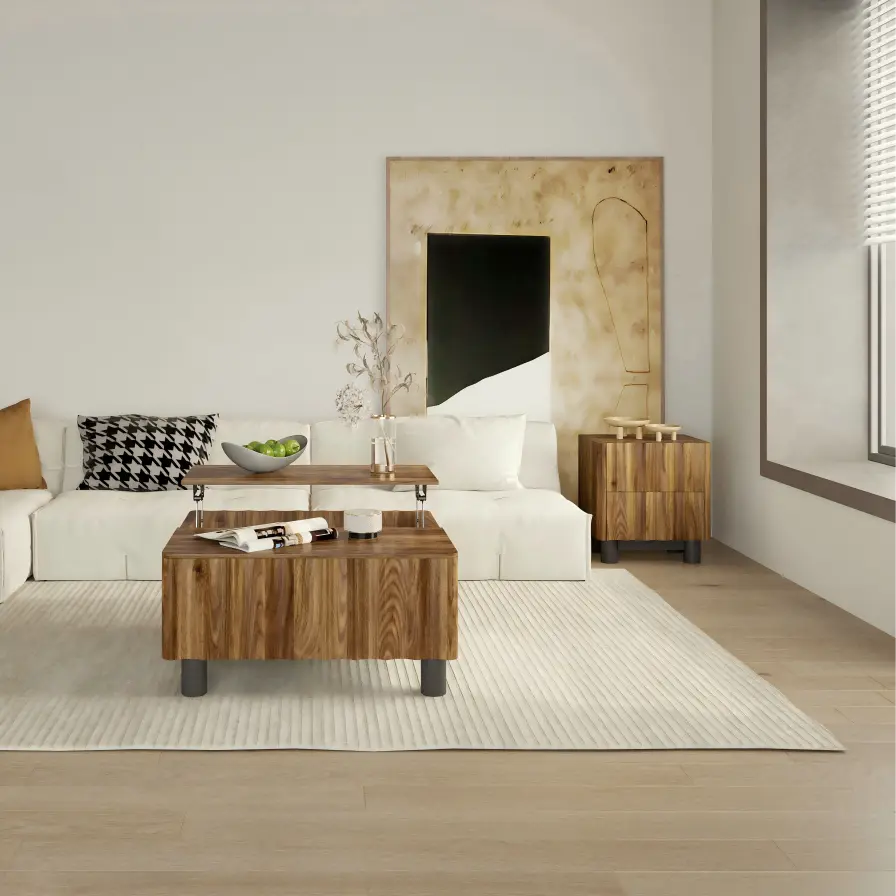
Strategic Wholesale Partnerships Drive Project Excellence
The decision to engage a nest of coffee tables
wholesaler should be approached as a long-term strategic
partnership rather than a transactional purchase. The ideal partner combines
scalable manufacturing capacity with precision engineering, offering
customization flexibility while maintaining strict quality controls. By
prioritizing wholesalers who demonstrate technical expertise, supply chain
transparency, and application-specific knowledge, B2B buyers secure a
competitive advantage in their projects—delivering furniture that meets both
aesthetic aspirations and operational durability requirements.
As global furniture procurement grows increasingly complex, those who align
with specialized wholesalers will consistently outperform competitors relying on
generic suppliers. The result is not merely a set of tables, but a cohesive
design statement backed by reliability and craftsmanship.
Frequently Asked Questions (FAQ)
Q1: What is the typical minimum order quantity (MOQ) when working
with a professional nest of coffee tables wholesaler?
A1: MOQs vary
based on customization and material complexity. For OEM/ODM projects with unique
specifications, many specialized wholesalers, including Essent
Home, accommodate orders starting from 50–100 sets per design. For
stock or semi-custom lines, lower MOQs may be available. The key is to negotiate
a flexible framework aligned with your project phasing and inventory
strategy.
Q2: Which materials are most recommended for nested coffee tables
intended for outdoor or covered patio use?
A2: For outdoor or
covered outdoor applications, marine-grade teak, powder-coated aluminum (with
AAMA 2604 certification), and high-pressure laminate (HPL) tops are preferred. A
reputable nest of coffee tables
wholesaler will specify materials with UV stabilizers and
corrosion-resistant hardware to ensure longevity in variable weather
conditions.
Q3: How do I verify that the finished nested tables will match the
approved prototype in color and finish consistency across a large
order?
A3: Professional wholesalers implement a “master sample”
system. After the pre-production sample is approved, it becomes the production
benchmark. They also use spectrophotometer readings to maintain a delta E (color
difference) of less than 1.0 across all units. Request a signed “color standard”
sample and a production approval sheet before full manufacturing begins.
Q4: What certifications should I require from a nest of coffee tables
wholesaler to meet international environmental and safety
standards?
A4: Essential certifications include FSC Chain of Custody
for wood sourcing, CARB ATCM for formaldehyde emissions, and GREENGUARD Gold for
low chemical emissions. For European projects, CE marking and REACH compliance
are mandatory. A professional wholesaler provides these certifications as part
of their standard compliance package.
Q5: What are typical lead times for a custom nested coffee table
order, and how can production delays be minimized?
A5: Lead times
generally range from 60 to 110 days from sample approval to shipment, depending
on order size and material availability. Delays are minimized by early
procurement of specialized materials (e.g., exotic veneers, custom hardware),
establishing clear milestone schedules, and scheduling production during
off-peak periods. Top wholesalers provide weekly production updates and
milestone-based calendars.