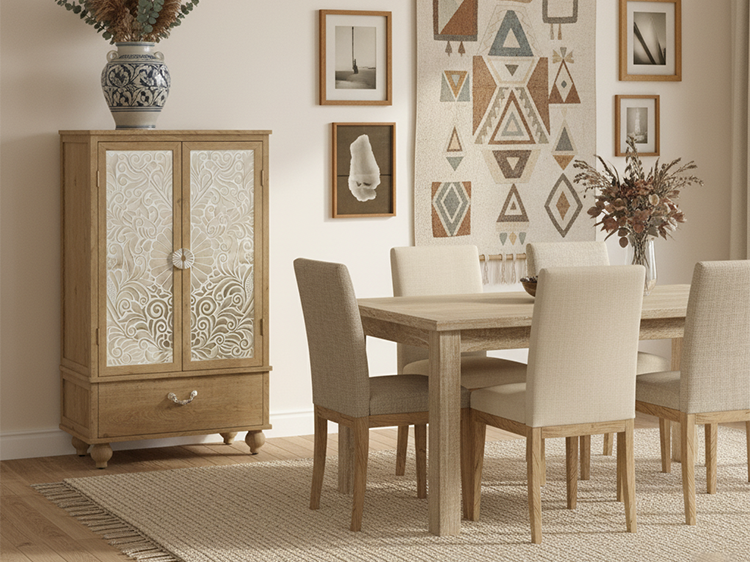
The dining room remains the social anchor of any residence or hospitality space. It is where conversations linger and deals are closed. However, the success of this environment relies heavily on one specific element: the seating. For interior designers, architects, and luxury retailers, the challenge isn't just finding a beautiful design; it is finding a reliable dining chairs supplier capable of executing that design with precision and durability.
In the world of high-end furniture, off-the-shelf solutions often fall short. They lack the specific fabric match, the precise wood stain, or the structural integrity required for high-traffic environments. This is where a dedicated manufacturing partner becomes an asset. Companies like Essent Home have built their reputation not just on selling furniture, but on understanding the nuanced engineering required to make a chair that feels as good as it looks.
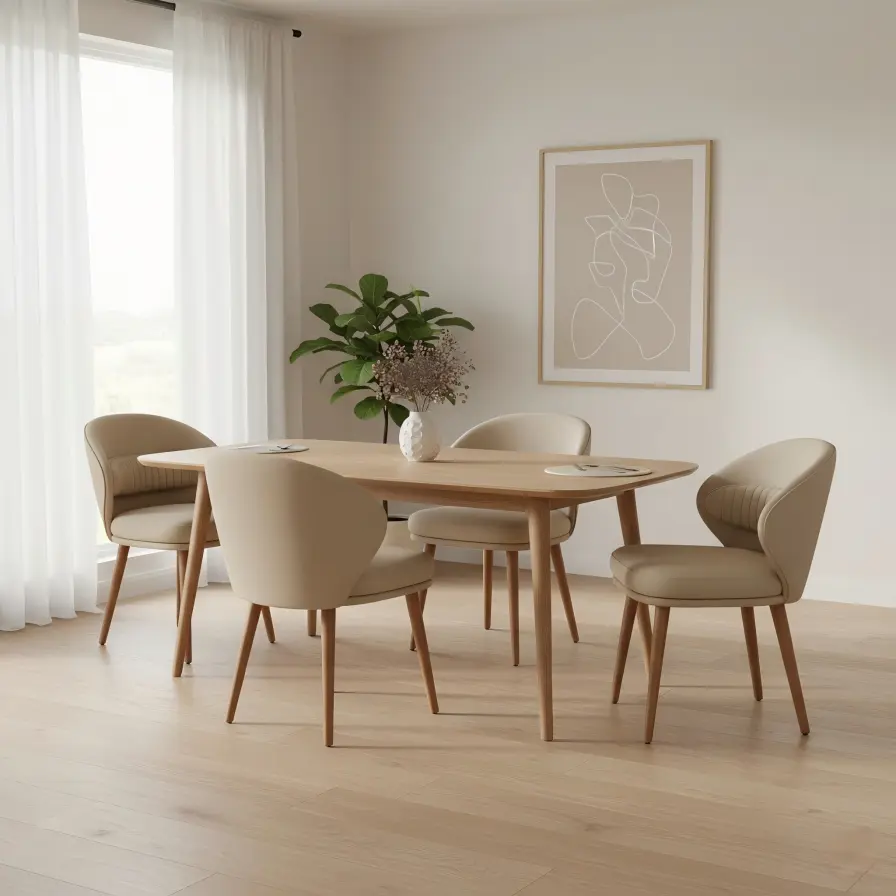
A generalist furniture factory often treats a chair as just another object. A specialist understands that a dining chair is an engineering challenge. It must support varying weights, withstand constant movement, and maintain its structural rigidity for years.
When vetting a potential partner, look for their understanding of ergonomics. A supplier focused on the luxury market will know that the pitch of the backrest and the density of the seat foam are critical for comfort during long meals. They don't just assemble parts; they study how the human body interacts with the frame.
assessing Structural Integrity and Joinery
The longevity of a chair is determined by its skeleton. In mass production, factories often rely on staples and simple glue joints. In the high-end custom sector, this is unacceptable.
You should inquire about the construction methods. The gold standard remains mortise and tenon joinery, reinforced with corner blocks. A competent dining chairs supplier will be transparent about their internal construction. They should be willing to show you photos of the raw frames before upholstery is applied.
The Importance of Wood Stability
Wood is a living material. It expands and contracts with changes in humidity. If a supplier exports globally, they must kiln-dry their timber to specific moisture content levels—typically between 8% and 12%.
If the wood is too wet during production, the chair legs will warp or crack when they arrive in a dry climate. This technical knowledge is what separates a budget factory from a professional partner.
Material Selection and Customization Capabilities
Luxury design is defined by choice. A designer might fall in love with a silhouette but need it in a bleached oak finish with a specific mohair velvet.
Working with COM (Customer’s Own Material)
One of the biggest hurdles in sourcing is the fabric. High-end projects often specify fabrics from houses like Pierre Frey or Rubelli. A flexible supplier must have a robust process for handling "Customer’s Own Material" (COM).
They need to calculate yardage accurately, inspect the expensive fabric upon arrival, and understand how to pattern-match complex prints across the curve of a chair back. This requires skilled upholstery teams, not automated assembly lines.
Metal and Mixed Media
Modern luxury often blends materials. We are seeing a surge in designs that incorporate brass ferrules (caps) on chair legs, woven cane backs, or leather strapping.
A manufacturer needs access to quality metalworking. The plating on a brass foot cap needs to be durable enough to withstand vacuum cleaners and shoes. Essent Home often highlights the importance of these mixed-material capabilities, ensuring that the metal components age just as gracefully as the wood and fabric.
From Concept to Prototype
The most anxious moment for any designer is approving a large order based on a drawing. This is why prototyping is a non-negotiable step in the relationship with your dining chairs supplier.
The Shop Drawing Phase
Before sawdust is made, detailed CAD drawings should be produced. These drawings translate a design concept into manufacturing logic. They show exactly where the seams will fall, how the legs attach, and the exact dimensions.
The Approval Sample
For project orders—such as twenty chairs for a boardroom or a hundred for a restaurant—a physical prototype is essential. This sample allows you to test the "sit." Is the seat too deep? Is the lumbar support in the right place?
This is the stage to make adjustments. A collaborative supplier will welcome this feedback. They might suggest a slightly different foam density or a reinforcement bar if the design looks too fragile for commercial use.
Quality Control and consistency
Creating one perfect chair is craftsmanship; creating 50 identical perfect chairs is manufacturing excellence.
detailed Inspection Protocols
Quality control shouldn't happen only when the chair is in the box. It needs to happen at every stage: when the wood is cut, when the frame is assembled, and after the finish is applied.
In high-gloss finishes, for example, dust is the enemy. The facility needs clean rooms for spraying and drying. In upholstery, the tension must be consistent on every single chair so that a row of seats looks uniform around a dining table.
Packaging for Export
Furniture is most vulnerable during transit. A supplier experienced in international trade knows that a cardboard box is rarely enough.
Chairs have awkward shapes. They need custom-cut foam protection for the legs and rigorous crating to prevent crushing. Ask your potential partner about their packaging standards. Do they perform drop tests? Do they use reinforced corners?
Navigating Logistics and Lead Times
Time is often the most scarce resource in an interior design project. Delays in furniture delivery can hold up final inspections and grand openings.
Reliable communication regarding lead times is vital. A trustworthy supplier provides a realistic schedule that accounts for material sourcing, production, and shipping. They don't over-promise just to get the deposit.
Transparency is key here. If a specific fabric is backordered, the supplier should inform you immediately so an alternative can be chosen. This level of project management is what builds long-term relationships in the B2B sector
The difference between a dining room that looks good in photos and one that functions beautifully in real life often comes down to the manufacturing partner you choose. A skilled dining chairs supplier acts as a technical consultant, ensuring your vision is built to last.
It requires looking beyond the price tag and evaluating the construction, the materials, and the communication style of the factory. Whether you are sourcing for a boutique hotel or a private estate, the goal is finding a partner who values quality as much as you do.
Brands that focus on these details, such as Essent Home, demonstrate that in the world of luxury furniture, the unseen efforts—the internal joinery, the foam density, the packaging—are just as important as the final aesthetic. By asking the right questions and demanding rigorous standards, you ensure your project stands the test of time.
Frequently Asked Questions (FAQ)
Q1: What is the standard lead time for custom dining chair orders?
A1: For bespoke orders, the timeline is typically 8 to 10 weeks excluding shipping. This allows time for finalizing shop drawings, sourcing specific materials, and the actual hand-crafting of the chairs. Rush options may be available but usually depend on the complexity of the design.
Q2: Can I use my own fabric (COM) for the chairs?
A2: Yes, most professional suppliers dealing in high-end furniture allow Customer’s Own Material (COM). You will need to ship the fabric to the factory. The supplier should provide you with the exact yardage requirements based on the repeat of the pattern and the width of the roll.
Q3: Is there a minimum order quantity (MOQ) for custom designs?
A3: This varies by supplier. Some boutique workshops have no MOQ but charge a higher sample fee for single items. Larger factories might require an MOQ of 10 to 20 pieces per model to make the engineering and machine setup cost-effective.
Q4: How do I ensure the wood finish matches my existing table or flooring?
A4: Never rely on photos for color matching. You should send a physical control sample (a small piece of wood or flooring) to the dining chairs supplier. They will then create a custom finish sample on the chair’s wood species and mail it back to you for physical approval.
Q5: Do you offer commercial-grade warranties for restaurant or hotel projects?
A5: Reputable manufacturers usually offer a warranty against structural defects for 1 to 3 years. For commercial projects, it is critical to specify "contract grade" materials, such as high-rub-count fabrics and high-density foam, to ensure the warranty remains valid under heavy usage conditions.