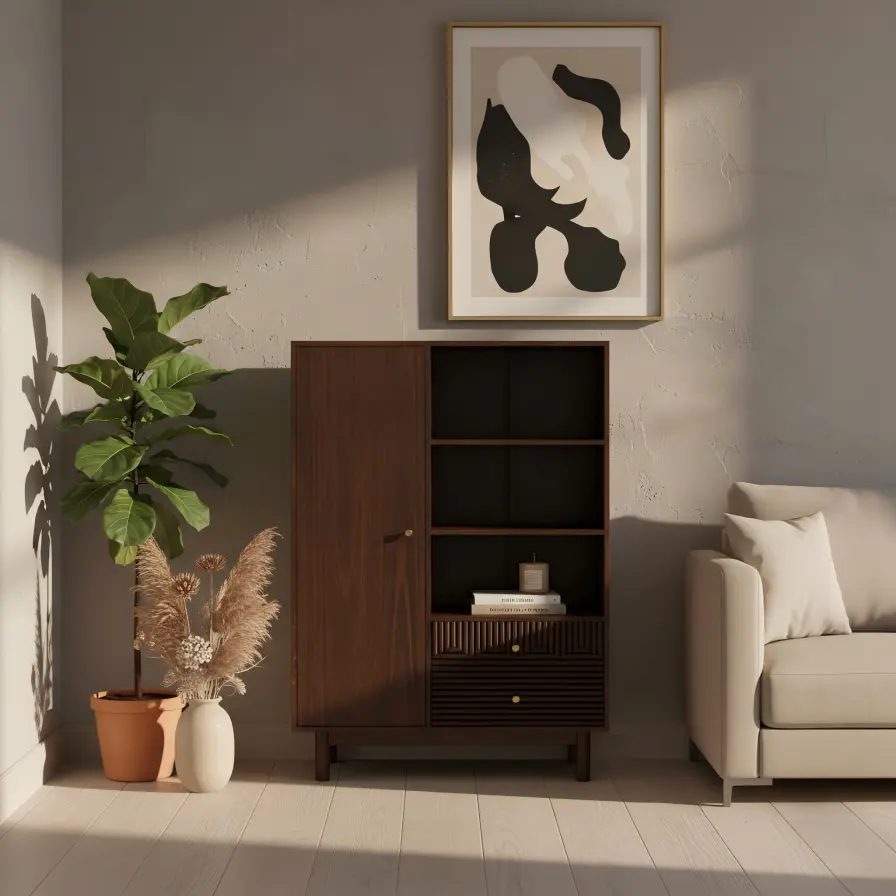
Finding the right partner to execute a vision for high-end cabinetry is one of the most critical steps in interior design. A bookshelf is rarely just storage; in luxury homes and executive offices, it serves as the architectural anchor of the room. Whether you are an interior designer, a developer, or a homeowner managing a renovation, the distinction between a generic carpenter and a specialized bookshelf manufacturer can determine the longevity and aesthetic success of the project.
Quality joinery requires more than just cutting wood. It demands a deep understanding of structural integrity, material aging, and the seamless integration of modern hardware. Brands like Essent Home have demonstrated that when precision engineering meets artisanal craftsmanship, the result is furniture that defines a space. This article explores what you should look for when sourcing a manufacturing partner for custom shelving projects.
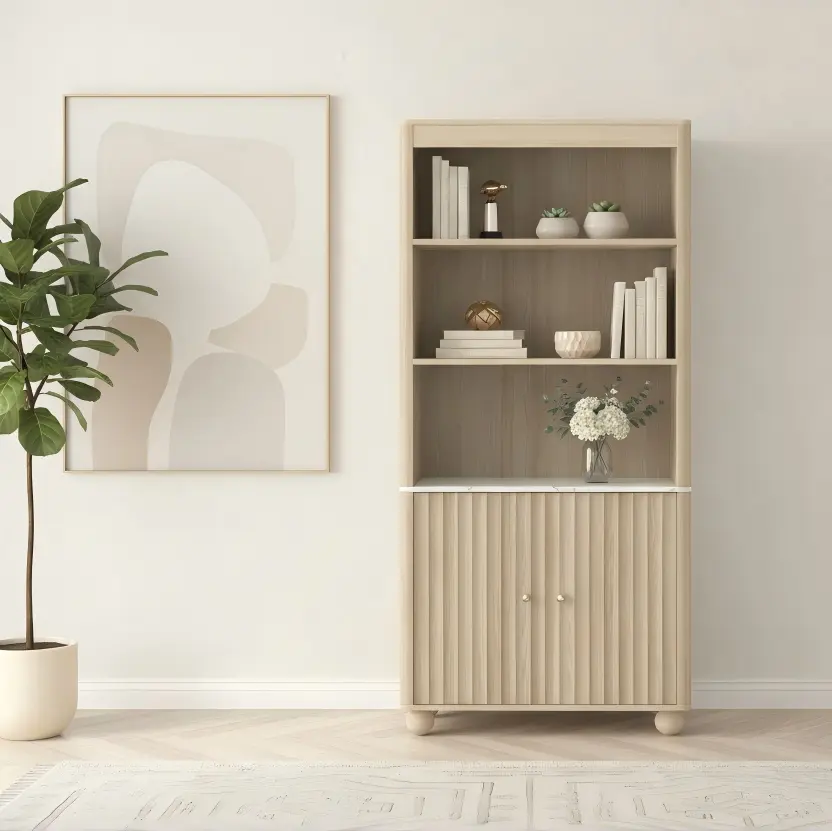
Mass-produced furniture often relies on particle board and cam-lock fasteners. While functional, these materials lack the soul and durability required for high-end interiors. A dedicated manufacturer brings a different level of expertise to the table. They understand how different environments—humidity, temperature, and usage load—affect natural materials.
When you engage a professional bookshelf manufacturer, you are paying for their problem-solving abilities as much as their labor. They can predict that a 4-foot span of walnut shelving will sag without a hidden steel reinforcement, or that a specific lacquer finish will yellow if exposed to direct UV light. This technical foresight prevents costly mistakes later in the installation process.
Understanding Material Sourcing
The foundation of any luxury piece is the raw material. A reputable manufacturer has established supply chains for premium timber, authentic wood veneers, and metals. They don't just buy "oak"; they buy specific grades of white oak with consistent grain patterns.
Precision Engineering vs. Handcrafting
The best factories today utilize a hybrid approach. Computer Numerical Control (CNC) machinery ensures that every hole is drilled to within a fraction of a millimeter, ensuring perfect alignment for adjustable shelves and doors. However, the sanding, staining, and assembly should always be touched by human hands to ensure the tactile quality of the finish is flawless.
Designing for Functionality and Aesthetics
A bookshelf in a modern luxury home often houses more than just books. It might need to accommodate a wet bar, integrated LED lighting, or a hidden media center.
Integrated Lighting Solutions
Lighting is no longer an afterthought. Top-tier manufacturers mill channels into the shelves to hide LED strips and wiring. The goal is to have light that washes over the objects on display without the source being visible. This requires precise routing and coordination between the electrical specs and the joinery team.
Mixing Materials
Current design trends favor a mix of textures. We are seeing a move away from wall-to-wall wood and toward designs that incorporate brass inlays, leather-wrapped shelves, or smoked glass dividers. A versatile bookshelf manufacturer must be comfortable working with these diverse materials. They need metalworking capabilities or reliable partners to fabricate custom brass hardware that fits perfectly into the woodwork.
The Customization Process
The journey from a concept sketch to a installed wall unit is complex. It usually begins with detailed shop drawings. This is where the manufacturer translates a designer's vision into a buildable reality.
From CAD to Prototype
Before full production begins, especially for large hotel projects or complex residential units, a prototype or a "finish sample" is essential. This allows the client to see the exact sheen of the varnish and the grain of the wood. Essent Home, for example, emphasizes this stage to align client expectations with the final output, ensuring the texture and color match the initial mood board perfectly.
Hardware Selection
The tactile experience of opening a drawer or sliding a ladder creates the feeling of luxury. High-end manufacturers standardly use hardware from leaders like Blum, Hettich, or Salice. Soft-close hinges, heavy-duty drawer slides, and perfectly balanced sliding tracks are non-negotiable in this tier of the market.
Assessing Quality Control Standards
How do you know if a manufacturer creates products that last? You look at the details that are usually hidden.
Construction Techniques
Check the joinery. Dovetail joints in drawers are a classic sign of quality, but modern dowel and tenon construction can be equally strong if glued and clamped correctly. A poor manufacturer uses staples; a great one uses extensive clamping pressure and high-grade adhesives.
Finishing Processes
The finish is the armor of the furniture. In a factory setting, finishes should be applied in dust-free spray booths. The depth of a high-gloss finish or the silky touch of a matte oil finish comes from multiple coats and rigorous sanding between layers. This labor-intensive process is what separates luxury pricing from budget options.
Logistics and Global Shipping
For international projects, the ability to build is only half the battle. The furniture must be transported safely. A competent bookshelf manufacturer is also an expert in packaging.
Flat-pack shipping is common to save costs, but for high-end custom work, cabinetry is often shipped partially assembled or in large modules. Crating must be robust, using plywood boxes rather than simple cardboard, to withstand ocean or air freight. The manufacturer must also provide clear, detailed assembly instructions or video guides for the local installation team.

In the crowded market of furniture production, finding a partner that balances cost, quality, and communication is rare. Essent Home has carved out a niche by offering the capabilities of a large factory with the attention to detail of a boutique workshop.
Their approach to custom shelving involves a collaborative design process where technical hurdles are addressed early. Whether it is a floor-to-ceiling library for a Manhattan penthouse or modular shelving for a boutique hotel, they apply the same rigorous quality control standards
Selecting the right partner for your joinery needs is an investment in peace of mind. A skilled bookshelf manufacturer acts as a technical consultant, a craftsman, and a logistics manager all in one. They take a drawing and turn it into a permanent fixture of a home.
When reviewing potential partners, look past the price tag. Examine their portfolio for complex details, ask about their material sourcing, and discuss their engineering capabilities. Whether you choose a local artisan or a global partner like Essent Home, the goal remains the same: creating a beautiful, functional space that stands the test of time.
Frequently Asked Questions (FAQ)
Q1: What is the typical lead time for a custom bookshelf manufacturer to complete an order?
A1: The lead time varies significantly based on complexity and materials. generally, for high-end custom joinery, the process takes between 8 to 12 weeks. This includes the time for finalizing shop drawings, sourcing specific veneers, manufacturing, and finishing. Rush orders are sometimes possible but often incur a premium due to the disruption of the production line.
Q2: Can a manufacturer match a specific wood finish I have in my home?
A2: Yes, professional manufacturers offer color-matching services. You will typically need to send a physical sample of your existing furniture or flooring to the factory. They will then create a custom stain sample on the wood species intended for your bookshelf and send it back to you for approval before production begins.
Q3: What information do I need to provide to get a quote?
A3: To get an accurate estimate, you should provide rough dimensions (height, width, depth), a photo or sketch of the desired design style, and material preferences (e.g., solid walnut, painted MDF, metal accents). If you have architectural floor plans or elevations, those are incredibly helpful for the engineering team.
Q4: Do manufacturers install the bookshelves themselves?
A4: Most international or large-scale manufacturers do not provide on-site installation teams for overseas projects. Instead, they fabricate the units to be easily assembled by local contractors. They provide detailed CAD drawings, assembly guides, and numbered parts to ensure your local carpenter can install the unit without issues.
Q5: How does a bookshelf manufacturer handle damage during shipping?
A5: Reputable manufacturers insure their shipments. If damage occurs, they should replace the damaged parts. It is crucial to inspect the crates immediately upon arrival. High-end suppliers usually use plywood crating and foam padding to minimize this risk, but if it happens, they will typically expedite the production of replacement panels to keep your project on schedule.