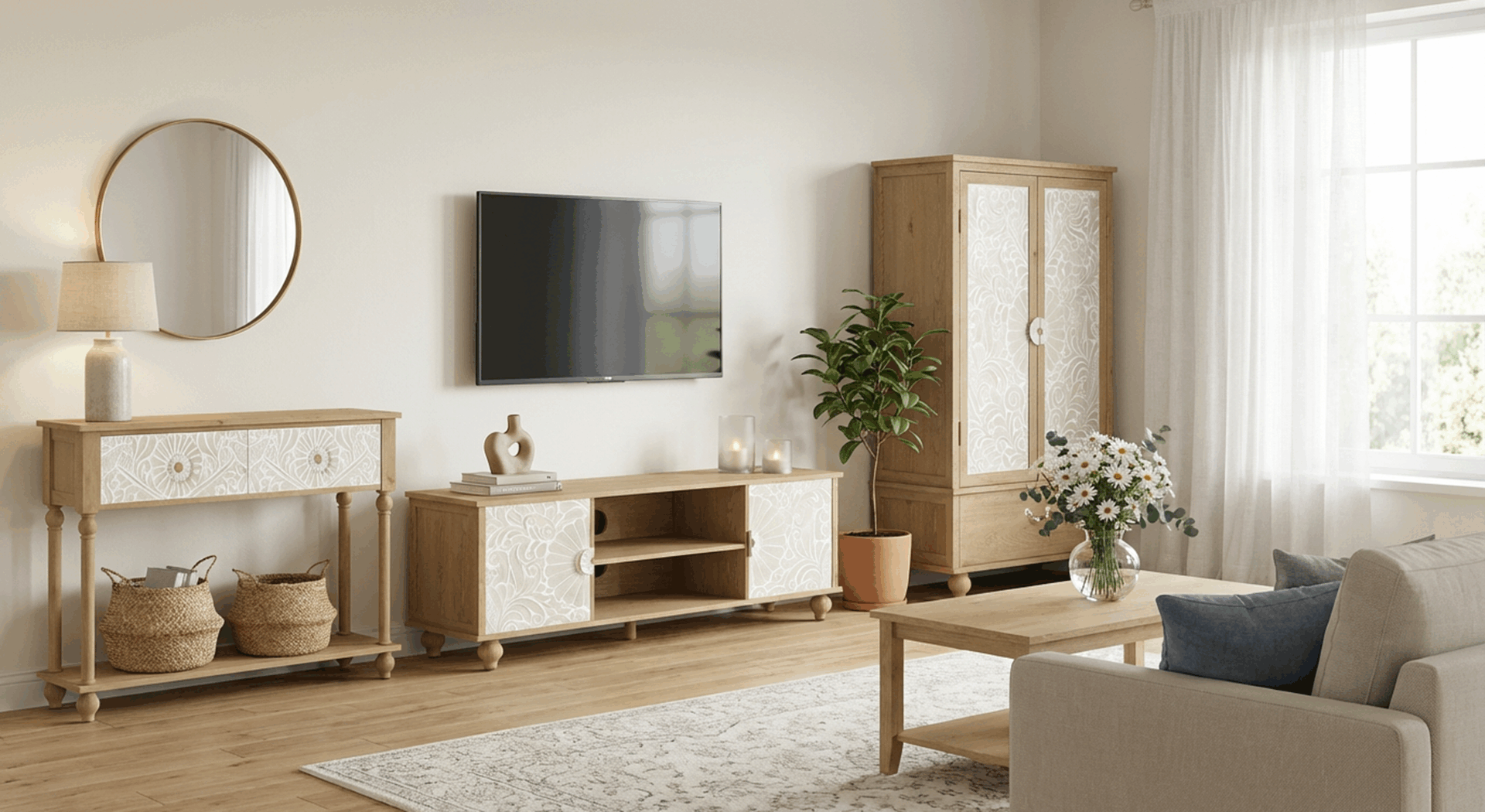
For interior designers and high-end furniture retailers, the search for the perfect statement piece often leads overseas. Shelving units are no longer just practical storage; they are architectural elements that define a room. However, finding a manufacturing partner who understands the nuances of luxury markets can be difficult.
When you are looking for a bookshelf exporter, you arent just buying wood and metal. You are investing in engineering, finish quality, and the ability to deliver pristine goods across oceans.
Brands like Essent Home have set a benchmark in this space, demonstrating that the gap between a design concept and a delivered product is bridged by attention to detail. This article explores what you should look for when sourcing high-end shelving internationally, ensuring your inventory meets the exacting standards of your clientele.
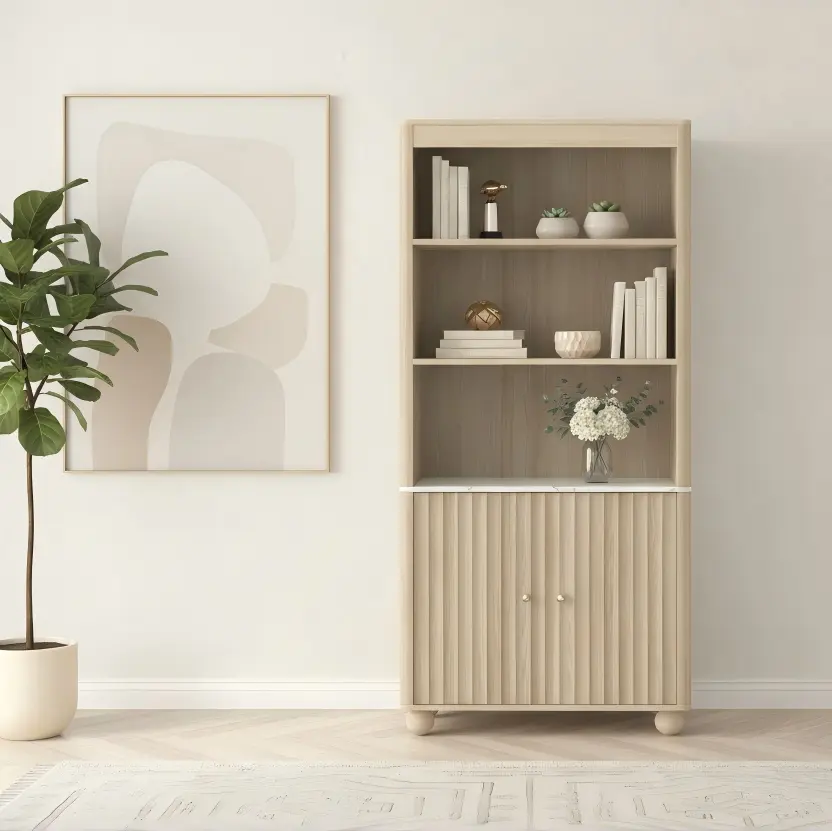
The Role of Craftsmanship in International Trade
In the luxury furniture sector, the definition of quality changes. It isnt enough for a shelf to be sturdy. The joinery must be invisible, the veneers must be matched perfectly, and the metalwork needs to be free of imperfections.
When you evaluate a potential partner, look closely at their portfolio of past work. Do they specialize in mass production, or do they understand the bespoke nature of high-end interiors? A focused manufacturer will prioritize the tactile experience of the furniture. The smoothness of a drawer slide or the weight of a cabinet door communicates value to your final customer.
Sourcing from a generic factory often results in products that look good in photos but feel cheap in person. A dedicated specialist understands that their reputation travels with every container they ship.
One of the biggest challenges in importing furniture is logistics. Unlike soft goods, bookshelves are heavy, often bulky, and prone to damage if not packaged correctly.
Packaging Standards
A professional bookshelf exporter will have a rigorous packaging protocol. This goes beyond simple cardboard boxes. For high-value items, look for crate packaging, corner protection, and foam density that can withstand the vibrations of sea freight.
Ask your potential partner about their "drop test" standards. If they cannot provide details on how they ensure the safety of the cargo, it is a red flag. Broken glass or chipped corners can ruin a project timeline and damage your relationship with your clients.
Assembly and Engineering
There is a delicate balance between shipping efficiency and structural integrity. Fully assembled pieces are safer but expensive to ship. Flat-pack items save money but often lack stability.
The best exporters engineer their products to be knock-down (KD) without sacrificing rigidity. They use high-quality hardware that creates a seamless look once assembled, ensuring the piece looks permanent and substantial, not temporary.
Customization Capabilities: Moving Beyond Standard Catalogues
High-end clients rarely want what everyone else has. They want specific dimensions to fit an alcove or a unique finish that matches their existing décor. This is where the flexibility of your supplier becomes critical.
Material Versatility
Top-tier manufacturers work with a variety of materials. You might need American Walnut today, but next month’s project might call for brass and tempered glass.
Companies like Essent Home have gained traction by offering a wide palette of materials. They understand that a designer’s vision shouldnt be limited by a factorys inventory. Whether it is matte lacquer, brushed gold, or exotic veneers, the ability to source and process different raw materials is a sign of a sophisticated operation.
Bespoke Sizing
Reviewing a suppliers willingness to alter dimensions is essential. Some factories have rigid production lines that cannot handle non-standard sizes.
A partner focused on the international bespoke market will have a prototype workshop separate from their mass production line. This allows them to produce a single custom unit without disrupting their main operations.
Verifying Quality Control Standards
Trust is good, but verification is better. When dealing with a bookshelf exporter, you need a clear window into their factory floor.
The Inspection Process
Do not rely solely on the factorys internal QC team. Ask for high-resolution photos and videos of the product before it is packed.
For larger orders, it is standard practice to hire third-party inspectors. A confident manufacturer will welcome this. They know their finishing techniques—from sanding to staining—will pass inspection.
Consistency Across Batches
Color consistency is one of the hardest things to achieve in wood furniture. A sample you received six months ago should match the shipment you receive today.
Sophisticated exporters use "control samples" for every client. They keep a piece of the finish signed by you in their library to compare against future production runs. This ensures that if you order a collection in phases, the pieces will look cohesive.
Building Long-Term Partnerships
The goal of sourcing isnt just to buy furniture; it is to build a supply chain that supports your business growth.
Switching suppliers is costly and risky. It takes time to explain your quality standards and design preferences to a new factory. Therefore, finding a partner who communicates effectively is just as important as the product itself.
Language barriers can be managed, but a lack of responsiveness cannot. Your supplier should be proactive, alerting you to potential delays or suggesting construction improvements that could save costs without lowering quality.
By focusing on these operational strengths, you ensure that your business runs smoothly. Whether you are a boutique showroom or a large-scale distributor, the reliability of your bookshelf exporter directly impacts your bottom line.
Environmental Considerations and Sustainability
Modern consumers are increasingly conscious of where their furniture comes from. Sustainability is no longer a buzzword; it is a requirement for many luxury buyers.
Sourcing Legally Harvested Wood
Ensure your partner adheres to international timber regulations. This protects your business from legal liabilities and appeals to eco-conscious clients. Documentation regarding the origin of the wood should be readily available.
Low-VOC Finishes
High-end interiors prioritize air quality. The glues and lacquers used in production should be low in Volatile Organic Compounds (VOCs). This is better for the factory workers and safer for the end-user in their home.
Selecting the right partner for your furniture inventory is a strategic decision. It requires looking past the price tag and evaluating the engineering, logistics, and communication skills of the manufacturer.
A capable bookshelf exporter acts as an extension of your team. They solve problems before the goods leave the dock and ensure that the unboxing experience delights your customer.
Brands that prioritize these values, such as Essent Home, demonstrate that successful exporting is about more than just shipping containers; it is about delivering a promise of quality. By focusing on craftsmanship, customization, and rigorous quality control, you can secure a supply line that elevates your brand and satisfies the most demanding clients.
Frequently Asked Questions
Q1: What is the typical lead time for a custom order from a bookshelf exporter?
A1: Lead times vary based on complexity and volume. generally, a custom sample takes 15-20 days, while a full production run typically takes 45-60 days after drawing approval. Shipping time must be added on top of this.
Q2: Can I request a specific brand of hardware for my shelves?
A2: Yes, high-end exporters often allow you to specify hardware brands (such as Blum or Hettich) or will source equivalent high-quality soft-close hinges and slides to meet your durability requirements.
Q3: How do exporters handle damage that occurs during shipping?
A3: Reputable exporters usually have a compensation policy. If the damage is due to poor packaging, they should replace the item or offer a credit. It is vital to buy marine insurance for the shipment to cover accidents during transit.
Q4: Is there a Minimum Order Quantity (MOQ) for custom designs?
A4: Most manufacturers have an MOQ, but it is often negotiable for high-value items. Some factories may accept as few as 5 to 10 pieces for a custom design, or even single pieces if you are paying a sample premium.
Q5: What materials are best for exporting bookshelves to humid climates?
A5: For humid environments, it is best to use stable materials like high-grade plywood with veneer or treated metals. Solid wood can expand and warp. A knowledgeable exporter will advise on the moisture content of the wood to suit the destination country.