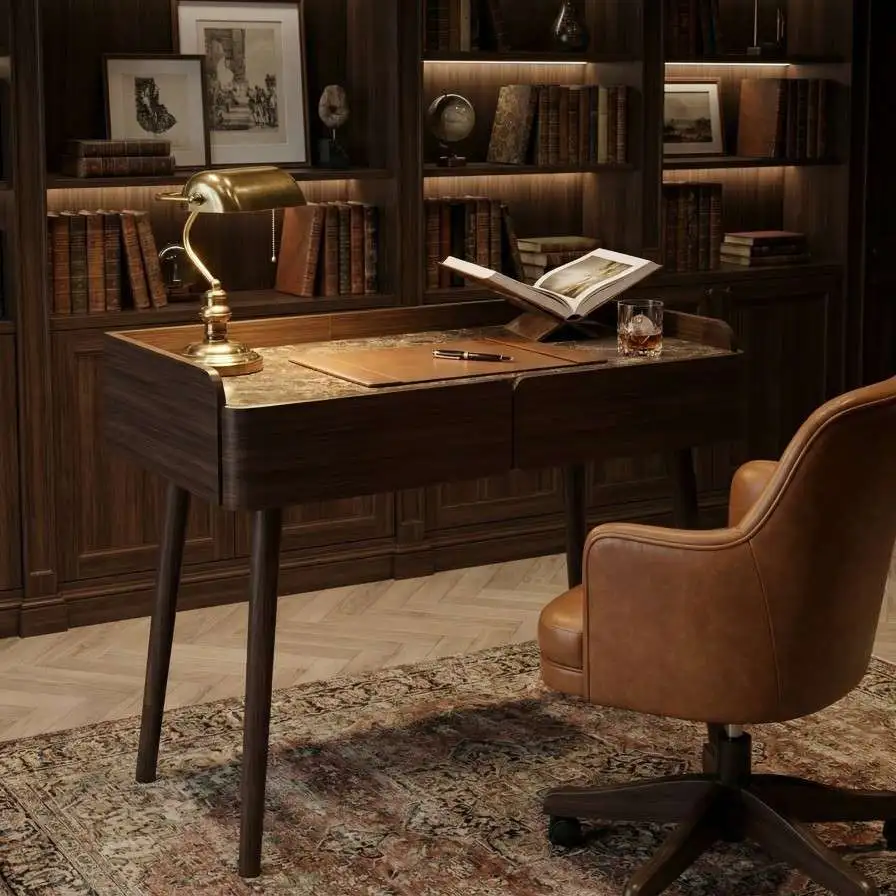
For interior designers, home builders, and discerning homeowners, the choice
of a kitchen hutch manufacturer determines the longevity, functionality, and aesthetic impact of a key piece of
casework. A kitchen hutch is not a simple cabinet – it combines open shelving,
closed storage, often a countertop for serving, and sometimes glass-front doors
for display. Poorly constructed hutches suffer from drawer sag, door
misalignment, finish peeling, and joint separation within a few years of daily
use. This article provides a component‑level analysis of what to evaluate when
sourcing from a kitchen hutch manufacturer,
covering joinery types (dovetail, mortise‑and‑tenon, dowel), wood species (oak,
maple, walnut, cherry), finish chemistry (conversion varnish vs. polyurethane),
and hardware quality (soft‑close slides, European hinges). Drawing on data from
Essent Home's custom furniture production, we will
examine how to specify hutches for open‑plan kitchens, butler’s pantries, and
dining rooms – while avoiding common failures like warping, veneer delamination,
and sticky drawers.
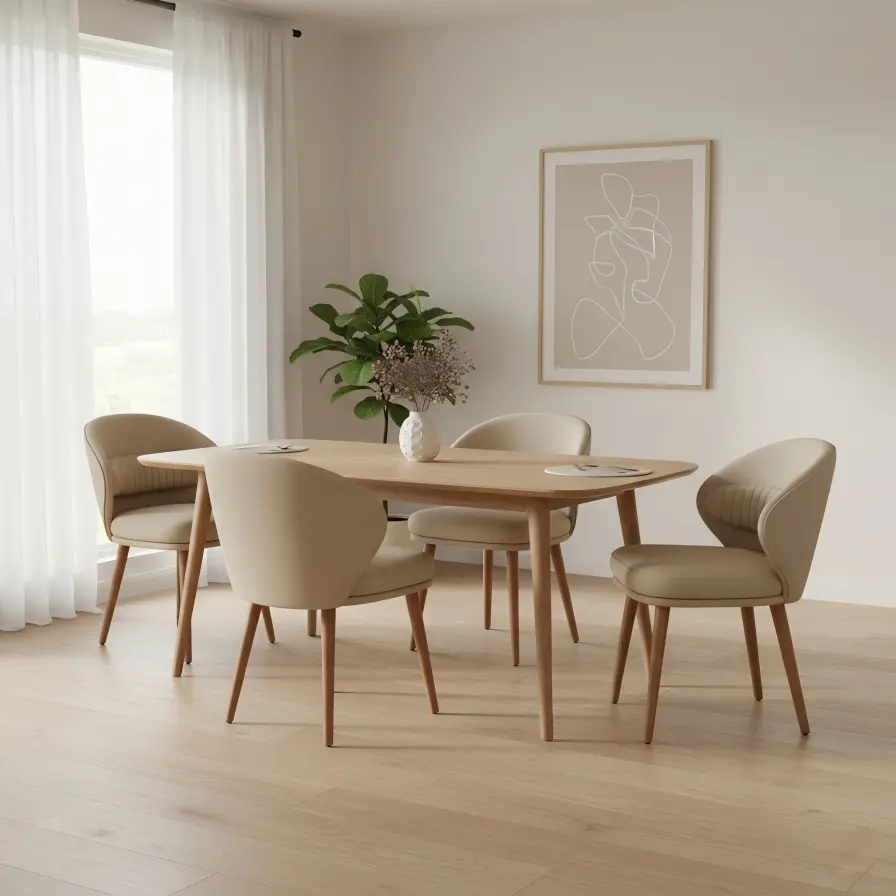
1. Why the Kitchen Hutch Manufacturer Matters for Daily Utility and Resale
Value
A kitchen hutch serves as a transitional piece – part storage, part display,
part food prep surface. The expertise of the kitchen hutch
manufacturer directly impacts:
Durability under temperature & humidity swings: Kitchens see cycles of heat, steam, and dry air. Poor construction leads to
panel gaps or glue failure.
Ease of cleaning: Surfaces must resist food stains, grease,
and repeated wiping without losing finish.
Weight capacity: Shelves holding heavy dinnerware or small
appliances must not bow.
Integration with kitchen layout: Hutches with adjustable
shelves, cutouts for outlets, or LED lighting.
A reputable custom kitchen hutch
manufacturer like Essent Home uses kiln‑dried
hardwoods, precision CNC joinery, and catalyzed finishes that withstand
household chemicals. Field data show that well‑built hutches last 30+ years,
often becoming family heirlooms.
2. Core Joinery Techniques: What to Look for in a Hutch
The longevity of a kitchen hutch is determined by how its components are
connected. A qualified kitchen hutch manufacturer employs these
joinery methods, ranked by durability:
Dovetail joints (drawer boxes): Interlocking pins and tails
provide mechanical strength without relying solely on glue. Through dovetails
(visible) or half‑blind (hidden) – both are excellent. Avoid stapled or
glued‑only drawers.
Mortise and tenon (frame construction): The gold standard
for face frames and doors. A tenon cut on one piece fits into a mortise (hole)
on the other, creating a rigid, rack‑resistant joint. Look for glued and pinned
tenons.
Dowel joints (case assembly): Acceptable for
non‑load‑bearing connections when combined with modern adhesives and clamping.
Inferior to mortise‑and‑tenon but better than butt joints.
Pocket screws: Often used in ready‑to‑assemble (RTA)
hutches. Not recommended for high‑use kitchen furniture – screws can loosen over
time.
Essent Home’s kitchen hutch designs feature dovetailed drawers and mortise‑and‑tenon face frames, assembled with
yellow PVA glue and clamped for 24 hours – exceeding ANSI/BHMA A156.9 cabinet
standards.
3. Wood Species Selection: Aesthetics vs. Hardness
A knowledgeable kitchen hutch manufacturer will guide you to
the right wood based on your usage and décor.
Oak (red or white): Very hard (Janka 1,220–1,360 lbf),
prominent grain pattern, accepts stain well. Durable for high‑traffic kitchens.
White oak is more moisture‑resistant.
Maple (hard maple): Extremely hard (1,450 lbf), fine, even
grain, takes paint beautifully. Resists dents and scratches. Preferred for
modern and contemporary hutches.
Cherry: Medium hardness (950 lbf), rich warm tone that
darkens with age. Elegant for formal dining hutches. Softer – prone to dents if
used daily.
Walnut: Medium hardness (1,010 lbf), chocolate brown,
stable, luxurious. Expensive. Best for accent hutches.
Poplar (paint grade): Soft (540 lbf), economical, used
where a painted finish is desired. Not for heavy use or visible natural
finish.
For a kitchen hutch that will see daily service (storing heavy stoneware,
being wiped down), maple or white oak is recommended. Essent Home offers a free
wood sample kit to compare color and grain before ordering.
4. Finish Chemistry: Protecting Against Moisture and Heat
The finish on a kitchen hutch must withstand frequent
cleaning, occasional spills, and UV light from windows. A professional
kitchen hutch manufacturer will use one of these top‑tier
finishes:
Conversion varnish: A two‑part catalyzed finish that
chemically cross‑links. Extremely durable, resistant to water, alcohol, and
household cleaners. Gloss levels from flat to high gloss. Industry standard for
kitchen cabinets.
Polyurethane (oil‑based): Good durability but slower
drying, may yellow over time. Acceptable for hutches not exposed to direct
sunlight.
Lacquer (pre‑catalyzed): Dries quickly, easy to repair, but
less chemical resistance than conversion varnish. Often used on painted
hutches.
Hard wax oil (Osmo, Rubio): Natural look, easy spot repair,
but less protective against water rings and stains. Suitable for low‑use
hutches.
Essent Home applies conversion varnish in a controlled spray booth, with
three coats (sealer + two topcoats), sanded between coats. The result is a
finish that resists scratching and does not peel or bubble, even behind a
stovetop.
5. Storage Optimization: Shelves, Drawers, and Accessories
A well‑designed kitchen hutch maximizes usable space. When evaluating a
kitchen hutch manufacturer, consider these features:
Adjustable shelves: Shelf pin holes at 1‑inch (25 mm)
spacing allow reconfiguration for plates, bowls, or tall appliances. Shelf
thickness should be ≥ 18 mm (3/4 inch) for solid wood, with a front lip to
prevent sagging.
Drawer configuration: Shallow drawers (50–75 mm) for
cutlery and utensils; deep drawers (200–300 mm) for pots or linens.
Full‑extension, soft‑close slides rated for 45 kg (100 lb).
Glass doors (optional): Tempered glass (4–5 mm) with
mullions; choose between clear, frosted, or seeded glass. Hinges should be
concealed, soft‑closing.
Integrated lighting: LED strip lights under the top crown
or inside glass cabinets, with a touch dimmer and hidden wiring.
Charging stations: Cutouts for wire management, USB ports,
or power grommets in the countertop or back panel.
Essent Home’s custom hutch designs include a 3D CAD rendering where you can place virtual dishes to test shelf
spacing – a unique service among kitchen hutch manufacturer suppliers.
6. Industry Pain Points and Engineering Solutions
Even with good materials, hutches can fail. Below are three common issues and
how a professional kitchen hutch manufacturer solves them.
Drawer sides splitting at dovetails: Caused by wood
movement due to low‑quality glue or thin drawer walls. Solution – use 12 mm (1/2
inch) solid hardwood sides, not plywood or 6 mm MDF. Apply PVA glue to the full
dovetail surface and clamp for 24 hours. Essent Home uses a 14 mm maple drawer
side for superior holding power.
Door warping (cupping) over time: Occurs when a wide solid
wood panel is constrained by a frame. Remedy – use frame‑and‑panel construction
with a floating panel (not glued) that can expand and contract seasonally. Also
ensure wood is properly kiln‑dried (6–8% moisture content).
Finish peeling near the sink or dishwasher: Steam and
moisture penetrate a poor finish. Solution – apply a waterproof conversion
varnish to all surfaces, including the back of doors and underside of shelves.
Add a moisture‑resistant coating inside the cabinet base.
Field data from Essent Home’s 10‑year warranty claims show that these
engineering practices reduce defect rates to below 0.5% – far lower than the
industry average of 3–5% for mid‑range hutches.
7. Customization Options for Specific Layouts
A competent kitchen hutch manufacturer offers custom sizing,
corner configurations, and built‑in integration.
Corner hutches: L‑shaped or angled to fit dead corners,
with rotating lazy Susans or pull‑out shelves.
Built‑in look: Matching the hutch to existing cabinets
(same door profile, wood, finish) requires manufacturer access to color samples
and CNC tooling for replication.
Countertop integration: The hutch may include a butcher
block, granite, or quartz top for food preparation. Ensure the hutch frame can
support 30–50 kg/m² live load.
Wall anchoring: Tall hutches (over 1.8 m) must be secured
to wall studs to prevent tipping – manufacturer should provide a anti‑tip
bracket and instructions.
Essent Home’s design team works with your kitchen layout drawing to produce a
hutch that aligns with appliance cutouts and window sills, avoiding interference
with existing utilities.
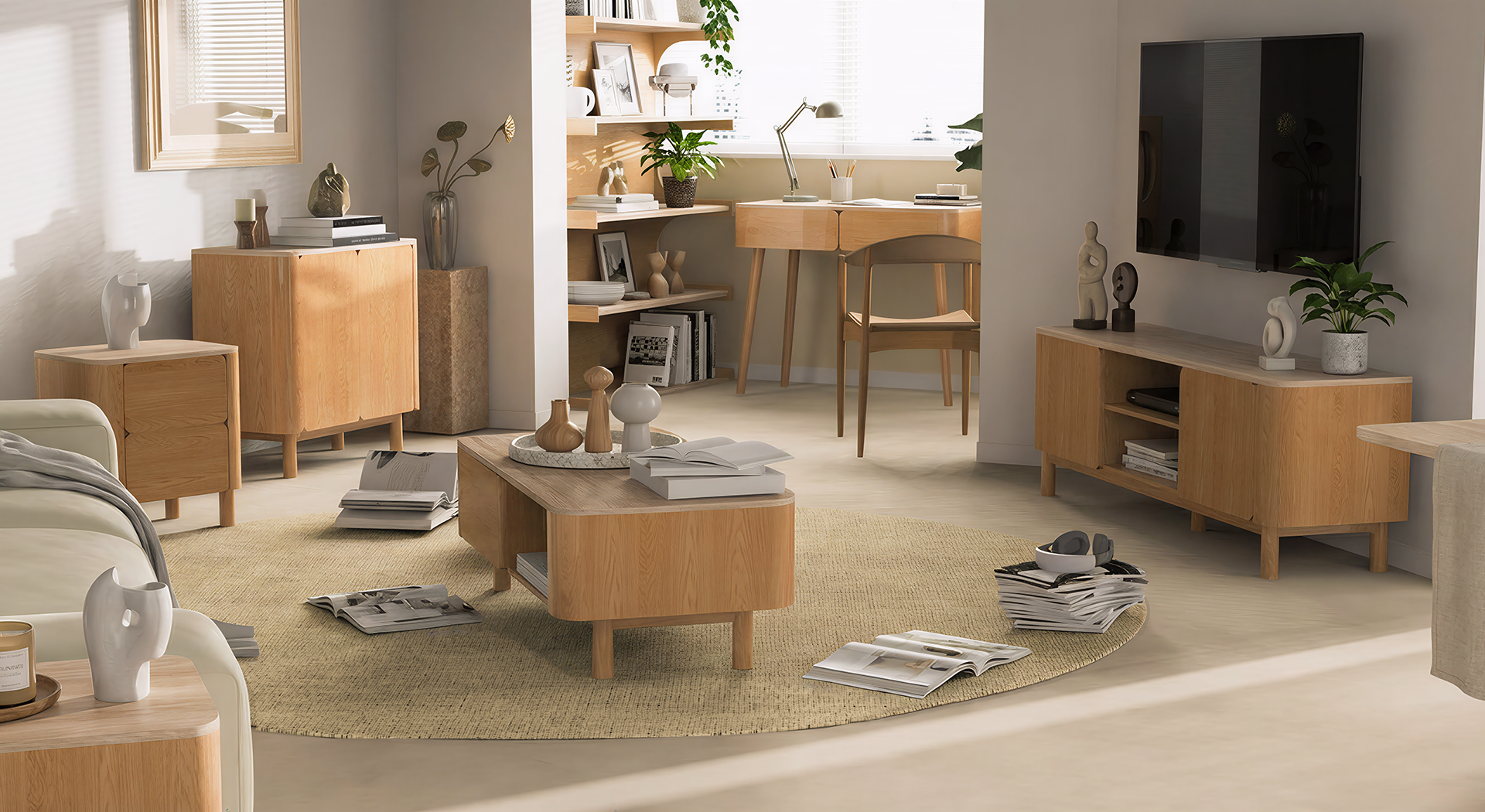
8. Sustainability and Certification
Modern buyers increasingly ask about sourcing. A responsible kitchen
hutch manufacturer should be able to provide:
FSC‑certified wood: Ensures lumber comes from responsibly
managed forests.
CARB Phase 2 compliant (for plywood): Limits formaldehyde
emissions.
Low‑VOC finishes: Conversion varnish with < 275 g/L
VOCs, meeting SCAQMD Rule 1113.
Recyclable packaging: Cardboard and foam without
PVC.
Essent Home holds FSC‑COC certification and uses water‑based conversion
varnish on all kitchen hutches,
contributing to LEED v4 credit for low‑emitting materials.
9. Frequently Asked Questions (FAQ) – Kitchen Hutch Manufacturer
Q1: What is the typical lead time for a custom kitchen
hutch?
A1: For a fully custom hutch (unique
dimensions, wood species, finish, and hardware), lead times range from 8 to 12
weeks. This includes design approval (2 weeks), lumber selection & milling
(2 weeks), joinery & assembly (3 weeks), finishing (2 weeks), and quality
control/packaging (1 week). Essent Home offers a 6‑week expedite for an
additional 20% fee.
Q2: How do I measure my space for a kitchen
hutch?
A2: Provide the manufacturer with: width,
depth, height, location of baseboard heaters, electrical outlets, and windows.
Also note floor levelness (a hutch may need adjustable leveling feet). Essent
Home sends a measuring guide with diagrams. For existing kitchens, consider
creating a full‑scale mockup with cardboard to test traffic flow around the
hutch.
Q3: Can a kitchen hutch be built with a mix of wood species (e.g.,
maple frame, walnut drawers)?
A3: Yes – many custom
manufacturers offer two‑tone designs. However, ensure that both woods have
similar dimensional stability (maple and walnut are compatible). The finish may
need to be adjusted to avoid color bleed. Essent Home has a portfolio of
two‑tone hutches with contrasting interiors and exteriors.
Q4: What is the weight limit for a floating shelf inside a
hutch?
A4: For a 900 mm wide solid oak shelf (25 mm
thick) supported on both ends, the uniform load limit is approximately 35 kg.
For heavier loads (stoneware collection), specify a thicker shelf (30 mm) or add
a central bracket. The kitchen hutch manufacturer should
provide a load table in the product documentation.
Q5: How do I clean and maintain a conversion varnish
finish?
A5: Use a soft cloth with warm water and a
mild dish soap. Avoid abrasive pads, bleach, or ammonia‑based cleaners. Dry
immediately. Do not use wax or oil polishes – they may leave a residue that
interferes with future recoating. Essent Home provides a care kit (microfiber
cloth, pH‑neutral cleaner) with each hutch.
Q6: Does the manufacturer offer installation
services?
A6: Many custom manufacturers, including
Essent Home, offer white‑glove delivery and installation. This includes
uncrating, leveling, anchoring to wall, and removing packaging debris.
Installation typically adds 10–15% to the hutch price but ensures correct
anchoring and alignment. For DIY, they provide detailed assembly instructions
and a video.
10. Partner with a Trusted Kitchen Hutch Manufacturer for Heirloom
Quality
Selecting the right kitchen hutch manufacturer ensures that your
investment survives decades of family meals, holiday dinners, and daily storage.
Generic imported hutches often use particleboard, cam locks, and thin veneers
that fail within five years. In contrast, a custom piece from a dedicated
manufacturer like Essent Home becomes a
functional heirloom, adaptable to changing storage needs.
Essent Home offers:
Free design consultation with 3D renderings of your hutch in your kitchen
layout.
Sample boards of wood species and finish options mailed to you.
Precision joinery and catalyzed finishes with a 10‑year warranty against
defects.
White‑glove delivery and installation across North America.
Request a free design quote today – provide your kitchen
dimensions, desired wood species, and a photo of your current space. Our
furniture engineers will respond within 2 business days with a concept sketch
and price range. Click here
to contact Essent Home’s custom furniture specialists or call+86 0591-22068125. We also offer trade discounts for interior designers and builders.