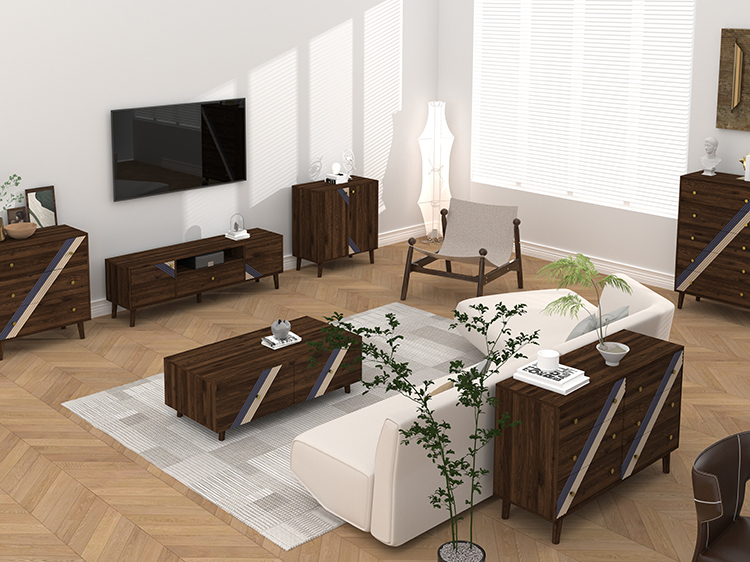
When sourcing for high-end hospitality projects, luxury residential
developments, or boutique commercial interiors, the choice of an shoes storage cabinet
ODM partner directly impacts both brand reputation and guest
satisfaction. In the B2B furniture sector, off-the-shelf solutions no longer
suffice; clients demand bespoke joinery that balances aesthetics, durability,
and spatial efficiency. This article, backed by our experience at Essent
Home, outlines the critical technical criteria and industry
insights you must evaluate when selecting an ODM specialist for premium shoe
storage systems.
1. The Growing Demand for Specialised Shoe Storage in Luxury Segments
The global luxury furniture market is witnessing a shift towards
hyper-functional storage. According to recent hospitality design surveys, over
65% of hotel guests rate "sufficient and well-designed storage" as a top-three
satisfaction factor. For high-net-worth residential projects, a walk-in closet
without a dedicated, ventilated shoe cabinet is considered incomplete. This is
where a competent shoes storage cabinet
ODM becomes indispensable—not merely as a box with shelves, but as
an engineered system that protects valuable footwear, optimises space, and
complements interior architecture.
Moving beyond visual appeal, the performance of custom shoe cabinets relies
on seven fundamental engineering aspects. Each factor separates commodity
producers from true ODM partners capable of executing complex, high-volume
contracts.
2.1 Material Selection and Structural Integrity
Luxury projects demand materials that resist humidity, odour, and mechanical
stress. High-grade plywood (Birch or Poplar core) with low formaldehyde emission
(CARB P2 or F★★★★) is the industry baseline. However, top-tier shoes storage cabinet
ODM providers also offer solid wood frames (e.g., Ash or Oak) for
exposed fronts and aluminium extrusions for handles and legs. Carcase
construction should utilise dowel-reinforced joints or CNC-cut dovetails,
ensuring stability during transport and installation.
2.2 Hardware Mechanisms and Soft-close Technology
High-frequency usage in hotels or large families requires hardware rated for
50,000+ cycles. Reputable ODMs integrate branded soft-close hinges (Blum,
Hettich, or Grass) and full-extension drawer runners. For pivot doors or lift-up
systems, gas struts with adjustable damping force are essential. Always request
the manufacturer’s test reports for cycle durability.
2.3 Ventilation and Micro-climate Control
Footwear preservation relies on air circulation. Standard cabinets often fail
here. A professional shoes storage cabinet
ODM incorporates concealed ventilation—either via perforated metal
back panels, integrated gaps between shelves, or active air exchange modules.
For premium lines, consider integrating dehumidifying cartridges or ionisers,
wired with low-voltage power supplies.
2.4 Load-bearing Capacity and Shelf Adjustability
High heels, boots, and shoe boxes impose point loads. Shelves must support at
least 15–20 kg with minimal deflection. We recommend specifying 18 mm or 25 mm
thick shelves with aluminium stiffeners. Additionally, modular pin-and-hole
systems (5 mm incremental adjustments) offer future flexibility for different
shoe heights—a detail often overlooked by mass manufacturers.
2.5 Surface Finishes and Chemical Resistance
In contract markets, finishes must withstand cleaning agents and UV exposure.
PU (polyurethane) high-gloss lacquers or ceramic coatings provide superior
scratch and stain resistance compared to standard melamine. For wood veneers, a
multi-layer sealer with a matt NC lacquer is common, but always verify the
finish’s resistance to alcohol and acetone (common in hotel cleaning kits).
2.6 Smart Integration and Lighting
Modern specifications often include LED strip lighting with motion sensors,
USB charging docks inside cabinets, or even UV sanitisation cycles. ODM partners
must demonstrate expertise in routing cables, embedding drivers, and meeting
safety certifications (CE, UL). Essent Home, for instance,
offers pre-wired channels and plug-and-play systems that simplify on-site
electrical connections.
2.7 Acoustic Performance and Noise Reduction
Silent operation is a hallmark of luxury. Beyond soft-close mechanisms,
consider adding felt liners to shelf surfaces or vibration-damping pads on
cabinet backs. This is particularly valued in multi-unit residential buildings
and hotel guest rooms where noise transfer must be minimised.
3. Customisation Capabilities: Beyond Standard Dimensions
True ODM value lies in adapting to non-standard spaces. Whether it’s a curved
cabinet for a cylindrical closet or a shallow depth (250 mm) for narrow
corridors, the partner’s engineering team must be agile. Shoes storage cabinet
ODM services should include:
Bespoke sizing: No module restrictions; cabinets built to
exact millimetre measurements.
Mixed-material fronts: Combining veneer, leather, or metal
mesh on doors.
Internal configuration: Removable boot racks, tilted
shelves for sneaker display, and pull-out valet trays.
Brand co-development: Integrating client logos or custom
metalwork.
At Essent Home, we employ a
dedicated in-house design studio that translates architectural drawings into
shop-ready CAD files, ensuring every unit aligns with the project’s FF&E
schedule.
4. Quality Assurance Protocols and Industry Certifications
Reliability is non-negotiable in B2B contracts. A professional ODM operates
under ISO 9001 frameworks and conducts multi-stage inspections:
Incoming material QC: Moisture content (8–12%), veneer
matching, and hardware authenticity.
In-process checks: Edge-banding adhesion, squareness (±1
mm), and drilling accuracy.
Pre-shipment assembly: Flat-pack units are trial-assembled
to verify fit and function.
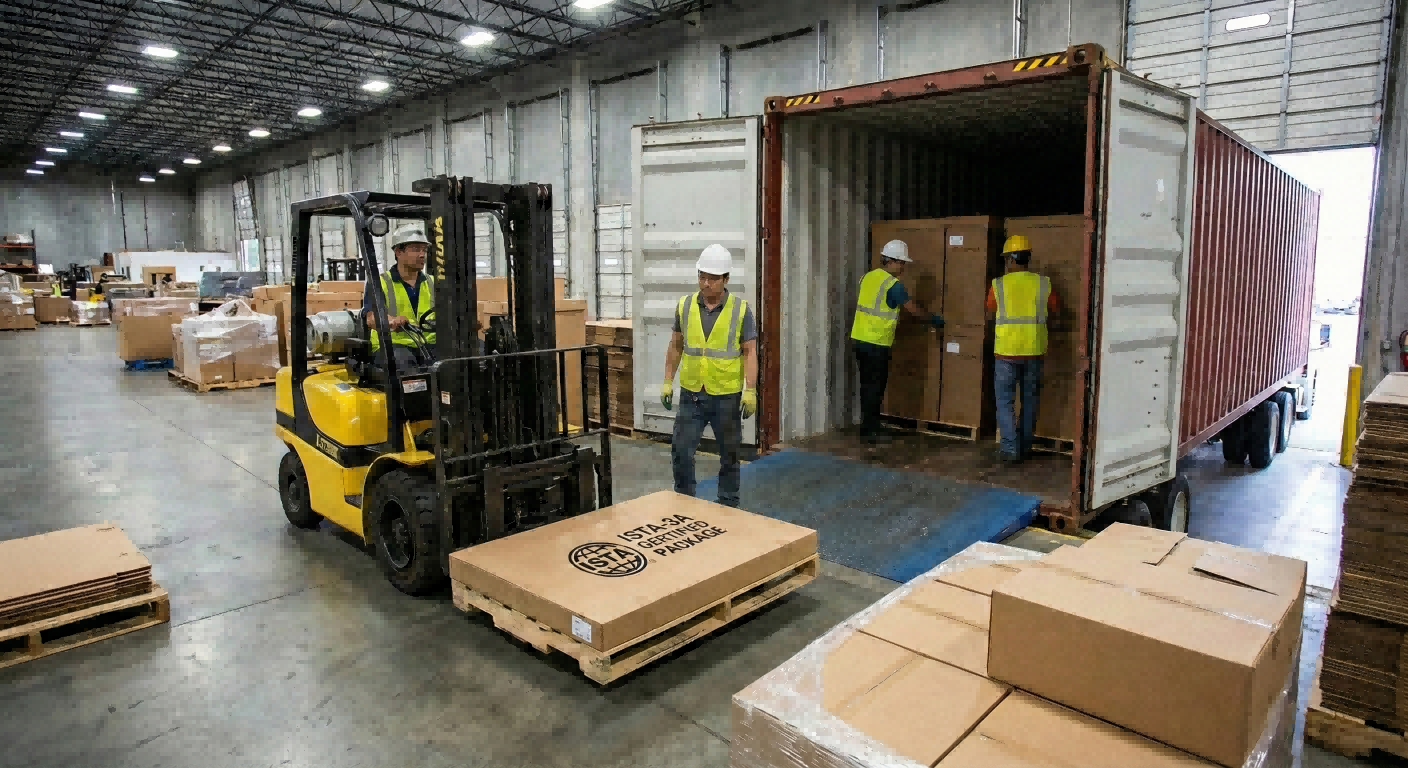
Packaging test: ISTA-certified drop and vibration tests for
export safety.
Always request certifications such as FSC for wood, Greenguard Gold for
indoor air quality, and specific fire ratings (e.g., ASTM E84) if your project
requires them.
5. Streamlining Your ODM Partnership: Why Essent Home Stands Out
With over a decade of serving luxury hotels (Marriott, Hilton, and
independent boutiques) and high-end residential developers, Essent
Home has refined its shoes storage cabinet ODM process to eliminate common supply-chain friction. Our vertical integration—from
timber kilning to final assembly—allows strict control over lead times and
quality. We provide:
Rapid prototyping: 3D renderings and physical samples
within 10 business days.
Flexible MOQs: Accommodating both large-scale rollouts and
pilot projects.
Global logistics support: Consolidated shipping, customs
documentation, and installation supervision.
By partnering early with our engineering team, clients often reduce on-site
adjustments by 30%.
6. Measurable ROI: Data from Recent Hospitality Projects
A case in point: a 250-key luxury hotel in the Middle East specified custom
shoe cabinets for its presidential suites. The original design called for
imported Italian units with a 14-week lead time. By switching to an ODM solution
from shoes storage cabinet
ODM partner Essent Home, the developer
achieved:
22% cost saving compared to the European quote.
8-week lead time including samples and mass
production.
Zero defects upon installation, thanks to pre-shipping
mock-up assembly.
Moreover, post-opening guest feedback highlighted the “thoughtful storage” as
a design highlight, directly influencing the hotel’s 5-star review scores.
7. Conclusion: Building a Future-proof Supply Chain
Selecting the right shoes storage cabinet ODM is a strategic
decision that impacts project timelines, budget adherence, and end-user
satisfaction. Focus on partners who demonstrate technical depth, material
transparency, and a collaborative approach to customisation. Essent
Home combines these attributes with a proven track record in the
international luxury segment. To discuss your upcoming project requirements,
contact our B2B consultation team for a detailed capability presentation.
Frequently Asked Questions (FAQ)
Q1: What is the typical minimum order quantity (MOQ) for a shoes
storage cabinet ODM project with Essent Home?
A1: While we
accommodate a range of project sizes, our standard MOQ for fully custom ODM shoe
cabinets starts at 50 units per design. For smaller pilot projects or showroom
samples, we offer a streamlined “design collaboration” program with reduced
quantities. Please contact us with your specific volume.
Q2: Can you match existing interior finishes or provide custom colour
matching?
A2: Absolutely. Our finish laboratory can match any RAL,
NCS, or Pantone colour, as well as replicate wood veneer samples you provide. We
maintain a library of over 500 veneer and lacquer options. A physical sample is
always produced and approved before mass production.
Q3: What is the average lead time from design approval to
shipment?
A3: For a standard ODM project, lead times range from 6 to
10 weeks, depending on order complexity and quantity. This includes 2 weeks for
tooling and sample approval, followed by 4–8 weeks for manufacturing and quality
control. Urgent projects can be expedited upon request.
Q4: Do you offer installation services or technical
supervision?
A4: Yes. For large international contracts, we can
provide on-site installation supervisors to train local crews or manage the
entire installation. For smaller shipments, we supply detailed assembly
drawings, video guides, and 24/7 technical support via video call.
Q5: What certifications do your materials and manufacturing processes
hold?
A5: Our facilities are ISO 9001 certified. All wood-based
panels meet CARB Phase 2 and E1 standards. We can also provide FSC®
chain-of-custody certification upon request, as well as fire test reports (ASTM
E84 / EN 13501) for specific material combinations.
Q6: How do you ensure consistent quality across multiple production
batches?
A6: We implement a strict quality management system. Each
batch is produced against an approved “golden sample” and undergoes in-line
inspections. Random samples from each batch are fully assembled and tested for
dimensions, function, and finish before packing. Detailed inspection reports are
shared with clients.
Q7: Can you integrate smart technology like fingerprint sensors or
dehumidifiers?
A7: Yes. Our engineering team has experience
integrating low-voltage electronics. We can design cabinets with pre-wired
compartments for dehumidifiers, UV sanitisation lamps, and even biometric locks.
All electronic components are sourced from certified suppliers and tested for
safety compliance.