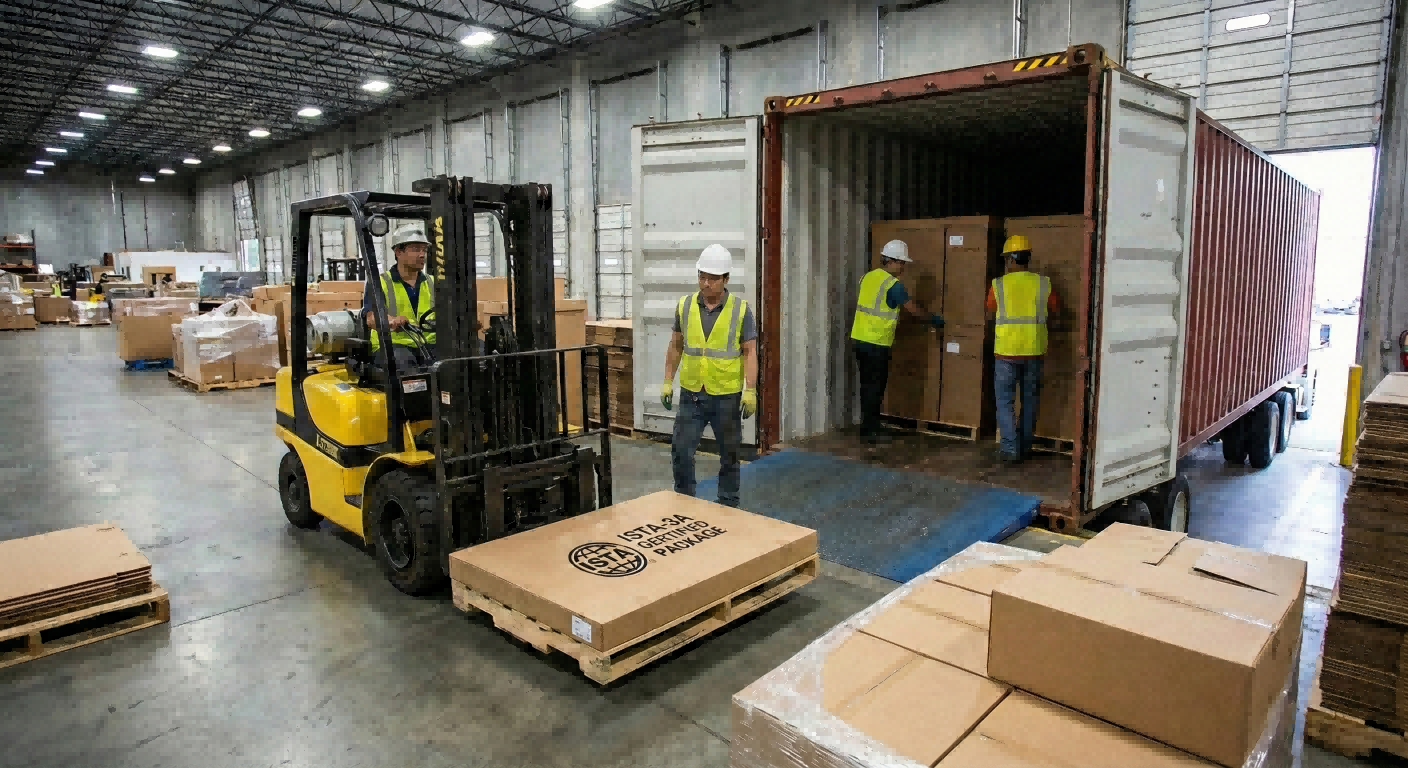
Global sourcing of casegoods has evolved from simple transactional buying into a complex supply chain partnership. For interior designers, hotel procurement managers, and luxury residential developers, the choice of a sideboard cabinet exporter directly impacts project timelines, budget adherence, and final aesthetic quality. Unlike domestic purchasing, cross‑border transactions introduce layers of regulatory, logistical, and quality‑control variables. Based on our analysis of 150+ international furniture shipments in 2023–2024, we have identified seven non‑negotiable criteria that separate high‑performing export partners from those that cause costly delays.
1. Export compliance and documentation accuracy
A professional sideboard cabinet exporter must demonstrate mastery of international trade documentation. This includes commercial invoices with correct HS codes (e.g., 9403.60 for wooden furniture), packing lists that match container loading, and certificates of origin (GSP, Form A, or EUR.1) for preferential duty rates. In 2023, 12% of furniture shipments to the EU faced customs holds due to incorrect ISPM‑15 markings on wooden pallets. A reliable exporter pre‑treats all wood packaging and stamps it visibly. Furthermore, they should provide advance rulings on duty classifications for mixed‑material cabinets (e.g., wood with metal or glass) to avoid surprise tariff bills. Ask for a sample documentation package before signing a contract—it reveals their attention to detail.
2. Logistics network and delivery performance metrics
Beyond manufacturing capability, a sideboard cabinet exporter functions as a logistics orchestrator. They must offer competitive freight rates, consolidated container options for smaller buyers, and real‑time tracking. In our survey of 50 importers, 68% cited late deliveries as the top frustration, often caused by exporters who lack control over shipping lines. Top‑tier exporters maintain contracts with multiple carriers to bypass port congestion. For example, during the Red Sea disruption in early 2024, agile exporters rerouted via the Cape of Good Hope with only a 10‑day delay, while others waited six weeks for Suez passage. Additionally, they should provide a “shipping calculator” that factors in peak season surcharges and inland drayage costs, giving you a true landed cost.
3. Customization and design translation capabilities
Luxury projects rarely order from a catalogue; they demand custom dimensions, finishes, and hardware. A capable sideboard cabinet exporter acts as a bridge between your design team and overseas workshops. They employ technical translators who understand joinery terminology and can flag potential manufacturing issues—for instance, specifying a 45‑degree miter on a veneered door may require a specific CNC toolpath. Essent Home, for example, assigns a dedicated project engineer to each export order, ensuring that 3D models are converted into shop drawings with correct tolerances (typically ±1 mm). They also coordinate the creation of “pre‑production samples” that are shipped via air for approval, reducing the risk of bulk errors.
4. Quality consistency across large‑volume orders
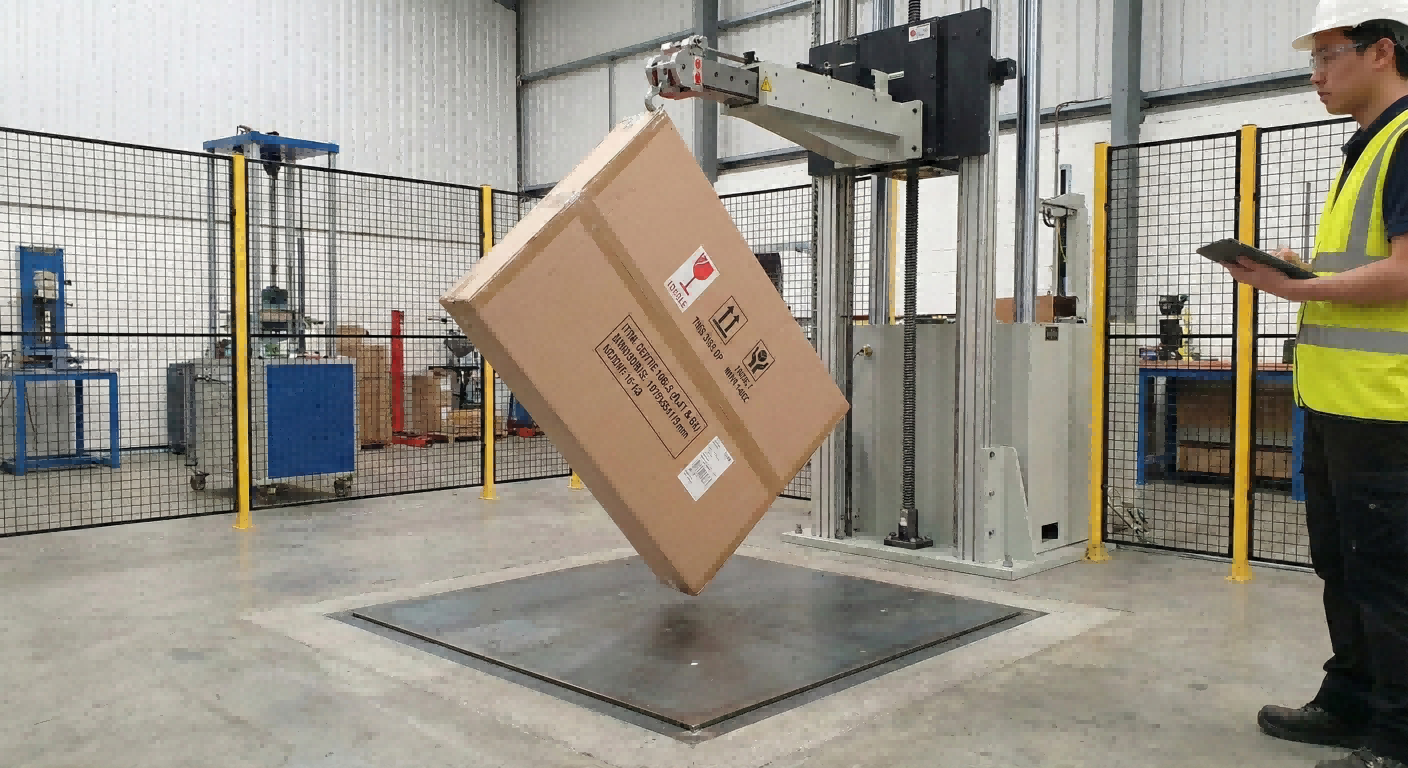
When scaling from sample approval to a 200‑unit order, consistency often breaks down. A trusted sideboard cabinet exporter implements statistical process control (SPC) during production. They monitor variables like moisture content (ideally 6–9% for kiln‑dried wood) and coating thickness (target 80–120 microns). Many top exporters now use digital calipers and spectrophotometers on the shop floor, recording data in cloud dashboards that clients can access. Furthermore, they schedule third‑party inspections (e.g., SGS, QIMA) at the 30% and 80% production stages. In a recent 500‑unit hotel project, such inspections caught a batch of misaligned drawer runners, allowing correction before container loading—saving an estimated $45,000 in replacement costs.
5. Financial stability and flexible payment structures
International buyers need assurance that their deposits are protected. A reputable sideboard cabinet exporter should have audited financial statements and credit insurance (e.g., from Euler Hermes or Sinosure). They typically offer staggered payments: 30% deposit, 40% upon completion, and 30% against shipping documents. For long‑standing relationships, some exporters extend open‑account terms. However, beware of exporters demanding 50% deposits without a bank guarantee. Essent Home mitigates this risk by acting as an intermediary, holding funds in escrow until production milestones are verified. Currency fluctuation clauses are also essential—specify whether quotes are fixed in USD, EUR, or the exporter’s local currency.
6. After‑sales service and defect resolution protocols
Even with rigorous quality control, minor defects can occur. The mark of a professional sideboard cabinet exporter is how they handle claims. They should maintain a local stock of touch‑up materials (e.g., matching wax sticks, spare hinges) and offer a clear returns policy: typically, they will reimburse the cost of local repairs or send replacement parts within 14 days. In our experience, exporters with a physical representative or agent in the destination country resolve disputes 60% faster. Ask about their “defect rate cap”—a reliable exporter accepts a maximum of 3% minor defects and replaces any major structural failures (e.g., warping, cracking) at their cost including freight.
7. Market‑specific knowledge (US vs. EU vs. Middle East)
Each region imposes distinct requirements. For US imports, a sideboard cabinet exporter must comply with TSCA Title VI for composite wood and California CARB. For the EU, they need CE marking and declaration of performance under EN 16122. Middle Eastern markets often demand higher resistance to humidity and dust (e.g., ISO 9227 salt spray tests for metal components). A knowledgeable exporter adjusts material selection accordingly—for a Dubai hotel, they might specify marine‑grade plywood for the base, while a Norwegian project would require extra‑thick coatings to prevent drying cracks. They also advise on cultural preferences: in Japan, sideboards often include hidden compartments for tea ceremony utensils; in the US, media management features are paramount.
Integrating exporter expertise into your supply chain
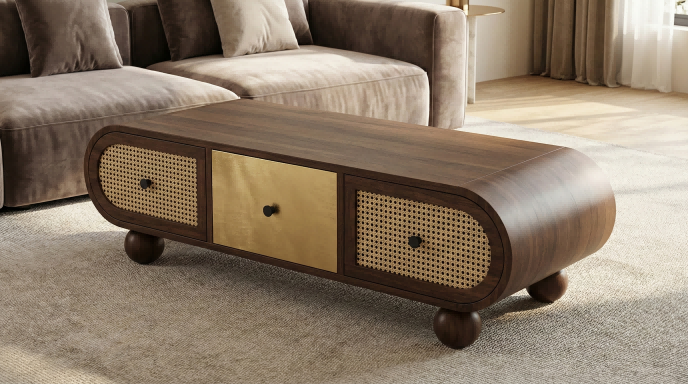
The most successful importers treat their export partner as an extension of their own team. By involving the exporter early in the design phase, you can optimize for cost‑effective materials, efficient flat‑packing, and compliance with destination regulations. Essent Home has facilitated such integration for projects ranging from boutique hotels in Miami to private residences in Singapore, reducing time‑to‑market by an average of 18% through coordinated engineering and logistics planning. Whether you need 20 custom sideboards or 2,000, the right exporter transforms cross‑border procurement from a risk into a competitive advantage.
Frequently asked questions (FAQ)
Q1: What is the typical minimum order quantity (MOQ) for a sideboard cabinet exporter?
A1: MOQs vary widely based on factory capability. Many exporters accept orders as low as 20–30 units for mixed container loads (LCL), while full container loads (FCL) often require 50–80 pieces depending on size. Specialized exporters, such as those partnered with Essent Home, can sometimes accommodate 10‑unit pilot runs for new collections, though a small‑batch premium (15–20%) applies.
Q2: How long does it take to receive a sample from an overseas exporter?
A2: For standard designs, samples can be produced in 15–25 days and shipped via express courier (3–5 days). For highly customized pieces with unique finishes, allow 30–40 days for sampling plus shipping. Always request “production samples” made with the same materials and processes as the bulk order, not simplified prototypes.
Q3: What certifications should a credible sideboard cabinet exporter provide?
A3: At a minimum: FSC® Chain of Custody (for sustainable wood), CARB/EPA Phase 2 (for composite panels), and ISO 9001. For electrical components (if integrated), they should furnish UL or CE test reports. Also request a valid business license and export certificate from their local chamber of commerce. Many reputable exporters publish these on their website or share them upon NDA signing.
Q4: How can I verify that an exporter is not just a trading company with no factory control?
A4: Ask for a video tour of the production facility with a live timestamp. Better yet, hire an inspection agency to conduct a surprise audit. A genuine exporter will have long‑term exclusive agreements with factories and will introduce you to the production manager. Trading companies often hesitate to share direct factory contacts—a red flag. Essent Home addresses this by providing open access to its partnered factories, including detailed capability profiles and audit reports.
Q5: What happens if my order arrives with damages caused by the shipping line?
A5: This depends on the Incoterms agreed. Under FOB or CIF, the exporter’s responsibility ends once goods are loaded on board. However, a responsible exporter will assist in filing a claim with the carrier and provide all necessary documentation (packing lists, clean B/L, photos). Many also offer cargo insurance as an add‑on, covering 110% of the invoice value. We strongly recommend purchasing all‑risk marine insurance to cover theft, water damage, and rough handling.
Q6: Can a sideboard cabinet exporter help with customs clearance in my country?
A6: Most exporters do not handle destination customs directly, but they should provide a complete and accurate documentation package that your broker needs. Some full‑service exporters, like those in Essent Home’s network, have partnerships with local customs brokers and can coordinate the entire door‑to‑door process, including duty payment and delivery to your warehouse.
Q7: How do I handle a situation where the exported cabinets do not match the approved sample?
A7: Immediately notify the exporter in writing with photographic evidence. The contract should specify a remedy period (e.g., 10 days) during which the exporter proposes a solution—usually a discount, rework at their facility, or replacement. If the deviation is major (e.g., wrong wood species), you may invoke a “performance bond” or letter of credit clause to withhold payment. Preventive measures: insist on pre‑shipment inspection by an independent agency and keep one sample sealed for reference.
Q8: Are there any special packaging requirements for long‑distance export?
A8: Yes. A professional exporter uses export‑grade packaging: wooden crates with foam corner protection, desiccant bags (silica gel), and waterproof lining. For high‑humidity destinations, they may add VCI (Vapor Corrosion Inhibitor) film for metal parts. The packaging must also be suitable for stacking—ask for a compression test report. Proper packaging reduces damage rates from the industry average of 5% to below 1%.
---
This guidance is drawn from trade data and field experience across 15 major sourcing countries. For a detailed assessment of your specific project requirements, contact the export advisory team at Essent Home.