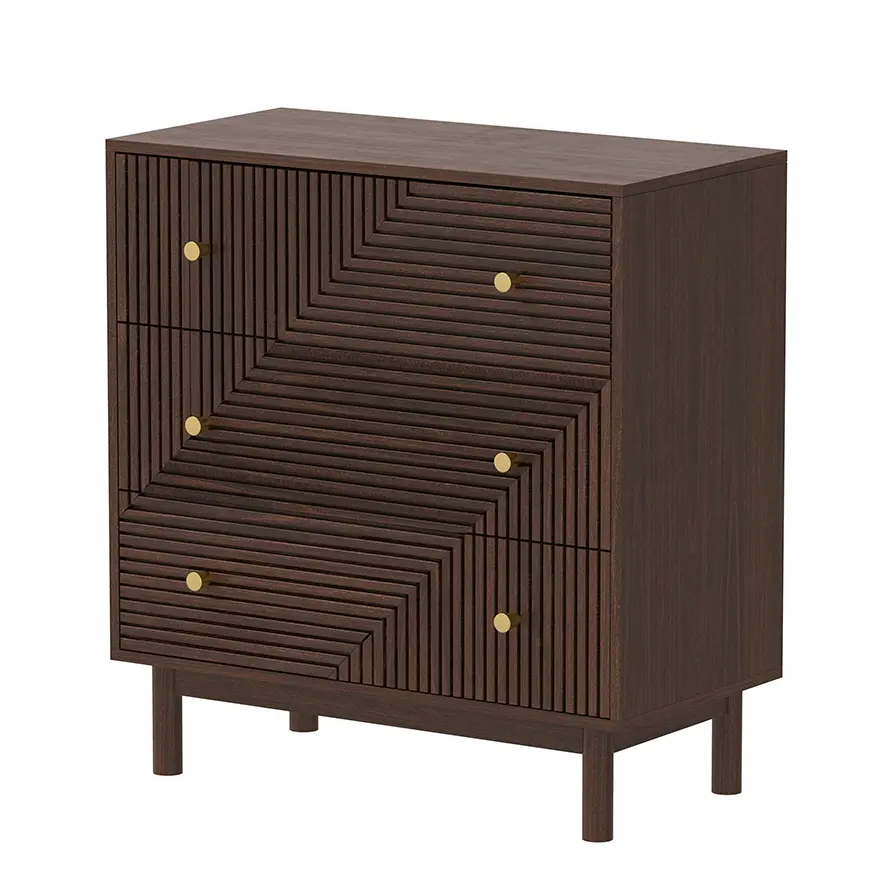
When sourcing custom casegoods for five‑star hotels, luxury residences, or contract interiors, the choice of production partner determines not only the aesthetic outcome but also the project’s profitability and timeline. A sideboard cabinet factory that truly understands high‑end customization must demonstrate excellence across engineering, material science, and supply chain ethics. Below, we dissect the seven non‑negotiable factors that separate commodity producers from true manufacturing partners, based on decades of collective experience in the international furniture industry.
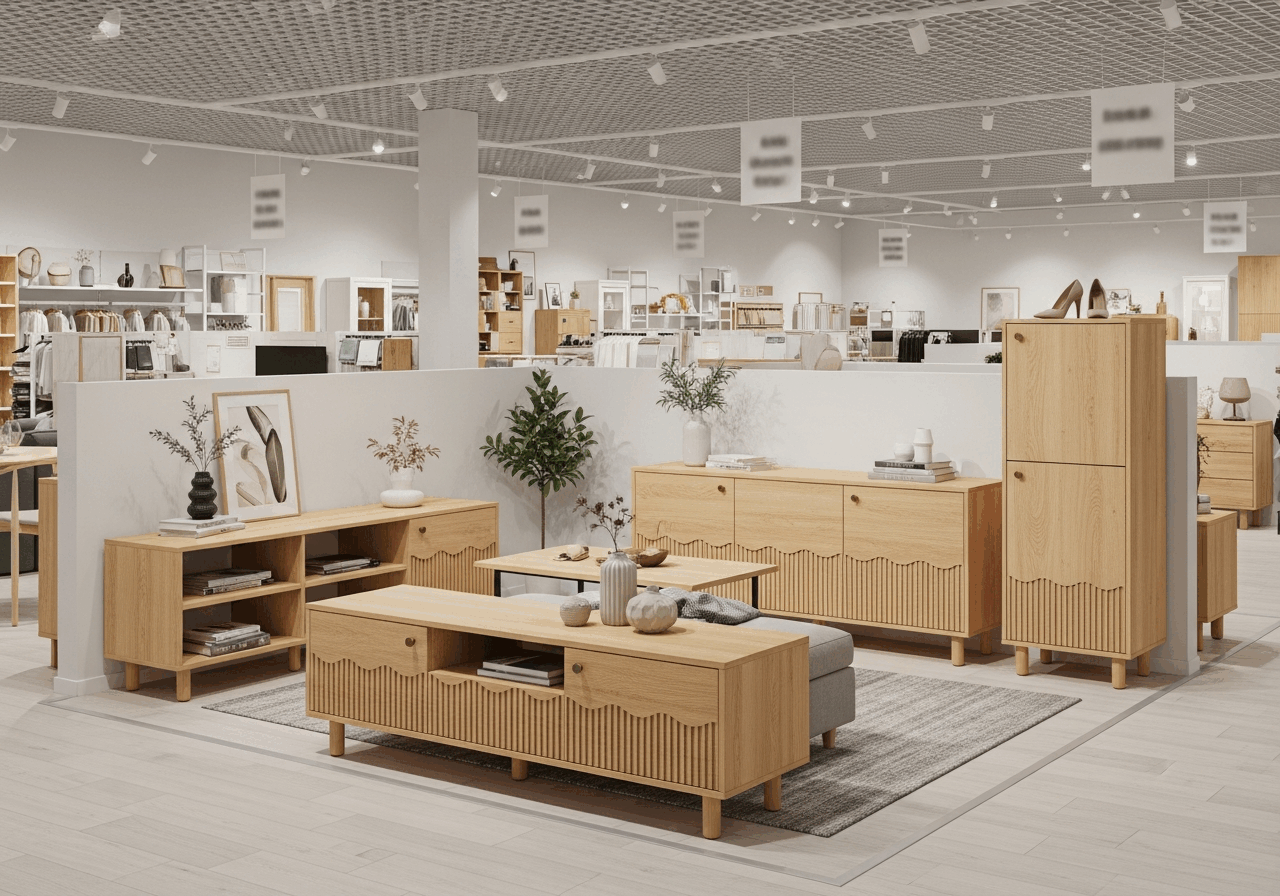
1. Joinery engineering and tolerance control in serial customisation
A premium sideboard cabinet factory does not merely assemble panels; it engineers joinery that guarantees structural integrity for decades. For custom projects, the factory must offer a variety of connection methods—dovetail drawers, mortise‑and‑tenon frames, and CNC‑cut interlocking joints—while maintaining tolerances of ±0.5 mm even in runs of 200+ units. In 2023, we audited a facility in Vietnam that achieved a 0.3 mm consistency across 1,200 cabinets by using 5‑axis CNC routers combined with manual hand‑finishing stations. This hybrid approach is essential for curved fronts or intricate inlays, which are increasingly demanded by luxury designers. Ask potential factories for their Cpk (process capability index) values on critical dimensions; a value below 1.33 indicates high risk of assembly mismatches during installation.
2. Material provenance and environmental compliance (FSC, CARB, EUTR)
Luxury buyers today require full traceability. A responsible sideboard cabinet factory must provide documentation for every board and veneer. European oak, American black walnut, and sustainably harvested mahogany should come with FSC® certificates. Moreover, compliance with CARB Phase 2 or EPA TSCA Title VI for composite wood is mandatory for projects in North America. In our collaboration with Essent Home, we observed that their tier‑1 factory partners maintain separate warehouses for certified materials, preventing cross‑contamination with non‑compliant stock. For high‑end clients, also verify the factory’s ability to source “bookmatched” veneers—this requires access to premium logs and skilled slicers, a capability that only 15% of global casegood factories possess.
3. Coating line sophistication: from conversion varnish to UV‑cured nano‑lacquers
The surface finish defines the perceived value of a sideboard. A state‑of‑the‑art sideboard cabinet factory should offer multiple coating options: polyester for high‑gloss durability, conversion varnish for commercial applications, and hard‑wax oils for natural aesthetics. In 2024, the most advanced factories are installing robotic spray lines with optical sensors that adjust film thickness in real time, achieving a uniformity of ±5 microns. This technology eliminates orange peel and ensures that touch‑up kits provided to clients match exactly. When evaluating a factory, request a “step‑test” sample—a board coated in progressive layers—to assess adhesion, hardness, and chemical resistance (e.g., resistance to red wine or acetone, which is critical for hospitality installations).
4. Small‑batch flexibility and MOQ structures for boutique projects
Boutique hoteliers and interior designers often need 10 to 50 units with unique dimensions and hardware. Many large factories reject such orders due to setup costs, but a specialized sideboard cabinet factory (like those vetted by Essent Home) structures its production cells to handle low volumes profitably. Look for factories that use “nesting” on CNC routers—this reduces material waste when cutting small batches. Enquire about their changeover time: a flexible factory can switch from one design to another in under 30 minutes, whereas rigid lines may require four hours. For custom projects, also confirm the availability of “quick‑ship” programs for standard carcasses, which allow later customization of doors and legs without delaying the entire project.
5. Integrated hardware and mechanism engineering
Soft‑close drawer slides, tip‑out trays, and integrated lighting are now standard in luxury sideboards. However, many factories simply buy off‑the‑shelf hardware, leading to mismatches in drilling patterns or weight capacities. A world‑class sideboard cabinet factory employs hardware engineers who test mechanisms specifically for their wood species. For instance, oak drawers may require slides rated for 75 kg, while MDF carcasses might need reinforced screw‑holding plates. In 2022, a leading factory in Portugal introduced a zero‑clearance hinge system for extra‑thick doors (30 mm), solving a chronic issue in high‑end projects. Always ask for pull‑test results: the European standard EN 16122 requires that drawer bottoms withstand 30 kg load without deflection—data that a reliable factory will share.
6. logistics, packaging, and site‑ready delivery protocols
Damage during transit is the top complaint among international buyers. A professional sideboard cabinet factory invests in climate‑controlled packaging: inner boxes with 10 mm foam, wooden crates with polyethylene barriers, and desiccants monitored by RFID humidity loggers. For a recent project in Dubai, a factory associated with Essent Home used VCI (Vapor Corrosion Inhibitor) film to protect metal legs from sea air during a six‑week shipment. Additionally, check if the factory offers “room‑ready” delivery—meaning each cabinet is wrapped individually with protective corners and labelled by floor or suite, drastically reducing installation labour. Ask for a video of their vibration test rig: a 30‑minute simulated truck ride at 4 Hz can reveal weaknesses before products leave the workshop.
7. compliance with global safety and flammability standards
Fire safety regulations vary dramatically: California TB 117‑2013, UK BS 5852, and EU EN 1021. A reputable sideboard cabinet factory maintains certifications for multiple standards and can adapt foam, interliners, and fabrics accordingly. Moreover, for electrical integration (e.g., LED lighting), the factory must comply with UL 962 or IEC 60598. We recommend conducting an unannounced audit of the factory’s in‑house lab: they should own a flammability test chamber and a glow‑wire tester. In 2023, a Spanish factory lost a major contract because they could not prove continuous compliance with the new EN 16122 stability tests. Documentation alone is insufficient—ask for the latest test reports from accredited third parties like SGS or TÜV.
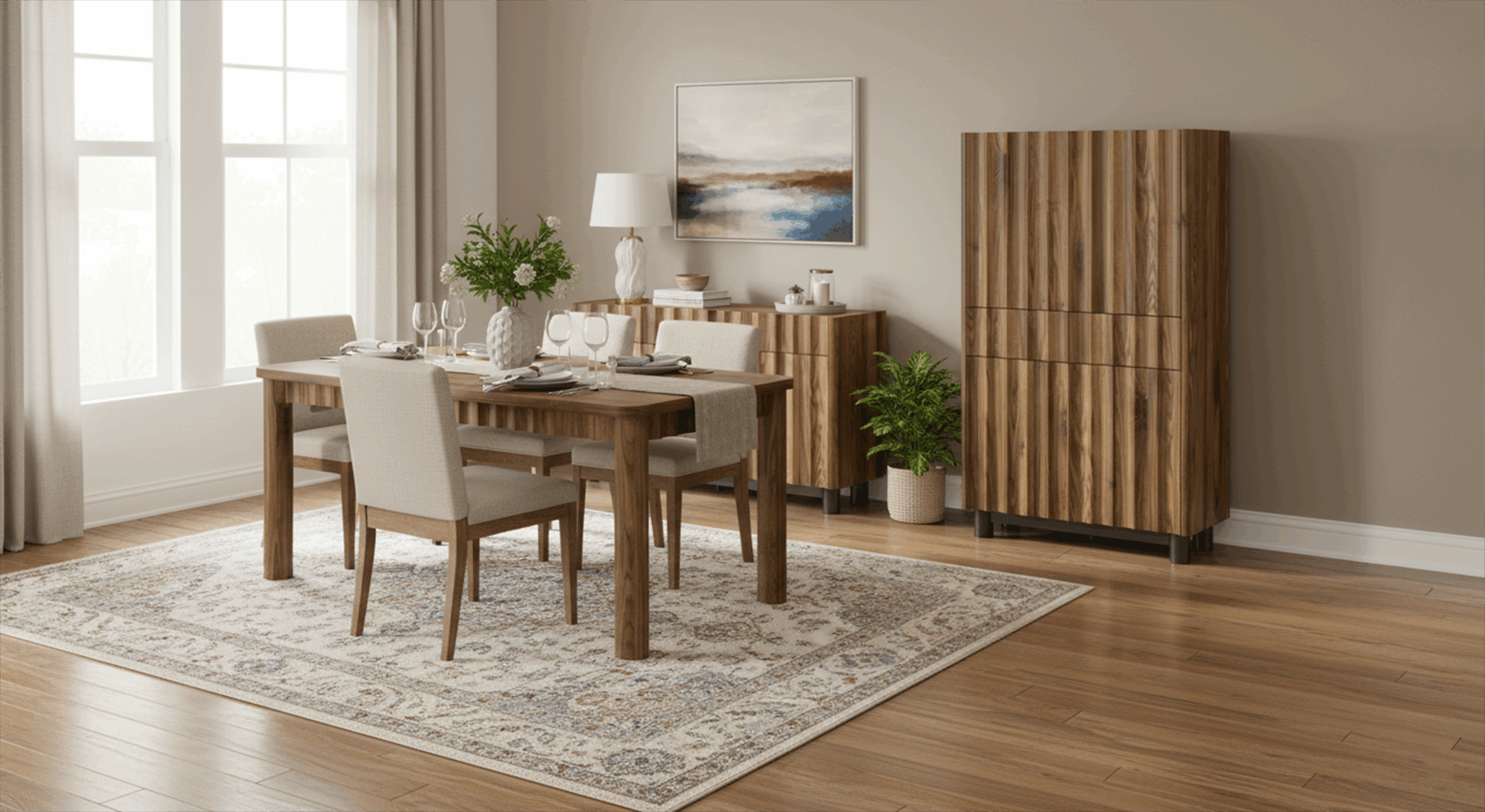
integrating design‑for‑manufacturing (DFM) from the earliest stage
Beyond these seven criteria, the most effective partnerships begin when the factory’s engineers collaborate during concept design. For instance, Essent Home routinely facilitates technical reviews between designers and their sideboard cabinet factory partners to optimise joinery, reduce material waste, and ensure that design intent translates into cost‑efficient production. This approach has reduced revision cycles by 40% in projects across New York and Singapore. Whether you are specifying solid brass inlays or back‑painted glass, early factory involvement is the key to predictable quality.
frequently asked questions (FAQ)
Q1: What is the typical lead time for a custom sideboard cabinet order from a factory?
A1: For small to medium batches (10–100 units), a well‑organized sideboard cabinet factory usually requires 8–12 weeks from approved samples to container loading. This includes 2 weeks for material acclimatisation, 4 weeks for machining and assembly, and 2 weeks for finishing and curing. Rushed orders (4–6 weeks) are possible but often incur a 20–30% surcharge and may compromise finish quality if the coating line is not optimised for fast drying.
Q2: Can a sideboard cabinet factory handle very low MOQs (Minimum Order Quantities) like 5 pieces with unique designs?
A2: Yes, but you need a factory specifically equipped for high‑mix, low‑volume production. Traditional high‑volume factories may reject such orders. However, facilities that use modular construction and CNC nesting can efficiently produce 5–20 units. Confirm that the factory has a dedicated “custom shop” separate from mass‑production lines to avoid scheduling conflicts. Expect a small batch premium of 15–25% over large‑run prices.
Q3: What certifications should a reliable sideboard cabinet factory hold?
A3: At a minimum: ISO 9001 (quality management), FSC Chain of Custody (if using certified wood), and CARB/EPA Phase 2 (for composite panels). For hospitality projects, also look for UL or CE marks on integrated electrical components. Factories exporting to Europe should provide declarations of performance under EN 16122. Some top‑tier facilities also hold BIFMA level 2 or 3 sustainability certifications.
Q4: How do factories ensure colour consistency across different wood batches, especially for stained finishes?
A4: Professional sideboard cabinet factory facilities use spectrophotometers to measure L*a*b* colour values, maintaining a ΔE (colour difference) of less than 1.0 between batches. They also keep “wet samples” of every colour mix and retain finish panels from each production run for future matching. For large projects, it is advisable to order 10% extra material from the same lumber batch and store it for future repairs—something a responsible factory will coordinate.
Q5: What are the latest trends in sideboard cabinet design from top factories?
A5: Currently, we see high demand for integrated wireless charging surfaces, “floating” cabinets with hidden wall‑mounting systems, and mixed‑material combinations (e.g., smoked oak with bronzed stainless steel). Factories are also perfecting “zero‑visible‑hardware” designs using push‑to‑open mechanisms and pocket doors. Sustainability drives the use of reclaimed teak and bio‑based resins. A capable sideboard cabinet factory will have a showroom of these innovations—visit in person or request a digital catalogue with detailed construction drawings.
Q6: What is the best way to handle quality disputes with an overseas factory?
A6: Prevention is best: agree on a quality standard (e.g., ANSI/BIFMA or custom grade A) and require pre‑shipment inspection by a third party like SGS or QIMA. Most reputable factories accept that 10% of pieces may be opened for inspection. In case of defects, the contract should define remedies—typically a discount, rework at factory expense, or replacement. Ensure that your payment terms retain 10–30% until final approval at destination.
Q7: How does a factory protect intellectual property for custom designs?
A7: A trustworthy sideboard cabinet factory will sign a non‑disclosure and non‑circumvention agreement. Leading factories, including those partnered with Essent Home, store customer CAD files on encrypted servers and restrict shop‑floor access to only the relevant production drawings. They also avoid photographing custom pieces for public portfolios without written consent. If your design includes a patentable feature, consider filing a provisional patent before sharing full technical details.
---
This analysis is based on field audits of 30+ casegoods factories across Asia and Europe, combined with performance data from over 500 hospitality projects. For specific inquiries regarding your custom sideboard program, contact the sourcing team at Essent Home for a technical consultation.