Commercial interior designers, hospitality specifiers, and high-volume furniture distributors demand more than aesthetic appeal when sourcing furniture at scale. For high-traffic environments, a dining table must withstand rigorous daily use, structural stress, and fluctuating indoor climates. Navigating the global procurement market requires a deep understanding of manufacturing processes, material engineering, and supply chain logistics to ensure that products consistently meet expectations.
When sourcing furniture for luxury residential developments or upscale hospitality projects, partners like Essent Home provide the necessary manufacturing expertise to align custom designs with industrial-grade durability. This analysis examines the engineering benchmarks, structural requirements, and quality control systems necessary to evaluate a supplier when executing a large-scale furniture procurement program.
1. Wood Engineering and Equilibrium Moisture Content (EMC) Control
Solid wood remains a highly requested material for premium dining tables, yet it presents inherent physical challenges. Timber is hygroscopic, meaning it continuously absorbs and releases moisture to match its surrounding environment. Inadequate moisture control during manufacturing leads to structural defects such as warping, cupping, twisting, or splitting along the grain once the table is installed in its destination climate.
To mitigate these structural movements, reputable factories prioritize rigorous kiln-drying processes:
Target Moisture Levels: Hardwoods such as North American walnut, white oak, and ash must be kiln-dried to a precise moisture content of 8% to 12% for temperate climates, or customized based on the destination region's average relative humidity.
Stress-Relieving Cycles: Following the kiln-drying process, the lumber must undergo a conditioning phase to equalize internal stresses before machining. This step prevents the wood from bending when ripped or planed.
Lamination Techniques: For wide tabletops, solid wood planks are jointed using alternating grain directions (growth rings pointing up, then down). This alternating structure balances the natural movement of the wood, keeping the tabletop flat over time.
Furthermore, the choice of joinery is a fundamental indicator of durability. High-end manufacturing avoids simple butt joints reinforced only by glue or brad nails. Instead, a durable B2B product features traditional mortise-and-tenon joints, dowel joinery, or modern wood-locking systems such as Festool Dominoes. When tables are shipped flat-packed (knock-down construction), metal-to-metal connections—such as steel threaded inserts anchored into the wood—are mandatory. This ensures that the legs can be assembled and disassembled repeatedly without stripping the wooden fibers.
2. Advanced Surface Materials: Sintered Stone vs. Natural Marble
For commercial hospitality environments, where surfaces must endure hot tableware, acidic liquids, and abrasive cleaning agents, specifying the right tabletop material is a primary operational decision. Procurement professionals often compare natural marble with engineered alternatives when looking to place a dining room table wholesale order.
Natural Marble Slabs
Natural stone offers unparalleled organic patterns and prestige. However, marble is naturally porous (composed largely of calcium carbonate) and highly susceptible to etching from acidic substances like wine, citrus, and vinegar. To protect marble tops in commercial settings, manufacturers apply specialized polyester coatings or deep-penetrating polyurethane sealants. Additionally, marble slabs require structural reinforcement on the underside, typically using a high-strength fiberglass mesh backing or a composite aluminum honeycomb panel to prevent fracturing along natural fault lines.
Sintered Stone Technology
Sintered stone represents a significant advancement in material engineering. Created by subjecting natural minerals and clays to pressures exceeding 15,000 tons and firing them at temperatures above 1200°C, sintered stone achieves performance levels that natural marble cannot match:
Hardness: Reaches a rating of 6 to 7 on the Mohs hardness scale, making it highly scratch-resistant under normal dining conditions.
Porosity: Near-zero water absorption (less than 0.5%), preventing stains, bacteria, and mold from penetrating the surface.
Thermal Stability: Unaffected by hot cookware placed directly on the surface, eliminating the risk of thermal shock cracking.
For large-scale commercial contracts, combining these high-performance tabletops with custom-tailored bases through Essent Home ensures that aesthetic design and material durability work in harmony.
3. Metallic Substructures: Structural Stability and Surface Finishing
Modern dining table designs frequently utilize metal frames and pedestals to achieve sleek silhouettes while supporting heavy stone or wooden tops. The structural performance of these metal components depends on alloy selection, wall thickness, welding quality, and surface finish treatment.
The manufacturing process of these metal bases involves several key steps:
Alloy Selection and Gauge Thickness: High-end commercial bases utilize Grade 304 stainless steel or heavy-gauge carbon steel with a wall thickness of at least 1.5mm to 2.0mm. Thinner gauges risk flexing or bowing under heavy loads.
Welding Quality: Seamless joints are achieved through precise TIG (Tungsten Inert Gas) welding, followed by grinding and polishing to ensure no visible seams or weld spatter remain.
PVD (Physical Vapor Deposition) Plating: For metallic finishes like titanium gold, bronze, or rose gold, PVD coating is superior to traditional wet electroplating. PVD is an environmentally clean vacuum deposition method that produces a molecular bond with the base metal. This results in a finish that is highly resistant to scratching, peeling, and tarnish, which is vital when supplying a commercial dining room table wholesale program.
Powder Coating: For matte, textured, or colored finishes on carbon steel, electrostatic powder coating is cured in high-temperature ovens to create a resilient barrier against oxygen and moisture, effectively preventing rust.
4. Customization Workflows and Engineering Integration
No single dining table fits every commercial space. Luxury hotels, fine-dining restaurants, and upscale multi-family residential developments require specific dimensions, finishes, and functional adaptations. Sourcing from a manufacturer with robust OEM (Original Equipment Manufacturer) and ODM (Original Design Manufacturer) capabilities is a necessary component of successful project execution.
When a project demands a tailored solution, the manufacturer must integrate several key design phases:
Engineering Drawing Approvals: Before mass manufacturing begins, the factory’s engineering team must translate the designer’s concept or rendering into a detailed CAD shop drawing. These drawings detail the internal framework, joinery methods, hardware, and exact dimensions.
Prototyping and Sample Validation: For high-volume contracts, producing a full-scale prototype is a wise measure to verify structural integrity, comfort clearances (knee room and elbow space), and finish accuracy under actual lighting conditions.
Functional Integration: Modern contract tables often require integrated wire management, pop-up power outlets, or hidden wireless charging pads. The factory must be capable of routing CNC grooves in wood or fabricating steel cable trays within the pedestals without compromising the table’s structural capacity.
By coordinating with experienced custom manufacturers like Essent Home, B2B buyers can streamline this customization process, ensuring that custom dining room table wholesale orders align perfectly with the architectural layout of the destination space.
5. Quality Assurance Protocols and Compliance Testing
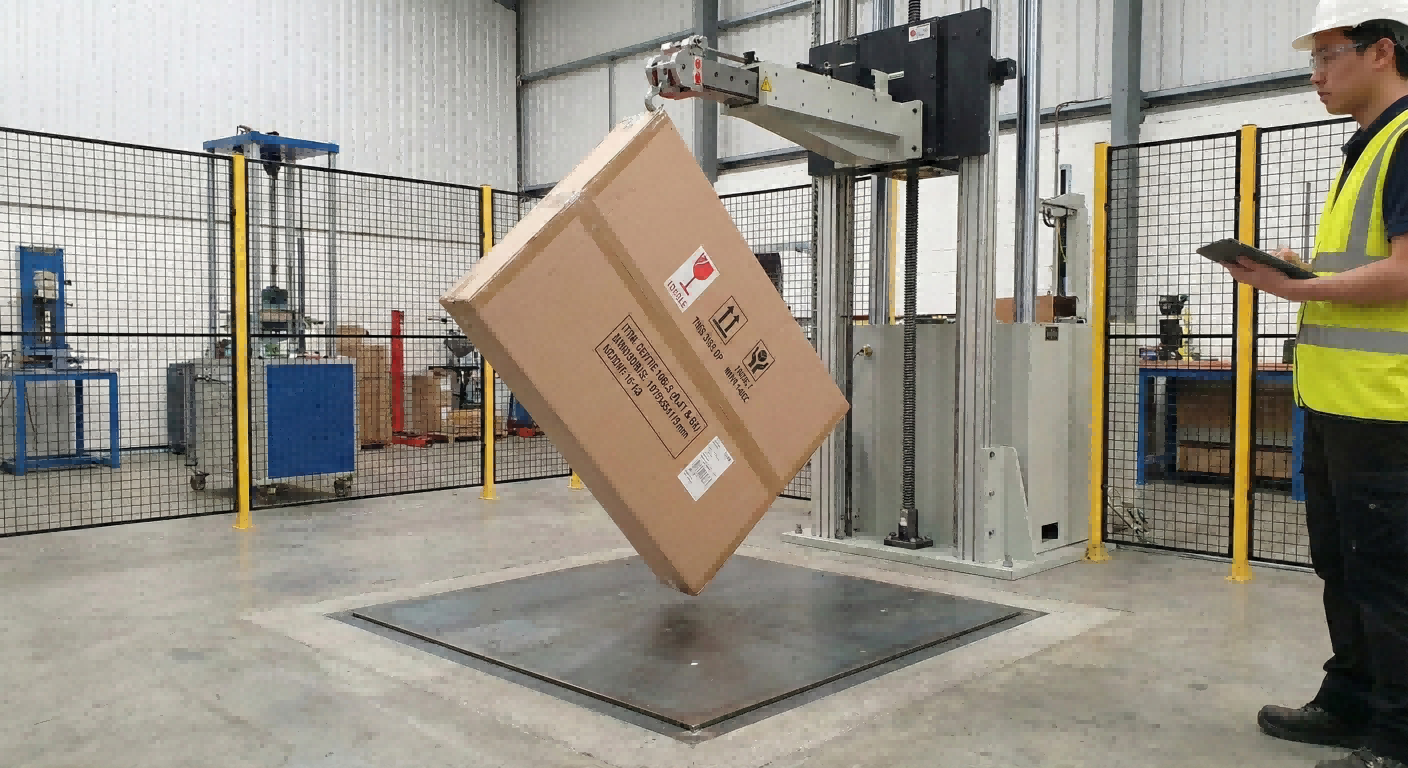
A reputable manufacturer does not rely solely on visual inspections. To guarantee that a furniture batch meets international standards for commercial use, rigorous mechanical testing protocols are instituted within the production line.
These evaluation procedures typically align with international standards such as BIFMA X5.5 (for desk and table products) or European Standard EN 12521 (governing strength, durability, and safety of domestic and non-domestic tables):
Vertical Static Load Testing: Applying downward pressure (often exceeding 200 lbs) to the center and edges of the table to ensure there is no structural failure, permanent deformation, or tipping.
Horizontal Stability and Fatigue Testing: Subjecting the table to repetitive side-to-side forces to simulate the natural movement of diners leaning on the surface over many years. This test verifies that joints do not loosen or squeak.
Surface Chemical and Wear Resistance: Testing finishes against water, alcohol, cleaning chemicals, and scratch testing with standard weighted styluses to ensure long-term surface appearance retention.
Drop Testing: Simulating the impact of objects being dropped onto the tabletop to check for cracking in sintered stone or denting in solid wood.
These strict quality control measures are paramount for businesses investing in dining room table wholesale lots, where a single structural defect repeated across hundreds of rooms can disrupt project timelines.
6. Logistics, Packaging, and Container Optimization
The manufacturing process does not end when the product leaves the assembly line. Safely transporting high-end, heavy furniture across oceans and continents requires careful packaging design and precise container loading strategies.
To prevent shipping damage—such as crushed corners, shattered stone tops, or scratched metal legs—manufacturers implement professional multi-layered packaging solutions:
| Packaging Layer | Material Used | Primary Function |
|---|
| Primary Wrap | EPE (Expanded Polyethylene) Foam / Soft PE Film | Prevents surface scratches and dust accumulation. |
| Corner Protection | High-Density Molded EPS Foam / Thick Cardboard Edging | Absorbs impact energy during transit and handling. |
| Outer Box | 5-Layer Double-Wall Corrugated Carton | Resists puncture and provides structural compression strength. |
| Heavy Material Support | ISPM-15 Fumigated Wooden Crates / Plywood Frames | Mandatory support for marble and sintered stone to prevent flexing. |
Furthermore, managing container utilization is a major factor in international shipping efficiency. Knock-down (KD) furniture designs significantly reduce volumetric weight, allowing more units to fit into a 40ft High Cube (HC) container. Suppliers must optimize loading patterns, balancing heavy stone pieces with lighter components to remain within legal road weight limits at the port of destination, ensuring a smooth and predictable delivery for large-scale dining room table wholesale shipments.
7. Structural Integrity for High-Traffic Commercial Spaces
Selecting the right dining tables for commercial and hospitality projects requires balancing aesthetics, engineering, and logistics. By focusing on moisture control in wood, advanced surface technologies like sintered stone, precise metal plating, and rigorous quality assurance, procurement teams can source products that perform reliably over time.
Working alongside an established manufacturing partner like Essent Home helps bridge the gap between design concepts and factory production. If you are currently specifying furniture for an upcoming hospitality development, luxury residential project, or high-volume wholesale program, we invite you to contact our engineering and design department. Submit your material specifications, CAD drawings, and project timelines to receive a comprehensive analysis and manufacturing proposal tailored to your commercial needs.
Frequently Asked Questions
Q1: How do you manage wood moisture content for shipments to regions with extreme dry or humid climates?
A1: During the manufacturing phase, we monitor the kiln-drying process to match the Equilibrium Moisture Content (EMC) of the destination region. For dry climates like parts of the US Southwest, timber is dried to 6% to 8% moisture content, while for humid tropical regions, we maintain a range of 10% to 12%. This customization minimizes natural wood movement, preventing warping or splitting after installation.
Q2: What is the benefit of choosing sintered stone over natural marble for a high-traffic restaurant dining table?
A2: Sintered stone is completely non-porous and has a Mohs hardness of 6 to 7, making it highly resistant to staining, scratching, and thermal shock. Natural marble, while visually unique, is porous and easily etched by acidic foods or scratched by metal cutlery unless protected with a high-maintenance polymer coating. Sintered stone provides a durable, low-maintenance solution for high-volume commercial venues.
Q3: What testing standards do your dining tables meet for commercial use?
A3: Our commercial dining tables are engineered to meet recognized international standards, including BIFMA X5.5 for stability and structural integrity, as well as European Standard EN 12521 for strength and durability. These tests simulate years of heavy use by applying repeated vertical and horizontal forces to ensure the joints and frame remain secure.
Q4: Can we request custom metal finishes, and how do you ensure they do not wear off over time?
A4: Yes, we provide custom metal fabrication and finishing. For premium metallic surfaces, we utilize Physical Vapor Deposition (PVD) plating on stainless steel rather than basic electroplating. PVD bonds the finish at a molecular level, providing superior resistance to wear, abrasions, and corrosion, which is ideal for commercial spaces.
Q5: How do you pack and ship large, fragile materials like sintered stone or marble tabletops?
A5: All stone and marble tabletops are packed in high-density molded foam corners, wrapped in protective polyethylene sheets, and placed inside heavy-duty corrugated cartons. These cartons are then loaded into custom-built, fumigated plywood crates (meeting ISPM-15 export regulations) to prevent flexing and impact damage during ocean transport and terminal handling.