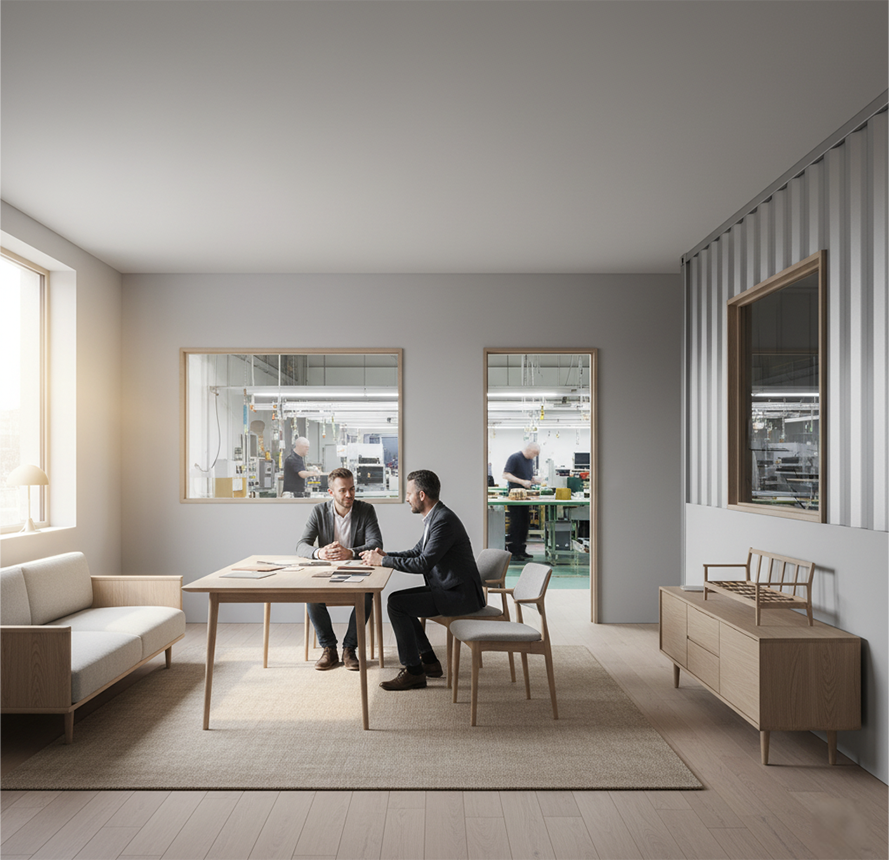
Finding the right partner for custom dining chair manufacturing is crucial for furniture brands and retailers. An ODM (Original Design Manufacturing) service offers a powerful solution, blending design innovation with precise manufacturing. This approach allows companies to bring unique, market-ready dining chairs to life without developing in-house production capabilities.
For businesses aiming to elevate their collections, a reliable dining chairs ODM partner provides more than just assembly. They offer end-to-end services from concept development to final shipment. Brands like Essent Home leverage such partnerships to create distinctive, high-quality pieces that resonate with their design ethos.
Understanding the ODM Advantage in Furniture Manufacturing
The ODM model is a cornerstone of the modern furniture industry. It enables brands to focus on marketing and sales while experts handle the complex production process. This collaboration often results in superior products and faster time-to-market.
From Concept to Finished Product
A proficient dining chairs ODM partner guides you through every stage. It begins with material selection and design prototyping. The partner then engineers the product for structural integrity and comfort. Finally, they manage quality-controlled mass production and efficient logistics.
This seamless process ensures the final product matches your original vision and quality standards perfectly.
Customization at Its Core
True ODM services offer deep customization. This includes choices in wood species, metal finishes, upholstery fabrics, and intricate detailing. You can adjust dimensions, ergonomics, and styling to fit your target market’s preferences.
Such flexibility is essential for creating a signature product line that stands out in a competitive marketplace.
Not all manufacturers are created equal. Choosing the right partner requires careful evaluation of several critical factors.
Proven Expertise and Portfolio
Review the manufacturer’s existing portfolio. Look for experience with designs similar to your aesthetic, whether it’s modern minimalist, classic, or industrial. Experience in your desired material, like solid wood or molded plastics, is also vital.
A partner with a diverse portfolio demonstrates adaptability and technical skill.
Commitment to Quality and Sustainability
Inquire about their quality control protocols at each production stage. High-end clients expect flawless finishes and durable construction. Additionally, sustainable practices are increasingly important. Ask about material sourcing, waste management, and certifications like FSC for wood.
Partners who prioritize sustainability help future-proof your brand.
Communication and Project Management
Clear, consistent communication is non-negotiable. Your ODM partner should assign a dedicated project manager. They must provide regular updates and be transparent about challenges or delays. Effective partners act as an extension of your own team.
This ensures the project stays on schedule and aligns with your expectations.
The Collaborative Process: A Step-by-Step Look
A transparent process defines a successful ODM partnership. Here’s what a typical collaboration entails.
Initial Design Consultation and Development
You share your ideas, sketches, or inspiration images. The ODM’s design team then refines these concepts into technical drawings and 3D renderings. This phase involves detailed discussions on materials, colors, and cost implications.
Brands like Essent Home value this phase for transforming a core idea into a viable, beautiful design.
Prototyping and Sampling
The manufacturer builds a physical sample or prototype. This is your chance to assess the chair’s look, feel, and stability. You can request adjustments to the finish, cushion density, or proportions. Multiple sample rounds may occur until the product is perfect.
Never skip this step, as it prevents costly errors in full production.
Production and Quality Assurance
Upon sample approval, mass production begins. A reputable partner will conduct quality checks throughout the assembly line. They should also provide pre-shipment inspection reports with photos, allowing for final verification before the order leaves the factory.
This meticulous attention to detail guarantees a consistent, high-standard product run.
Partnering with a skilled dining chairs ODM manufacturer is a strategic move for growth. It provides access to expert craftsmanship and efficient production, allowing your brand to innovate and expand its offerings. By focusing on design, quality, and clear communication, you can build a productive, long-term relationship.
For brands seeking a blend of contemporary design and expert manufacturing, exploring ODM options is key. Essent Home’s approach to collaboration exemplifies how such partnerships can yield exceptional, branded furniture that captures market attention.
Frequently Asked Questions (FAQ)
Q1: What is the main difference between an ODM and an OEM for dining chairs?
A1: An OEM (Original Equipment Manufacturer) typically produces a chair based on your precise, completed designs and specifications. An ODM (Original Design Manufacturer) offers a higher level of service by also providing design, development, and engineering expertise. They often present existing designs you can modify (called “private labeling”) or co-create new designs with you from scratch.
Q2: What is a typical minimum order quantity (MOQ) for custom dining chairs ODM projects?
A2: MOQs vary significantly between manufacturers, usually ranging from 100 to 500 pieces per design. The MOQ depends on material complexity, customization level, and factory capacity. Always discuss MOQ early in conversations to align expectations.
Q3: How long does the entire ODM process take, from concept to delivery?
A3: A full ODM cycle typically takes 3 to 6 months. This includes 4-8 weeks for design and sampling and 8-12 weeks for production and shipping. Timelines can extend for highly complex designs or during peak manufacturing seasons.
Q4: Can I use my own custom fabric or sustainable material with an ODM partner?
A4: Yes, most reputable ODM partners support “customer-supplied materials.” You can source and provide specific fabrics, eco-friendly foams, or certified woods. The manufacturer will then integrate these materials into the production process, subject to testing for suitability.
Q5: How do I protect my design when working with a dining chairs ODM?
A5: A strong legal agreement is essential. A comprehensive NDA (Non-Disclosure Agreement) and a contract that clearly states intellectual property ownership should be signed before exchanging designs. Trusted ODM partners respect confidentiality and understand that the designs and final products are your sole property.