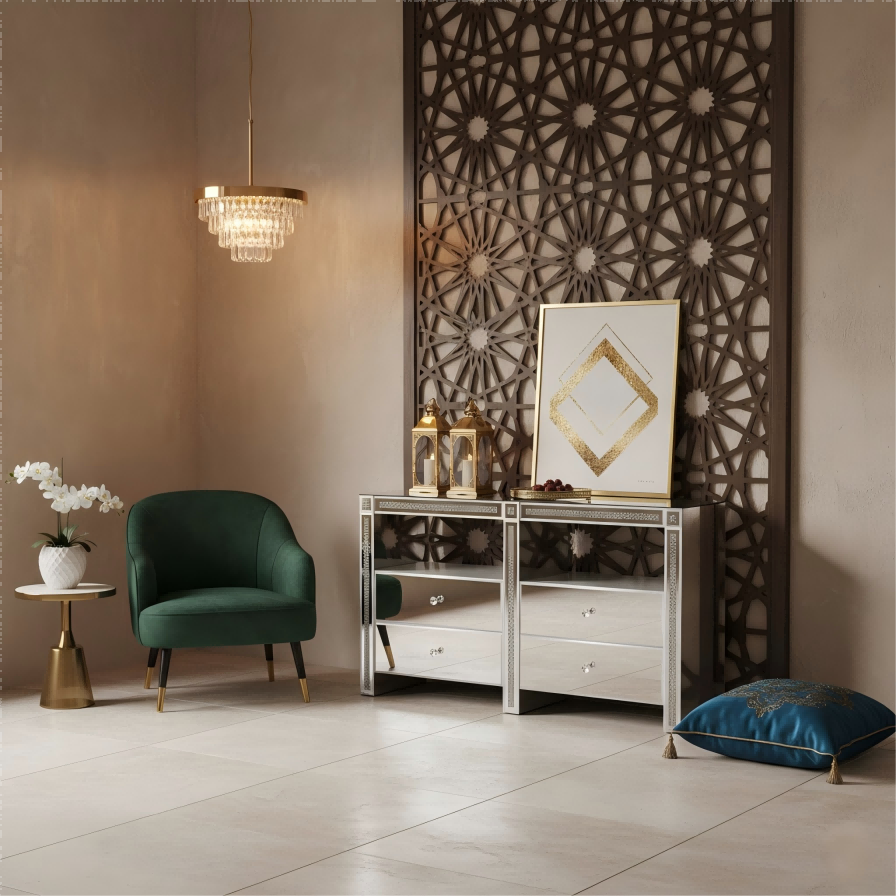
When considering a custom wine storage solution, many eventually look past retailers. They turn directly to the source. Working with a wine cabinets factory presents a distinct path. It is about accessing the core of craftsmanship and customization.
This direct engagement offers unparalleled control over materials, design, and timelines. For a luxury project, it is often the preferred route. It transforms a standard purchase into a collaborative creation. Here, we explore the key aspects of partnering with a factory for your custom wine cabinetry.
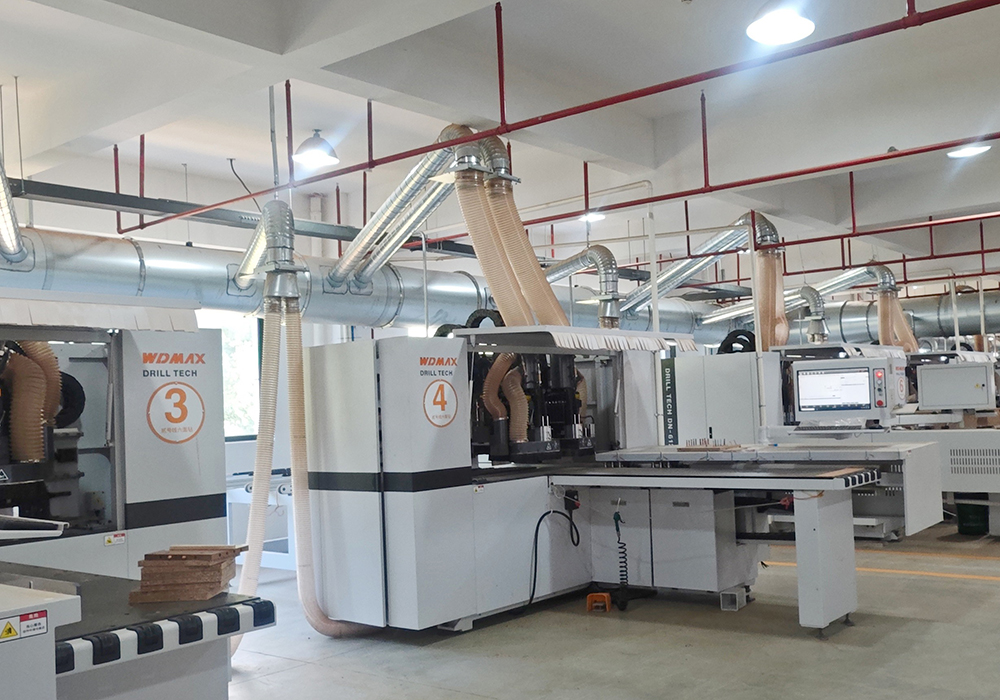
The Direct Factory Partnership Model
Choosing a factory over a simple reseller changes the dynamic. You communicate with the team that builds your unit. This removes layers of interpretation and potential error.
This model grants access to broader customization. You are not limited to a catalog. You can influence core design elements. Factories like Essent Home operate on this principle. They blend client vision with direct manufacturing expertise.
Precision in Materials and Craftsmanship
A factory controls its material flow. This is a critical advantage. You can discuss veneers, solid woods, metal finishes, and glass types directly with the specifiers.
H3: Wood Selection and Treatment
High-end factories use kiln-dried hardwoods and premium plywood substrates. They prevent warping. You can select from a library of veneers or propose your own. The finish—oil, lacquer, stain—is applied in controlled conditions.
H3: Internal Components and Hardware
The shelves, racks, and lighting are not afterthoughts. A quality wine cabinets factory will source or produce heavy-duty shelving. They use whisper-quiet cooling systems from trusted suppliers. These components are integrated seamlessly during build, not added later.
Navigating Custom Dimensions and Shapes
Standard sizes rarely fit perfect visions. A factory’s strength is building to your exact spatial requirements.
Whether it’s a curved unit for a rounded wall or a column design for a narrow foyer, the build starts with your dimensions. This requires precise engineering. The cooling system must be calibrated for the exact interior volume. A factory handles this holistically.
Design Collaboration from Concept to Finish
This is where the partnership shines. You work with designers who understand both aesthetics and fabrication limits.
H3: Integrating Architectural Details
Can the cabinet feature a specific crown molding profile? Should the ironmongery match other hardware in the home? A factory can accommodate these requests. They often have samples of handles, finishes, and moldings to help you decide.
H3: Styling for Cohesion
The goal is a piece that feels inherent to the space. A factory team helps translate a style—be it minimalist, industrial, or classic—into a build sheet. They advise on what works structurally and visually.
Technology and Climate Control Integration
A silent, efficient climate system is non-negotiable. Factories integrate this technology from the earliest stages.
They build the cabinet around the cooling unit, not the other way around. This ensures proper insulation, airflow, and vibration dampening. Leading factories, including Essent Home, treat the cooling unit as the heart of the piece. They design the furniture body to protect and complement it.
Budget Transparency and Production Timelines
Direct sourcing often provides clearer cost structures. You understand what you are paying for: materials, labor, and complex engineering.
There are fewer markups. However, true customization commands a premium. A reputable wine cabinets factory will provide a detailed quote. They will also outline a realistic production schedule, from milling to final assembly and testing.
Installation Coordination and Final Delivery
The factory’s responsibility often extends to delivery. For global clients, this means expert crating and logistics.
Many high-end factories have preferred installers in key markets. They ensure the team placing your cabinet understands its construction. For turnkey projects, some factories may oversee the entire process. They guarantee the final installation matches the precision of the build.
Conclusion: The Value of Direct Engagement
Selecting a wine cabinets factory is a commitment to getting exactly what you envision. It is a process built on dialogue, expertise, and technical skill. The result transcends furniture. It becomes a permanent, functional art piece in your home.
For those who value this level of detail, the journey is as important as the destination. It represents the pinnacle of personalized luxury. Brands like Essent Home exemplify this approach, where their factory doors are open to collaborative, extraordinary projects.
Frequently Asked Questions (FAQs)
Q1: What is the minimum order quantity when working directly with a factory?
A1: This varies. Some luxury factories accept single-unit, high-customization orders for residential clients. Others may have a minimum project value. It’s always best to inquire directly about their capacity for bespoke, one-off pieces.
Q2: How long does the entire process typically take from design to delivery?
A2: For a fully custom piece, expect a minimum of 8 to 14 weeks. This timeline includes design approval, material sourcing, fabrication, finishing, and testing. Complex projects can take longer. A good factory will provide a phased schedule.
Q3: Can I provide my own drawings or design concepts?
A3: Absolutely. Most factories welcome detailed architectural drawings or inspiration images. Their design team will then review them for feasibility, suggest adjustments, and create technical manufacturing plans based on your input.
Q4: Who handles the installation if I am in a different country?
A4: A professional wine cabinets factory will expertly crate the shipment. They often work with global freight forwarders. They can usually recommend experienced local installers in your area or provide detailed installation manuals for your own contractor.
Q5: How does quality control work in a direct factory model?
A5: Quality is embedded throughout the process. From material inspection to final assembly, dedicated QC teams check each stage. Before shipment, the unit undergoes a full functional test. The direct relationship means any concerns are addressed immediately by the production team itself.