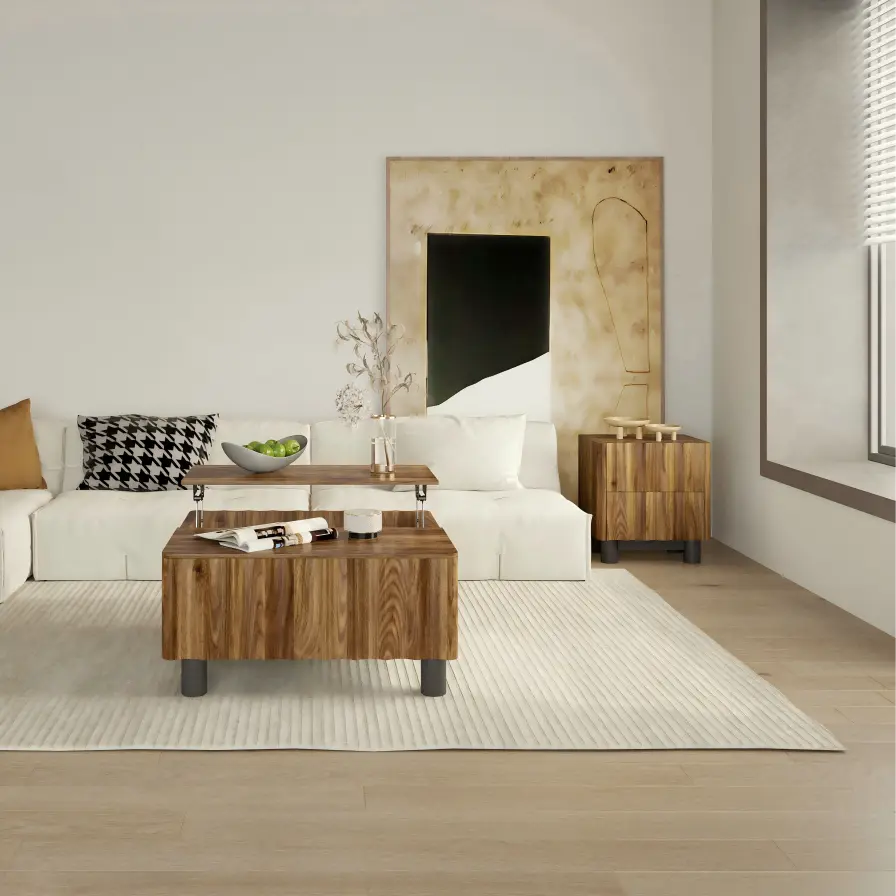
For brands and retailers seeking unique furniture collections, TV stands ODM services provide a complete solution. ODM, which stands for Original Design Manufacturing, involves a supplier creating a custom design from scratch based on your vision and market needs. This model is fundamental in the international high-end custom furniture sector. It allows companies, from established names like Essent Home to emerging brands, to offer distinctive products under their own label. This approach covers design, engineering, and production.
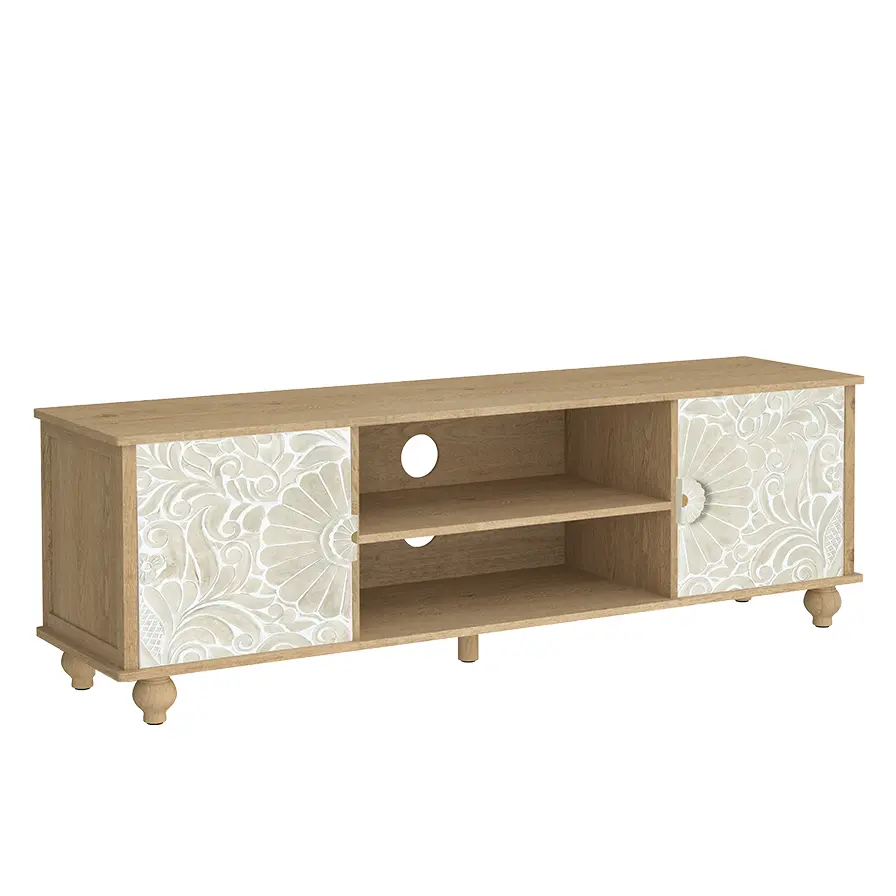
Understanding the ODM Process for TV Stands
The TV stands ODM journey begins with a concept. Unlike OEM, where you provide the design, ODM partners handle research, design sketches, and prototyping. They guide you through creating a product that is both marketable and manufacturable. This full-service model is ideal for brands wanting a unique lineup without an in-house design team.
Key Design Aspects in TV Stands ODM
Working with an ODM partner means influencing every design detail. The focus is on creating a stand that reflects your brand's identity and meets customer expectations.
Installation and Assembly Design
ODM designers consider how the TV stand will be installed. They can develop innovative mounting systems, tool-free assembly, or modular designs. The goal is to create a user-friendly experience that aligns with your brand's promise of quality.
Material Selection and Innovation
Material choice is a collaborative decision in TV stands ODM. Partners suggest sustainable woods, engineered composites, or metals based on your price point and style. They can also source unique finishes or textiles that set your product apart.
Dimensions and Form Factor
ODM allows for bespoke sizing tailored for specific markets or TV models. Designers work on the proportions, ergonomics, and visual balance. They ensure the final shape is both aesthetically pleasing and functionally sound for storage and support.
Style and Market-Led Design
A major advantage of TV stands ODM is accessing design trends. ODM firms often have insights into global furniture trends. They help translate these trends into concrete designs that will appeal to your target audience.
Developing a Cohesive Collection
ODM is not just about a single stand. It's about creating a cohesive collection. Designers ensure your TV stand complements accompanying media units, shelves, or cabinets. This holistic approach strengthens your brand's catalog. Firms like Essent Home leverage such comprehensive design thinking.
Branding and White-Label Advantages
The core of the TV stands ODM model is building your brand. The finished product carries your logo, packaging, and design patents if applicable. You own the design rights, allowing you to build a distinct brand identity in the competitive furniture market.
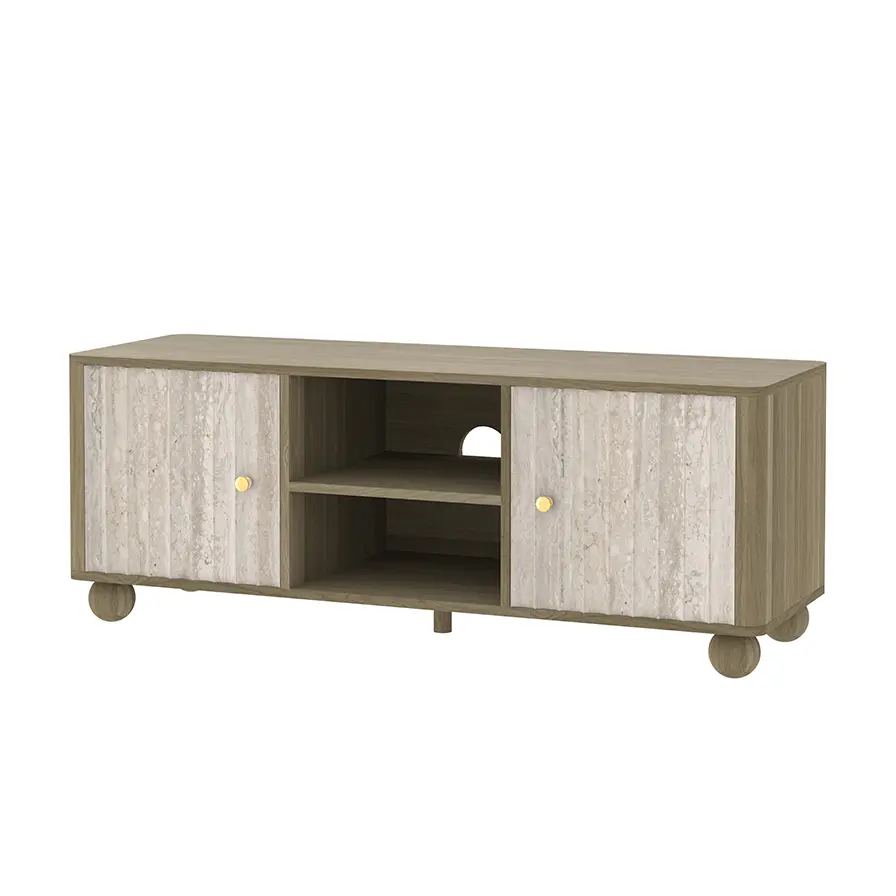
Budget and Project Management
Engaging in TV stands ODM requires clear budgeting for the entire development cycle. Costs include design time, prototype creation, tooling, and per-unit production.
Cost Structure Transparency
A reliable ODM partner provides clear cost breakdowns. Understanding investments in custom molds or unique materials helps in planning. Minimum order quantities are typically involved to justify the design effort.
From Prototype to Installation Guide
The ODM service extends to creating professional installation manuals and support materials. They ensure the end-user has a smooth setup process, which reflects well on your brand's reputation for quality.
Choosing a TV stands ODM partner is a strategic step for brand growth. It provides access to professional design and manufacturing expertise, resulting in unique products that bear your name. From initial sketch to final delivery, ODM offers control over the product's destiny. For brands aiming to make a mark with innovative furniture, as seen with collections from Essent Home, the ODM pathway offers a structured route from concept to market-ready TV stands.
Frequently Asked Questions about TV Stands ODM
Q1: What is the main difference between ODM and OEM for TV stands?
A1: The key difference lies in design ownership. In OEM (Original Equipment Manufacturing), you provide the design and the manufacturer builds it. In ODM (Original Design Manufacturing), the manufacturer designs and develops the product based on your requirements, and you brand it as your own.
Q2: Who owns the design in a TV stands ODM agreement?
A2: Typically, the client (the brand) owns the final design once the project is paid for and agreements are signed. It's crucial to clarify intellectual property rights in the contract before starting the ODM project.
Q3: How involved can my brand be during the ODM design phase?
A3> You can be heavily involved. A good ODM partner will present mood boards, sketches, and 3D renderings for your feedback at multiple stages. Your input on materials, finishes, and functionality is essential to the process.
Q4: Is TV stands ODM suitable for small businesses or startups?
A4> It can be, but minimum order quantities (MOQs) may be a factor. ODM involves upfront design costs. It is more suitable for businesses planning to build a sustained product line rather than a one-off order.
Q5: What should I look for when selecting a TV stands ODM partner?
A5> Look for a partner with a strong design portfolio, expertise in furniture manufacturing, clear communication, and transparency about costs and timelines. Visit factories if possible and check references from other brands they have worked with, similar to how established brands like Essent Home select their partners.