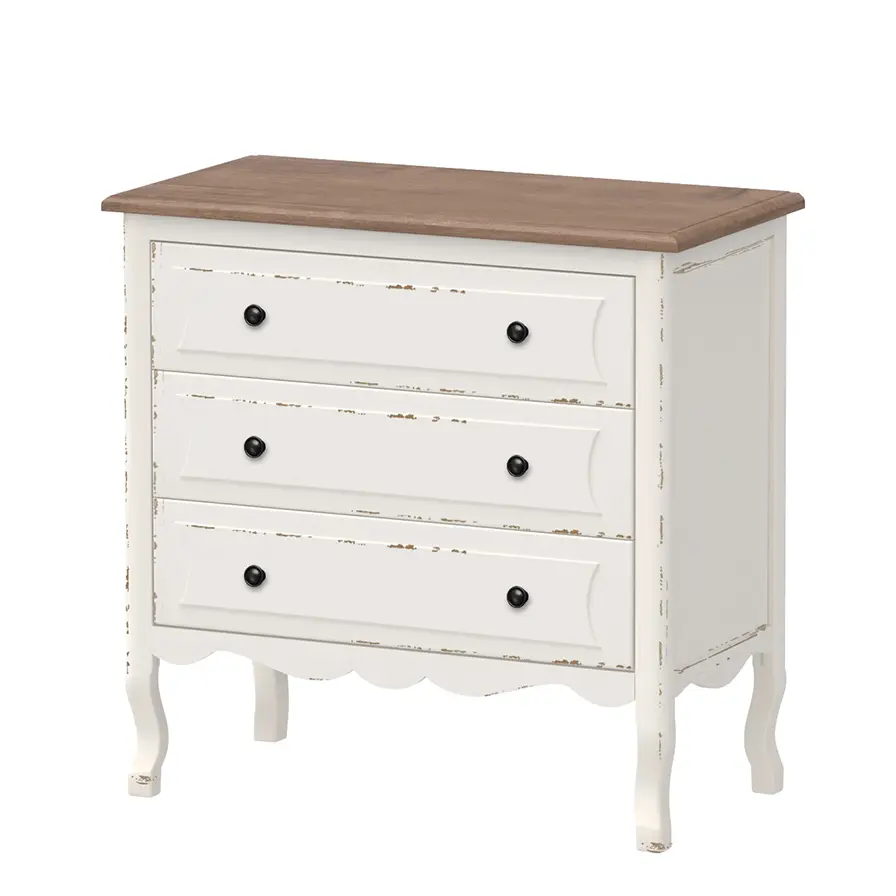
In the international high-end furniture market, finding a dependable tall dresser OEM is essential for brands and designers. OEM, or Original Equipment Manufacturer, refers to companies that produce goods based on client specifications. For custom furniture, this partnership ensures pieces meet exact design and quality standards. Brands like Essent Home often collaborate with OEMs to deliver tailored solutions. This article explains how to identify and work with a suitable tall dresser OEM for luxury projects.
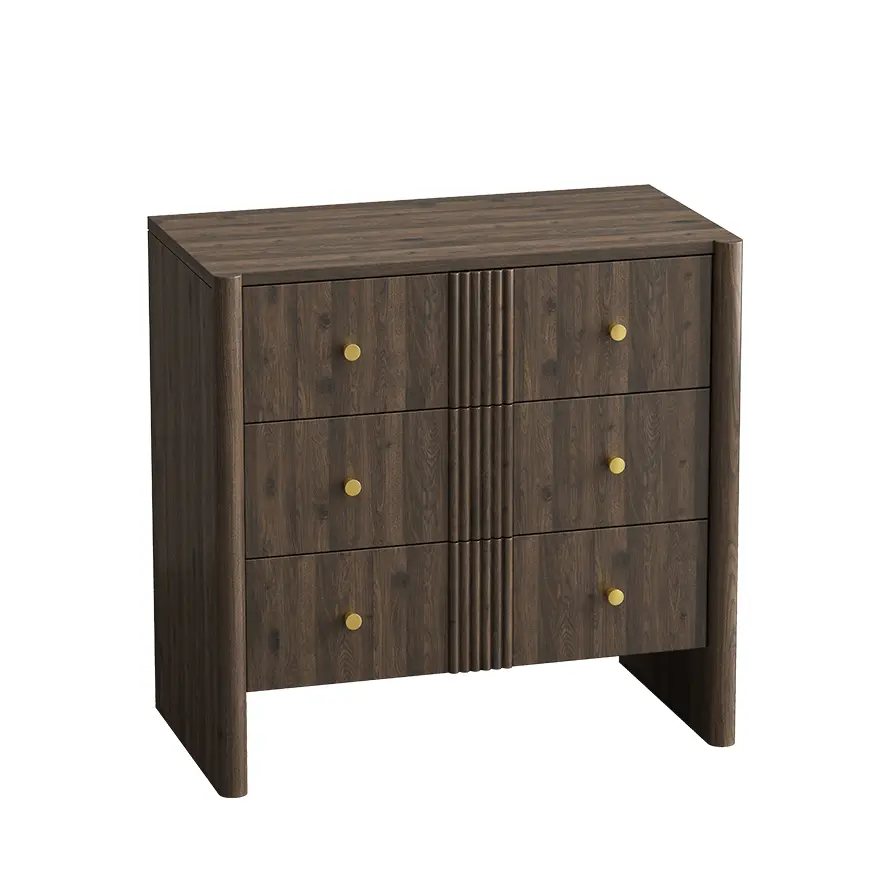
An OEM specializes in manufacturing products under another company's brand. In furniture, this includes tall dressers built to specific designs.
This model allows brands to focus on design and marketing. The OEM handles production, ensuring efficiency and consistency.
For high-end custom furniture, a tall dresser OEM must offer flexibility. They should adapt to unique client needs, from materials to finishes.
Why OEM Matters in Luxury Furniture
Customization is key in luxury interiors. An OEM provides the technical expertise to bring designs to life.
They use specialized tools and skilled labor. This results in furniture that matches client expectations for aesthetics and function.
Working with an OEM can reduce costs. It allows brands to scale production without investing in factories.
Key Factors in Choosing a Tall Dresser OEM Partner
Selecting the right OEM requires careful evaluation. Consider their experience, capabilities, and reputation.
A reliable tall dresser oem should have a portfolio of high-end projects. This shows their ability to handle complex designs.
Quality and Craftsmanship Standards
Luxury furniture demands top-quality materials. Look for OEMs that use solid wood, premium veneers, and durable hardware.
Craftsmanship ensures longevity. Techniques like dovetail joints and hand-finishing add value to tall dressers.
Ask for samples or factory visits. This helps assess the OEM's attention to detail and production processes.
Customization and Design Support
An OEM should offer comprehensive design services. This includes CAD drawings, material selection, and prototype development.
Flexibility in production is crucial. They must accommodate changes in dimensions, styles, or features during the process.
Communication is vital. Regular updates and feedback loops ensure the final product aligns with the original vision.
Production Capacity and Lead Times
High-end projects often have tight schedules. Confirm the OEM's production capacity to meet deadlines.
Lead times vary based on order size and complexity. Discuss timelines upfront to avoid delays.
Logistics and shipping are part of the service. A good OEM manages packaging and delivery to protect furniture during transit.
The OEM Process for Luxury Tall Dressers
The process begins with design consultation. Clients share specifications, and the OEM provides technical input.
Once designs are finalized, prototypes may be built. This allows for testing and adjustments before full production.
Manufacturing involves cutting, assembling, and finishing. Quality checks at each stage ensure consistency.
From Design to Delivery
Collaboration is key throughout. The OEM works closely with clients to refine details like drawer mechanisms or surface textures.
Sustainable practices are increasingly important. Many OEMs use eco-friendly materials and waste-reduction methods.
Final inspection includes checking for defects. Furniture is then packed securely for shipping to global destinations.
Quality Control Measures
Rigorous testing ensures durability. This may involve stress tests on drawers or finish resistance assessments.
Certifications like ISO standards indicate a commitment to quality. Verify the OEM's compliance with industry norms.
Post-delivery support can include warranty services. This adds value for brands and end customers.
Benefits of Partnering with a Specialized OEM
Specialization leads to expertise. An OEM focused on tall dressers understands the nuances of vertical storage furniture.
Cost efficiency comes from bulk production. Brands can offer custom pieces at competitive prices without sacrificing quality.
Innovation is encouraged. OEMs often suggest improvements based on manufacturing experience, enhancing the final product.
Scalability and Market Adaptability
OEMs allow brands to scale operations quickly. They can handle small batches or large orders based on demand.
Adapting to market trends is easier. An OEM can incorporate new materials or styles into production lines.
Global reach is facilitated. Many OEMs have experience shipping internationally, complying with customs regulations.
Risk Mitigation in Production
Outsourcing to an OEM reduces capital investment. Brands avoid costs related to factory setup and maintenance.
Quality risks are managed through contracts. Clear agreements outline standards and remedies for non-compliance.
Supply chain stability is enhanced. Reliable OEMs have robust networks for sourcing materials, minimizing disruptions.
Challenges in Tall Dresser OEM Collaborations
Communication barriers can arise, especially with international partners. Regular meetings and clear documentation help.
Quality consistency might vary. Implementing strict quality control protocols ensures every piece meets expectations.
Intellectual property protection is a concern. Use non-disclosure agreements to safeguard designs and brand identity.
Overcoming Common Issues
Build long-term relationships. Trust between brands and OEMs leads to smoother projects and better outcomes.
Conduct regular audits. Visiting the manufacturing site helps monitor progress and address issues early.
Plan for contingencies. Have backup plans for material shortages or production delays to maintain schedules.
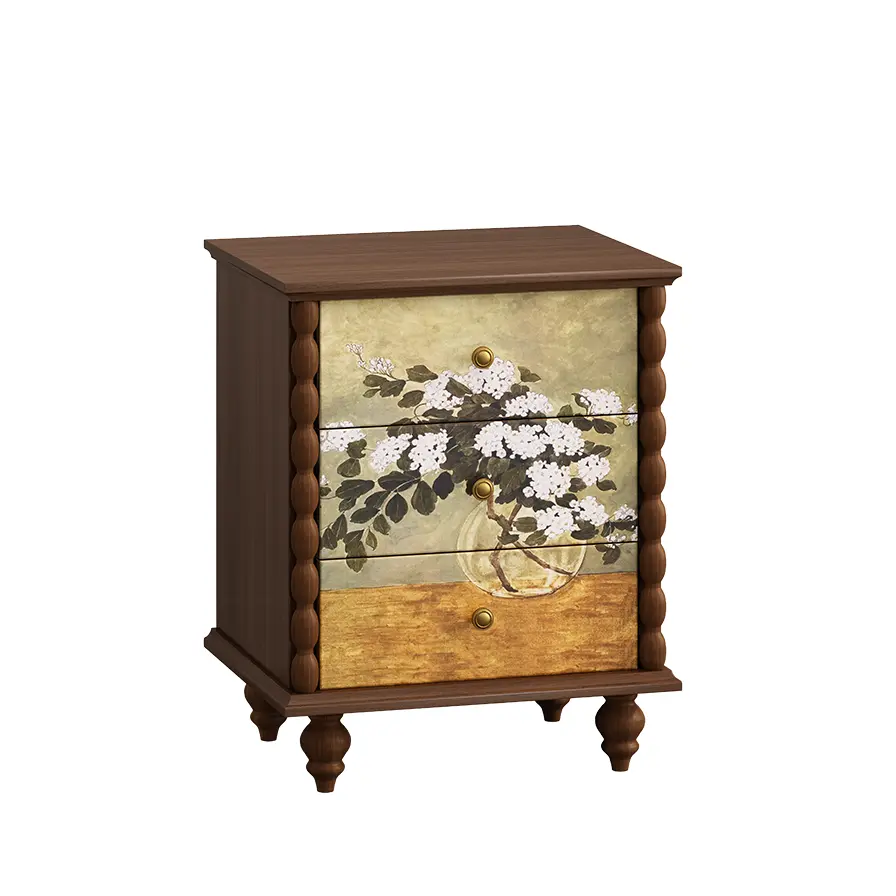
Conclusion: Building Successful OEM Partnerships
Choosing the right tall dresser OEM is critical for success in high-end custom furniture. Focus on quality, customization, and reliability.
Brands like Essent Home benefit from such collaborations, offering clients tailored solutions. By partnering with a skilled tall dresser oem, businesses can deliver exceptional furniture that meets international standards.
Frequently Asked Questions
Q1: What does OEM mean in the context of tall dresser manufacturing?
A1: OEM stands for Original Equipment Manufacturer. It refers to companies that produce tall dressers based on another brand's designs and specifications, handling the entire manufacturing process.
Q2: How do I ensure quality when working with a tall dresser OEM?
A2: Request samples, visit the factory if possible, and review their quality control certifications. Establish clear quality standards in your contract and conduct regular inspections during production.
Q3: What is the typical minimum order quantity for a tall dresser OEM?
A3: Minimum order quantities vary by OEM, often ranging from 50 to 500 units. Discuss your needs upfront, as some may accommodate smaller batches for high-end custom projects.
Q4: Can an OEM handle custom designs and unique materials?
A4: Yes, most specialized OEMs offer customization. They can work with specific materials like exotic woods or custom finishes, but confirm their capabilities and lead times during the initial consultation.
Q5: How long does the OEM process take from design to delivery?
A5: The timeline depends on design complexity and order size. Typically, it takes 10 to 20 weeks, including prototyping, production, and shipping. Plan with the OEM to set realistic deadlines.