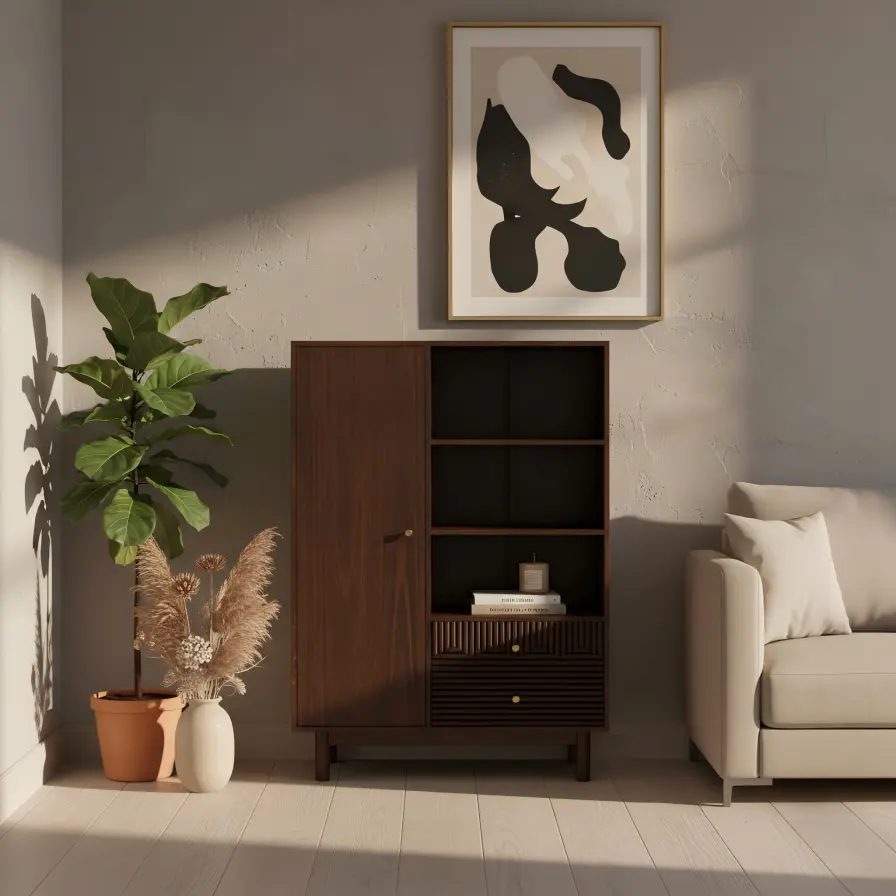
The focal point of the modern living room has shifted. While the screen itself draws the eye, the furniture supporting it defines the aesthetic of the space. For interior designers, retailers, and contractors, sourcing media units is no longer just about finding a table that holds a television. It is about architectural integration and functional elegance.
Finding a tv stands wholesaler that can deliver high-end quality at scale is a common hurdle in the industry. The market is saturated with mass-produced, flimsy units that fail to meet the standards of luxury residential or boutique commercial projects. Professionals need partners who understand that a media console is a piece of fine furniture. Brands like Essent Home have recognized this shift, moving away from generic production to offer pieces that feel bespoke, even when purchased in volume.
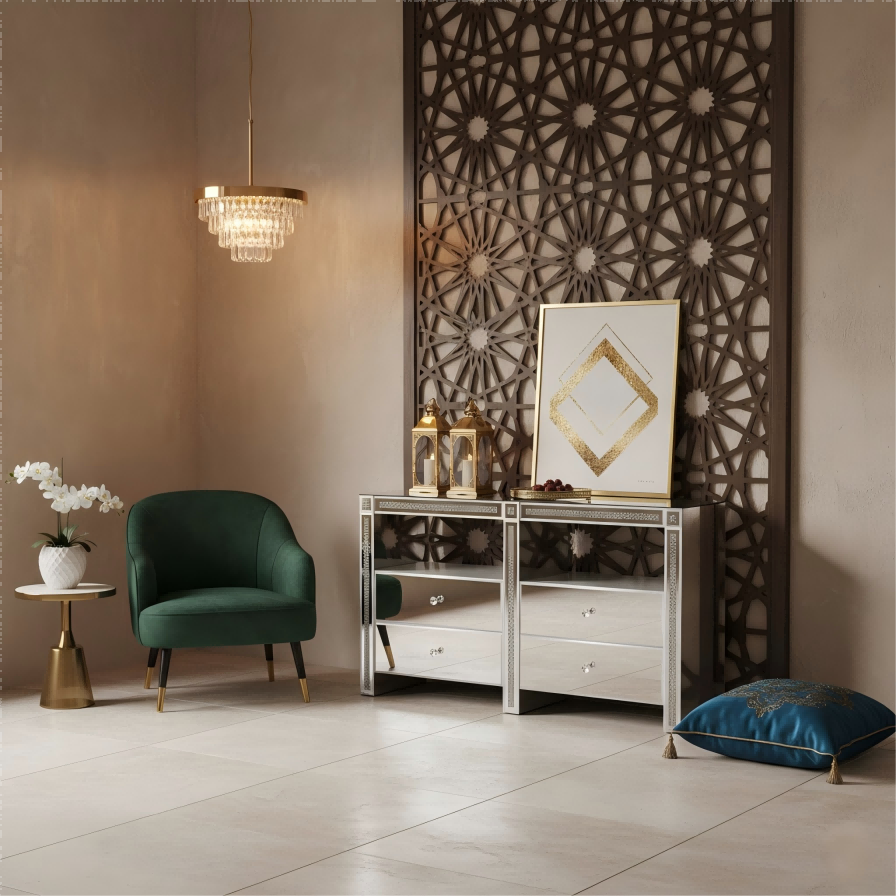
When vetting a potential supplier, the conversation must start with materials. In the luxury sector, the "bones" of the furniture are just as important as the finish. A glossy photo can hide a lot of structural sins.
Solid Wood and Premium Veneers
High-end clients rarely accept melamine or low-grade particle board for prominent furniture pieces. You need a wholesaler that offers solid wood structural components or high-grade plywood cores.
When veneers are used, they should be thick, architectural-grade slices of real wood like walnut, oak, or teak, rather than printed laminates. The tactile experience matters. When a user runs their hand along the top of the stand, it should feel substantial and warm, not plastic and hollow.
Metal and Mixed Media
Modern design often calls for mixed materials. A capable supplier will have the manufacturing capacity to integrate metal frameworks, brass accents, or tempered glass doors seamlessly. Welding points should be clean and invisible, and powder coats must be durable enough to resist chipping from vacuum cleaners or foot traffic.
Installation Styles: What a Versatile Wholesaler Should Offer
The structural requirements of a project often dictate the furniture choice. A rigid supplier who only offers one type of installation will limit your ability to serve diverse clients. A professional tv stands wholesaler should provide a catalog that covers the full spectrum of installation methods.
The Rise of Floating Units
Wall-mounted or "floating" TV stands are increasingly popular in contemporary apartments and hotels. They save floor space and create a clean, airy look. However, they require rigorous engineering.
Your supplier must provide units with heavy-duty mounting brackets capable of supporting not just the units weight, but the weight of large televisions and internal components. If the wholesaler cannot provide load-bearing certifications or detailed installation guides for these units, it is a risk to your reputation.
Freestanding and Plinth Base Designs
While floating units are trendy, freestanding consoles remain a staple for their ease of installation and storage capacity. Look for designs that feature recessed plinth bases or elegant legs that allow for easy cleaning underneath. The stability of these units is paramount, especially when supporting 75-inch or larger screens.
Navigating Dimensions and Custom Shapes
One size rarely fits all in custom interior design. Standard 60-inch consoles look dwarfed beneath the massive screens that are now standard in home theaters.
Scaling for Large Formats
A top-tier tv stands wholesaler needs to offer extra-long units—spanning 80, 90, or even 100 inches. Finding these lengths in the wholesale market can be difficult, as they pose shipping challenges. However, suppliers dedicated to the high-end market will have crating and logistics solutions to deliver these oversized pieces safely.
Customization for Unique Floor Plans
Sometimes a straight console doesnt work. You might need a corner unit that doesnt look like a relic from the 1990s, or a low-profile unit for a room with floor-to-ceiling windows.
Working with a brand like Essent Home, which emphasizes design flexibility, allows buyers to request modifications. This might mean adjusting the depth to fit a narrow hallway or changing the internal shelf height to accommodate specific audio-visual equipment.
Design Trends and Functional Aesthetics
Aesthetics draw the client in, but functionality keeps them happy. The best furniture manages to hide the mess of modern technology while keeping it accessible.
Advanced Cable Management
There is nothing luxurious about a tangle of wires. Wholesale units intended for the luxury market must feature thoughtful cable management.
This goes beyond a simple hole in the back panel. Look for ventilated backings to prevent electronics from overheating, and internal channels that guide wires from one compartment to another. A clean look requires that no cables are visible once the installation is complete.
IR-Friendly Doors and Hidden Storage
Clients want to hide their cable boxes and gaming consoles, but they still want the remote to work. High-end wholesalers often offer options with IR-friendly glass or slatted wood doors that allow remote signals to pass through while obscuring the devices inside. This blend of concealment and utility is a hallmark of thoughtful design.
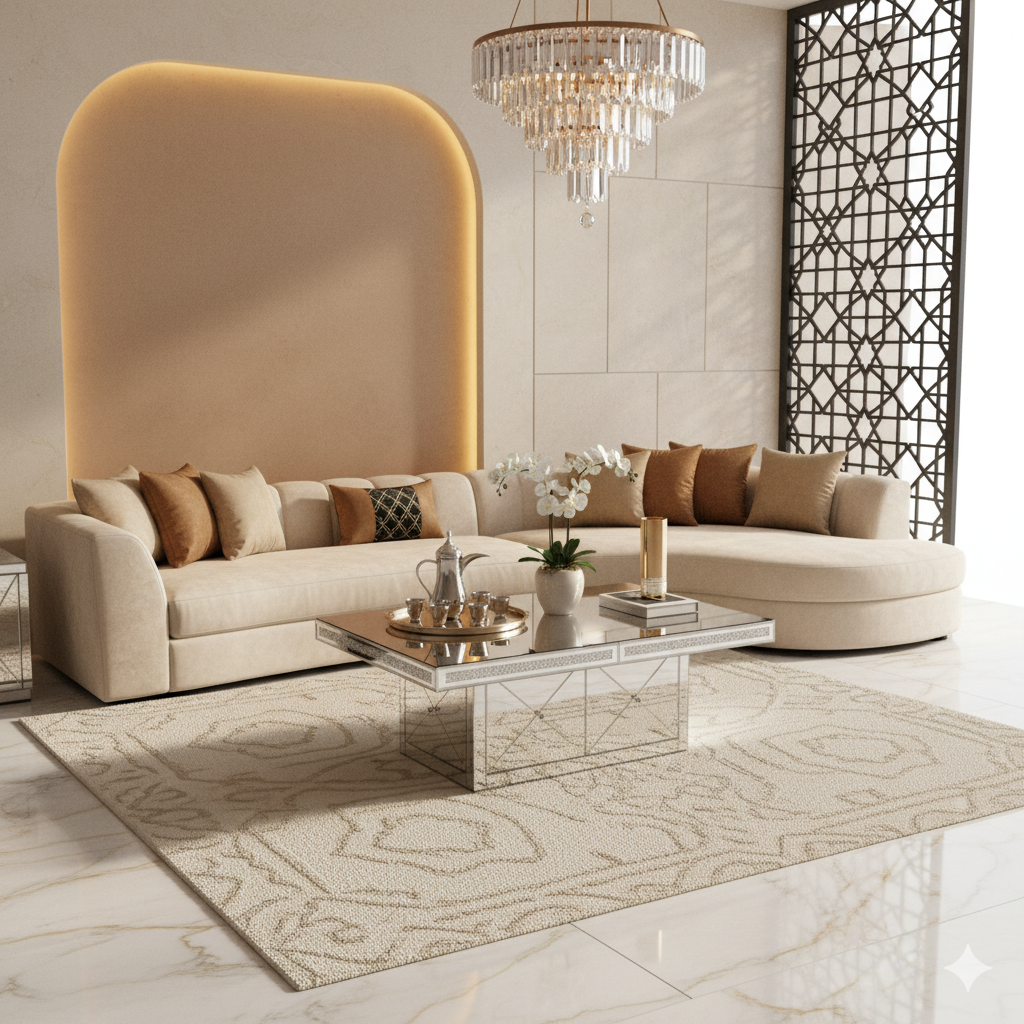
Balancing Budget with High-End Expectations
In the B2B world, margins matter. However, cutting costs on the product usually leads to higher costs in returns and complaints.
The Cost of Hardware
When negotiating with a wholesaler, inspect the hardware. Soft-close hinges and under-mount drawer slides should be non-negotiable standards for luxury projects. If a drawer slams shut or wobbles on its track, the entire perception of quality vanishes.
It is often worth paying a slightly higher unit price to ensure that the moving parts—the components that suffer the most wear and tear—are from reputable hardware brands.
Shipping and Assembly
Consider how the units arrive. Flat-pack (Ready-to-Assemble) reduces shipping costs significantly, which is great for the budget. However, the assembly system must be robust. Cam-locks are standard, but high-end RTA furniture should use metal-to-metal connections for rigidity.
Alternatively, fully assembled units save labor costs on-site but increase freight charges. A good partner will help you calculate the most cost-effective method for your specific project location.
The market for media furniture is evolving. Clients demand pieces that serve as the anchor of their living space, requiring a blend of durability, beauty, and technical function. For retailers and designers, the goal is to find a tv stands wholesaler that views themselves as a collaborator rather than just a vendor.
It is about finding a balance between the efficiency of wholesale purchasing and the nuance of custom design. Whether you are stocking a boutique showroom or outfitting a luxury condo development, prioritizing material quality and intelligent design is key. Companies like Essent Home are setting a positive example in this space, proving that wholesale furniture can meet the exacting standards of the international luxury market. Choose your partners carefully, and your projects will stand the test of time.
Frequently Asked Questions
Q1: What is the standard weight capacity for wholesale TV stands?
A1: Weight capacity depends on the design and materials. A high-quality freestanding unit should support at least 150-200 lbs to accommodate large TVs and heavy amplifiers. Floating units typically have lower limits, often around 80-100 lbs, and rely heavily on proper installation into wall studs.
Q2: Can I request custom finishes to match other furniture in my project?
A2: Many high-end wholesalers offer a "finish to match" service for large orders. This allows you to coordinate the TV stand with coffee tables or sideboards. This usually requires a longer lead time and a minimum order quantity (MOQ).
Q3: How do you handle shipping for extra-long media consoles?
A3: Units over 80 inches are often shipped via freight carrier on pallets rather than standard parcel services to prevent breakage. They may be crated in wood for extra protection. Always check if the wholesaler offers "lift gate" delivery if you do not have a loading dock.
Q4: Do your TV stands come with warranties?
A4: Yes, reputable wholesalers typically provide a warranty ranging from 1 to 5 years. This covers manufacturing defects such as warping wood, peeling veneers, or faulty hinges. Normal wear and tear is usually not covered.
Q5: What is the advantage of slatted door designs?
A5: Slatted doors are functional as well as aesthetic. They provide ventilation for hot electronics (like gaming consoles or receivers) and allow infrared (IR) remote control signals to pass through, so you can operate devices without opening the cabinet doors.