In high-end interior design, the entry table (console table) serves as both
the first tactile experience and a functional anchor for the space. Selecting
the right entryway table
supplier directly impacts project timelines, finish consistency,
and long-term client satisfaction. However, not all suppliers operate at the
same manufacturing depth. This guide outlines the technical, logistical, and
material-specific criteria that architects, interior designers, and procurement
specialists should verify before placing volume orders. Essent Home applies these
principles across its custom furniture division, delivering dimensionally stable
entry tables for boutique hotels and private residences.
1. Material Integrity: The Foundation of a Reliable Entryway Table
Supplier
A console table experiences daily contact — keys, bags, decorative objects,
and seasonal rearrangements. Substrate and veneer selection determine whether
the piece remains flat and beautiful after five years or develops warps, cracks,
or finish failure.
Solid wood species: Oak, walnut, and ash are preferred for
their Janka hardness (above 1,200 lbf for white oak). A qualified entryway table
supplier specifies kiln-dried lumber (6–8% moisture content) to
prevent post-delivery movement. Avoid suppliers using green lumber or
high-sapwood content.
Engineered substrates for painted finishes: For lacquered
or painted entry tables, the core should be multi-ply birch or poplar plywood
(13 layers minimum for 18mm thickness) or MDF with density above 750 kg/m³.
Low-density MDF (below 650 kg/m³) absorbs moisture unevenly, causing
telegraphing of joints through paint.
Veneer matching: Book-matched or slip-matched veneers on
the tabletop require careful sequence control. A professional custom entry table
manufacturer will provide veneer sequence diagrams for approval
before lamination. Mismatched grain patterns are a common source of rejection in
hospitality FF&E (furniture, fixtures & equipment).
Metal components (legs and accents): Brass or stainless
steel with correct gauge (minimum 2mm for legs) and finish thickness (20 microns
for PVD coating). Powder-coated steel legs require 120–160 micron thickness and
salt spray resistance (ASTM B117) of 300 hours minimum.
Essent Home maintains a material library with certified sourcing documents, including FSC®
chain-of-custody for wood and mill certificates for metal components. This
transparency is expected by LEED project teams and luxury specifiers.
2. Joinery and Construction: What Separates Contract Grades
Mass-market entry tables often rely on cam locks and dowels — acceptable for
residential use but insufficient for high-traffic lobbies or rental properties.
A serious entryway
table supplier for contract projects uses proven joinery.
Mortise and tenon: For solid wood frames, through-mortise
or blind mortise with shoulders ensures racking resistance. Minimum tenon length
should be 2x the tenon thickness.
Corner blocks and glue blocks: All square corners need
glued-and-screwed corner blocks (50x50x12mm) to maintain squareness during
shipping and use. Absence of corner blocks leads to loosening within 18
months.
Dovetail drawers (if applicable): Half-blind dovetails for
front joints, through dovetails for rear. Drawer bottom thickness should be 6mm
plywood captured in a groove, not stapled.
Kickers and levelers: Adjustable nylon glides (8mm thread,
30mm height range) allow installation on uneven flooring — a standard
requirement for hotel guest corridors. Fixed feet are insufficient for contract
use.
Before contracting a volume order, request photographs of unfinished joinery
from three random pieces from the same batch. This inspection method reveals
whether the entryway
table supplier consistently applies proper construction techniques
or only showcases pre-production samples.
3. Finish Durability: Testing Standards for Entry-Level Surfaces
The entry table receives more abrasion, chemical exposure (hand sanitizers,
perfumes), and sunlight than a dining table. Finishes must pass specific ASTM or
ISO tests.
Conversion varnish or 2K polyurethane: For wood surfaces,
conversion varnish (catalyzed) offers superior resistance to water rings and
ethanol. Minimum requirement: 3 sprayed coats, sanded between coats, with final
cured thickness of 80–100 microns. Check for cross-hatch adhesion (ASTM D3359)
rating 4B or 5B.
Polyester finishes for high-gloss: High-gloss polyester
(90+ gloss units) requires a sealed substrate and multiple buffing stages. A
competent custom
entry table supplier will provide gloss meter readings at three
points per tabletop, with maximum deviation of 5 GU.
Metal finish testing: For painted metal legs, ask for
impact resistance (ASTM D2794) and pencil hardness (ASTM D3363) of at least 2H.
For plated brass, verify copper-nickel-chromium layer sequence with thickness of
25 microns minimum.
UV stability: For entryways with direct sunlight, finishes
should pass QUV accelerated weathering (ASTM G154) for 500 hours with less than
2 ΔE color change. Many standard lacquers fail after 200 hours, leading to
yellowing within one year.
Specifiers should request a finish sample board with the exact coating system
proposed. Test it with 70% isopropyl alcohol (common hand sanitizer) for 1
minute — any whitening or softening indicates inadequate cross-linking, and the
entryway table
supplier should reformulate.
4. Custom Dimensions and Proportions for Different Entry Types
Standard 120cm x 35cm x 76cm tables do not fit all floor plans. A
professional entryway table
supplier offers engineering for non-standard dimensions while
maintaining structural integrity.
Narrow entries (apartments, townhouses): Depth limited to
25–30 cm. For such shallow tables, require cross-bracing or a steel subframe to
prevent wobble. Standard joinery without bracing will rack when a door closes
nearby.
Double-height foyers (hotels, corporate lobbies): Height
may extend to 86–91 cm to balance larger art pieces. However, taller tables
require thicker legs (≥4 cm diameter or 5x5 cm square) to maintain visual and
structural proportion. Provide finite element analysis (FEA) simulation for load
capacity above 50 kg.
Corner entry configurations: Triangular or quarter-round
tabletops require CNC-cut substrates and specialized edge banding. Verify that
the supplier’s 5-axis CNC can handle complex geometries without visible tool
marks.
Integrated power and data: Many commercial entries now
include wireless charging pads or pop-up outlets. This requires UL/CE-certified
components and a recessed under-table mounting bracket. Not every entryway table
supplier has UL shop approval — ask for certification.
Essent Home provides full CAD engineering and load-test reports for all custom sizes. For a
recent 45-unit luxury apartment lobby, the team produced 32 different entry
table dimensions with consistent radii and finish matching across all pieces — a
requirement most suppliers cannot fulfill.
5. Logistics and Packaging: B2B Requirements from a Entryway Table
Supplier
Even a perfectly manufactured table becomes a liability if it arrives damaged
or with missing parts. Evaluate packaging protocols and shipping terms.
Corner protection: High-density foam (≥30 kg/m³) covering
all 8 corners, plus double-wall cartons (200 lb test). For glass or marble tops,
a wooden crate with internal suspension is mandatory.
Knock-down (KD) vs. assembled shipping: KD saves freight
cost but requires clear assembly instructions and pre-installed insert nuts.
Verify that all fasteners are zinc-plated or stainless steel; avoid black oxide
screws which rust in humid storage.
Lead time and buffer stock: A contract supplier should
maintain 10-15% buffer stock of commonly ordered finishes to replace any unit
damaged in transit. Ask about their “rapid replacement” policy — industry
standard is 5 business days for reshipment.
Inspection at origin: Third-party pre-shipment inspection
(SGS, TÜV, or Bureau Veritas) is recommended for orders exceeding 50 units. The
cost ($500–$800 per inspection) is typically split between buyer and supplier
for long-term relationships.
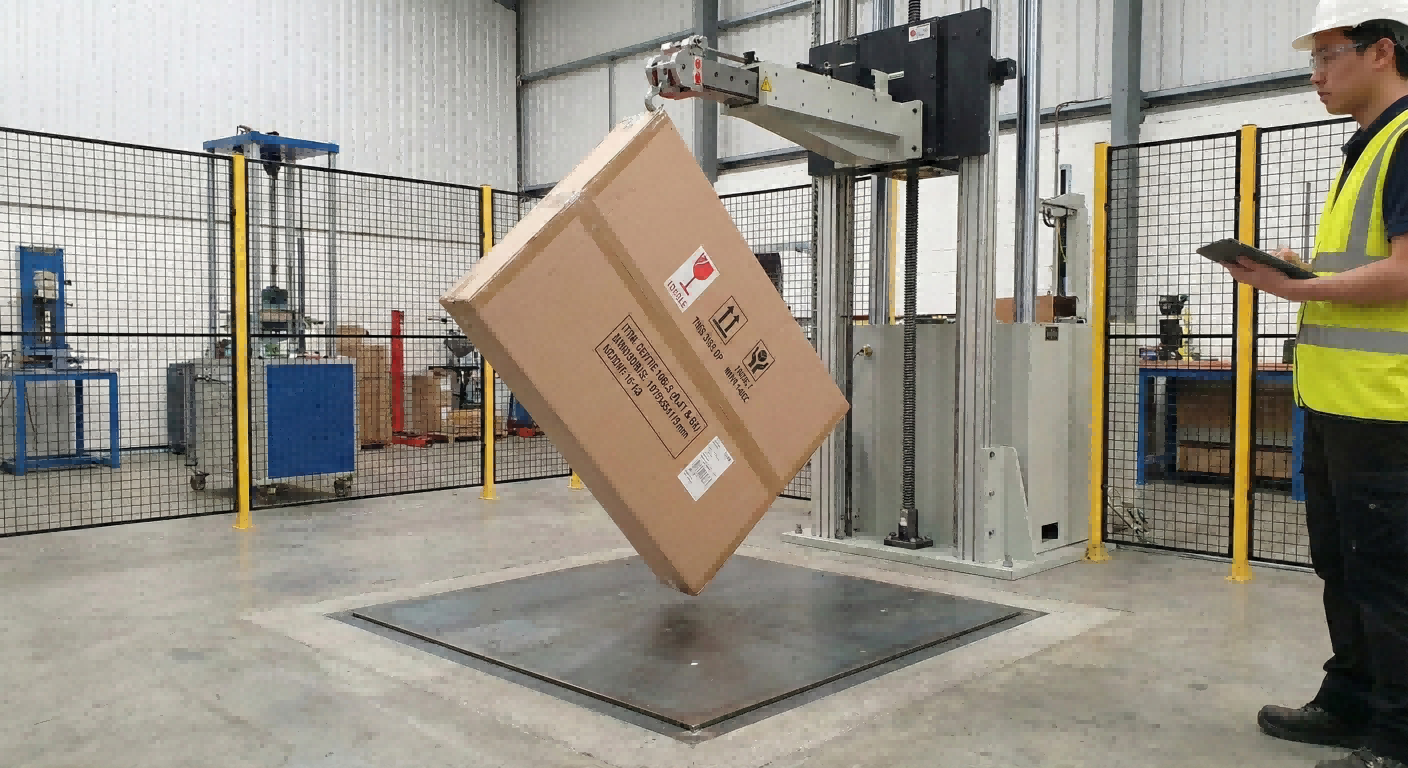
Ask the entryway
table supplier for a packaging test video showing a carton drop
from 60 cm onto concrete. Many will refuse — those who comply demonstrate
genuine quality control.
6. Quality Audit Checklist Before Long-Term Contract
Before signing a volume agreement, conduct a site visit or remote audit
covering these points:
Moisture meter reading of incoming lumber (≤8% for temperate
hardwoods).
Calibration records for sanding equipment (last service date and belt grit
sequence).
Finish booth cleanliness — dust particles >50 microns cause visible
defects.
Randomly select three finished tables from inventory, disassemble one joint
to verify glue coverage (should be >90% of mating surfaces).
Ask for two years of customer return records — the rate should be below 1.5%
for furniture items. Higher rates indicate systemic issues.
A transparent entryway table
supplier will provide these records and a corrective action report
for past defects. Essent
Home maintains a public-facing quality scorecard updated
quarterly.
7. Frequently Asked Questions (FAQ)
Q1: What is the typical minimum order quantity (MOQ) for a custom
entryway table
supplier in the contract furniture
segment?
A1: For fully custom dimensions and
finishes, MOQ usually starts at 10–20 units. For modifications of existing
designs (e.g., changing width or wood species), MOQ can be as low as 5 units.
Some suppliers, including Essent
Home, offer a sample unit (1 piece) at a 2x price to validate
design before series production. Avoid any supplier demanding MOQ above 50 units
for first-time collaboration — it restricts your ability to test quality.
Q2: How do I verify if an entryway table
supplier meets fire safety regulations for commercial projects
(e.g., California Technical Bulletin 117-2013)?
A2: Request a test report from an accredited lab (UL, Intertek, or SGS) showing that
the foam, fabric (if upholstered), and wood composite meet TB 117-2013 smolder
resistance. For solid wood without upholstery, no additional fire treatment is
required, but the finish must pass flame spread index (ASTM E84) below 200. Many
entry tables with polyurethane foam cores fail this test — specify polyester
fiberfill as an alternative.
Q3: What lead time should I expect from a reputable entryway table
supplier for 30–50 units?
A3: Standard
lead time ranges 45–70 days from approved sample. This includes 14 days for
material procurement (kiln-dried lumber, veneer, hardware), 21 days for
production (CNC cutting, assembly, sanding, finishing), 7 days for curing (for
catalyzed finishes), and 7–14 days for packing and quality control. Suppliers
claiming 25-day lead time for custom finishes likely skip curing or outsource
finishing — leading to off-gassing odor and tacky surfaces.
Q4: Can a single entryway table
supplier handle both solid wood and metal fabrication
in-house?
A4: Yes, but verify separately. Many
furniture suppliers outsource metal legs to third-party workshops, causing color
mismatch between painted wood and powder-coated metal. Request proof of in-house
metal fabrication: welding certifications (AWS D1.3 for thin gauge), an oven for
powder coating (minimum 200°C cure), and a profilometer for surface roughness
(Ra ≤ 1.6 µm for painted metal). Essent Home operates a combined
wood and metal shop under one roof, enabling strict color and finish
coordination.
Q5: What warranty terms are standard from a professional entryway table
supplier for contract use?
A5: Minimum
3-year warranty against manufacturing defects (joint separation, finish
delamination, veneer blistering). For hospitality projects with high turnover
(rental properties, hotels), request a 5-year warranty. The warranty should
explicitly cover labor and shipping for replacement pieces. Avoid suppliers
offering only “limited” coverage that excludes finish fading or normal wear —
these terms often lead to disputes.
Q6: How does the choice of entryway table
supplier affect the overall project LEED v4
credits?
A6: A supplier can contribute to MR Credit
(Building Product Disclosure and Optimization) if they provide Environmental
Product Declarations (EPDs) or Health Product Declarations (HPDs) for wood and
finishes. Also, sourcing wood from FSC-certified forests adds points. Before
selecting, ask the supplier for their material transparency documents. Many
mid-tier suppliers have none, forcing you to forfeit up to 3 LEED points.
Partnering with the Right Entryway Table
Supplier Protects Your Reputation
The difference between a mediocre and an excellent entry table is not visible
in product photos — it emerges after 18 months of daily use. By evaluating
material integrity, joinery methods, finish durability, custom engineering
capability, and logistics transparency, you separate professional entryway table
supplier from assemblers. Essent Home has supplied over
200 contract projects across North America and Europe, maintaining a defect rate
below 0.7% for three consecutive years.
Ready to discuss your entry table specification or request a
sample?
Contact the Essent Home contract division
directly. Provide your target dimensions, finish samples (or color codes), and
anticipated annual volume. The team will respond with a technical CAD drawing,
material proposal, and transparent lead time within 48 hours.
Submit your inquiry at https://essentfurniture.com/ – reference
“Entryway table spec” for a priority review by our project engineering
team.