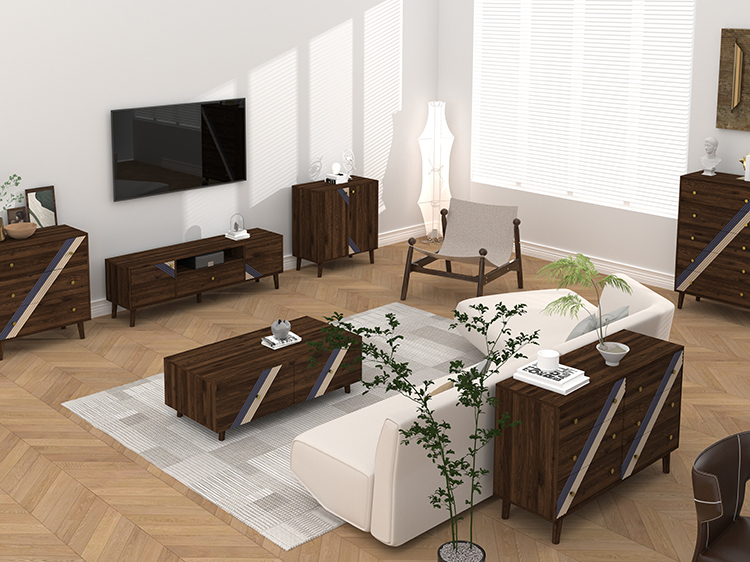
In the realm of high-end hospitality, luxury residential developments, and
boutique commercial interiors, the nightstand with
drawers OEM segment represents a critical intersection of design
integrity, material science, and supply chain precision. For procurement
managers, interior designers, and property developers, the decision to partner
with an OEM manufacturer goes far beyond aesthetics—it is a strategic commitment
to durability, lifecycle cost management, and brand consistency. This article
provides a comprehensive, data-driven exploration of the technical
specifications, manufacturing processes, and quality assurance protocols that
define world-class OEM production for bedside case goods, drawing on industry
best practices and the rigorous standards observed at Essent
Home.
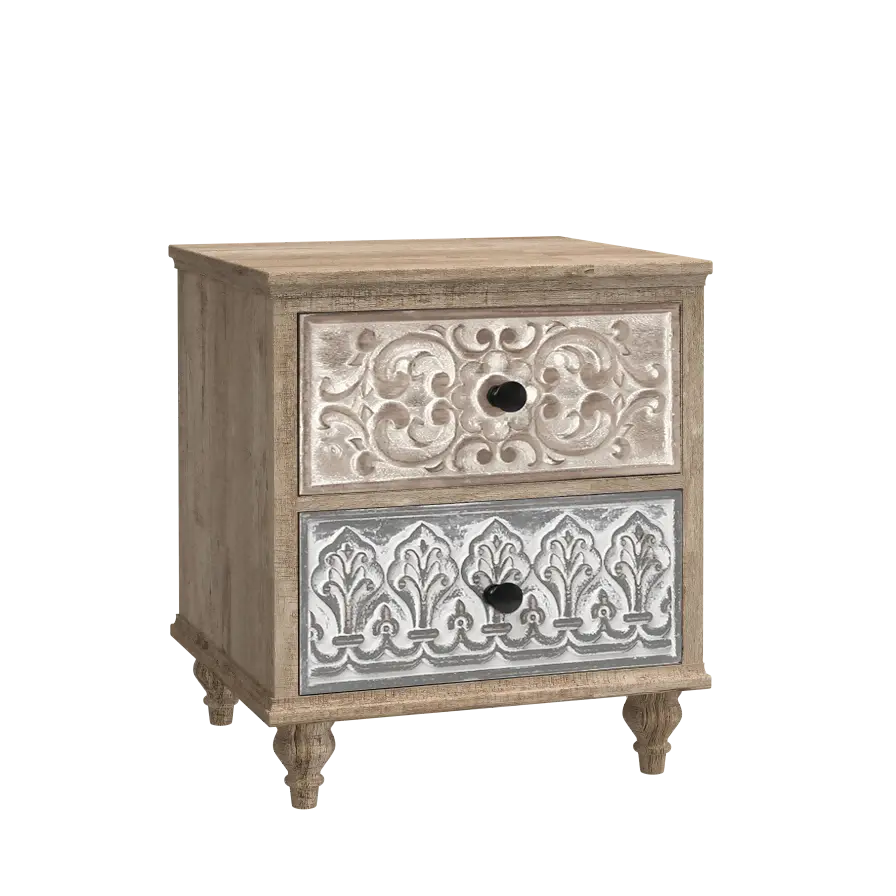
1. The Technical Anatomy of a High-Performance Nightstand with Drawers OEM
Solution
When specifying a nightstand with drawers OEM, the
conversation must begin with structural integrity and material provenance.
Unlike retail-grade furniture, OEM projects for hospitality or high-end
residential use demand materials that withstand high-frequency use, climate
variations, and rigorous cleaning protocols. The foundation lies in substrate
selection: high-density engineered wood (such as birch plywood with a core
density exceeding 700 kg/m³) or sustainably sourced solid hardwoods (oak,
walnut, or ash) with a moisture content stabilized between 6-8% to prevent
warping in varying environments.
Advanced OEM manufacturers employ CNC machining centers with 5-axis
capability to achieve tolerances of ±0.1mm, ensuring that drawer components
align perfectly for smooth gliding and consistent reveals. The drawer box
construction itself is a critical indicator of quality: dovetail joinery with
7-10mm thick sides, or mortise-and-tenon joints for solid wood frames,
significantly outperform cam-lock or staple-based assemblies in long-term
durability tests. For a project specifying a nightstand with drawers
OEM, specifying full-extension, soft-close undermount slides (rated for
100 lb dynamic load and 50,000 open-close cycles) is non-negotiable for luxury
applications.
2. Material Science and Finishing Protocols: From Substrate to Surface
Surface durability is where many OEM projects succeed or fail. The finishing
process for a premium nightstand with drawers OEM should
involve a multi-stage sanding sequence (120 to 320 grit) followed by a catalyzed
conversion varnish or UV-cured polyurethane. These industrial-grade finishes
achieve a König hardness rating above 120 seconds and pass chemical resistance
tests (acetone, alcohol, coffee) per ASTM D1308 standards. For projects
requiring low-VOC or Greenguard Gold certification, water-based acrylic
urethanes with cross-linkers provide comparable performance.
Material selection extends to hardware and accent components. OEM
manufacturers with vertical integration capabilities offer customization in
solid brass, stainless steel (304 grade), or zinc alloy hardware with PVD
(Physical Vapor Deposition) coating—a process that yields corrosion resistance
exceeding 500 hours in salt spray testing. For clients specifying a
nightstand with drawers OEM with integrated wireless charging
or USB ports, UL-listed electrical components with thermal overload protection
are essential to meet commercial building codes and liability requirements.
3. Addressing Industry Pain Points Through OEM Engineering
Experienced sourcing professionals recognize common failure points in
nightstand production: drawer sagging, finish delamination in high-humidity
environments, and inconsistent color matching across large orders. A competent
nightstand with drawers OEM partner mitigates these risks
through:
Predictive Engineering: Finite Element Analysis (FEA)
simulations to optimize drawer side thickness and bottom panel support,
preventing sag even under 25 kg loads.
Climate-Adapted Finishing: Using cross-linked finishes with
flexible elastomeric properties for projects in tropical or desert climates,
preventing micro-cracking.
Spectrophotometric Color Management: Digital color matching
with Delta E (ΔE) values below 1.0 ensures that nightstands produced months
apart maintain exact visual consistency, crucial for phased hospitality
projects.
Another often-overlooked challenge is logistics and packaging. OEM
specialists design corrugated packaging with custom foam inserts and edge
protectors that meet ISTA 3A testing standards, reducing damage rates to under
0.5% for international shipments. This level of detail directly impacts total
cost of ownership and project timelines.
4. OEM Manufacturing Models: Scalability, Compliance, and Lead Time
Optimization
The B2B furniture landscape demands flexibility. Top-tier nightstand
with drawers OEM providers offer tiered engagement models:
Full-Service OEM: From design development (3D CAD,
prototyping, DFM analysis) to production, packaging, and drop-shipping to
project sites. Ideal for developers requiring 500+ units with branded
elements.
Private Label (OEM/ODM Hybrid): Manufacturers produce based
on client’s proprietary designs, handling sourcing of specified materials and
finishes. Typical MOQ ranges from 100–300 units for custom dimensions.
Component Supply: For high-volume contracts, some OEMs
supply knockdown (KD) components with assembly instructions, reducing shipping
volume by up to 40%.
Compliance is a critical part of the value proposition. Reputable OEM
facilities maintain certifications such as BIFMA (for durability and safety),
FSC Chain of Custody, and California Air Resources Board (CARB) Phase 2 for
formaldehyde emissions. For international projects, adherence to European
standards (EN 16122 for domestic storage furniture) or British Standards (BS
4875) demonstrates a commitment to global safety benchmarks. Partnering with an
established nightstand with drawers OEM manufacturer like
Essent
Home ensures that all compliance documentation and testing reports
are provided as part of the quality package.
5. The Role of Lean Manufacturing and Supply Chain Resilience in OEM
Partnerships
In an era of supply chain volatility, the operational maturity of an OEM
partner is a strategic asset. Leading manufacturers in the nightstand
with drawers OEM sector implement lean principles, including
Just-In-Time (JIT) inventory for raw materials and cellular manufacturing
layouts that reduce lead times. For instance, a manufacturer with vertically
integrated wood processing, finishing, and assembly can offer lead times of 8–12
weeks for custom orders, compared to 16–20 weeks for non-integrated
competitors.
Supply chain transparency is equally vital. OEM providers that maintain
buffer stocks of high-turnover components (drawer slides, fasteners, veneers)
and dual-source critical materials mitigate disruption risks. During the
pre-production phase, a detailed critical path method (CPM) schedule should be
provided, outlining milestones from material procurement to first article
inspection and container loading. This level of operational visibility allows
procurement teams to align with construction schedules precisely.
6. Design for Manufacturing (DFM): Balancing Aesthetics with Production
Efficiency
For interior designers and architects, the creative vision often encounters
production constraints. A sophisticated nightstand with drawers
OEM engagement involves DFM analysis—a collaborative process where
manufacturing engineers assess the design for cost-effectiveness, structural
integrity, and repeatability. Common DFM optimizations include:
Standardizing drawer sizes across multiple SKUs to optimize panel yield
(achieving 85-90% material utilization vs. 65% for non-optimized designs).
Designing drawer fronts with consistent radius edges that can be processed
on CNC routers without manual sanding bottlenecks.
Specifying finish sheen levels (e.g., 35% gloss) that hide minor handling
marks during installation, a practical consideration for high-traffic
environments.
This collaborative approach not only reduces unit costs by 10-15% but also
ensures that the final product meets durability targets without compromising the
designer’s intent.
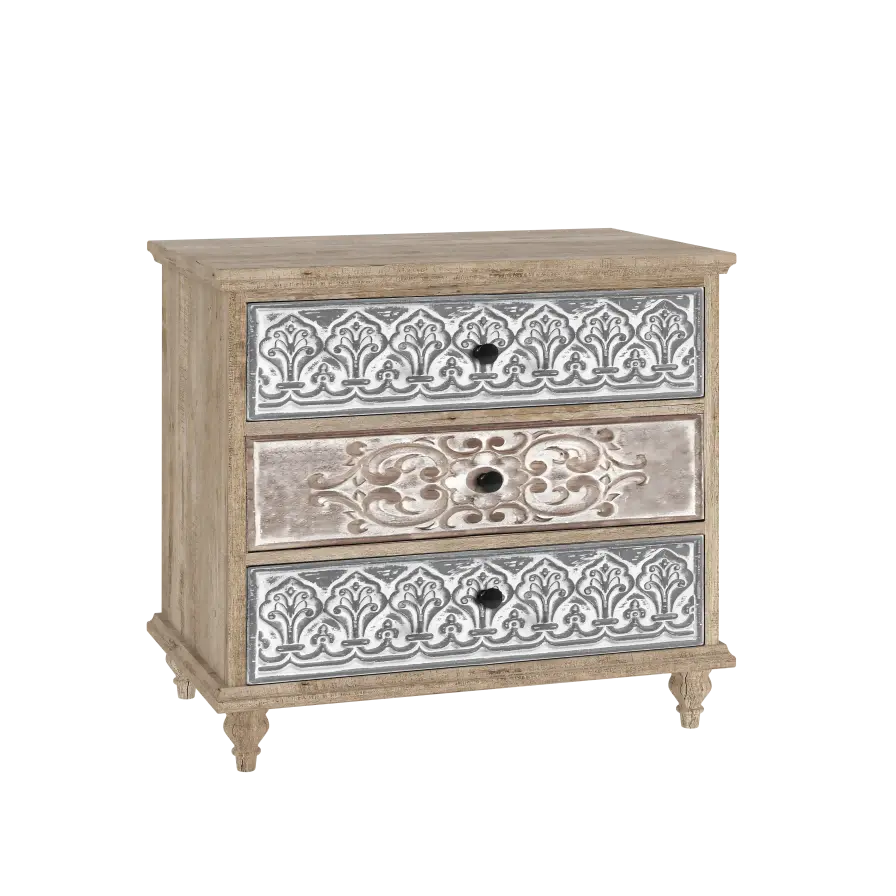
7. Quality Assurance Protocols: From First Article to Final Shipment
The QA framework for high-end OEM furniture is multi-layered. For a
nightstand with drawers OEM project, expect the following
checkpoints:
First Article Inspection (FAI): A complete dimensional and
functional evaluation of pre-production samples against approved drawings. This
includes hardness tests on finishes, drawer slide cycle tests, and structural
load testing.
In-Process Quality Control (IPQC): Audits at critical
stages: after CNC routing, before finishing, and during assembly. Statistical
process control (SPC) tracks defect rates by process stage.
Pre-Shipment Inspection (PSI): Random sampling per ANSI/ASQ
Z1.4 standard, evaluating packaging integrity, final assembly, and cosmetic
standards under standardized lighting (500 lux).
Advanced manufacturers provide digital quality dashboards accessible to
clients, offering real-time visibility into defect rates, on-time delivery
metrics, and corrective action reports. This data-driven approach builds trust
and enables continuous improvement across production runs.
8. Sustainability and Lifecycle Considerations in OEM Furniture
Sourcing
Environmental responsibility is now a core procurement criterion. Leading
nightstand with drawers OEM manufacturers integrate
sustainability into their operations through:
Use of waterborne adhesives and finishes that reduce VOC emissions by 70-90%
compared to solvent-based alternatives.
Implementation of closed-loop filtration systems in finishing booths,
capturing overspray and reducing hazardous waste.
Offering take-back programs for end-of-life furniture, where components are
disassembled and recycled or upcycled.
For projects pursuing LEED v4.1 or WELL certification, sourcing from OEMs
with documented Environmental Product Declarations (EPDs) and Health Product
Declarations (HPDs) contributes to material ingredient optimization credits. The
ability to provide chain-of-custody certification for wood and detailed material
ingredient inventories is becoming a baseline expectation for institutional and
corporate buyers.
Strategic OEM Partnerships as a Competitive Advantage
The decision to engage a specialized nightstand with drawers
OEM manufacturer is not merely a transactional purchase—it is a
strategic partnership that impacts project profitability, brand reputation, and
operational efficiency. From the rigor of material science and precision joinery
to supply chain resilience and sustainability reporting, the depth of an OEM’s
capabilities directly translates to reduced risk and superior end-user
experiences. For developers, hospitality groups, and design firms seeking a
partner with proven expertise in high-complexity projects, the technical
infrastructure and quality-centric culture at Essent
Home exemplify the standards required to excel in the premium
furniture segment. To explore how a tailored nightstand with drawers
OEM solution can align with your next project’s specifications, a
consultative review of manufacturing capabilities is the first step toward
operational excellence.
Frequently Asked Questions (FAQ) About OEM Nightstand Manufacturing
Q1: What minimum order quantity (MOQ) should I expect for a fully
custom nightstand with drawers OEM project?
A1: MOQ varies based on
complexity. For custom dimensions, finishes, and hardware, most dedicated OEM
manufacturers require an MOQ of 100–300 units to justify tooling, color
matching, and production line setup. For projects involving exclusive designs
with proprietary molds or specialized materials, MOQ may start at 500 units.
However, some OEM partners, including Essent Home, offer
flexible programs for boutique hospitality projects with MOQs as low as 50 units
when using existing component platforms.
Q2: How do I verify the durability and safety compliance of an OEM
nightstand?
A2: Request documentation for BIFMA X5.1 (for general
office and residential furniture) or EN 16122 for European markets. Reputable
manufacturers provide third-party test reports covering stability, drawer cycle
testing (typically 50,000 cycles for soft-close slides), finish chemical
resistance, and structural load tests. Additionally, ask for material safety
data sheets (MSDS) for finishes and adhesives, along with proof of CARB Phase 2
or TSCA Title VI compliance for composite wood products.
Q3: Can an OEM manufacturer match a specific wood species and stain
color exactly to my existing furniture line?
A3: Yes, advanced OEM
providers use spectrophotometric color matching to achieve Delta E (ΔE) values ≤
1.0, ensuring near-perfect color replication. They will request physical samples
of your existing furniture or finish chips. The process involves creating custom
stain formulas and applying them to the selected wood species, with a series of
iterative samples until approval. This service is standard for high-end
hospitality and residential projects.
Q4: What lead times are typical for a custom OEM nightstand order,
and how can they be accelerated?
A4: Typical lead times range from
10 to 16 weeks from design approval to shipment for fully custom orders.
Accelerated lead times (6–8 weeks) are possible with manufacturers that maintain
a “quick-ship” program using pre-engineered components, standardized finishes,
and dedicated production cells. Critical path management—aligning material
procurement with CNC programming and finishing schedules—is essential to meet
tight construction deadlines.
Q5: How do OEM manufacturers handle quality consistency across
large-volume orders that ship in multiple batches?
A5: Consistency
is maintained through rigorous quality management systems. Manufacturers use
digital lot tracking for raw materials, ensuring the same veneer flitch or
plywood batch is used across the order. Spectrophotometric finish control and
standardized assembly jigs eliminate variability. Pre-shipment inspections (PSI)
are conducted per statistical sampling plans, and any deviations trigger
corrective actions before subsequent batches are released. A centralized quality
dashboard provides clients with real-time visibility across production
phases.
Q6: What packaging standards should I specify for international OEM
shipments to minimize damage?
A6: Specify packaging that complies
with ISTA 3A (international transit) or ISTA 1A (basic) standards. For
high-value items, custom foam-in-place packaging, edge protectors, and
double-wall corrugated cartons are recommended. Additionally, require that each
shipping container includes corner blocks and anti-slip sheets to prevent
shifting during transit. A competent OEM will provide a packaging validation
report as part of the quality documentation.