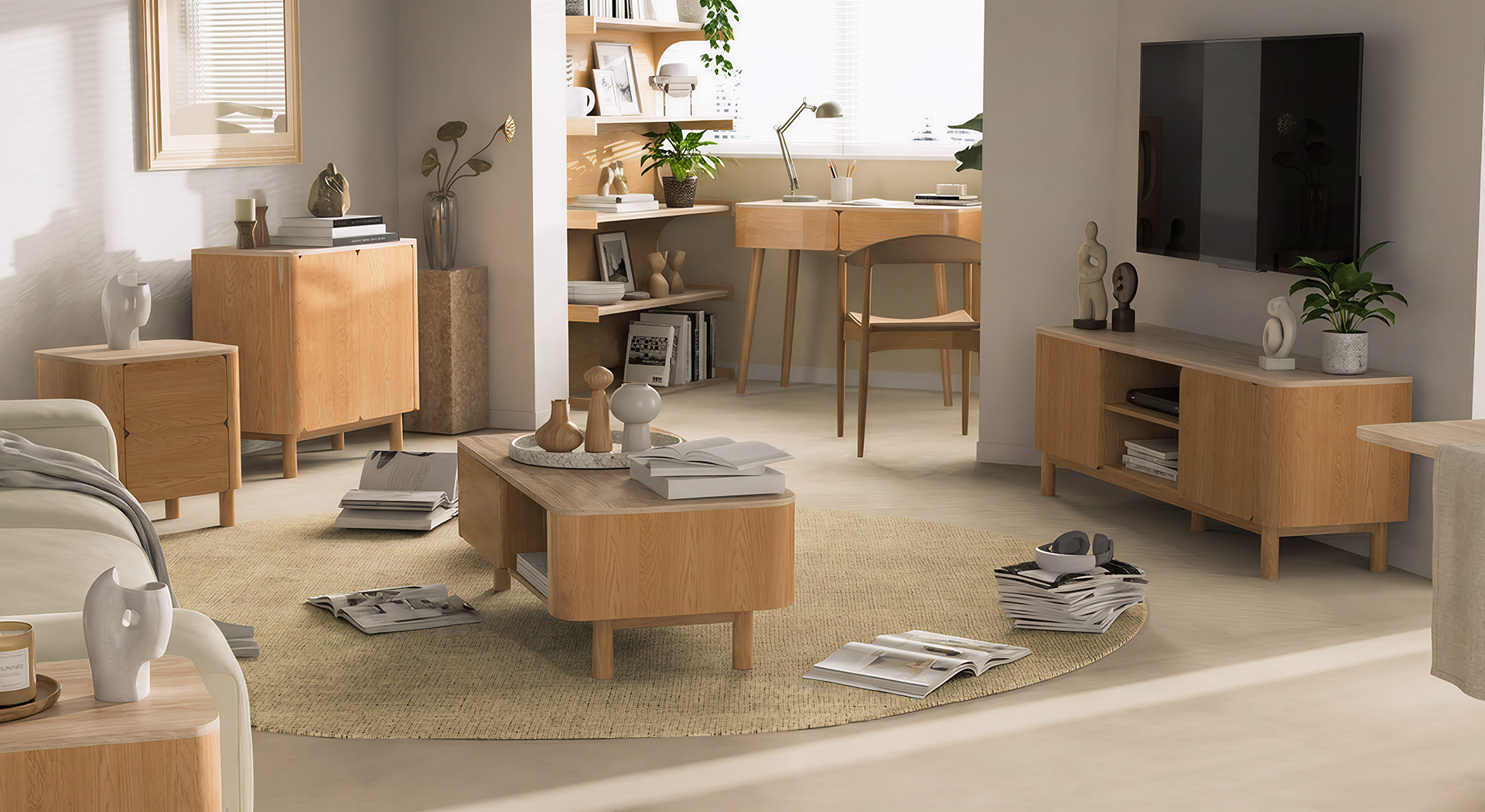
In the luxury hospitality and high-end residential sectors, furniture is not
merely functional; it is a statement of architectural intent. Large-scale
residential developments, boutique hotels, and premium retail brands require
dining furniture that balances uncompromising aesthetic value with long-term
structural durability. For procurement managers, interior architects, and
furniture brands, sourcing a reliable dining room table
oem partner is the pivotal step in converting ambitious design
concepts into reality. Translating complex design drawings into physical,
market-ready products requires specialized manufacturing expertise. This is
where experienced manufacturers like Essent Home bridge the gap
between creative design and precise industrial execution.
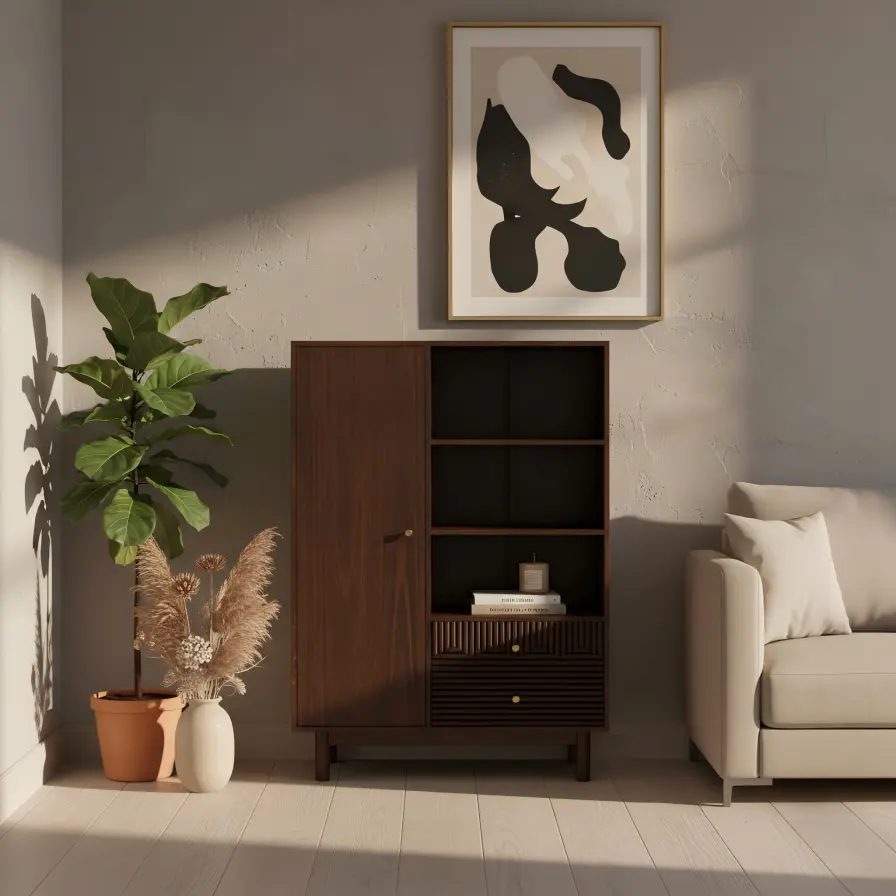
Material Science in Luxury Dining Table Manufacturing
The foundation of any high-end dining table lies in the selection and
preparation of its raw materials. Unlike mass-market furniture, luxury
contract-grade tables must withstand heavy daily use while maintaining their
visual appeal. This requires a deep understanding of wood drying, stone
stabilization, and metallurgy.
Solid Hardwoods and Moisture Equilibrium
Solid wood remains the premier choice for luxury dining table tops. However,
natural wood is anisotropic, meaning its dimensions change in response to
environmental humidity. To prevent warping, splitting, or checking, professional
manufacturers implement strict kiln-drying protocols.
Moisture Content Control: Raw lumber must be kiln-dried to
a precise moisture content of 6% to 8% for temperate export markets (such as
North America and Europe) to prevent structural movement.
Wood Species Selection: Premium species such as American
Black Walnut, European White Oak, and Hard Maple are selected for their dense
grain structures and natural stability.
Substrate Engineering: For veneered tops, utilizing
multi-ply birch plywood or high-density fiberboard (HDF) as a substrate ensures
isotropic stability, preventing the surface from telegraphing
imperfections.
Natural Stone and Marble Integration
Integrating marble, quartzite, or travertine into large dining tables
introduces structural complexities due to the inherent brittleness of natural
stone. High-end manufacturing processes address these challenges through
advanced reinforcement techniques.
Aluminum Honeycomb Backing: To reduce weight and prevent
catastrophic fractures, marble slabs are calibrated and bonded to lightweight
aluminum honeycomb backing panels.
Penetrating Sealers: Stone surfaces receive multi-stage
impregnating sealers that block moisture and oils without altering the natural
matte or polished finish of the stone.
Structural Engineering for Large-Span Dining Tables
Large dining tables, especially those exceeding 2.4 meters in length, are
subject to gravity-induced deflection (sagging) over time. Engineering a table
to remain perfectly flat under its own weight and potential external loads
requires internal structural reinforcement.
Underside Tensioning and Steel Channels
To support heavy solid wood or stone tops without relying on thick, bulky
aprons that compromise legroom, manufacturers embed concealed structural steel
channels into the underside of the table top.
These steel routing channels allow the wood to expand and contract laterally
while restricting vertical movement. For exceptionally long tables, adjustable
tension rods are integrated within the core structure, allowing field
adjustments during installation to maintain a perfectly level surface.
Precision Jointing Systems
The durability of a custom dining table depends on its connection points.
High-end contract tables utilize mechanical jointing systems designed for
high-stress environments.
Threaded Metal Inserts (Rampa Inserts): Rather than using
wood screws directly into the lumber, heavy-duty threaded steel inserts are
embedded into the wood. This allows for repeated disassembly and reassembly
during shipping and installation without weakening the connection.
Traditional Mortise and Tenon: For classic wooden bases,
computerized CNC mortising ensures micron-level precision, which is then
reinforced with industrial-grade PVAc adhesives.
Navigating the OEM Workflow: From CAD to Production
An organized manufacturing workflow is vital for delivering large commercial
orders on schedule. The process of executing a successful dining room table
oem project consists of several distinct stages, each requiring
close collaboration between the client and the engineering team.
1. CAD Drawing and Shop Design Approval
The manufacturing process begins with the translation of the client’s
conceptual sketches or 3D models into highly detailed 2D shop drawings. These
drawings specify exact tolerances, grain directions, hardware specifications,
and joint details. Production only commences once these engineering drafts are
signed off by the client’s design team.
2. The Prototyping (Golden Sample) Phase
Before launching batch production, a 1:1 physical prototype is constructed.
This sample serves several purposes:
Verifying the structural stability of the leg-to-top connection under
simulated loads.
Confirming the color, sheen, and texture of the wood finishes under
different lighting conditions.
Testing the assembly sequence to ensure the table can be easily put together
by on-site installation teams.
3. CNC Machining and Artisanal Hand-Finishing
Modern luxury manufacturing combines automated precision with human artistry.
Five-axis CNC routers machine the components to exact tolerances, ensuring
consistency across hundreds of units. Following machining, skilled craftsmen
hand-sand each component through progressive grits to remove any machine marks
and prepare the wood fibers for finishing.
Industrial Surface Treatments and Coatings
The finish of a dining table determines its tactile quality and its
resistance to daily wear, hot plates, liquid spills, and cleaning chemicals.
Premium commercial furniture must meet stringent durability standards without
sacrificing the natural look of the material.
For high-traffic hospitality settings, multi-layer polyurethane coatings are
applied in dust-free cleanrooms. These coatings are formulated to provide high
scratch resistance while maintaining low VOC emissions, conforming to
international environmental regulations. Essent Home utilizes
specialized finishing lines that apply ultraviolet (UV) cured coatings and
water-based lacquers, ensuring that the finished furniture meets both aesthetic
desires and contract durability specifications.
For residential projects where a more natural feel is preferred, natural oil
and wax finishes are applied. These finishes penetrate deep into the wood pores,
highlighting the natural grain patterns while allowing the wood to breathe.
Verifying Structural Performance and Stability
To ensure that every table leaving the factory floor can perform under
pressure, reputable OEM partners subject their products to standardized physical
testing protocols.
Static Load Testing: Applying downward pressure of up to
200 kilograms on the center of the table top for extended periods to measure
deflection.
Cantilever Load Testing: Placing weights on the extreme
edges and corners of the table to ensure the base configuration prevents
tipping.
Environmental Chamber Cycling: Subjecting material samples
to extreme temperature and humidity swings to verify that adhesive bonds and
wood joints remain intact.
By implementing these rigorous quality control measures, our specialized
dining room
table oem programs ensure that every batch of furniture delivered
meets the highest international performance standards.
Packaging and Export Logistics for High-Value Shipments
A beautifully engineered dining table is only valuable if it arrives at the
installation site in pristine condition. International shipping exposes heavy
furniture to vibrations, drop impacts, and humidity fluctuations. Therefore,
custom packaging engineering is a key component of the manufacturing
process.
Crating and Cushioning Engineering
Each table component is individually wrapped in non-abrasive foam sheets to
protect the finished surfaces from friction damage. For heavy timber tops and
fragile stone surfaces, custom-built plywood crates with internal high-density
polyethylene (HDPE) foam corners are constructed. These crates are certified
under ISPM-15 standards for international wood packaging, ensuring hassle-free
customs clearance.
Container Optimization and Flat-Pack Design
To maximize shipping efficiency and reduce transport footprints, most dining
tables are engineered as knock-down (KD) furniture. The legs, aprons, and tops
are packed flat, minimizing unused space within shipping containers. Detailed
assembly manuals and all necessary specialized hardware are packed with each
unit to guarantee efficient on-site installation.
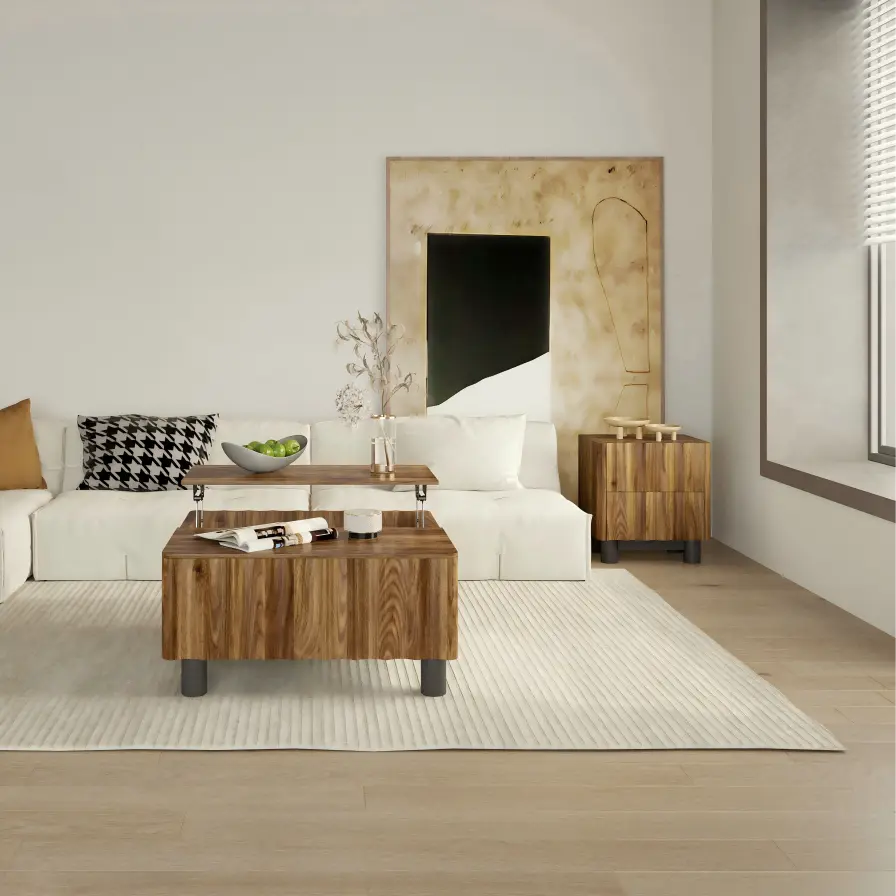
Partnering with a Verified Manufacturing Specialist
Selecting an experienced manufacturing partner is a long-term strategic
decision. Brands require a supplier that not only possesses advanced
manufacturing machinery but also understands the nuances of international supply
chains and quality standards.
By partnering with Essent
Home, procurement professionals and design studios gain access to a
dedicated engineering team, sustainable raw material sourcing, and scalable
production capacities. Our comprehensive dining room table
oem services are tailored to support your brand's growth, helping
you deliver beautiful, durable, and structurally sound furniture to your clients
worldwide.
Submit Your Project Requirements
If you are currently managing a commercial hospitality project, high-end
residential development, or expanding your retail furniture line, we invite you
to submit your specifications. Our engineering team will review your CAD
drawings, material schedules, and volume requirements to provide a detailed
manufacturing assessment and competitive quotation.
Contact our project management office today to discuss how we can support
your manufacturing needs as your trusted dining room table
oem partner.
Frequently Asked Questions
Q1: What is the minimum order quantity (MOQ) for custom dining table
OEM orders?
A1: Our typical MOQ for custom contract furniture manufacturing starts at 20
units per design. This allows us to optimize CNC programming, material sourcing,
and production line efficiency. However, for highly specialized hospitality
projects or premium luxury lines, we can discuss custom production runs tailored
to your specific project scale.
Q2: How do you ensure that wood components do not crack or warp after
international shipping?
A2: We control the entire wood preparation process. All lumber undergoes kiln
drying to achieve a stable moisture content of 6% to 8%. Additionally, we route
structural steel tension bars into the underside of large table tops. This
allows natural wood movement while preventing warping and cracking across
different climate zones.
Q3: Can you match custom finishes or specific designer color
samples?
A3: Yes, we offer a professional color-matching service. Our finishing
department can match wood stains, paint colors, sheen levels, and wire-brushing
textures based on physical control samples or reference standards such as
Pantone or RAL. We submit physical finish samples for your approval before
starting full-scale production.
Q4: What types of structural joinery do you use for heavy-duty
commercial tables?
A4: For commercial-grade tables, we combine traditional joinery (such as
mortise and tenon) with modern mechanical fastening systems. We use
high-strength threaded metal inserts (Rampa inserts) embedded in the wood,
paired with steel-on-steel bolts. This prevents joint degradation over time and
allows for repeated assembly and disassembly.
Q5: How are fragile stone or marble table tops packed to prevent
breakage during sea freight?
A5: All stone and marble table tops are backed with a stabilizing layer, such
as aluminum honeycomb or high-density marine plywood. For shipping, they are
packed vertically inside custom-built, fully enclosed ISPM-15 certified plywood
crates. We utilize high-density foam padding and rigid edge protectors to absorb
shock and vibration during transit.