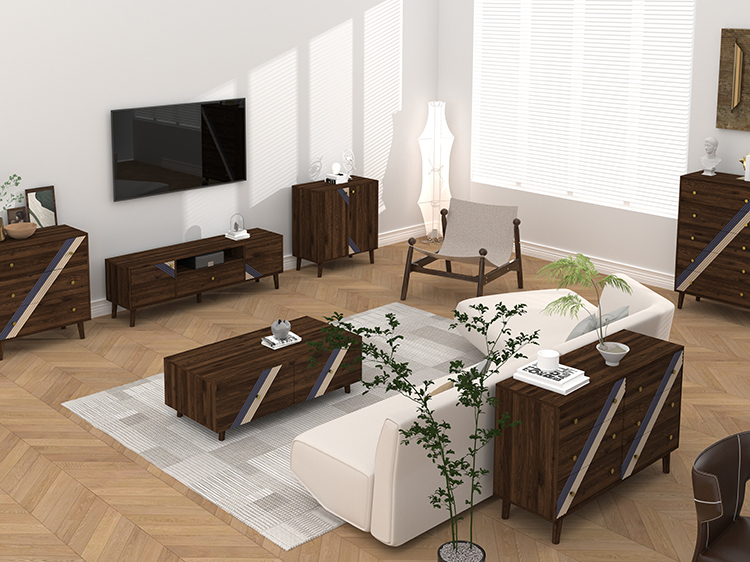
For luxury furniture brands and retailers, offering unique, high-quality pieces is key to standing out. This is where the concept of a Hope Chest ODM partnership becomes invaluable. Unlike standard procurement, an ODM (Original Design Manufacturing) service provides a complete, collaborative solution from initial concept to finished product.
This approach is particularly transformative for heirloom-quality items like hope chests, which require exceptional craftsmanship, material selection, and personalization. Brands like Essent Home leverage such specialized partnerships to bring distinct, design-forward collections to their discerning clientele without the overhead of in-house manufacturing.
Understanding the Hope Chest ODM Partnership Model
An ODM relationship is a deep collaboration. You bring your vision, market insight, and brand identity. The ODM partner contributes engineering expertise, material sourcing, prototyping, and full-scale manufacturing. The goal is to co-create a product that is uniquely yours.
The Core Benefits of a Specialized Hope Chest ODM
Tailored Design and Uniqueness
Working with a Hope Chest ODM means your product won’t be found anywhere else. Every detail—from the profile of the lid to the joinery, hardware, and interior layout—is developed to your specifications. This results in a truly proprietary piece.
Superior Craftsmanship and Quality Control
High-end ODM partners specialize in fine woodworking and finishing techniques. They manage rigorous quality control at every stage, ensuring each hope chest meets exacting standards for durability, finish, and function before it bears your brand name.
Efficient Development and Scalability
An experienced ODM streamlines the journey from sketch to showroom. They navigate material lead times, tooling, and production scheduling. This efficiency allows brands, including those like Essent Home, to scale offerings reliably, from small initial runs to larger collections.
Material and Finish Expertise
A premium Hope Chest ODM provides access to sustainably sourced solid woods, premium veneers, and a vast library of finishes and stains. Their expertise guides optimal material pairing for aesthetic and structural integrity.
The Collaborative Process with Your ODM Partner
Phase 1: Concept and Design Briefing
It all starts with your vision. You share inspiration, sketches, target market, and functional requirements. Detailed discussions establish the projects creative and commercial scope.
Phase 2: Technical Design and Prototyping
The ODM’s design engineers translate concepts into technical drawings. A physical prototype is then built. This stage is crucial for assessing proportions, functionality, and craftsmanship firsthand.
Phase 3: Material Selection and Sampling
Here, you choose woods, hardware, linings, and finishes. Your partner provides physical samples for approval, ensuring color, texture, and quality align perfectly with the design intent.
Phase 4: Production and Quality Assurance
Upon final approval, full production begins. Reputable ODM partners conduct multiple quality checkpoints throughout manufacturing and before shipment, providing peace of mind.
Why Essent Home Chooses Strategic ODM Collaborations
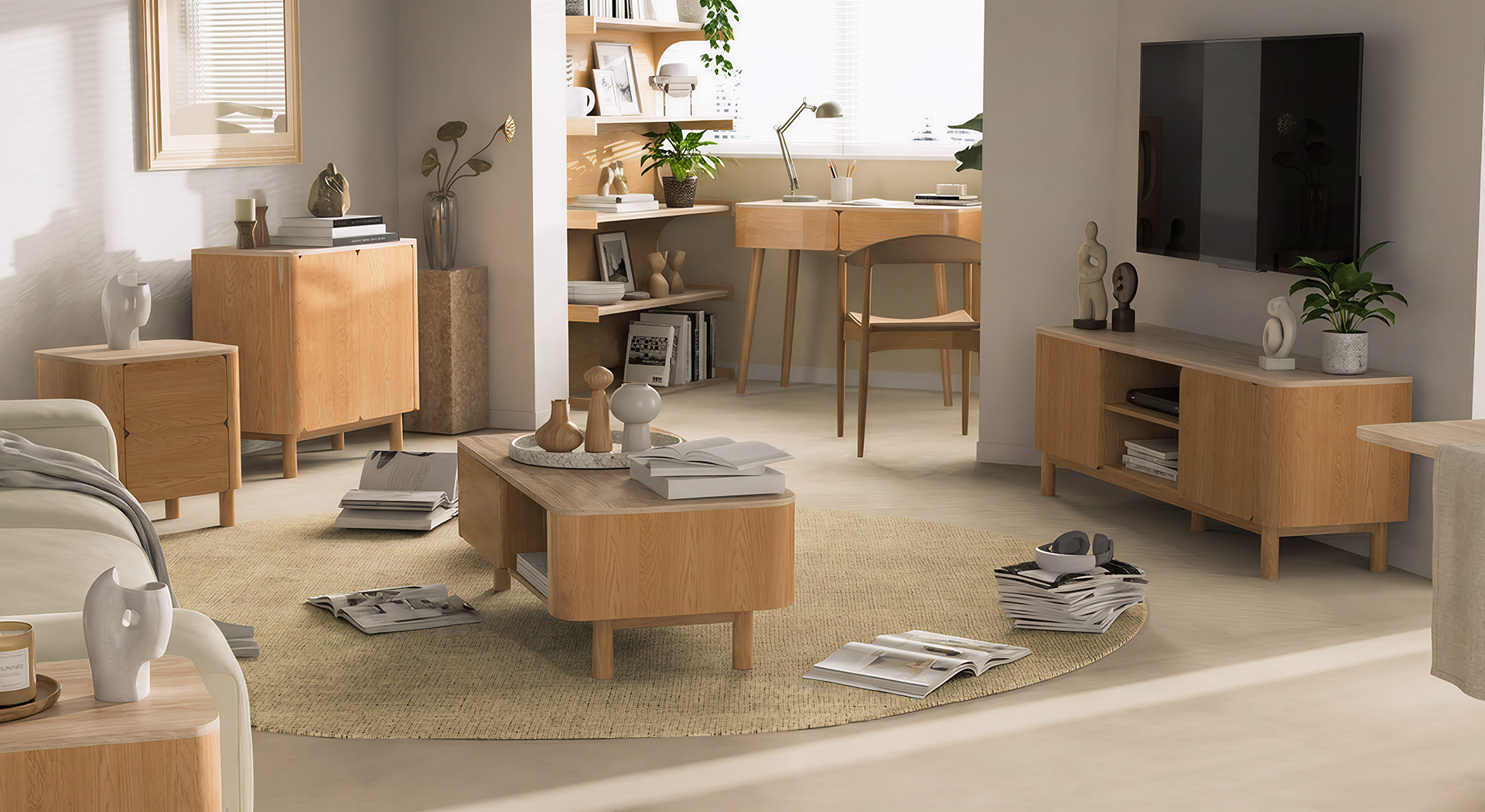
For brands like Essent Home, a Hope Chest ODM partnership is a strategic tool. It allows them to focus on brand storytelling and customer relationships while trusting experts to execute complex furniture fabrication. This model enables the introduction of signature, heirloom-caliber pieces that reflect their design philosophy with uncompromising quality.
Selecting the Right Hope Chest ODM for Your Brand
Look for a partner with a proven portfolio in high-end furniture. Assess their communication, transparency, and willingness to adapt. Visit their facilities if possible. The right partner acts as an extension of your brand, ensuring every detail supports your market position.
In the competitive landscape of high-end furniture, a Hope Chest ODM service is more than a manufacturing solution; its a creative and strategic alliance. It empowers brands to deliver exceptional, customized heirlooms that resonate deeply with customers. For those aiming to elevate their offering with pieces of lasting value and distinct character, this collaborative model is the definitive path forward.
Frequently Asked Questions (FAQs)
Q1: What is the main difference between ODM and OEM for a hope chest?
A1: An OEM (Original Equipment Manufacturer) typically produces a product based entirely on your provided designs and specifications. An ODM (Original Design Manufacturer) co-creates the design with you, offering full service from concept development to manufacturing. For a hope chest, ODM is ideal if you seek a collaborative partner to help design and engineer a unique product.
Q2: What is a typical minimum order quantity (MOQ) for a custom hope chest ODM project?
A2: MOQs vary significantly by manufacturer and complexity. For a custom, high-end hope chest, MOQs might start lower for truly bespoke projects but expect discussions to begin around 50-100 units for standard designs. Transparent partners will clarify this early in the conversation.
Q3: How long does the entire process take, from concept to delivery?
A3: The timeline depends on design complexity and production scale. Generally, allow 3-6 months. This includes design finalization (4-8 weeks), prototyping (4-6 weeks), and production (8-12 weeks). A reliable Hope Chest ODM will provide a detailed schedule upfront.
Q4: Can I use my own unique hardware or interior fabrics with an ODM service?
A4: Absolutely. A key advantage of a premium ODM partnership is the ability to incorporate your specified components, like custom-designed hardware or proprietary lining fabrics. Your partner will guide you on integration and sourcing logistics.
Q5: How do I protect my design when working with a Hope Chest ODM?
A5: Reputable ODM partners respect intellectual property. A clear NDA (Non-Disclosure Agreement) and a detailed development contract specifying that all designs, drawings, and tooling created for your project are your exclusive property are essential first steps. Always work with partners known for their professional integrity.