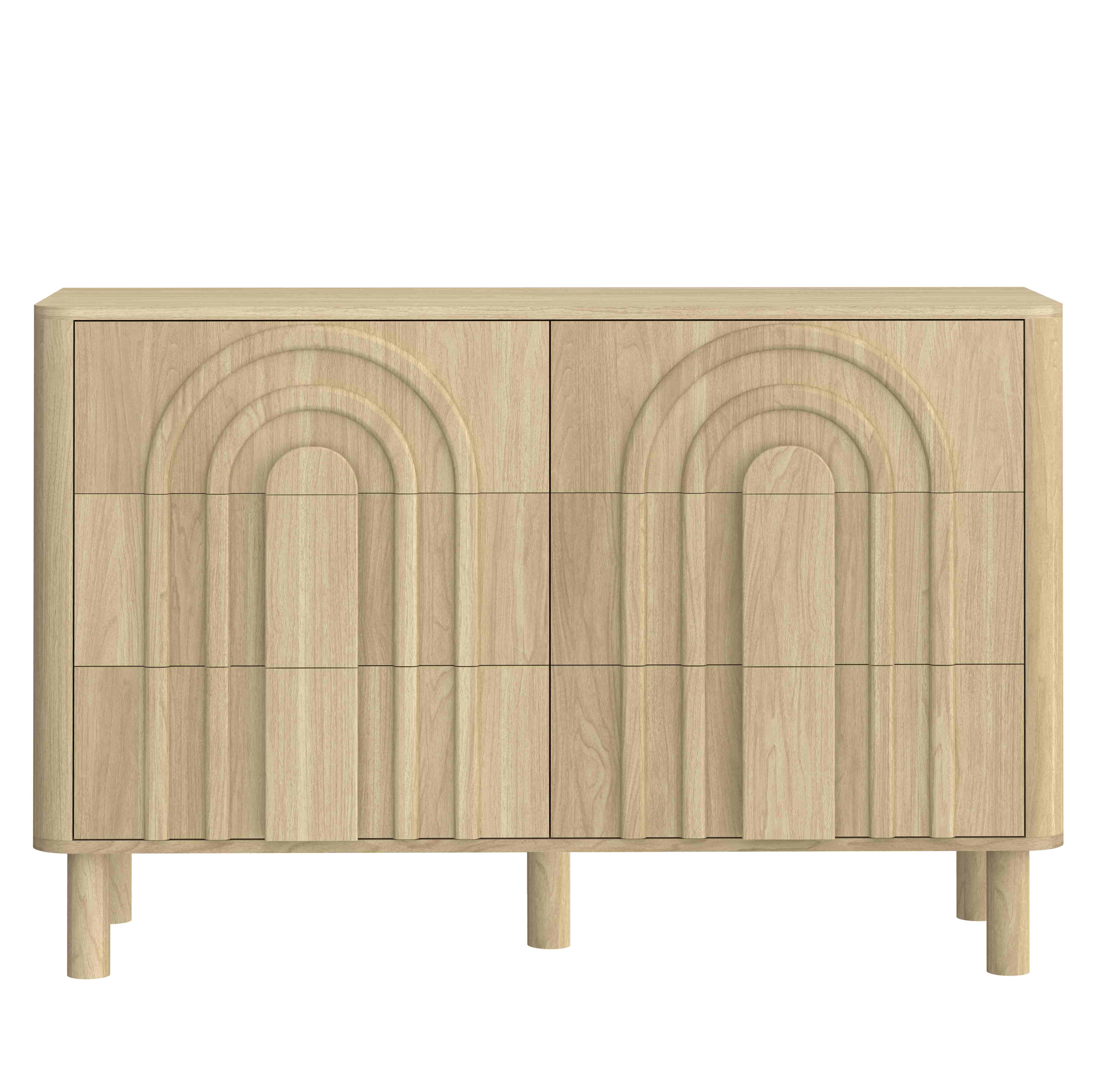
For procurement managers, hotel developers, and furniture chains, identifying
a reliable dresser for bedroom factory involves much more than
product aesthetics. The factory's production line consistency, quality control
protocols, and material sourcing directly affect durability, shipment timelines,
and end-user satisfaction. This article provides a framework for auditing
potential manufacturing partners based on real production metrics, tooling
standards, and commercial compliance.
Essent
Home operates a specialized facility focused on contract-grade
bedroom storage solutions. By examining key manufacturing stages, buyers learn
to distinguish a genuine high-volume factory from a basic assembly shop.
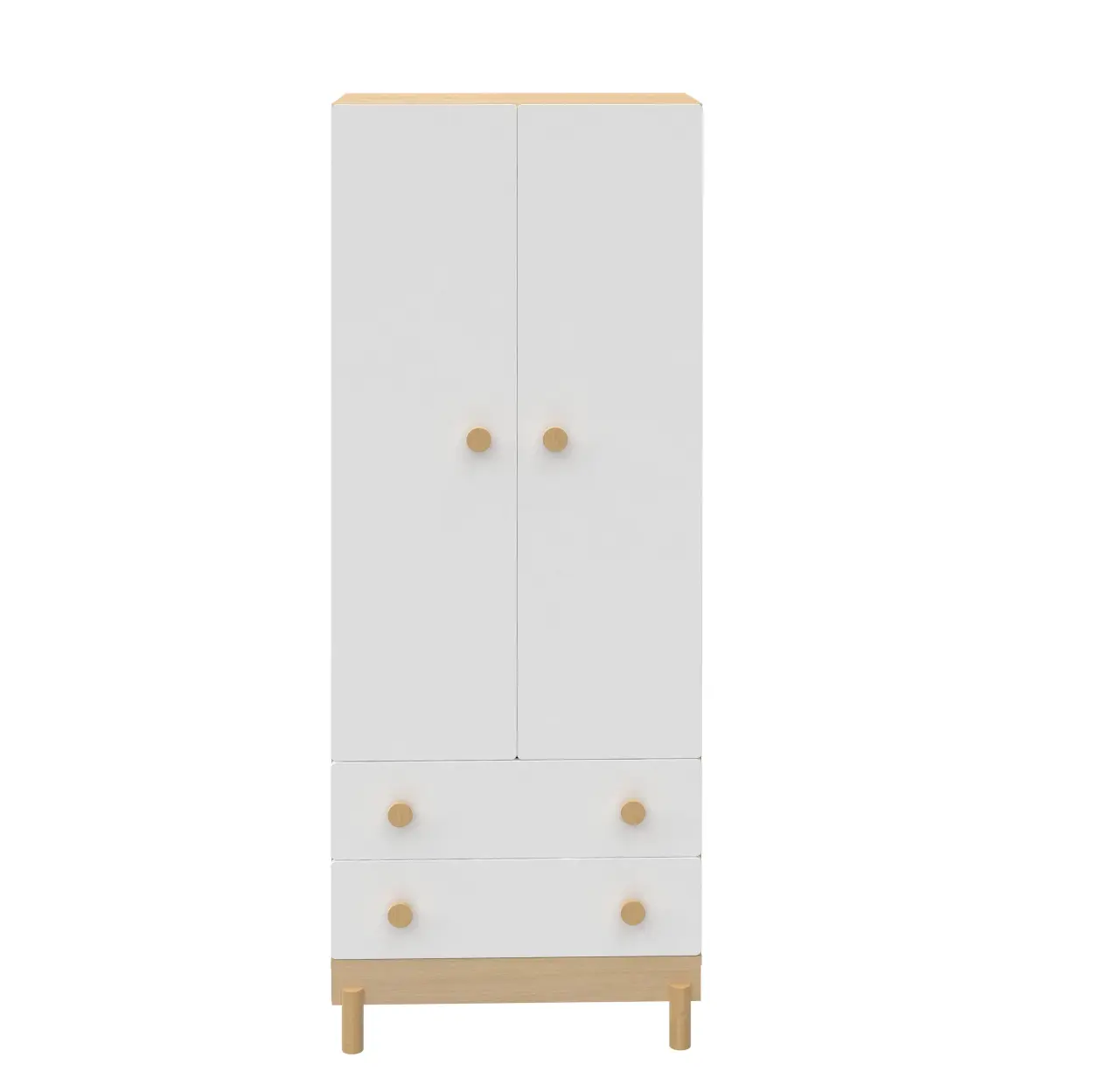
A competent dresser for bedroom factory must demonstrate
measurable competencies in four areas: raw material inventory, joinery
machinery, surface finishing lines, and final assembly protocols. Below are the
technical specifications a buyer should verify during a facility audit.
1. Panel Processing & Edge Banding Precision
CNC nesting tables – Minimum 5-axis machining centers with
vacuum clamping ensure ±0.2mm tolerance on drawer front gaps and side panel
alignment. Factories without CNC rely on manual saws, resulting in inconsistent
reveals.
Edge banding thickness – For high-use bedroom dressers, 2mm
ABS or PVC edging with laser or hot-air seamless application prevents moisture
ingress. Thinner 0.4mm banding fails quickly under humidity cycles.
Panel substrate – Specify CARB Phase 2 compliant HDF or
birch plywood core. Particleboard without density grading (min 700 kg/m³) leads
to screw pull-out.
2. Drawer Assembly & Hardware Integration
Dovetail joint cutting: Factories using multi-spindle dovetailers achieve
consistent 14mm pins with 0.1mm depth variance. Hand-cut or single-spindle
methods show higher rejection rates.
Drawer slide tolerance: Each drawer box must pass a 50,000-cycle test on a
glide testing rig. Request digital reports showing friction coefficient below
0.15.
Pre-installed anchoring systems: A professional dresser for
bedroom factory includes factory-drilled pilot holes for anti-tip
brackets per ASTM F2057-23.
Industrial-Grade Finishing: Catalyzed Lacquer vs. Conversion Varnish
The surface finish defines a dresser’s resistance to abrasion, chemical
spills, and UV fading. In a high-volume factory, the application method is as
important as the chemistry.
Spray booth environment – Downdraft or crossdraft booths
with heated air make-up maintain 20-25°C and 50% RH, critical for catalyzed
finishes to cross-link properly. Uncontrolled humidity causes blushing and poor
adhesion.
Film thickness measurement – A quality finish applies 3-4
mils (75-100 microns) of topcoat after sealer. Factories should use eddy-current
gauges to verify consistency across flat surfaces and edges.
Chemical resistance testing – Ask for acetone rub
resistance (100 double rubs with MEK) – any softening indicates under-cured
finish.
For healthcare and hospitality projects, low-VOC UV-cured finishes (≤30 g/L)
are increasingly specified. Essent Home offers zero-added
formaldehyde panels with UV topcoats that pass ASTM D3363 pencil hardness
5H.
Supply Chain Factors: Lead Times, MOQ Flexibility, and Packaging
Resilience
B2B buyers need predictable throughput. A dedicated dresser for
bedroom factory provides clear data on production capacity per
shift and raw material buffer stocks.
Monthly output capability – Factories with 50+ CNC hours
per day can deliver 2,000+ dresser units monthly. Smaller shops often bottleneck
at finishing ovens (only 200 units/week).
Component standardization – Using common drawer box sizes
across multiple dresser models reduces MOQ to 50 pieces per SKU. Request a
“shared parts” catalog.
Corrugated packaging engineering – Edge protectors
(L-shaped cardboard) and corner foam blocks reduce freight claims. A
professional factory performs vibration table testing (ISTA 3A) for each new
packaging design.
Solving Common Procurement Pain Points Through Factory Audits
From hundreds of real B2B projects, the following issues repeatedly arise
when partnering with an inadequate factory. Each solution ties directly to
verifiable production processes.
Pain Point 1: Warped Drawer Fronts After 6 Months
Root cause: Substrate not acclimated to target market’s
humidity. Solution: Require the factory to store panel stock for 72 hours in a
controlled room at 45% RH before machining. Also specify cross-laminated poplar
plywood instead of solid wood for wide drawer fronts.
Pain Point 2: Inconsistent Stain Color Between Production Batches
Root cause: Manual mixing and variable spray gun settings.
Solution: Insist on a spectrophotometer-based color management system with
automated dosing pumps. A factory using digital recipe storage can reproduce
ΔE<1.0 across runs.
Pain Point 3: Hardware Screws Loosen During Transit
Root cause: No torque verification at assembly. Solution:
The factory must use electric screwdrivers with torque feedback (set to 2.2 Nm
for cam locks) and random pull tests every 50 units.
Customization Parameters: Veneer Matching, Modular Inserts, and Smart
Integration
Modern bedroom dressers often require built-in wireless charging, LED ambient
lighting, or lockable compartments. A flexible dresser for
bedroom factory offers:
Veneer slip-matching – Book-matched or sequence-matched
white oak, walnut, or teak for luxury projects. Factories with hydraulic veneer
presses (200 tons) ensure bubble-free lamination.
Pre-wired grommets – UL-listed power modules with two USB-C
PD ports and one AC outlet, hidden behind a pop-up panel.
Soft-close add-on – Undermount slides with integrated
Blumotion or equivalent mechanism, installed at the factory to avoid site
retrofitting.
For senior living or accessible design, factories can provide drawer pulls
with tactile indicators and maximum opening force of 2.2 lbf (tested with a
force gauge).
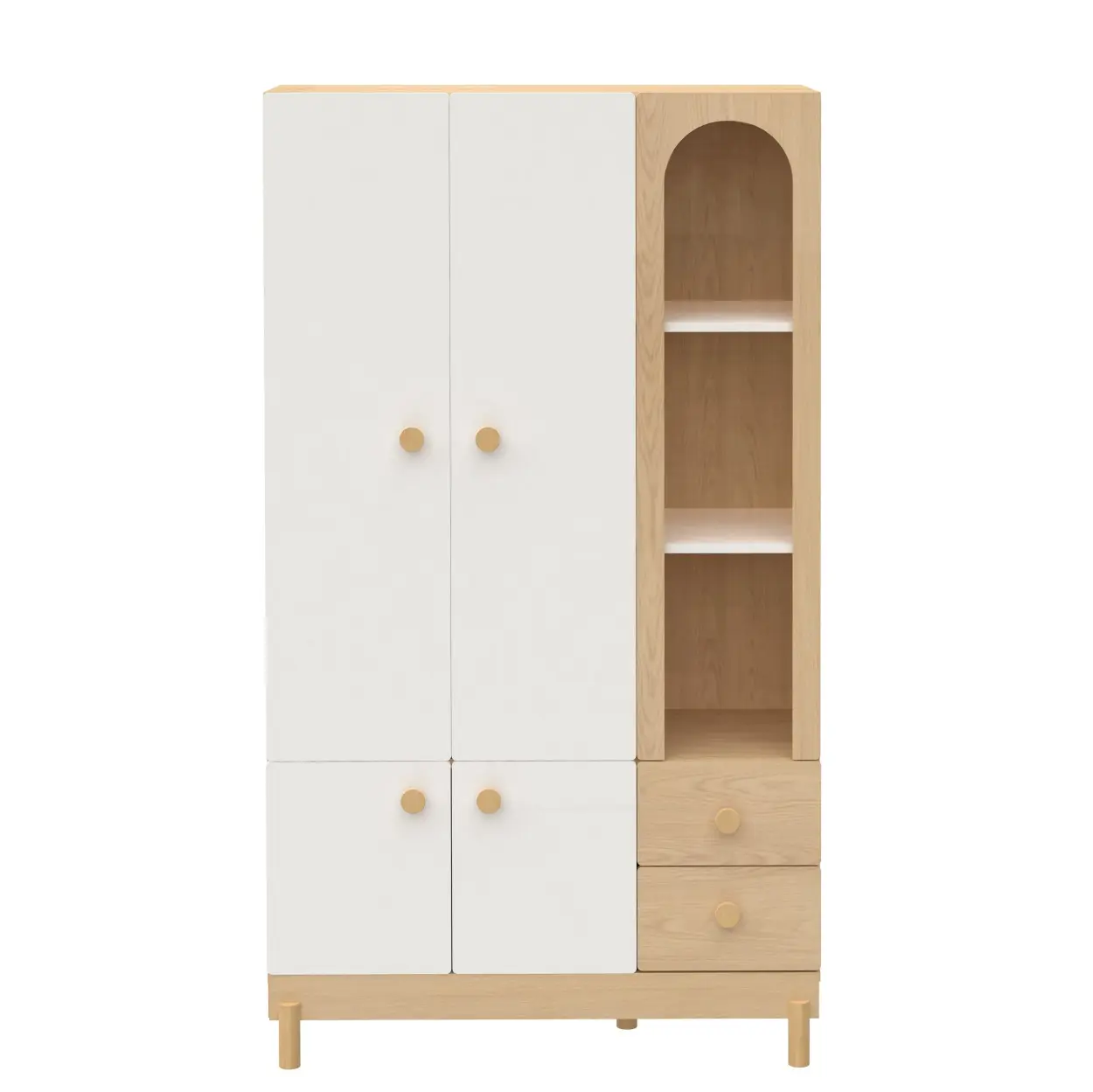
Quality Assurance Documentation Required Before Purchase Order
Before committing to volume, request these five documents from the dresser for
bedroom factory:
BIFMA X5.1-2022 test report – Look for top load ≥ 250 lbs
and drawer cyclic test (75,000 cycles).
Finish adhesion cross-hatch test – ASTM D3359 result of 4B
or 5B (no flaking).
Formaldehyde emission certificate – CARB ATCM 93120 or TSCA
Title VI.
Internal dimensional report – A sample of 10 units
measuring drawer opening widths within ±0.5mm.
Packaging validation video – Drop test from 18 inches on
each edge and corner.
Essent Home maintains an online portal where registered
buyers access live test records and batch-specific QC videos for every container
order.
Future-Proofing Your Bedroom Dresser Line: Modular Design and
Repair-Friendly Construction
To reduce replacement costs over a 10-year product cycle, specify knock-down
(KD) construction using cam lock nuts and interlocking dowels. This allows
damaged side panels or drawer fronts to be swapped without discarding the whole
dresser. Also request a standardized color code for touch-up repair kits – a
professional factory provides Pantone-matched putty sticks with each
shipment.
Hotels and rental properties benefit from “scuff-resistant” bottom drawer
slides (zinc-plated steel with nylon rollers) that tolerate carpet fiber
ingress. Always verify that replacement glide sets remain in production for at
least 5 years after final order.
Frequently Asked Questions (B2B Factory Selection)
Q1: What minimum order quantity (MOQ) should I expect from a
serious dresser for bedroom factory?
A1: For a factory with shared component stock (standard drawer dimensions,
common finishes), MOQ typically ranges from 50 to 100 units per model. Fully
customized dressers (unique size, veneer, hardware) may require 150–200 units.
Some facilities offer mixed-container programs combining different SKUs to reach
MOQ.
Q2: How do I verify a factory’s drawer slide durability
before ordering?
A2: Request a video of their in-house cycle test machine. A standard test
loads each drawer with 20 kg and cycles it 50,000 times at 12 cycles per minute.
After the test, the slide should extend fully and retract without noise or
binding. Ask for the measured increase in opening force (should be under 20%
increase).
Q3: Can a factory match a specific RAL color or wood stain
from a competitor's sample?
A3: Yes, a professional factory uses a spectrophotometer to read the
competitor's sample, then formulates a matching base stain. They will provide
physical 8"x10" panels for your approval under your specified light source
(e.g., 3500K or 4100K). Expect a 5-7 day turnaround for color
matching.
Q4: What are the standard lead times for a pilot order (30
units) vs. a full container (250 units)?
A4: Pilot orders using existing components: 20–25 working days. Full
container order after pilot approval: 35–45 working days, including material
procurement, CNC cutting, finishing, and 3-day QC hold. Additional 10-12 days
for ocean freight (Asia to US West Coast). Ask the factory for their production
scheduling calendar.
Q5: Do you offer spare parts kits for commercial projects
(screws, glides, cam locks)?
A5: A reliable factory automatically includes a 3% spare hardware pack with
every container order – including extra drawer slides, cam lock screws, edge
banding strips, and touch-up markers. Extended service agreements can
pre-position higher quantities at regional warehouses. Essent
Home provides detailed spare parts lists for every SKU
number.
Begin Your Factory Qualification Process
Selecting the right dresser for
bedroom factory ensures consistent product quality, predictable
lead times, and lower post-installation service requests. Whether you need a
custom veneer match, integrated charging, or a high-volume production schedule,
the evaluation framework above helps you make an objective choice.
Contact Essent
Home to receive a detailed factory audit checklist and request a
sample pack for your next bedroom furniture line. Our engineering team provides
CAD drawings, finish chips, and glide testing reports within two business
days.
Inquiry
for B2B partners:
Send your RFQ including target dimensions, wood
species, hardware preference, and estimated annual quantity to
ceciliahuang@essenthome.com or use the online form at https://essentfurniture.com/contact. A contract specialist
will reply within 24 hours with initial capacity confirmation.