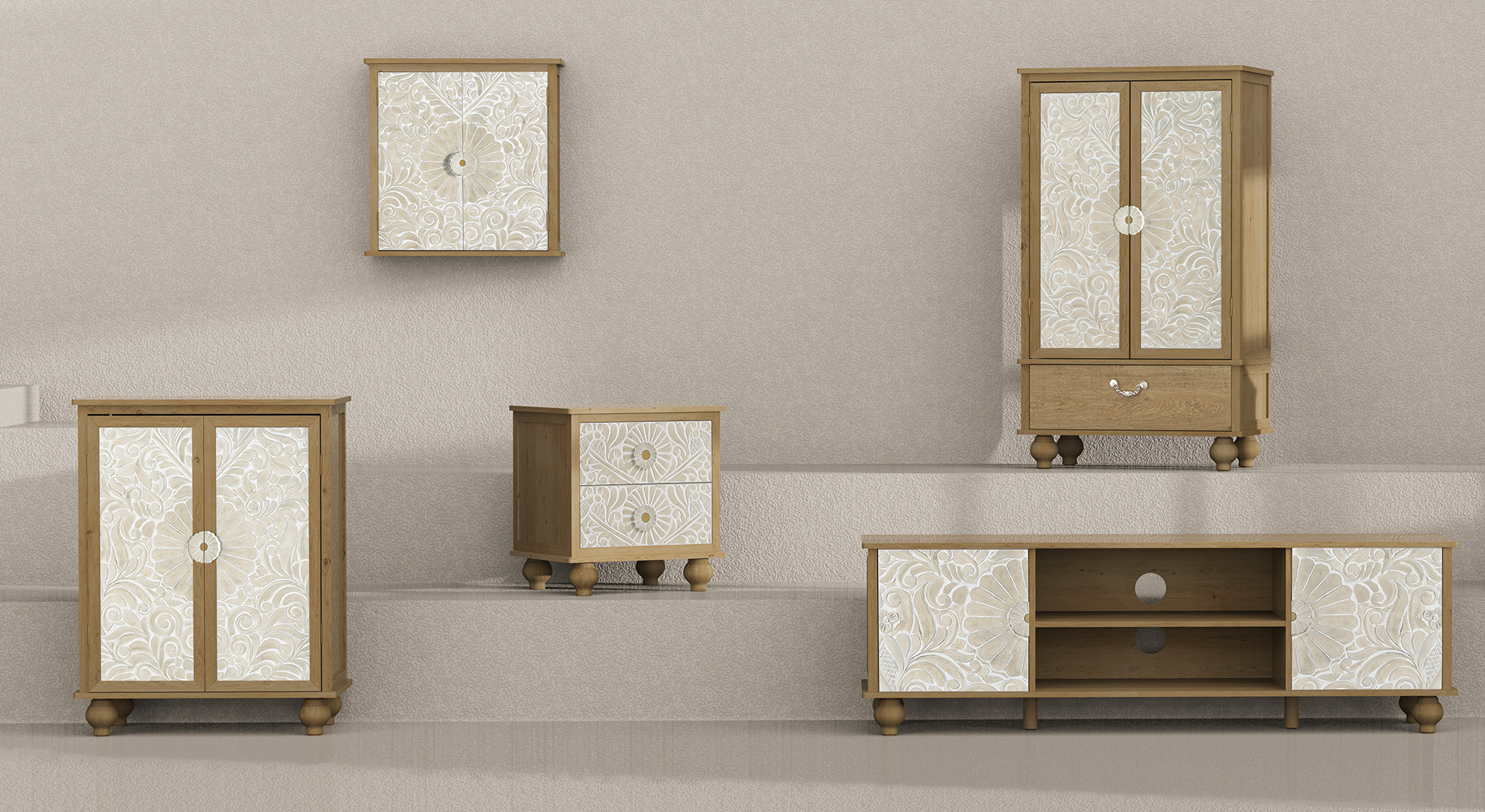
For connoisseurs and luxury homeowners, storing a wine collection is not an afterthought—it’s a central part of the living experience. Off-the-shelf units rarely meet the precise needs of temperature, space, and aesthetics. This is where professional Wine Cabinets ODM (Original Design Manufacturing) services become indispensable. They offer a seamless blend of technical precision and bespoke design, creating storage solutions that are as unique as your vintage.
Partnering with a skilled ODM provider means you are not just buying furniture; you are commissioning a specialized climate-controlled environment tailored to your specifications. From integrated smart systems to hand-finished interiors, every detail is considered. Esteemed brands in this space, such as Essent Home, have mastered the art of translating client vision into flawless, functional art through their ODM collaborations.
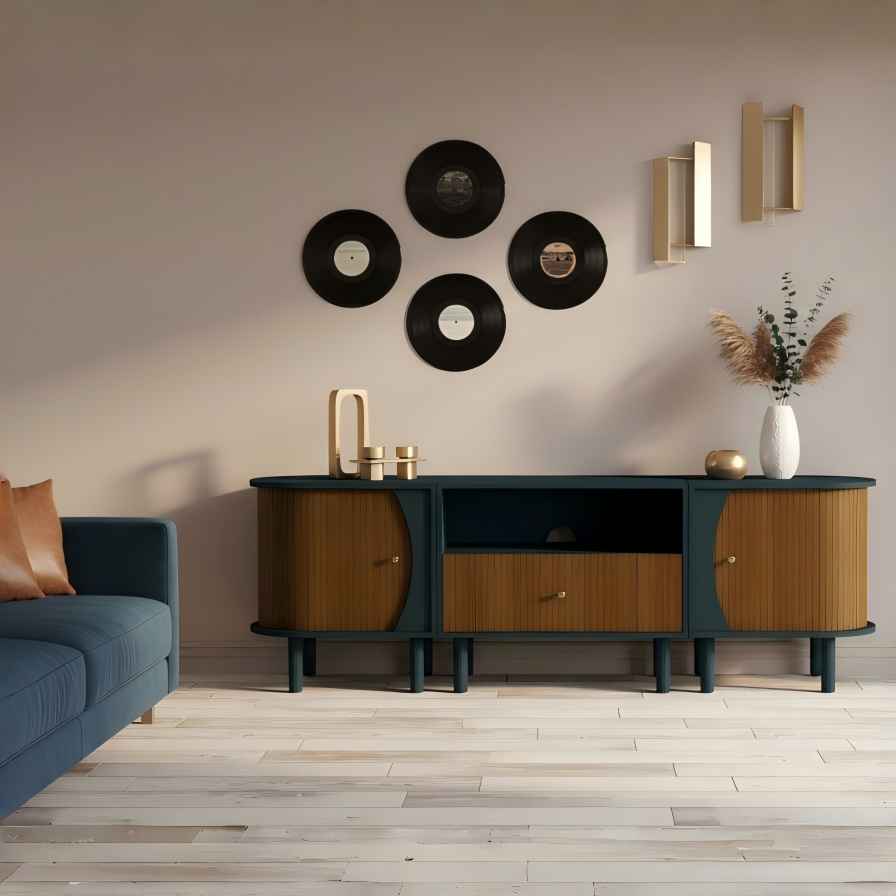
Exploring Installation Methods for Your Wine Cabinets ODM Project
The installation method dictates the cabinets integration into your space. ODM services provide flexibility far beyond freestanding boxes.
Built-In and Integrated Units
These are designed to fit seamlessly into existing walls or cabinetry. They offer a sleek, custom look that appears as part of the architecture. Proper ventilation planning is critical and is handled by ODM engineers.
Freestanding and Modular Designs
Ideal for flexibility, these units can be placed in a pantry, dining area, or basement. High-end ODM providers ensure even freestanding pieces have a furniture-grade finish on all sides.
Under-Counter and Kitchen Integration
A popular choice for easy access, these smaller, under-counter wine cabinets require precise dimensions and robust compressors to handle warmer kitchen environments.
Material Selection: The Foundation of Quality
The materials define durability, insulation, and style. A premium Wine Cabinets ODM partner sources the finest options.
Housing often uses furniture-grade plywood or hardwood for stability. Interior shelving may feature exotic woods like mahogany or aromatic cedar, chosen for stability and subtle fragrance.
Glass elements, whether for doors or display sections, are typically dual-paned, UV-resistant tempered glass. Metal accents, from handles to frames, are offered in brushed nickel, brass, or powder-coated finishes.
Dimensions, Capacity, and Shape
ODM is defined by customization. Capacity ranges from a modest 20-bottle cabinet to a walk-in cellar wall holding thousands.
Standard single-column units are often 24 inches wide. Double-column designs can span 48 inches or more. Height can be adjusted to match room proportions.
Beyond rectangles, curved or angled units can fit unusual spaces. Corner wine cabinets are a smart ODM solution to utilize often-wasted space.
Style and Design Philosophy
This is where your personal aesthetic directs the ODM process.
Modern and Minimalist
Clean lines, handle-less doors, and monolithic structures define this style. Integrated lighting and neutral material palettes are key.
Traditional and Classic
Think raised panel doors, intricate wood moldings, and ornate metalwork. Rich wood stains and heritage details create timeless appeal.
Industrial and Transitional
A blend of raw materials like steel and reclaimed wood with sleek finishes. This style suits contemporary lofts or renovated spaces.
The Brand and Collaboration Experience
Choosing an ODM partner is about trust and shared vision. It involves technical consultations, design reviews, and prototype approvals.
A reputable brand brings engineering expertise in refrigeration, humidity control, and vibration reduction to the table. Their role is to guide the project from concept to installation, ensuring the final product is both beautiful and technically perfect. Working with a specialist like Essent Home ensures this complex process feels streamlined and professional, resulting in a wine cabinet that is a true centerpiece.
Budget, Timeline, and Professional Installation
A custom ODM project is an investment. Costs scale with size, material complexity, and technological features.
Clear communication about budget early on allows your ODM partner to suggest optimal material and feature choices. The timeline includes design, fabrication, and shipping. Always factor in professional installation by certified technicians to validate warranties and ensure optimal performance.
Investing in a Wine Cabinets ODM service is the definitive choice for serious collectors. It merges uncompromising preservation standards with personal expression. It transforms storage into a statement.
For those seeking a collaborative partner in this journey, Essent Home exemplifies the meticulous approach and design integrity required to bring a custom wine storage vision to life, ensuring your collection is preserved and presented perfectly.
Frequently Asked Questions (FAQ)
Q1: What is the main advantage of using a Wine Cabinet ODM service over buying a premium retail unit?
A1: The primary advantage is complete customization. An ODM service tailors every aspect—dimensions, materials, cooling performance, and design details—to your specific space, collection size, and aesthetic preferences, resulting in a one-of-a-kind solution rather than a compromise.
Q2: How long does a typical custom wine cabinet ODM project take from start to finish?
A2: The timeline varies but generally spans 8 to 14 weeks. This includes initial consultation and design, engineering, fabrication, quality testing, and shipping. Complex projects or unique material sourcing may extend this period.
Q3: Can I integrate a wine cabinet ODM unit with my existing smart home system?
A3: Many high-end ODM providers offer this option. Cabinets can be equipped with Wi-Fi-enabled monitoring systems that allow you to track temperature and humidity from your phone and receive alerts. Ensure you discuss integration capabilities during the design phase.
Q4: Are there specific materials to avoid in the interior of a wine cabinet?
A4: Yes. Avoid woods with strong, resinous odors like pine, as they can taint the wines aroma. Also, ensure any metals used are properly coated to prevent corrosion from humidity. Your ODM partner will recommend stable, neutral-smelling hardwoods and suitable, non-corrosive finishes.
Q5: What ongoing maintenance does a custom wine cabinet require?
A5: Maintenance is typically minimal. Regularly clean the exterior with appropriate cleaners for the material. The condenser coils at the back or bottom should be vacuumed every 6-12 months to ensure efficiency. Always follow the specific maintenance guidelines provided by your ODM manufacturer.