In the realm of high-end hospitality design, multifamily developments, and
luxury residential projects, the shoe cabinet has evolved from a mere utility
into a statement of spatial intelligence. Architects, interior designers, and
procurement managers are no longer satisfied with off-the-shelf storage; they
demand joinery that marries aesthetics with high-density functionality.
Selecting the right shoes cabinet
wholesaler becomes a strategic decision that impacts project
timelines, guest experience, and the developer’s bottom line. Based on our work
with hotel FF&E suppliers across Europe, the Middle East, and North America,
we have identified seven non-negotiable technical criteria that separate
commodity suppliers from true manufacturing partners like Essent
Home.
1. Material Grades and Hygroscopic Stability
A shoe cabinet endures micro-climates: humidity from footwear, temperature
shifts near entryways, and frequent mechanical stress. A reliable shoes cabinet
wholesaler must specify materials that resist warping and
off-gassing. In our production, we utilize 18mm E0-grade plywood cores for
carcasses, combined with high-pressure laminate (HPL) or real-wood veneers for
exteriors. For coastal hospitality projects, we recommend marine-grade birch
plywood. Insist on formaldehyde emission certifications such as CARB Phase 2 or
F★★★★; any partner lacking these should be disqualified for international
specifications.
Core composition: Multi-layer poplar vs. MDF — why poplar
offers 30% better screw-holding capacity for heavy boots.
Veneer matching: Book-matched or slip-matched; ensure the
wholesaler can supply quarter-cut oak or walnut for seamless paneling.
Edge-banding: Laser edge-banding (0.4mm ABS) eliminates
glue lines—critical for minimalist, handleless designs.
2. Integrated Ventilation and Odour Management
Standard shoe cabinets trap moisture, leading to mildew and odour that can
permeate an entire lobby or dressing area. Advanced wholesalers now incorporate
passive or active airflow systems. For example, Essent
Home offers perforated metal backs with a 10mm air gap, combined
with zeolite-based desiccant sachets in bespoke orders. For ultra-luxury
projects, we integrate low-voltage fans with humidity sensors that activate when
doors are closed, exhausting air through a charcoal filter. Specify this in your
RFP to avoid post-occupancy complaints.
3. Parametric Customization and Modular Flexibility
Today’s floor plans vary wildly—from shallow NYC apartment niches to deep
Dubai villa walk-ins. A capable shoes cabinet
wholesaler must offer parametric adjustment without exorbitant
tooling fees. We utilize CNC nesting and 3D modelling that allows:
Variable depth: from 240mm (for flats) to 600mm (for boot storage with
pull-out racks).
Adjustable shelving: perforated steel strips with European-standard 32mm
system compatibility.
Corner solutions: carousel units that maximize dead space—tested for 50kg
load.
Ask your wholesaler for a ‘cutting list flexibility index’—can they alter
internal partitions for a 50-unit order with no price surcharge? If not, you are
likely dealing with a trader, not a manufacturer.
4. Hardware: Soft-close and Cycle Tests
The difference between a premium and mediocre shoe cabinet often lies in the
hinges and slides. For high-traffic hotel suites or staff areas, hardware must
survive 100,000+ cycles. Reputable wholesalers source from OEMs like Blum,
Hettich, or Grass. Essent Home exclusively uses
branded soft-close mechanisms with integrated dampers, and we provide test
reports upon request. For pivot doors or lift-up flaps, inquire about gas-strut
pressure ratings—under-spec struts will fail within two years.
Ingress protection: for coastal or humid climates, specify stainless steel
(AISI 304) hinges.
Silent closing: ensure nylon rollers on telescopic slides, not just
plastic.
5. Packaging Engineering for Cross-Border Shipments
Damage during transit is the number one headache for international buyers. A
professional shoes cabinet
wholesaler invests in project-specific packaging. We use 15mm
plywood crates with foam corner protectors and desiccant bags for sea freight.
For fragile marble or glass components, we employ vibration-dampening brackets.
Ask your supplier for a packaging test video (ISTA standards). Also, verify
their Incoterms flexibility—CIF, DAP, or DDP—to align with your procurement
policies.
Knock-down (KD) vs. ready-to-assemble (RTA): KD reduces shipping volume by
40% but requires local assembly quality control.
Barcode labelling: essential for large hotel projects to track units per
floor.
6. Global Compliance: Fire, Emissions, and Safety
Luxury hospitality and commercial projects mandate strict adherence to local
codes. Your wholesaler must demonstrate:
Fire retardancy: EN 13501-1 (Euroclass B or C) or NFPA 260
for upholstery components (if any).
Emissions: GREENGUARD Gold certification for indoor air
quality.
Surface durability: ISO 4211-2 (resistance to wet heat,
common in shoe cabinets with hot footwear).
Essent Home maintains a
technical dossier for every material batch, ensuring traceability for LEED or
WELL certification submissions.
7. Supply Chain Ethics and Lead Time Predictability
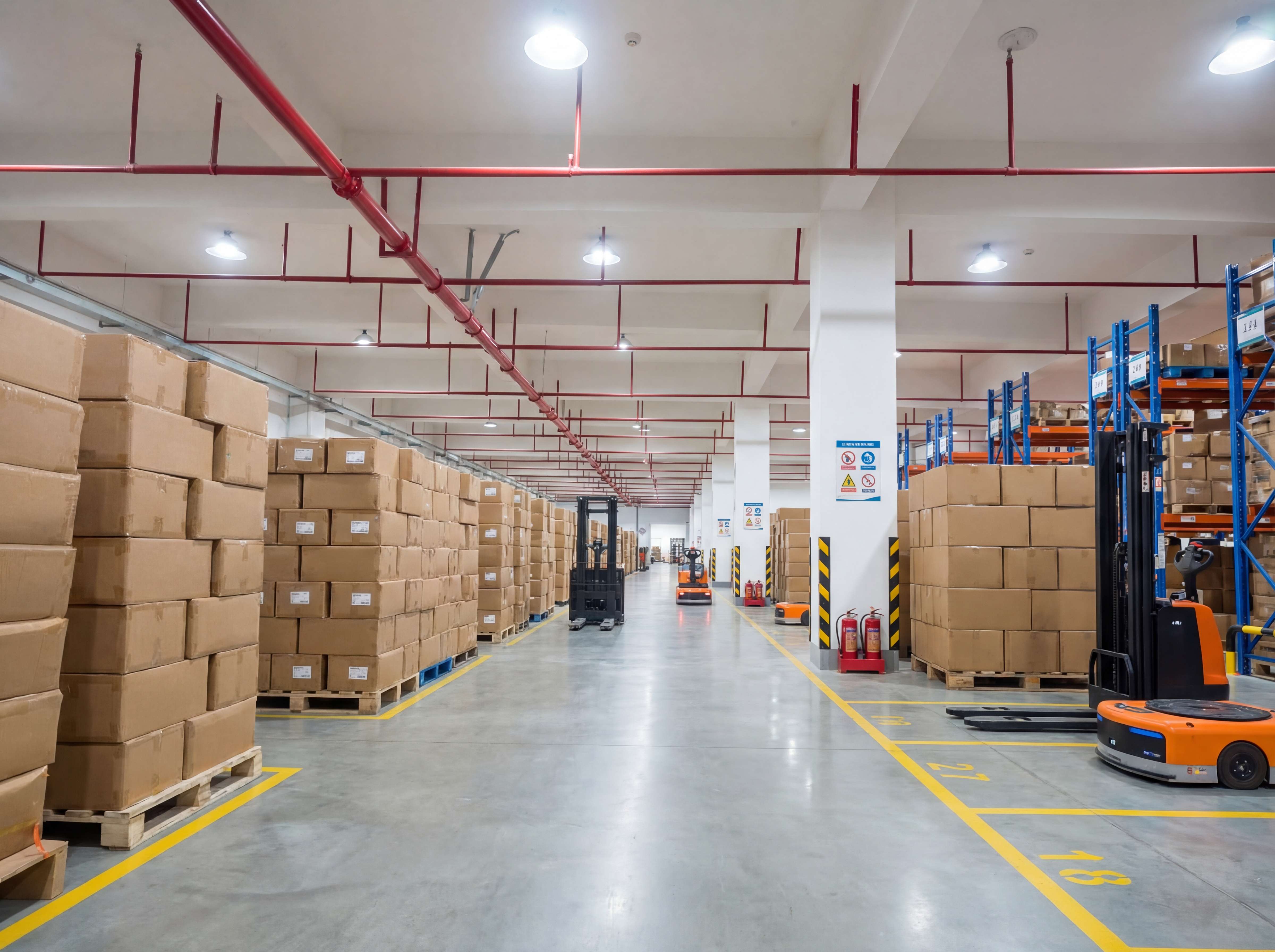
Post-pandemic, procurement officers rank supply chain visibility as critical.
A reliable shoes cabinet
wholesaler provides real-time production milestones. We have
implemented a vendor portal where clients track cutting, assembly, and QC
stages. Additionally, audit their raw material inventory—if they stock plywood
and veneers, lead times shorten dramatically. For a recent Miami condo project,
we delivered 420 custom shoe cabinets in 9 weeks, beating the client’s schedule
by 2 weeks due to buffer stock of Italian oak.
Selecting a shoes cabinet wholesaler is a multifaceted decision that
influences your project’s design integrity, budget adherence, and end-user
satisfaction. By prioritizing technical specifications over surface-level
aesthetics, you mitigate long-term maintenance costs and elevate the perceived
quality of your spaces. Essent Home embodies this
technical rigour, offering bespoke joinery backed by engineering data. To
explore how our engineering team can support your next development, review our
shoes cabinet
wholesaler collection or request a consultation for custom
designs.
Frequently Asked Questions (B2B Procurement)
Q1: What is the typical minimum order quantity (MOQ) for custom
shoe cabinets from Essent Home? A1: For standard designs with minor modifications, our MOQ is 20 units per
project. For fully bespoke joinery involving new tooling or unique veneers, we
typically require 50 units, though we evaluate each project based on long-term
partnership potential.
Q2: Can you replicate a specific RAL colour or a proprietary wood
sample? A2: Absolutely. We maintain a colour-matching spectrophotometer and work with
leading lacquer suppliers (Sayerlack, Milesi) to achieve precise RAL, NCS, or
Pantone matches. For wood samples, we can produce 1:1 mock-ups with your
specified finish—sealed and signed off before mass production.
Q3: How do you ensure ventilation in shoe cabinets destined for
tropical climates? A3: For high-humidity regions (Southeast Asia, Caribbean), we incorporate
full-perforated steel shelves and a rear airflow cavity. Optionally, we can
install a low-voltage fan kit with a hygrostat that activates at 65% relative
humidity. All metal components are powder-coated to prevent rust.
Q4: What is the average lead time for a wholesale order shipped to
the US East Coast? A4: For confirmed orders, production takes 4–6 weeks, followed by sea freight
(approx. 30–35 days to NY/NJ). We offer air freight for urgent partial
shipments. Total lead time can be as short as 3 weeks under our express program,
subject to capacity.
Q5: Do your products meet the formaldehyde emission standards
required for LEED v4.1? A5: Yes, all composite wood products used by Essent Home are certified CARB
Phase 2 and EPA TSCA Title VI compliant. We provide documentation for MR credit:
Low-Emitting Materials. We can also supply products with no added
urea-formaldehyde (NAUF) upon request.
Q6: Do you provide installation drawings and on-site
supervision? A6: We supply detailed shop drawings (DWG/PDF) and assembly instructions. For
large-scale hospitality projects, we can coordinate with your local installer
via video conference. If needed, we can dispatch a supervisory technician
(travel and accommodation at client cost) for final installation quality
control.
For detailed technical data sheets or to discuss your upcoming tender,
contact the Essent Home contract team. We
speak joinery, code compliance, and logistics—fluently.