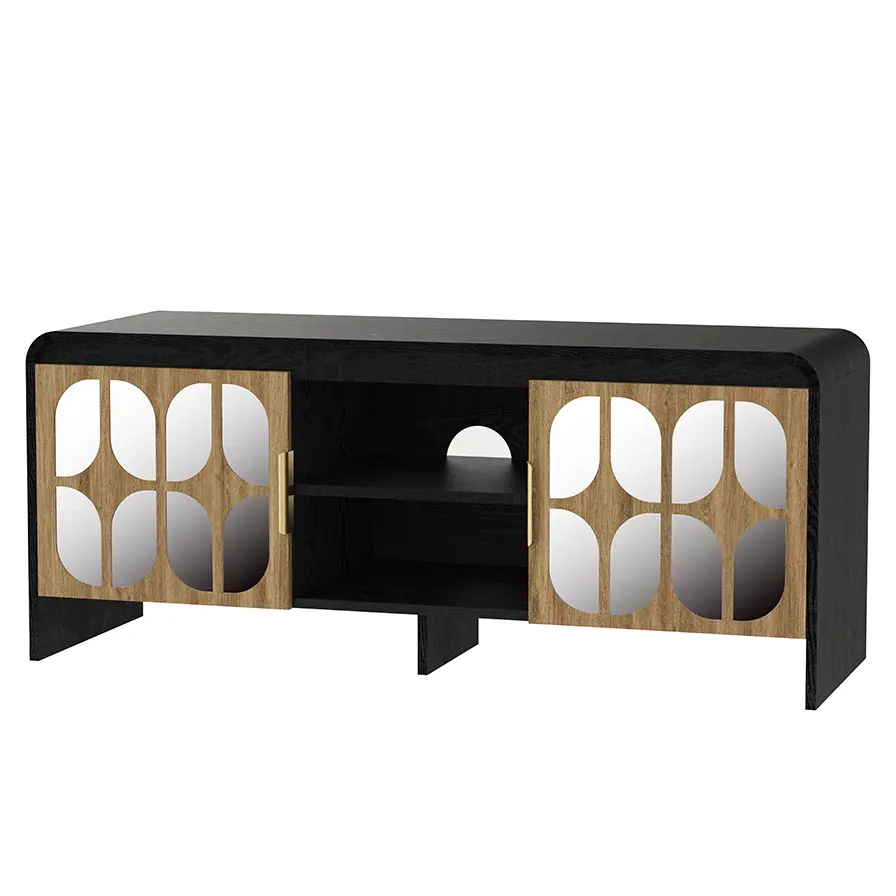
Entering a manufacturing partnership for television consoles requires careful planning. Selecting the right tv consoles oem partner is foundational to product quality and market success. For brands in the international high-end custom furniture sector, this decision influences design integrity, production lead times, and brand reputation. Working with established manufacturers like Essent Home can provide a significant advantage in craftsmanship and reliability.
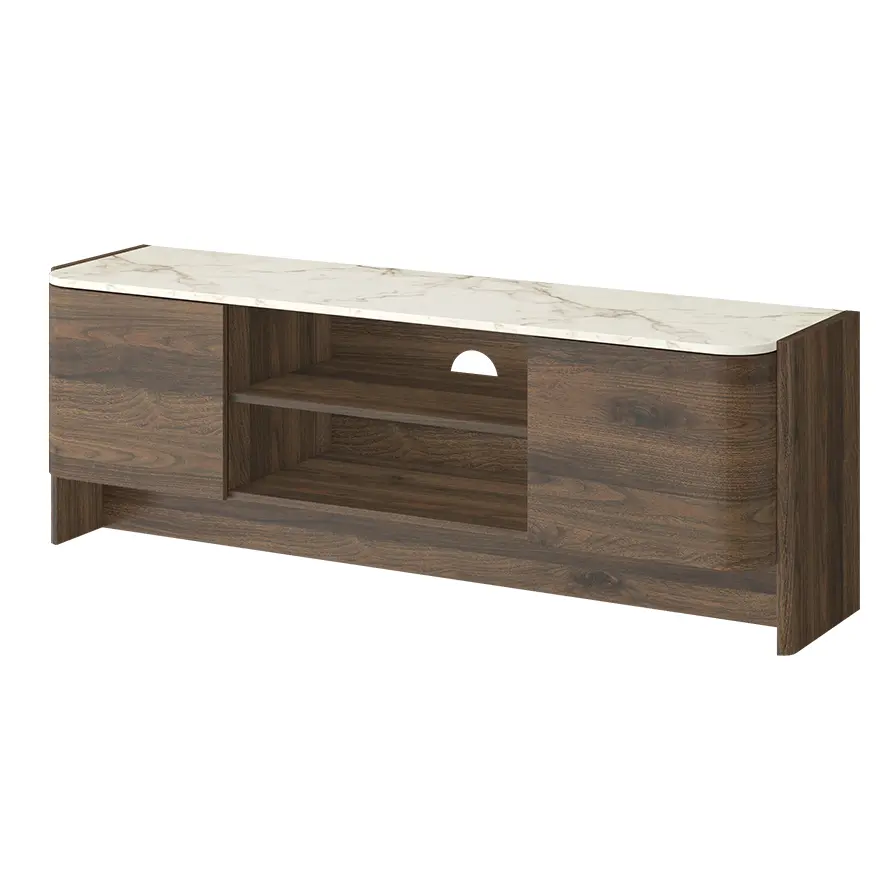
Understanding OEM Manufacturing Processes
OEM manufacturing involves producing goods to be branded and sold by another company. For TV consoles, this means your partner handles the physical creation based on your designs and specifications.
A clear understanding of their production capabilities is essential. This includes their technology, quality control systems, and capacity for scaling orders.
A competent tv consoles oem will guide you through material selection, prototyping, and final production phases with precision.
From Design to Production Line
The journey starts with detailed technical drawings. Your OEM partner should review these for manufacturability.
They will suggest adjustments to optimize the build process without compromising design intent. Prototype creation is a critical step to verify the final product.
Material Sourcing and Quality Assurance
The choice of materials directly impacts the finished product's aesthetics and durability. High-end consoles often use solid hardwoods, premium veneers, and quality metals.
Your OEM partner must have robust relationships with trusted material suppliers. They should ensure consistent quality and sustainable sourcing practices.
Factories with in-house quality labs offer better control over material integrity from the start.
Implementing Quality Control Checks
Effective quality control is non-negotiable. This involves inspections at multiple stages: raw materials, assembly, finishing, and pre-shipment.
Discuss their QC protocols and defect rate thresholds. A reliable tv consoles oem will provide detailed inspection reports.
Customization for Size, Shape, and Design
Custom furniture demands flexibility. Your OEM manufacturer should accommodate non-standard dimensions and complex shapes.
This includes bespoke proportions for oversized media setups or unique angles for corner units. Design elements like intricate joinery or custom finishes must be achievable.
Partners like Essent Home excel in translating unique design visions into tangible, high-quality products.
Managing Design Specifications
Clear communication of specifications prevents costly errors. Use detailed CAD files, finish samples, and written requirements.
Ensure your tv consoles oem has a structured system for managing and confirming these specs throughout production.
Brand Alignment and Minimum Order Quantities
Your manufacturing partner becomes an extension of your brand. Their commitment to ethical labor, environmental standards, and craftsmanship reflects on you.
Minimum Order Quantities (MOQs) are a key commercial consideration. They affect your inventory costs and cash flow.
Negotiate MOQs that align with your market entry or growth strategy. Some OEMs offer lower MOQs for higher-tier brands to foster partnership.
Protecting Your Brand Identity
Confidentiality agreements are standard. Ensure your designs and proprietary information are legally protected.
The right partner respects your brand's unique position and contributes to its value through exceptional manufacturing.
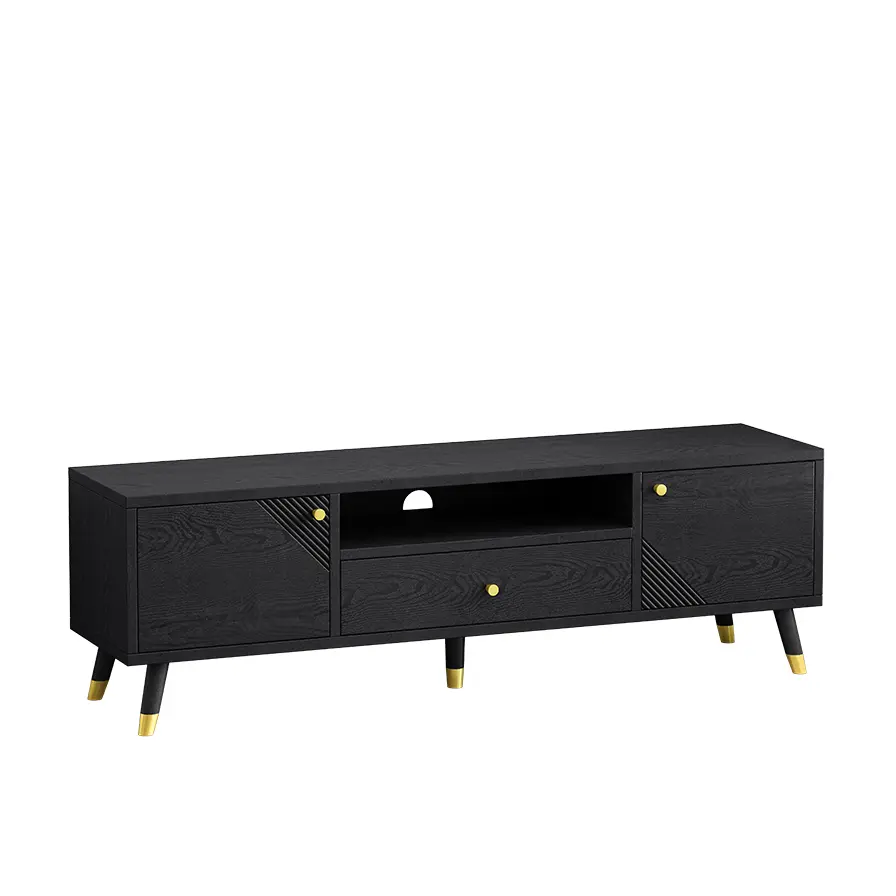
Budgeting, Logistics, and Timeline
Costing goes beyond unit price. Factor in tooling costs, shipping, import duties, and potential warehousing.
Accurate production timelines are crucial for planning marketing and sales cycles. Delays can disrupt your entire supply chain.
A transparent tv consoles oem will provide a comprehensive cost breakdown and a realistic, committed production schedule.
Planning for Smooth Delivery
Discuss packaging for international shipping to prevent damage. Understand who manages freight forwarding and customs clearance.
Logistics expertise from your manufacturing partner can simplify the process and reduce risk.
A successful OEM partnership is built on clear communication, shared standards, and mutual reliability. The choice of a tv consoles oem manufacturer affects every aspect of bringing your product to market.
For brands seeking a blend of sophisticated design and manufacturing excellence, collaborating with specialists like Essent Home offers a proven path. Their approach ensures that the final product faithfully represents your brand's commitment to quality.
Thorough due diligence in selecting your OEM partner is the most important step in your production journey.
Frequently Asked Questions (FAQ)
Q1: What is the main advantage of using a TV consoles OEM service over standard wholesale?
A1: OEM allows for complete customization. You control the design, materials, and specifications to create a unique product under your own brand, unlike wholesale where you purchase existing designs.
Q2: How do I ensure the quality matches my expectations during OEM production?
A2: Request physical samples or prototypes before full production begins. Visit the factory if possible, and insist on detailed quality control checkpoints with photographic evidence at each stage.
Q3: What are typical lead times for OEM TV console production?
A3: Lead times vary based on complexity and order size. They can range from 8 weeks for standard custom designs to 16 weeks or more for highly intricate pieces with special materials. Always get a detailed timeline in your contract.
Q4: Can an OEM partner help with the design and engineering of my TV console?
A4: Many experienced OEM manufacturers offer design for manufacturability (DFM) services. They can refine your concept to make it more efficient to produce while maintaining its aesthetic and functional goals.
Q5: What key terms should be included in a contract with a TV consoles OEM?
A5: A solid contract should cover: exact product specifications, quality standards and tolerances, pricing and payment schedule, production timeline, confidentiality clauses, IP ownership, warranty terms, and protocols for handling defects or delays.